

Smart sprinkler controller technology is transforming how homeowners manage lawn watering—cutting waste, boosting convenience, and making it easier to obey local water restrictions. Yet not all devices are created equal and choosing, installing, and operating one can present real challenges.
Key Takeaways
- Smart sprinkler controllers like Rachio 3 and Rain Bird ST8 can reduce water usage by 20% or more if configured well.
- Device selection depends on reliability, price, manual vs. app controls, and compatibility with your existing irrigation setup.
- Common issues include complex setups, reliance on Wi-Fi, and software limitations—read on to avoid them.
- What Is a Smart Sprinkler Controller and Why Use One?
- Step-by-Step: How to Get the Most from a Smart Sprinkler Controller
- Advanced Analysis & Common Pitfalls
- Conclusion & Next Steps
- Frequently Asked Questions
What Is a Smart Sprinkler Controller and Why Use One?
A smart sprinkler controller automates your existing irrigation system by replacing the manual timer box with a Wi-Fi-connected device. Unlike old timers, these controllers optimize watering schedules using real-time weather, soil data, and (for top models) sensors—so you use less water, spend less time fiddling, and still maintain healthy grass and plants. They are also a first step toward a truly smart home integration that reduces waste and puts control in the palm of your hand.
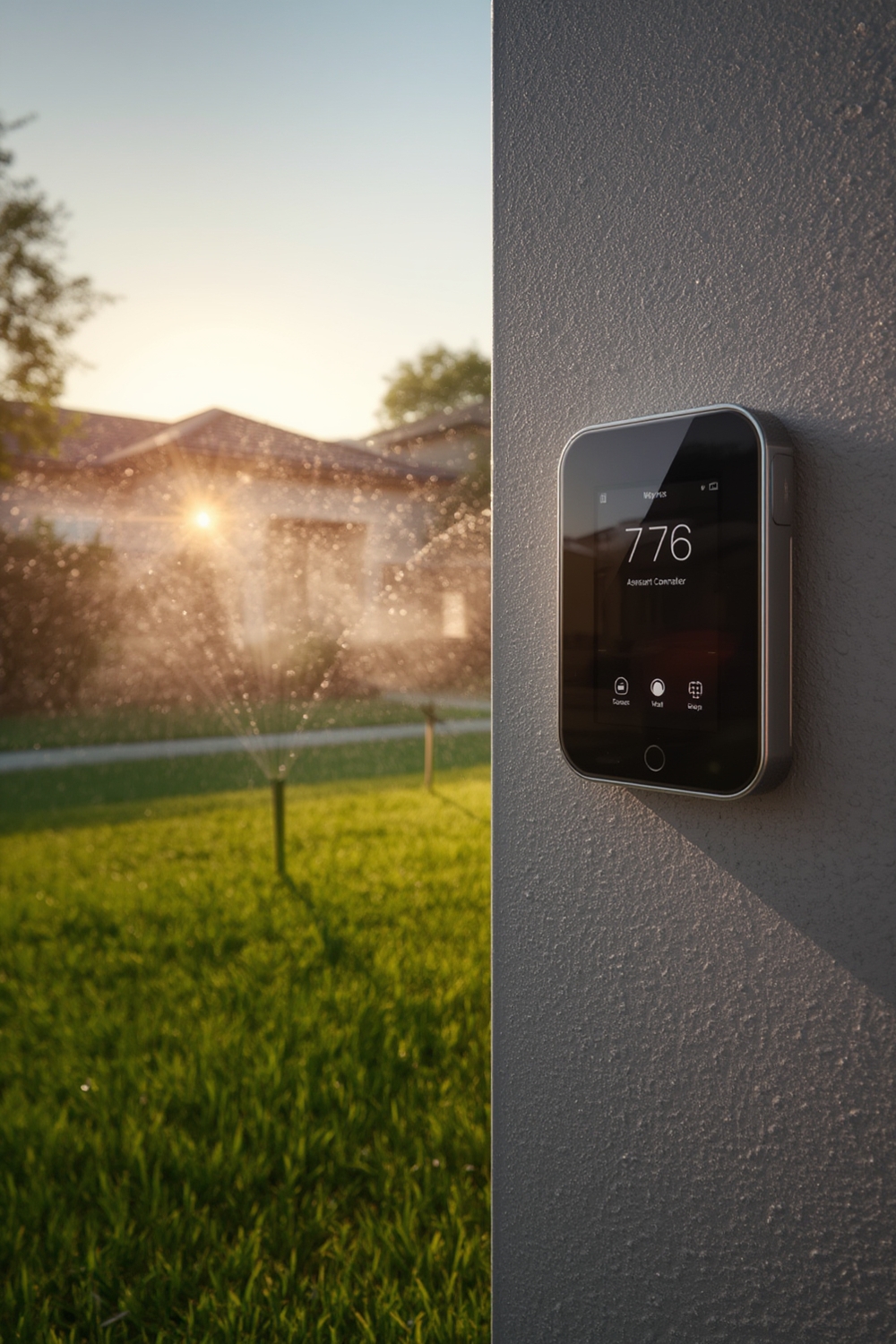
Key benefits include:
- Adjusting watering automatically for rain, temperature, wind, and soil saturation
- Remote control from your smartphone—change schedules or start/stop watering wherever you are
- Data tracking to help you measure and optimize water use, saving money long-term
With stricter regional water use regulations and rising utility costs, a smart sprinkler controller is becoming a must-have for both eco-conscious and budget-minded homeowners. They complement other water-saving strategies like drought tolerant grass and drip irrigation, amplifying your overall savings.
Step-by-Step: How to Get the Most from a Smart Sprinkler Controller
Ready to upgrade? Here’s a clear, realistic roadmap for evaluating, choosing, and maximizing a smart sprinkler controller for your home or small business:
-
Audit your current sprinkler system.
- Check the number of zones/valves you have—most smart controllers support 6 to 16 zones.
- Locate your existing controller and assess wiring accessibility.
- If your irrigation is outdated or complex, consider consulting a pro for installation (see “pitfalls” below).
-
Compare top devices by your real-world needs.
- If you want detailed weather automation and deep app control, choose a Rachio 3 (source).
- If you prioritize rugged hardware, manual fallback controls, and lower upfront costs, Rain Bird ST8 is a fit (source).
Both offer real water savings; your choice affects ease of use, weather intelligence, and troubleshooting down the line.
-
Purchase and install your unit:
- DIY is feasible for most users (under 30 minutes for Rachio 3; Rain Bird similar). Mark all wires before removing your old timer.
- Snap a reference photo to avoid zone confusion.
- Connect wires to spring or screw terminals, mount unit, and power up. Use included app to guide setup.
- Don’t forget to connect to Wi-Fi—otherwise most “smart” features won’t work.
-
Optimize watering schedules within the app:
- Enter each zone’s parameters—soil type, sun exposure, slope. This is where most people cut corners; accurate data yields better results.
- Enable “weather intelligence” or similar features to avoid watering on rainy, cold, or windy days.
- Customize for local compliance. If your area has watering bans or limits, configure schedules accordingly.
-
Monitor and adjust after the first month:
- Review app reports for skipped run days, water usage, and any errors.
- If you have a rain sensor, ensure the controller responds correctly. For maximum analytics (leak detection), consider adding a compatible Wireless Flow Meter.
- Fine-tune durations or frequencies as seasons change.
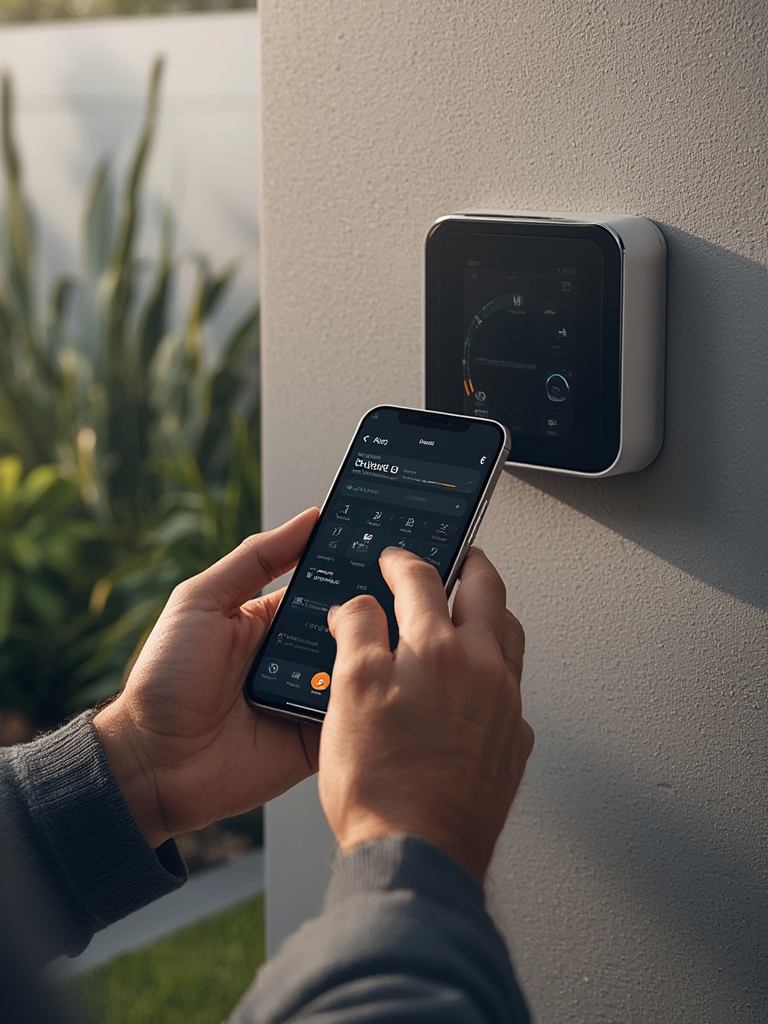
If you are connecting with other smart home devices (Alexa, Google Assistant, SmartThings), use routines to integrate watering triggers with real-time weather or “away mode” settings. Explore automation possibilities but always double-check that overrides don’t conflict with compliance rules or local watering bans.
For even more efficient, eco-friendly landscaping, see our guides to organic lawn fertilizer and clover lawns.
Advanced Analysis & Common Pitfalls
Setting up a smart sprinkler controller can save money and time, but there are real frustrations and limitations—most notably if your Wi-Fi is unreliable or you expect seamless, hands-free automation from day one.
| Feature | Rachio 3 | Rain Bird ST8 |
|---|---|---|
| Price | $229.99 (8-zone), sometimes $169.99 on promotion source |
~$160 (8-zone) |
| Zones Supported | Up to 16 | Up to 8 |
| Manual Controls | None (app control only) | Full manual LCD and buttons |
| Weather Data | Premium hyper-local data, auto rain/wind skip source |
Basic/seasonal; must install rain sensor for skip |
| Smart Home Integration | Alexa, Google, SmartThings, IFTTT | Alexa, Google |
| Water Monitoring & Leak Detection | Optional Wireless Flow Meter | None built-in |
| Reliability | Always requires Wi-Fi and power | Battery backup; works during outages; rugged |
| App Functionality | Detailed custom zone setup; soil/sun slope inputs | Basic, limited scheduling/calendar |
| Ongoing Fees | None | None |
Pitfalls to watch for:
- Connectivity dependency: Most “smart” features stop working if you lose Wi-Fi or if your router is far from the controller box. Always check signal strength at your installation site.
- App confusion: First-time setup (especially for tuning zones) can feel overwhelming. Spend extra time on the initial app walkthrough, and reference the official help docs or quality review sites (source) if you get stuck.
- Manual sensor requirements: Some controllers (notably Rain Bird) require a physical rain sensor for the “rain skip” feature to work—if not, you may waste water or violate local watering rules.
- No built-in leak detection (Rain Bird): Unlike the Rachio (which supports a Wireless Flow Meter add-on), Rain Bird offers no leak or abnormal flow alerts out-of-the-box.
- Lack of professional support: While most installs are DIY-friendly, complex legacy wiring, underground valve issues, or older systems may require a pro—expect labor to add $100 to $300 depending on region and complexity (not including repairs).
- Ongoing compliance management: Your smart controller only knows what it’s told—if your city changes watering rules, you must update schedules manually. For more on water-wise gardening, see xeriscape lawn strategies.
Common Complaints from User Reviews
- Rain Bird’s app is slower and less intuitive than competitors like Rachio (source).
- External Wi-Fi modules (Rain Bird) can create lag between app and hardware (source).
- Some controllers lack advanced analytics to fully track usage.
Costs and Savings: Are They Worth It?
- Device cost: Rachio 3 typically $229.99 (8-zone), but can drop near $169.99 on sale; Rain Bird ST8 hovers around $160—prices fluctuate with deals and new models.
- DIY install: Designed to take 30 minutes or less if your wiring is straightforward.
- Professional install: Needed if you have complex/old wiring or repairs. In these cases, factor in local labor costs (source).
- No ongoing monthly fees: Both systems work without subscriptions but some advanced integrations or flow meters on other models may carry optional costs.
- Water savings: Rachio reports up to 20% or more, especially in regions with erratic rain and seasonal swings (source).
- Rebates: Many local water utilities offer rebates or incentives for upgrading controllers, but availability changes fast—always check with your water provider before buying.
Long-term, smart controllers make sense for households seeking energy and water upgrades. Just don’t expect magic: input errors, Wi-Fi dropouts, or improper installation can limit savings or reliability. Set expectations, and you’ll likely end up satisfied.
Conclusion & Next Steps
A smart sprinkler controller like Rachio 3 or Rain Bird ST8 can dramatically increase watering efficiency, save time, and help you comply with local rules—but only if installed and configured carefully. Take time to evaluate your existing system, choose a model based on real needs (not just price or brand), and fine-tune schedules as seasons change. With accurate zone input and ongoing adjustments, you’ll get all the benefits the next time you use your smart sprinkler controller.
Ready for a smarter watering experience? Compare your options now, and consider pairing with advanced lawn solutions—from a deeper dive on irrigation controllers to adapting your yard for more drought-resistant grass.
Frequently Asked Questions
Are smart sprinkler controllers worth it for small yards?
Yes. Even on small properties, you can benefit from automated rain skip, better scheduling, and lower water bills. They also make compliance with local watering rules easier.
Do smart sprinkler controllers need Wi-Fi to work?
Most advanced features—like weather-based skips and remote control—do require Wi-Fi. Rachio 3 and similar devices lose many smart functions if Wi-Fi is lost, while Rain Bird retains basic manual control due to its onboard display.
Can I install a smart sprinkler controller myself?
Yes, if your wiring is modern and clearly labeled, most installations take about 30 minutes. If your system is older, unmarked, or has underground issues, professional help could be needed.
Is there a monthly fee to use features?
No. Both Rachio 3 and Rain Bird ST8 operate without a monthly subscription for core features.
How much water can I really save?
Properly configured, it’s typical to save 20% or more on your irrigation water use, especially if you replace a basic timer and use weather adjustment features. Actual results vary with climate and zone setup.
