

Self watering planters are transforming home gardening for beginners and experts alike. These innovative pots promise to simplify plant care, boost greenery indoors and out, and help save water—but what is hype and what is real in 2024? This guide delivers a precise, practical look at the self watering planter trend, the latest market numbers, how to succeed at setup, and what problems to avoid.
Key Takeaways
- The self watering planter market is booming globally with North America leading at a 36% share. Demand is high for low-maintenance, sustainable options.
- Real-world challenges like setup mistakes, neglected maintenance, or climate mismatches are rarely discussed—most competitor guides skip these pain points.
- Comparisons of brand performance, DIY versus commercial costs, and crop-specific planter choices are still majorly underexplored areas for gardeners.
- What Are Self Watering Planters and Why Choose Them?
- How to Use Self Watering Planters: A Hands-on Guide
- Advanced Analysis and Common Pitfalls with Self Watering Planters
- Conclusion
- Frequently Asked Questions
What Are Self Watering Planters and Why Choose Them?
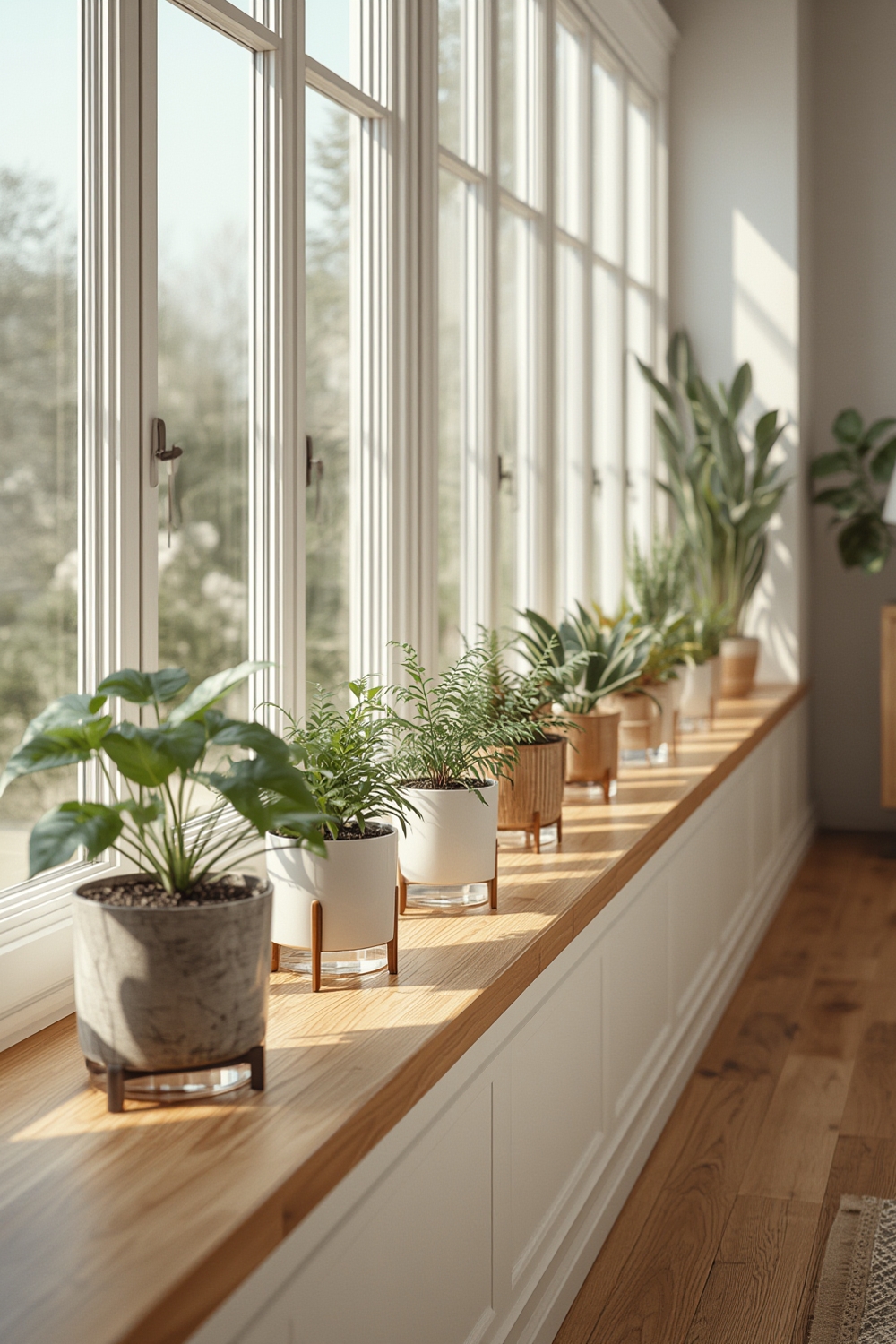
Self watering planters are containers with built-in water reservoirs and wicking systems to deliver moisture directly to plant roots as needed. Instead of constant top-watering, you fill a water compartment at the base—capillary action or a wick brings water up to the soil, keeping roots hydrated for days or even weeks. This system is popular with busy households, smart home fans, and anyone wanting to avoid common watering mistakes.
Recent market research shows self watering planters are a rapidly growing sector, projected to reach as high as $2.47 billion globally by 2033 (MarketIntelo, DataInsightsMarket). In 2024, North America holds 36% of the market share, led by a strong home gardening culture and focus on water conservation in the United States. The Asia Pacific region, especially China and India, is seeing the fastest growth due to rapid urbanization and environmental trends.
Modern self watering planters cater to a wide range of homeowners. Plastic dominates for affordability and durability (48% market share), while ceramics, metal, and glass are rising for those seeking premium or eco-friendly options. About 55% of sales are for indoor planters as interest in indoor greenery and biophilic design trends rise, supporting productivity and wellbeing. Online shopping now accounts for over a third of sales, and smart self watering planters with IoT integration are entering the mainstream (Valuates).
In short, if you want less guesswork and healthier plants—especially if you travel, work odd hours, or often forget to water—these pots offer a smart, practical solution.
How to Use Self Watering Planters: A Hands-on Guide
Getting the best results from self watering planters takes more than just filling the reservoir and hoping for the best. Here’s a step-by-step guide for flawless setup and care:
- Choose the right size and material. If you’re growing compact houseplants, most 8–12 inch pots suffice. For tomatoes or veggies, opt for a planter at least 12–18 inches deep with a 1–2 gallon reservoir for lasting hydration.
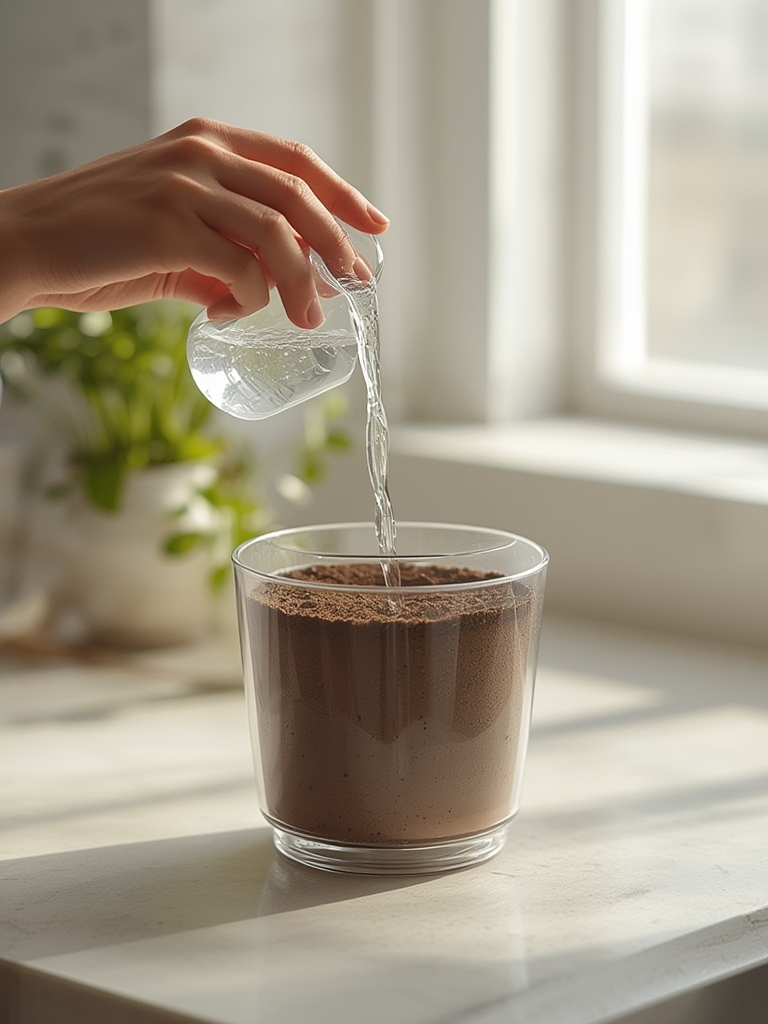
- Pre-moisten your potting mix. Thoroughly wet your soil before planting so the reservoir system “wicks up” water from day one.
- Plant as usual. Place your root ball and fill with prepared soil, avoiding compaction. If the planter has a dedicated wick, run it through the soil ball or root zone.
- Fill the reservoir. Add clean water to the maximum fill line, avoiding fertilizer lumps or debris that can clog the system.
- Monitor and refill. Use the water level indicator, or check and refill every 7–10 days for houseplants and every 3–5 days for fast-growing crops in warm weather.
- Fertilize carefully. Liquid fertilizers can build up in reservoirs—feed sparingly to prevent root burn or algae growth.
- Troubleshoot issues. If your soil stays soggy, check that the overflow drainage works. For bone-dry plants, re-prime the soil or check that no root clump blocks the wick.
- Seasonal tips. In hot climates or for outdoor setups, increase monitoring. Plant demands spike in summer, so reservoir size and frequency matter.
For specialized crops like tomatoes or herbs, look for systems rated at 12–24 inch depths and 2-3 liter reservoirs. Some DIY wicking containers can be assembled with two nested food-grade buckets, a PVC fill tube, a water-tight reservoir at the base, and a simple mesh separator. For more on DIY gardening projects, take a look at our DIY home improvement series or our dedicated drip irrigation guide for further water-saving ideas.
Advanced Analysis and Common Pitfalls with Self Watering Planters
Despite positive trends, there are real-world problems and common mistakes most guides skip. Research from leading market overviews confirms a gap: there’s almost no published data or user survey feedback about pain points, setup issues, maintenance needs, or plant failures (Archive Market Research). Here is what you need to know from real gardening experience:
- Priming skipped: If you do not saturate the potting mix before the first reservoir fill, the system may never deliver water to roots—plants wilt or die.
- Clogged/reservoir algae: Overuse of organic fertilizers or letting debris collect can clog wicks or promote algae in the water chamber. Always use clean water and periodically inspect/clean the reservoir.
- Root rot danger: If soil or the reservoir stays constantly wet, sensitive plants (succulents, cacti, or some herbs) may rot. Choose fast-draining soil, and ensure your planter’s overflow works.
- Climate mismatch: In arid or hot climates, evaporation and plant uptake can outpace the reservoir’s capacity—planters dry faster than advertised. In cold, low-light, or humid regions, water may linger, encouraging pests or fungus.
- Undersized reservoirs for crops: Many mass-market planters are too shallow for plants like tomatoes, eggplants, or large tropicals—roots dry out, growth stalls, or you resort to daily refills, losing the convenience edge.
| Feature | Commercial Planters | DIY/Wicking Planters | Problem/Consideration |
|---|---|---|---|
| Reservoir Size | Varies; often 1-3 liters (small); up to 20+ liters (large) | Can be sized for need but often limited by container source | Too small—needs constant refilling for big plants |
| Material/Build | Mostly plastic (48% market), some ceramic/metal/glass | Food buckets, totes, upcycled bins; durability varies | DIY containers may degrade in sunlight or change water safety |
| Drainage/Overflow | Generally engineered with overflow | Depends on DIY skill; easy to skip or misplace overflow | Poor drainage risks root rot or indoor water mess |
| Cost | $10–$100+, depending on size and feature | $5–$30 in parts, but time and leak proofing required | Time vs. convenience; mistakes lead to failed crops |
| Crop Specificity | Few are sized for big crops (e.g. tomatoes) | DIY can be tailored to crop, but less plug-and-play | Wrong match = poor plant health, headaches |
Other pitfalls involve picking self watering planters that stand out for aesthetics but underperform functionally, especially for larger or high-need crops. Before investing, consider consulting our guides to garden shade cloth to optimize outdoor setups, or companion planting chart for getting the most from your vegetable containers.
Conclusion
Self watering planters have revolutionized both home and urban gardening, rising fast in popularity for their promise of low-maintenance greenery and smarter water use. Still, most mainstream advice leaves out crucial details—like how to properly prime, match reservoir sizes, and dodge root rot or algae problems. If you want confidence and real results, take the time to pick the right size and style for your needs, set up with care, and adapt for your plants and climate. For expert advice on pairing planters with watering solutions, check our articles on soaker hoses and soil moisture sensors as well. Ready to bring effortless green to your home? Browse, plan, and try a self watering planter today for a healthier, more beautiful space.
Frequently Asked Questions
How long does a self watering planter last before needing a refill?
Most self watering planters can go 7–14 days before refilling for indoor houseplants. Outdoor or thirsty crops may need water every 3–5 days, especially in hot weather or if the planter is small.
Do self watering planters work for all types of plants?
They work well for most houseplants and many vegetables or herbs. Avoid using them for drought-tolerant succulents or cacti, since constant moisture can cause root rot.
Are DIY self watering planters as effective as commercial models?
DIY setups can be just as effective if sized correctly, fully leak-proofed, and provided with good overflow drainage. Commercial models may offer more reliable assembly and features.
Can I use fertilizer in a self watering planter?
Yes, but use diluted liquid fertilizer sparingly. Fertilizer can build up in the reservoir or wick and harm roots. Clear out and rinse the system between feedings.
What is the most common mistake with self watering planters?
Forgetting to thoroughly wet the potting soil before initial setup, which can prevent water from wicking up and leave plants dry.
