

pre emergent herbicide is your first—and often best—line of defense against invasive crabgrass, but using it well is more nuanced than just tossing granules before spring. Homeowners and pros both face real challenges around timing, product choice, and consistent coverage. This guide goes beyond basics, giving you science-backed instructions and hard-won tips to help your lawn stay free of crabgrass all season.
Key Takeaways
- Apply pre emergent herbicide before soil temperature hits 55°F for multiple days—timing is critical for real success.
- Double applications and cultural practices like mowing height dramatically improve crabgrass control longevity.
- Not all products provide equal season-long control; understanding the differences prevents wasted money and effort.
- What Is Pre Emergent Herbicide—and Why Timing Matters
- Step-by-Step Guide to Pre Emergent Herbicide Application
- Advanced Analysis & Common Pitfalls
- Conclusion
- FAQ
What Is Pre Emergent Herbicide—and Why Timing Matters
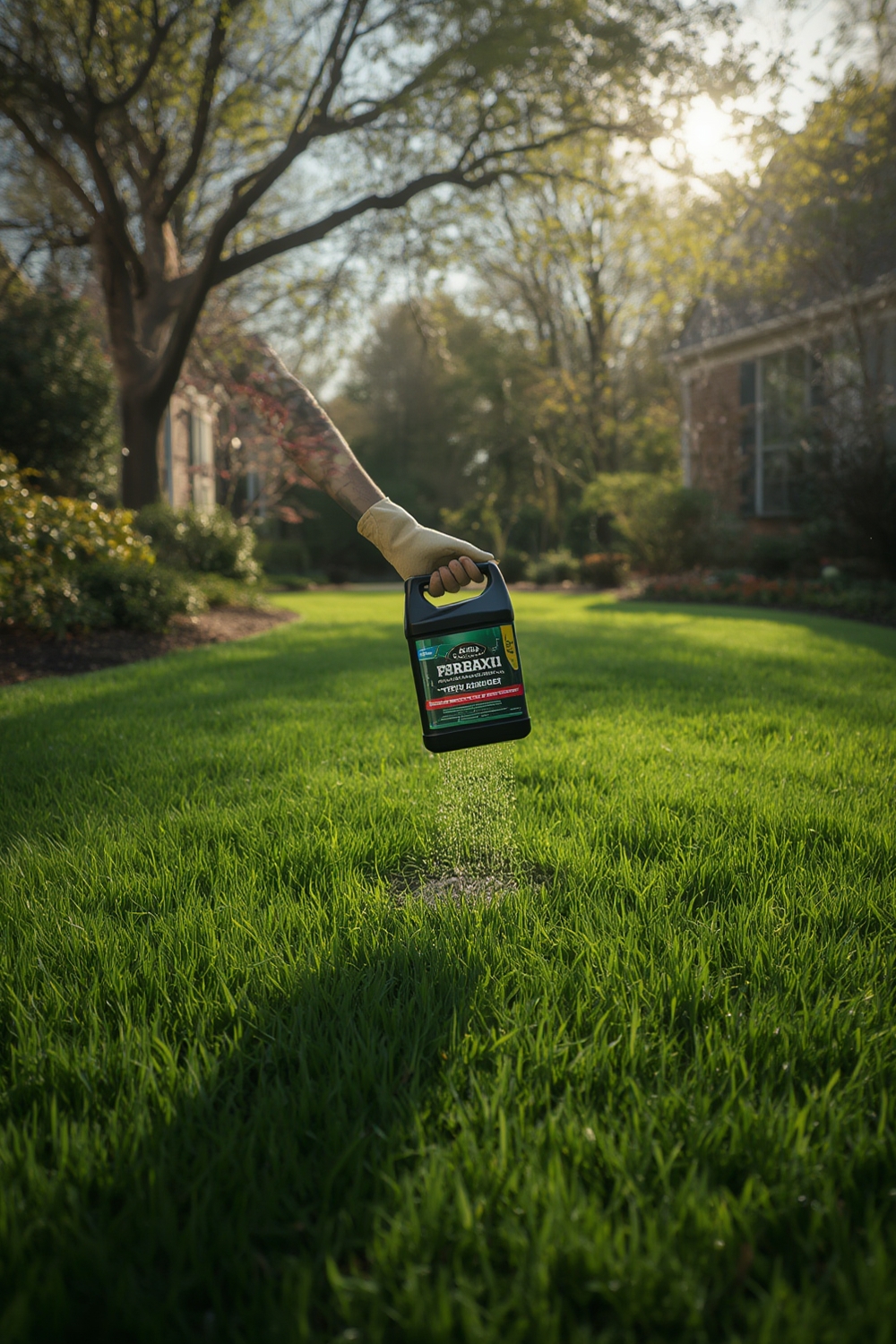
Pre emergent herbicides are granular or liquid products that, when applied correctly, prevent problematic annual weeds like crabgrass from establishing in your lawn. They do this by inhibiting seedling development, not by stopping the actual seeds from germinating. Their effectiveness is highly dependent on when and how you apply them: too late, and crabgrass seedlings will escape and infest your turf. Too early, and the product may degrade before the main germination window even starts.
Universities, including the University of California Riverside, confirm that all tested pre emergent herbicides (when applied at proper rates and times) deliver at least 12 weeks of crabgrass control. However, the durability of that control varies. Single applications often start fading in midsummer, just as second germination waves arrive. Doubling up—applying again six weeks later—extends your protection deep into the season.
Step-by-Step Guide to Pre Emergent Herbicide Application
-
Know Your Window
Track soil temperatures—not just calendar dates. Apply when soil is steadily 53–55°F at 1–2 inches deep for at least three days. Depending on your region, this could range from late February (warm states) through early April (cooler regions like East Tennessee). Many rely on the classic “apply before forsythia blooms fade” method for guidance. -
Select the Right Product
Popular choices include Prodiamine (Barricade, Sta-Green), Dithiopyr (Dimension, Preen), and newer “combo” products like Crew. If you have a fine fescue lawn or plan to seed this spring, avoid Prodiamine, as it can harm young turfgrass. -
Read and Calculate Your Rate Accurately
Most research uses large-scale rates, like 150–200 lbs/acre, but for home lawns you’ll follow the manufacturer’s label (often 2–4 lbs per 1,000 sq ft— -
Apply Evenly on a Dry Lawn
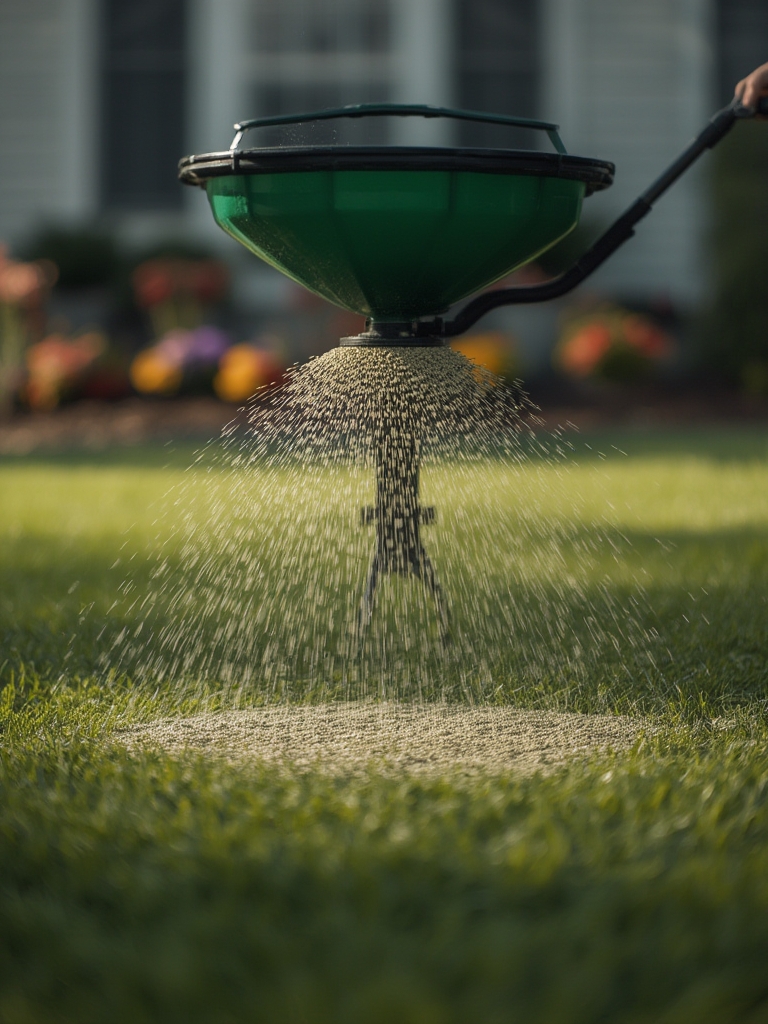
Use a quality broadcast spreader. Walk at a steady pace in overlapping rows. For max coverage, split your total amount and spread half in each direction (north-south, then east-west). -
Water In—But Only Enough
After application, water lightly (about 0.5 inches). Don’t overwater or product may leach away. Check your irrigation system or review low-waste options like soaker hoses. -
Repeat As Needed
For season-long control, especially in high-pressure crabgrass areas, repeat your application six weeks after the first. This two-pass method outperforms a single heavy application every time. -
Maintain Healthy Turf
A dense, well-fed, and properly mowed lawn chokes out crabgrass better than herbicide alone. A robust lawn also recovers faster if minor mistakes are made.
check the bag!). Applying less than labeled rates is the top cause of failure besides timing. If you’re unsure, measure twice—a good lawn leveling rake helps reveal your true area and spreading efficiency.
For more organic alternatives and a different approach to weed control, see the organic weed control strategies you can pair with or use instead of chemicals.
Advanced Analysis & Common Pitfalls
While pre emergent herbicide is essential for crabgrass prevention, real-life application is rarely perfect. Below are the most common problems (and their fixes), drawn from recent university research and field experience.
Comparison Table: Single vs. Double Pre Emergent Herbicide Application
| Application Type | Weeks of <10% Crabgrass Cover | Weeks to <50% Suppression Ends | Season-End Crabgrass Cover (%) |
|---|---|---|---|
| Single Application (150 lbs/A) | 12 | 16–17 | 52–70 (varies by product) |
| Double Application (150 lbs/A, 6-week interval) | 12–14 | >18 | 41–59 (best products) |
Top Mistakes and How to Avoid Them
- Mistimed Application: Applying before soil consistently reaches 53–55°F or after the first crabgrass has sprouted reduces coverage drastically. Always use temperature, not just calendar date, for planning.
- Skipping Repeat Treatments: Most products fail to control the late-summer flush unless reapplied. Mark your calendar for a six-week follow-up.
- Misunderstanding Product Function: Pre emergent does not kill established weeds. If you see crabgrass, spot-treat with a post emergent or use products like Dithiopyr very early in infestation.
- Over- or Under-Applying: Over-applying Prodiamine, for instance, can damage desirable turf (like fine fescues); too little and you waste time, effort, and money for reduced or no results.
- Ignoring Cultural Practices: Thin, scalped, or malnourished lawns invite crabgrass even with good chemical control. Regular mowing at the right height and optimal feeding, with organic lawn fertilizer or conventional options, boosts herbicide performance.
- Assuming All Products Last the Same: Some brands like Prodiamine last longer, while Dithiopyr offers bonus short-term post emergence activity but less residual effect. Check the actual active ingredient and performance window.
- Neglecting Rainfall/Irrigation: Too much water after application = wasted product. Too little can leave granules sitting on the surface, reducing activation.
If you’re planning lawn upgrades or have issues with patchy turf, check our bermuda grass seed guide or explore clover lawns for alternative solutions that naturally fight weeds.
Subtler Pitfalls Seen in the Field
- Heavy application after winter injury can worsen turf stress (especially for bermudagrass).
- Sparse turf, shade, or compacted soils reduce product efficacy, no matter your diligence.
- Trying to control crabgrass “organically” with chemical expectations usually leads to disappointment—combining cultural and minimal chemical measures is better than “organic or nothing”.
Learn how sustainable practices and mulch alternatives can supplement your lawn care routine for even better weed suppression.
Conclusion
Getting the most out of pre emergent herbicide depends on science, not luck. Apply as soon as soil temps hit 53–55°F and don’t rely on a single pass or just the label rate—double application and good lawn health practices are critical. Compare the performance and cost of crabgrass preventers if you want value, and remember that no product will overcome poor timing or turf neglect. Make these strategies your new habit, and crabgrass will no longer rule your summer.
Ready to select and apply your pre emergent herbicide? Start tracking soil temps now, review your chosen product’s label, and take the extra steps for a truly crabgrass-free lawn this year!
FAQ
When exactly should I apply pre emergent herbicide?
Apply when soil temperature at 1–2 inch depth reaches 53–55°F for three to five consecutive days. This usually falls between late February and early April, depending on your region. For a visual cue, apply before the last forsythia blooms drop.
Can I use pre emergent herbicide if I plan to seed the lawn this spring?
Most pre emergents—including Prodiamine—will prevent grass seed from germinating. Hold off on seeding until the following season or use a product labeled as safe for new seed if absolutely necessary.
What happens if I miss the correct timing?
Applying too late greatly reduces or eliminates weed prevention. Once crabgrass sprouts, only specific post emergent products or combos can help, and control will be far less effective.
Is it better to use one heavy application or two lighter ones?
Research shows a split application—at label rate, six weeks apart—offers longer and more robust control, especially for lawns with repeated crabgrass problems.
Does pre emergent herbicide harm pets or pollute the environment?
Most products are safe when used as directed. Water in granules after application, and keep pets and kids off until the lawn dries. Consider pairing with a robot lawn mower to minimize disturbance and improve recovery.
