

Grow lights for plants are essential for anyone starting seeds indoors or looking to maximize plant growth and yields inside. If you want healthy seedlings, vibrant greens, and real success with indoor gardening, understanding the right grow lights for plants makes all the difference—and the risks of getting it wrong are real.
Key Takeaways
- Full spectrum LED grow lights, especially those supplementing deep red and far red light, drive faster, healthier seedling and plant growth than old red/blue-only styles.
- Big wins include up to 79% increased biomass and lower electricity costs, but missteps like placing lights too close or poorly managing schedules can ruin seedlings.
- Smart grow light choices require honest evaluation—watch out for overhyped marketing, carefully check energy specs, and always pay attention to plant response.
- Understanding Grow Lights for Plants: What Works and Why
- Grow Lights for Plants: Step-by-Step Setup for Seedlings and Indoors
- Advanced Analysis & Common Pitfalls with Grow Lights for Plants
- Conclusion: What Matters Most for Indoor Plant Lighting
- Frequently Asked Questions
Understanding Grow Lights for Plants: What Works and Why
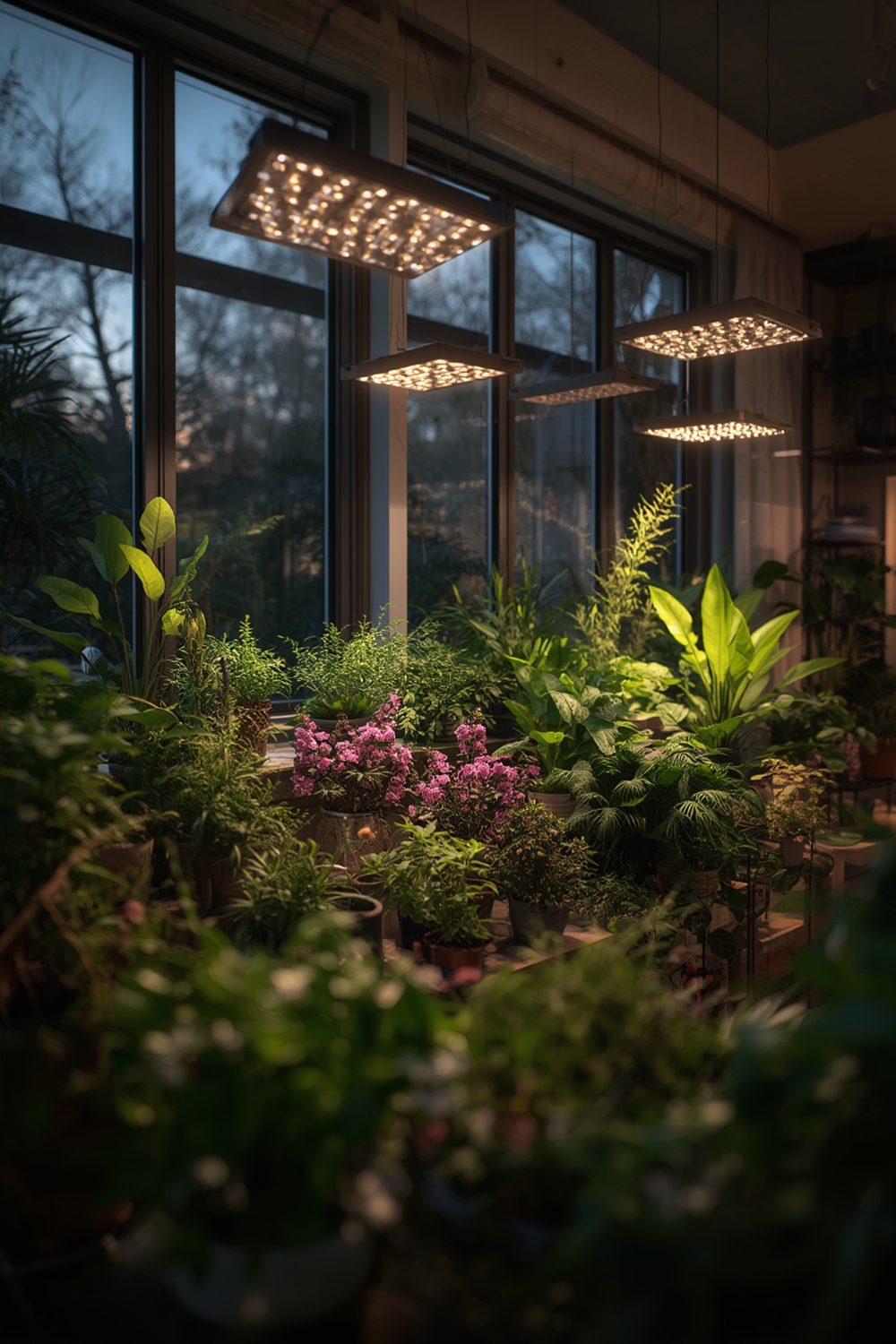
Grow lights for plants have evolved fast. The best options now mimic sunlight using broad “full spectrum LEDs“, often with added deep red (660 nm) and far red (730 nm) wavelengths. These set-ups increase the biomass, number of leaves, and canopy size of seedlings and mature plants alike, according to recent peer-reviewed scientific research.
Old red-and-blue-only lights are outperformed by broad-spectrum LEDs, which boost fresh weight by up to 79% in basil and lettuce. Green light (included in full spectrum) even penetrates deeper into plant canopies, ensuring even seedling development. Energy savings are substantial, with modern LEDs 90% more efficient than older high-pressure sodium (HPS) lights and capable of reducing water use by 40% in controlled farm studies.
Want reliable seedling growth? Choose adjustable full-spectrum LEDs, and learn to tweak settings for each growth phase. You’ll get robust, resilient plants and real results indoors.
Grow Lights for Plants: Step-by-Step Setup for Seedlings and Indoors
Proper setup of your grow lights for plants is the foundation for happy seedlings. Here’s exactly how to do it any time of year:
-
Choose the right grow light for your goal.
Full spectrum LEDs with both deep red and far red output are best for nearly all vegetables, herbs, and leafy plants. Look for units rated above 3.0 µmol/J in photon efficacy and ensure the light covers your entire seed tray or grow area.
If you’re on a budget, consider LED grow strips, but ensure they are “full spectrum,” not just red/blue. -
Set up your grow space.
Keep seedlings in a clean location with stable temperature and humidity (avoid spots prone to cold drafts). Reflective surfaces—like mylar sheets—around the sides help maximize light exposure. -
Properly position your lights.
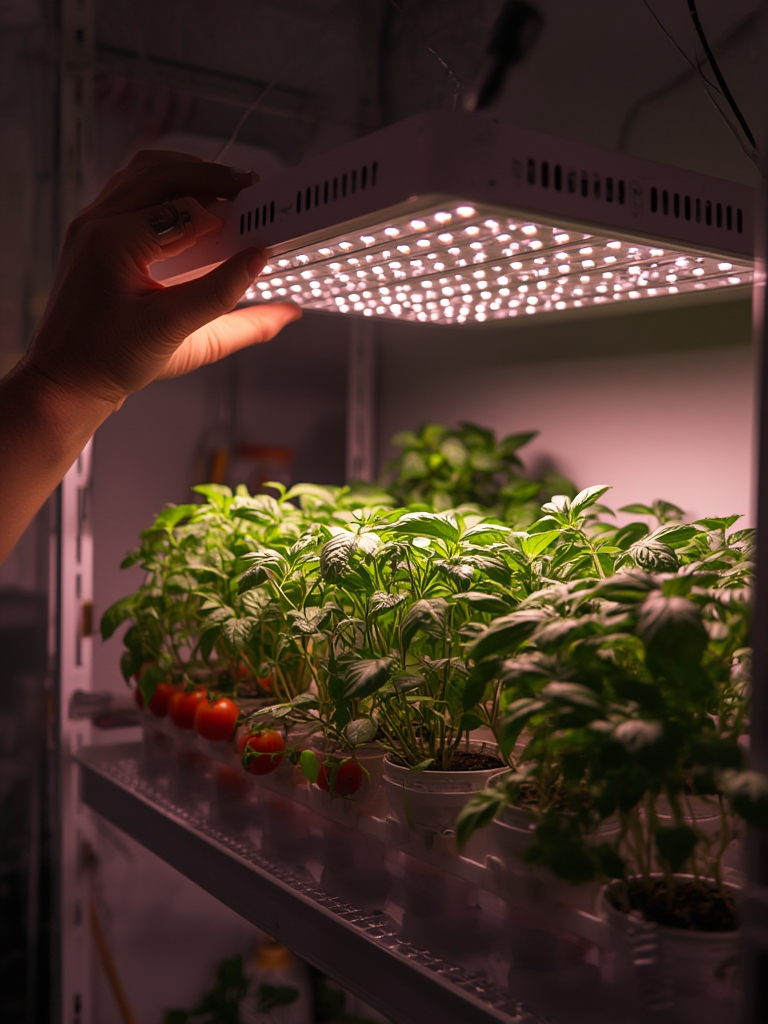
Place LED grow lights about 4–12 inches above seedlings at first. For fluorescent fixtures, set them 2–6 inches overhead. Full spectrum bulbs tend to run cooler, but always check for gentle warmth at plant height (never hot). Raise the lights as seedlings grow to avoid “light burn.” -
Set your lighting schedule.
Most seedlings thrive with 14–16 hours of light daily, then a true dark period. Use an outlet timer to maintain consistency. Too much light can stress young plants, while too little leads to leggy, weak stems. -
Monitor and adjust based on plant response.
Evaluate every few days. If plants lean or stretch, move lights closer. Curling, yellowing, or dry tips may signal lights are too close or too intense.If you’re serious about efficiency, AI-integrated LEDs can further cut energy use by 35% and maximize biomass based on real-time feedback (source).
For truly resilient results, integrate your grow light techniques with proper soil moisture monitoring. Learn about soil moisture sensors for even better growth control.
And don’t forget: clean your light fixtures and check for dust weekly. Even a thin dirt layer can block significant light output.
If you’re planning a larger setup, pairing grow lights with drip irrigation makes indoor gardening practically automated.
Advanced Analysis & Common Pitfalls with Grow Lights for Plants
LED grow lights may seem simple on paper, but real-world usage exposes several frequent problems:
- Light burn and stunted growth: Placing LED fixtures too close leads to leaf spots, burnt tips, and irreversible seedling stress. Start higher, lower gradually.
- Poor spectrum selection: Cheap red/blue-only bulbs will often yield weaker, leggier seedlings compared to true full spectrum. Stem elongation and pale leaves are common warning signs.
- Mistiming light cycles: Inconsistent or excessive hours of light can stress or shock young plants. Always use a timer and review the schedule monthly as seasons (and household routines) change.
- Forgetting routine maintenance: Dust, failed fans, and dead LEDs reduce light intensity over time. Clean your fixture every 1–2 weeks, and check for signs of failing components.
- Incorrect expectations for cost or lifespan: While high-quality LEDs run cool and last thousands of hours, many bargain fixtures fail within a year. Verify warranty terms and quality—market data agrees lifespan is a key advantage only for reliable brands (source).
| Light Type | Photon Efficacy (µmol/J) | Heat Output | Expected Lifespan | Best For | Key Downsides |
|---|---|---|---|---|---|
| Full Spectrum LED | ≥3.0 | Low | 30,000–50,000 hrs | Seedlings, herbs, leafy greens, small fruiting plants | May cost more upfront |
| Red/Blue LED Strip | 1.5–2.3 | Low | 5,000–15,000 hrs | Limited, short-term tasks | Poor growth, weak stems |
| Fluorescent (T5/T8) | 0.9–1.7 | Moderate | 7,000–10,000 hrs | Low-cost seed starting | Larger energy use, frequent bulb replacement |
| HID (HPS/MH) | 1.3–1.8 | High | 10,000–24,000 hrs | Large commercial grows | Much heat, fire risk, high energy bills |
Keep in mind: Cheap is not always economical. Bargain LEDs may die long before their promised lifespan, with no way to repair them. Also, few truly inexpensive fixtures offer effective warranties, making your investment risky if using them for more than a single season.
If you’re into serious gardening, combining your grow light learnings with weed control helps get the most from every harvest. Check our full organic weed control guide to keep your plant babies safe.
For those struggling with low humidity or airflow indoors, consider integrating with garden shade cloth systems or adding low-watt fans for better air circulation and plant resilience.
Conclusion: What Matters Most for Indoor Plant Lighting
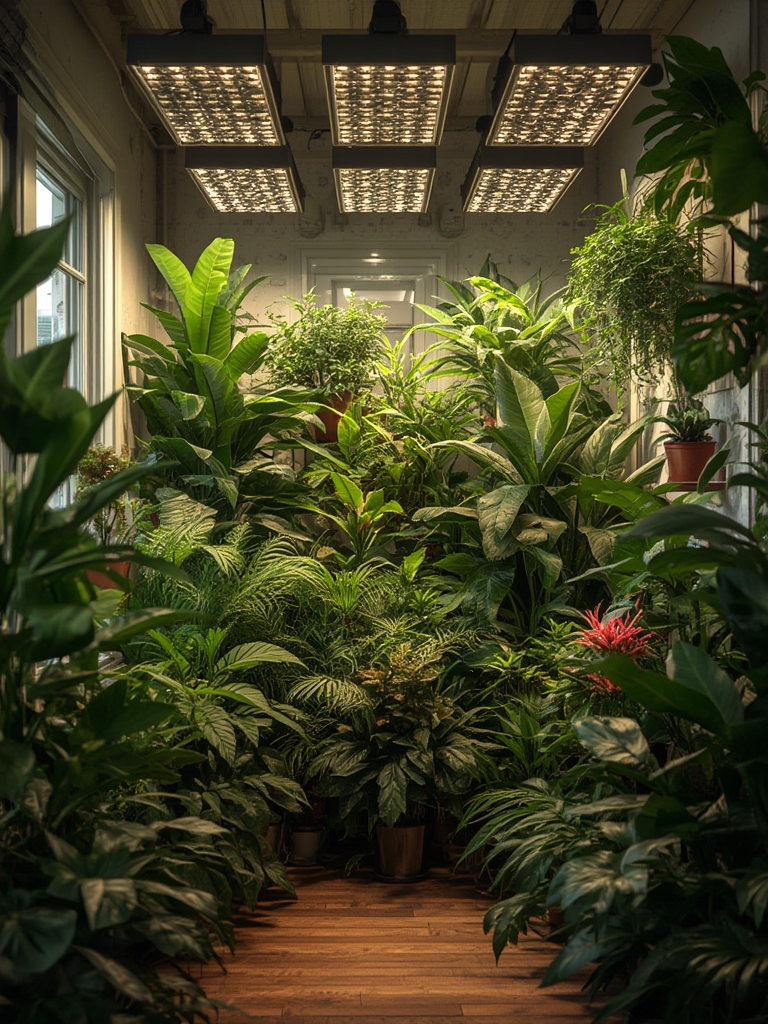
The latest research leaves no doubt: full spectrum grow lights for plants are a game changer for seedling health, yield, and indoor gardening costs. Prioritizing quality LEDs with broad, sunlight-mimicking output gets you stronger plants, bigger harvests, and fewer headaches than shortcut solutions.
Ready to start growing stronger, faster, better? Invest in a proven grow light system and watch your indoor garden thrive—no experience required. For more gardening essentials, check out our complete hula hoe guide, or explore clever ways to automate and save water with smart irrigation controllers.
Frequently Asked Questions
Can I use any LED light as a grow light for plants?
No, ordinary LEDs usually do not produce the mix of wavelengths plants need for balanced growth. For best results, buy LED fixtures labeled “full spectrum” or plant-specific, preferably with deep red and far red output for seedlings.
How far should grow lights for plants be from seedlings?
Start full-spectrum LEDs 4–12 inches above seedling trays. For fluorescent lights, place them 2–6 inches overhead. Adjust as seedlings grow to prevent light burn or leggy growth—check often and raise the lights as plants mature.
How long should grow lights for plants stay on each day?
Most seedlings thrive with 14–16 consecutive hours of light followed by 8–10 hours of darkness. Use an automatic timer to stick to a consistent schedule for best development and health.
What is the typical lifespan of a LED grow light?
Quality full-spectrum LED grow lights typically last 30,000–50,000 hours, but cheap units may fail within a single season. Always check the manufacturer’s warranty and user reviews before choosing a fixture.
Should I worry about energy costs with LED grow lights?
Modern LED grow lights are very energy-efficient (over 3.0 µmol/J), using up to 90% less energy than old HPS systems. Expect affordable running costs, especially if you use fixtures with dimming or smart controls.
