

Xeriscape lawn is one of the most practical ways to cut your outdoor water use in half (or more) with smart plant choices and design. If you’re tired of high bills, patchy grass, or hours spent mowing, this approach is a proven alternative that’s taking off in 2024. Here’s what it really takes to create and care for a xeriscape lawn—without any sugarcoating.
Key Takeaways
- You can save 50–75% on landscape watering by switching to xeriscape lawn design, compared to traditional grass lawns.
- Xeriscape lawns require much less maintenance and virtually no mowing, thanks to native plants and ground covers.
- Improper design and ignoring local climate needs are common reasons xeriscape lawns fail—plan carefully to avoid excessive heat or dull results.
- What Is Xeriscape Lawn and Why Does It Matter?
- How to Create a Xeriscape Lawn: Step-by-Step
- Advanced Analysis & Common Pitfalls
- Conclusion
- Frequently Asked Questions
What Is Xeriscape Lawn and Why Does It Matter?
A xeriscape lawn replaces the water-hungry turf grass with a carefully designed mix of drought-resistant plants, ground covers, rocks, and mulch. The core goal? Massive water savings—typically 50 to 75 percent—while slashing time and effort spent mowing and fertilizing. By using plants suited to your exact climate and soil, xeriscaping creates a lawn that’s both sustainable and much easier to maintain.
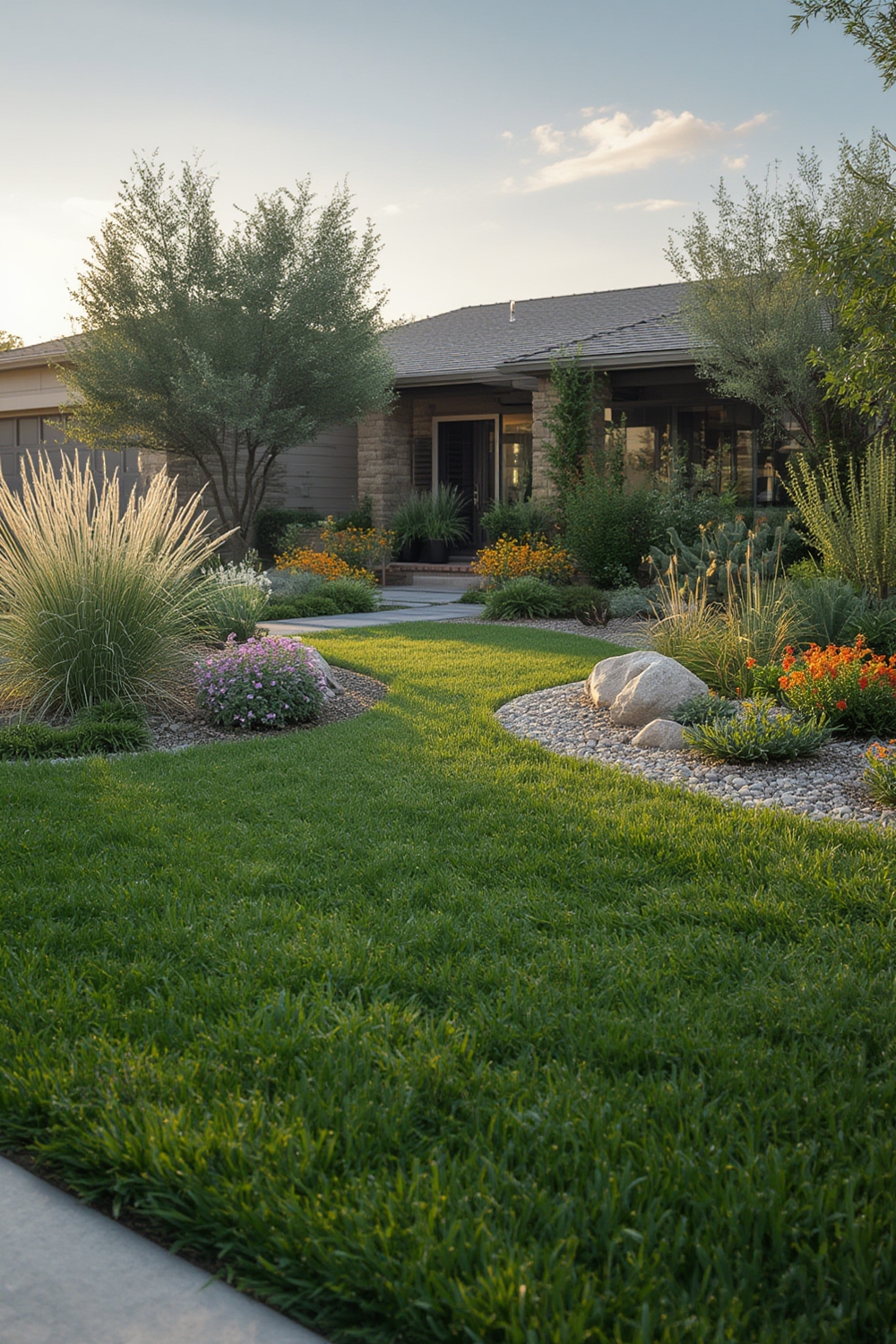
With outdoor landscaping accounting for up to 60 percent of all residential water use in drought-prone places, xeriscape lawns offer a big impact on your water bill and the environment. Efficient hydrozoning groups plants by water needs, so you’re not wasting resources or time. No more endless spreading of fertilizer or scrambling for specialty weed killers—the right plant mix naturally resists pests and diseases.
If you like functional, natural spaces with less routine lawn stress, opt for xeriscaping. For those interested in even more eco-friendly strategies, exploring options like clover lawn or reviewing drought-tolerant grass choices can also be helpful.
How to Create a Xeriscape Lawn: Step-by-Step
-
Assess Your Site and Plan Carefully
Measure sun, shade, and water flow patterns. Get a soil test. Know your USDA zone, then draw a rough plan that maximizes areas with low water needs. -
Remove Existing Lawn
Cut out sod, cover with cardboard, or use solarization (plastic sheeting in the sun) to kill turf. Compost clippings if possible. -
Amend and Grade Soil
Loosen compacted dirt and mix in compost if needed. Slope soil away from structures to avoid water pooling. -
Install Irrigation (If Needed)
Use drip irrigation for plant groups needing occasional water. Add a smart irrigation controller for ultra-efficient watering. -
Select and Arrange Drought-Tolerant Plants
Mix groundcovers (like sedum, thyme, or native grasses), shrubs, and color spots (sage, ferns, succulents). Use local native plants when possible. -
Add Hardscape Features
Include paths with pavers, mulch, or decorative rocks. Avoid too much bare ground, especially in hot climates, to prevent higher evening temperatures. -
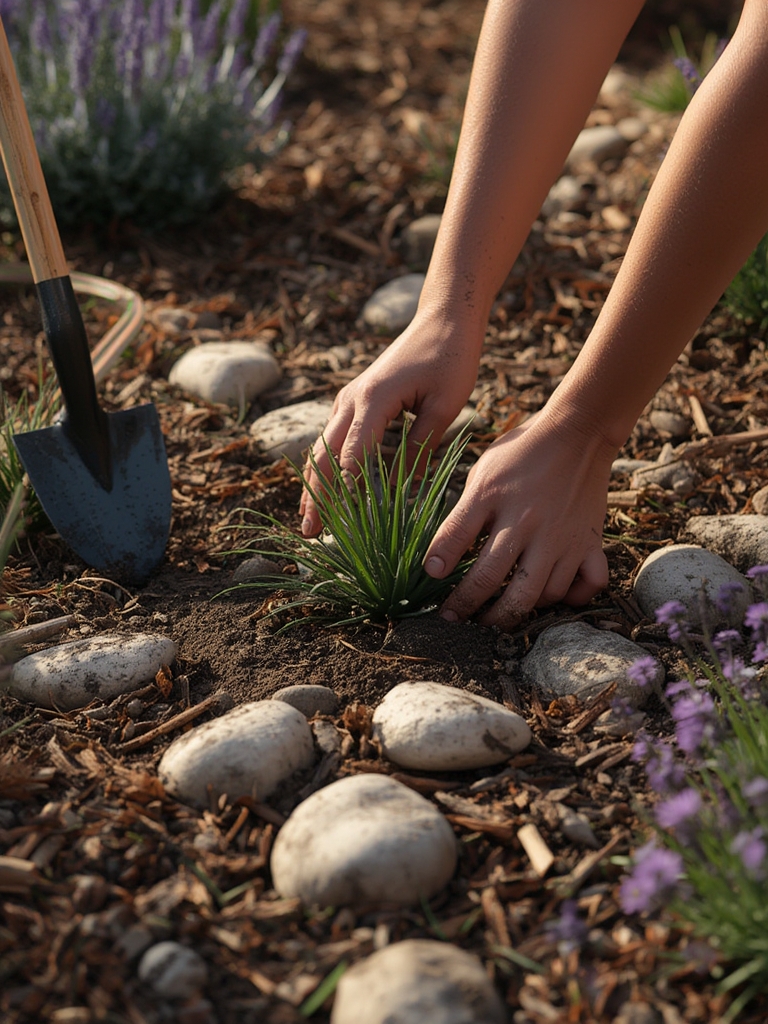
Mulch and Maintain
Top exposed soil with 2-4 inches of mulch. Weed by hand or with simple tools such as the hula hoe or hula hoe. Water as needed (usually infrequent), trim ground covers, and inspect for invasive weeds.
Don’t forget to check local rebate programs—many cities now offer rebates for turf removal or rain-smart landscaping. For creative mulch solutions, our mulch alternatives guide breaks down modern, eco-friendly options.
Advanced Analysis & Common Pitfalls
Despite their benefits, xeriscape lawns can go wrong if you ignore local conditions or cut corners on planning. Here are some realistic pitfalls and an analysis of installations, costs, and climate effects:
| Aspect | Traditional Lawn | Xeriscape Lawn |
|---|---|---|
| Water Use | High (can exceed 20,000 gal/year) | 50-75% less (often 4,000-8,000 gal/year) |
| Maintenance | Weekly mowing, fertilizing, constant weeding | Occasional trimming, weed prevention via mulch |
| Upfront Cost | Lower for DIY sod; can be high for large lawns | May be higher for design and native plants, but savings grow yearly |
| Heat Effect | Cools yard slightly if well irrigated | Unshaded xeriscape may be 1-4°C warmer by evening, especially with bare rock or soil |
| Biodiversity | Poor (one species) | High (supports pollinators, birds, soil life) |
Common pitfalls include:
- Poor plant selection: Using non-native or water-loving plants that struggle or die without regular irrigation.
- Too much bare ground: Makes the yard hotter; use mulch and ground covers to counteract.
- Skipping soil prep: Leads to drainage problems and plant failure.
- Unrealistic expectations: Xeriscape lawns don’t always look lush and green like traditional sod—expect a more natural, possibly wilder look, especially early on.
- Over-reliance on rock: Full-rock yards are not true xeriscapes and can look sterile, heat up excessively, and discourage wildlife.
Costs can vary, but recent research suggests ongoing maintenance costs drop by 87% once established. Most of your savings will come from water and mower gas not used. In places like Flagstaff, Arizona, this equals $275 saved yearly by eliminating 8,000 gallons of wasteful watering, and similar numbers apply elsewhere. For hands-on garden tool tips, using well-designed weeding tools like the hula hoe further reduces effort and time.
Keep in mind: Leading competitor articles rarely discuss these challenges or the reality that xeriscaping’s biggest “fail” is copying glossy magazine examples that don’t match your space, sun, or climate.
Conclusion
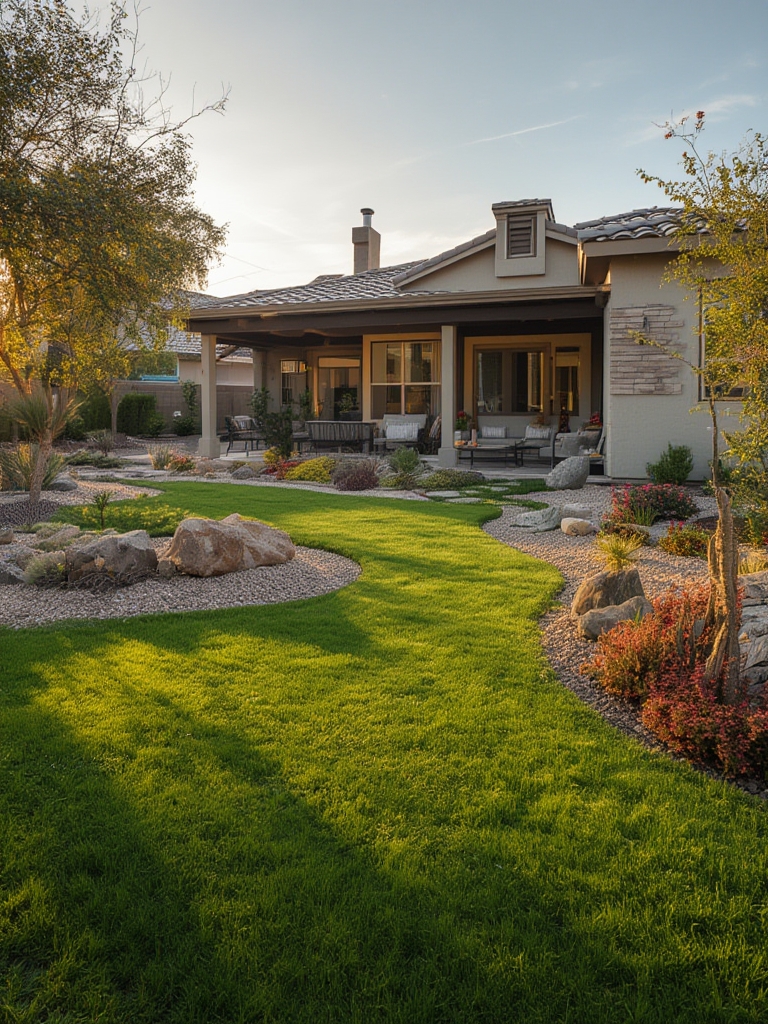
Done right, xeriscape lawns cut water consumption and ongoing maintenance to a fraction of what the average yard requires. This means lower bills, less time working with noisy tools, and a landscape that supports pollinators and wildlife. If you plan your xeriscape lawn with local plants, effective hydrozoning, and realistic expectations, you’ll enjoy year-round rewards. Ready to ditch your thirsty turf? Start today—your wallet and the planet will thank you.
Take the next step: Download a soil test or consult local native plant guides, then map your space for hydrozones. For more guides on sustainable yard solutions, check our sustainable building materials article and see how to further reduce your home’s environmental impact.
Frequently Asked Questions
How much water can I realistically save with a xeriscape lawn?
Most homes cut landscape water use by 50 to 75 percent after switching to xeriscape lawn. Exact savings depend on your climate, previous irrigation habits, and plant choice.
Does a xeriscape lawn look as good as a traditional lawn?
Xeriscape lawns offer a more natural look—sometimes colorful and blooming, other times more muted. If you want perfectly green, flat “lawn” year-round, a xeriscape will be quite different. It thrives with less care but may never look like classic sod.
What are the best plants to use in xeriscape lawns?
Native plants adapted to your local soil and weather are best. Examples: sedum, sage, succulents, lacy ferns, some ornamental grasses. Flowering varieties attract pollinators and need minimal watering once established.
Are there any downsides or risks with xeriscaping?
If you design with too much bare rock or soil and little shade, your yard can feel hotter—by up to 4°C—compared to traditional turf, especially in dry cities. Also, choosing non-native plants or skipping soil prep may lead to plant failures.
Can I get rebates or financial help for switching to xeriscape?
Yes—many cities and water utilities offer rebates or incentives for removing turf and installing water-wise landscaping. Check with your local water agency or see EPA’s WaterSense for programs in your area.
