

Taste of the Wild dry dog food is a popular choice among dog owners looking for grain-free, high-protein kibble formulas inspired by ancestral canine diets. But does it actually deliver on nutritional value, safety, and real-world palatability? This realistic, actionable review strips away marketing hype to help you make an informed decision for your dog.
Key Takeaways
- All grain-free Taste of the Wild dry dog food recipes use real roasted meats or fish as the primary ingredient, with no corn, soy, or gluten.
- There is no recent research or detailed consumer feedback on health risks, price comparisons, or flavor rankings for Taste of the Wild in 2023-2024.
- Ingredient and sourcing transparency, as well as long-term feeding outcomes, remain limited—real users should review ingredient lists and consult veterinarians.
- What Is Taste of the Wild Dry Dog Food and Why Is It Popular?
- How to Choose and Feed Taste of the Wild: Step-by-Step Guide
- Advanced Analysis & Common Pitfalls
- Conclusion
- Frequently Asked Questions
What Is Taste of the Wild Dry Dog Food and Why Is It Popular?
Taste of the Wild dry dog food stands out for its focus on ancestral, grain-free nutrition using novel proteins like bison, venison, lamb, and salmon. The recipes are created for all life stages and feature real roasted or smoked meats as the first ingredient, followed by easily digestible carbohydrates from peas, sweet potatoes, fruits, and vegetables. Every formula is free from corn, wheat, soy, and artificial flavors, aiming to cater to dogs with food sensitivities or grain allergies.
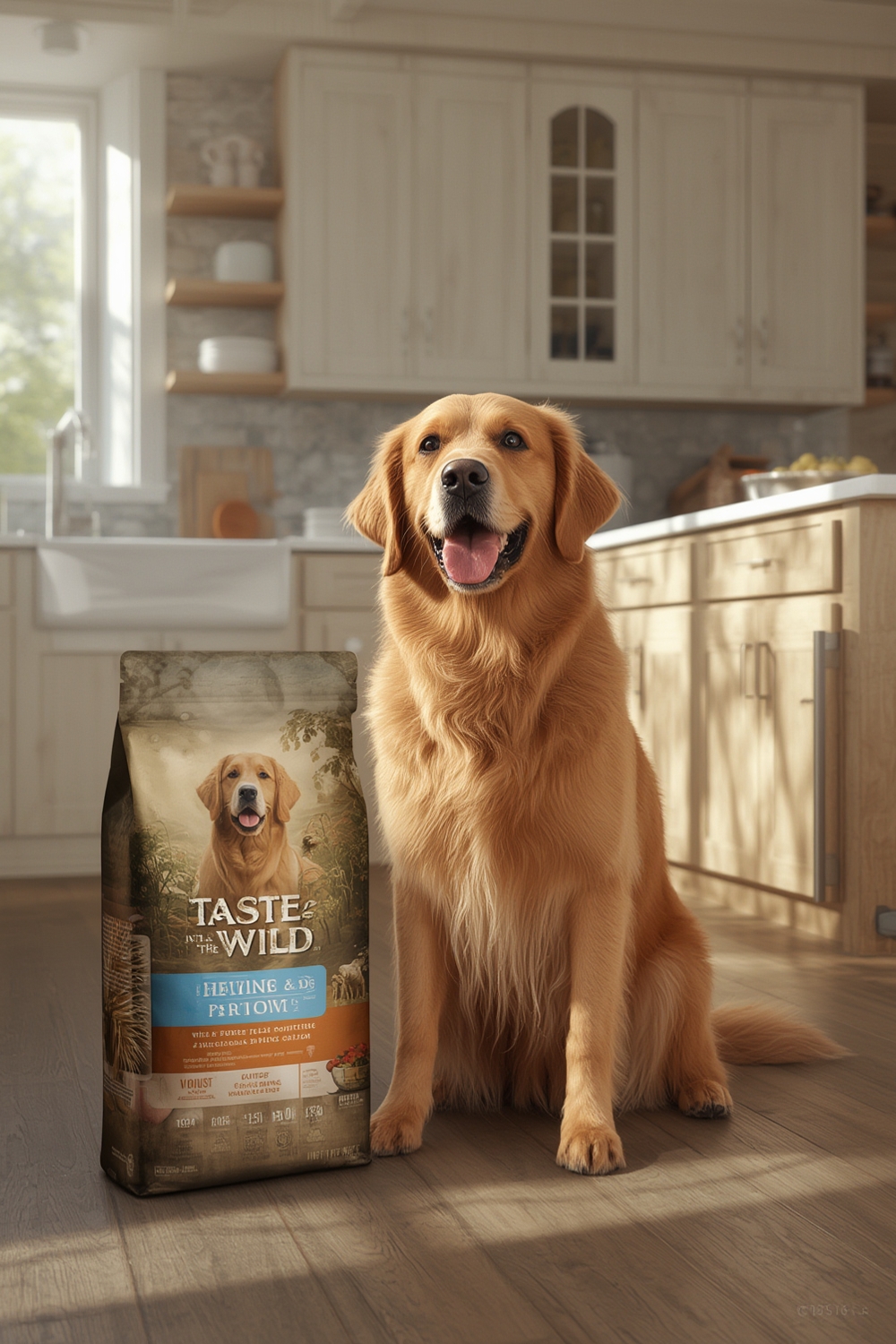
Each dry dog food blend also contains species-specific probiotics, omega fatty acids, and chelated minerals to support healthy digestion, coat, and immune system. Among the most well-known grain-free recipes are:
- High Prairie: Uses roasted bison and venison as key protein sources with sweet potatoes and peas for digestibility. (Source)
- Pacific Stream: Salmon-based, with enhanced omega content. (Source)
- Sierra Mountain: Features roasted lamb, sweet potatoes, and peas. (Source)
Despite bold claims, finding up-to-date, complete nutritional specs like protein, fat, and fiber percentages for 2024 is not straightforward. The official Taste of the Wild website lists main protein sources, but provides limited details on sourcing or independent nutritional verification. (Source)
If you’re investigating other aspects of pet care—like healthy feeding accessories or dog harness selection—these guides can help you build a holistic nutrition and wellness routine.
How to Choose and Feed Taste of the Wild: Step-by-Step Guide
Switching to or selecting a Taste of the Wild dry dog food formula requires more than picking the best-sounding protein. Here’s how to do it effectively and keep your dog’s health at the forefront.
- Read the Ingredient List
Make sure the first ingredient is an identifiable animal protein, such as roasted bison, salmon, or lamb. Avoid formulas where animal meals or by-products come first. (Source) - Review Dietary Restrictions
Confirm that the formula is grain-free, corn-free, and soy-free if your dog is sensitive to these ingredients. - Assess Lifestage and Activity Level
Match the formula’s intended life stage (puppy, adult, all life stages) and activity needs. For very active dogs, High Prairie and Pacific Stream tend to be highlighted for higher protein content, though numbers aren’t always published. - Transition Carefully
As mentioned above, mix foods slowly to avoid digestive disruptions. - Monitor Your Dog’s Reaction
Watch for improved coat, healthy stools, and enthusiasm at mealtime. If issues like itching or loose stool arise, switch proteins or consult a vet. - Track Portion Size and Weight
Use a suitable precise portioning dog bowl for precise portioning. Check body condition every month and adjust feeding amounts accordingly.
Pairing good nutrition with practical accessories such as the right pet health insurance and safe dog walking gear can help keep your dog healthy all around.
For added enrichment at mealtimes, consider using interactive dog toys to slow fast eaters or provide mental stimulation.
Advanced Analysis & Common Pitfalls
It’s easy to be swayed by marketing language, but Taste of the Wild dry dog food—like any grain-free kibble—comes with its own set of poorly discussed risks, gaps, and potential issues:
- Lack of Transparent Nutritional Information: Many sources only vaguely mention high protein levels and grain-free status; verified protein, fat, and fiber percentages for each 2024 recipe are often missing. This makes precise comparison with other premium kibbles, like Orijen or Acana, difficult.
- No Peer-Reviewed Research or Veterinary Consensus: There is no new veterinary research or FDA updates on taurine deficiency, legume-heavy foods, or dilated cardiomyopathy (DCM) risks for Taste of the Wild formulas. Without direct veterinary input, pet owners must use caution, especially with breeds predisposed to DCM. (Source)
- No Detailed Sourcing or Manufacturing Audits: While the brand claims US-sourced and US-manufactured meats and vegetables, specific farm, supplier, or transparency data isn’t provided. This is important for owners concerned about sourcing ethics or recall risk. As of 2024, there have been no new reported recalls, but always check current databases.
- No Price Transparency: Per-pound prices and real cost comparisons to brands like Wellness CORE, Orijen, or Acana are not available in 2024 retailer listings. Budget-conscious buyers may struggle to assess value.
- Flavor Ratings and Palatability Untested by Third-Parties: No independent palatability studies, flavor rankings, or widespread consumer reviews were found for current formulas.
| Feature | Taste of the Wild Grain-Free | Competitor (Generic Premium Grain-Free) |
|---|---|---|
| Main Protein Source | Roasted/smoked meats, fish (bison, salmon, lamb) | Varies (fresh/dehydrated) |
| Nutritional Analysis Disclosure | Partial, not formula-specific | Usually full disclosure |
| Sourcing Transparency | US-made, limited farm supplier data | More frequent supplier detail |
| Price per Pound | Not published | Usually listed |
| Recall History | No new recalls up to 2024 | Varies by brand |
| Scientific & Consumer Reviews | None found 2023-2024 | Available for most top brands |
If you’re prioritizing sustainability or long-term feeding outcomes, there is currently no published data or competitive gap analysis for Taste of the Wild or its alternatives. If these are priorities, you may need to contact manufacturers directly or consider ultra-premium, transparent brands.

Conclusion
To sum up, Taste of the Wild dry dog food remains one of the most well-marketed, high-protein grain-free kibbles available—using novel animal proteins and US-sourced ingredients. However, actual transparency, independent reviews, and up-to-date research on health effects, palatability, and pricing are limited in 2024. Always review ingredient lists, transition slowly, and consult your vet—especially for dogs with heart disease risks or food sensitivities. For those seeking variety and grain-free options, Taste of the Wild dry dog food can be a reasonable pick—but don’t take label claims at face value. Explore, ask questions, and make incremental changes for your dog’s unique needs.
Ready to try a new formula or want to improve your dog’s mealtime routine? Check out accessories like the best dog bowls and pet health resources, or consult with your veterinarian to find the right fit!
Frequently Asked Questions
Is Taste of the Wild dry dog food truly grain-free and safe for dogs with allergies?
Yes, all Taste of the Wild grain-free formulas are free from wheat, corn, and soy, making them suitable for many dogs with common food allergies. However, always double-check the ingredient list and test for reactions when trying a new protein.
Does Taste of the Wild dry dog food contain any artificial additives?
No, Taste of the Wild formulas do not contain artificial flavors, colors, or preservatives according to manufacturer claims. Still, always read the current packaging for the most accurate information.
Are there any recent recalls or safety issues?
There have been no new reported recalls or major safety incidents associated with Taste of the Wild dry dog food up to 2024. For your peace of mind, check third-party recall trackers periodically.
Why is ingredient sourcing and nutritional information limited?
Taste of the Wild gives high-level summaries of sourcing and nutrition but does not often disclose full details like farm locations or third-party tested nutritional data. This is typical for many mid-range and premium kibble brands but can make comparison-shopping difficult.
How does Taste of the Wild compare to other grain-free brands?
Taste of the Wild focuses on roasted/smoked novel proteins and affordability, but offers less published nutritional and scientific transparency than some higher-end competitors like Orijen or Acana. For highly ingredient-focused pet parents, checking competitor specs may be helpful.
