

If you want to cut energy bills, add value, and reduce your impact on the planet, sustainable home renovation is one of the smartest moves you can make. But getting it right—cost-effectively and genuinely eco-friendly—requires clear, up-to-date advice. This guide cuts through hype to help you make actionable decisions for a greener, more valuable home.
Key Takeaways
- Sustainable home renovation increases comfort, cuts utility costs, and is a top driver of home improvement spending into 2024.
- Choosing certified materials and smart upgrades prevents greenwashing and accelerates your return on investment.
- Regional incentives, supply costs, and access to qualified pros can make or break your renovation’s success—do your research before committing.
- What Is Sustainable Home Renovation?
- How To Plan & Execute a Sustainable Home Renovation: Step-by-Step
- Advanced Analysis & Common Pitfalls
- Conclusion & Next Steps
- FAQ
What Is Sustainable Home Renovation?
Sustainable home renovation means upgrading your house to use less energy and resources, cut waste, and create a healthier indoor environment. The goal is to reduce your home’s carbon footprint while also increasing its value, comfort, and cost-efficiency.

Key features of a sustainable renovation include:
- Using eco-certified building materials and low-emission products.
- Upgrading insulation and windows to minimize heating and cooling loss.
- Adding energy-efficient appliances and lighting.
- Adopting smart tech for water and energy management.
Global statistics back up the trend: As of 2024, the home renovation market hit $1.99 trillion, with energy-efficient upgrades leading the growth (source). In North America alone, spending exceeded $664 billion—much of it focused on older homes that need efficiency and eco-mindful updates.
Plus, over 60,000 LEED-certified buildings now exist in the US (early 2024), a sign of booming demand for energy-efficient lighting, water fixtures, and sustainable insulation (source).
But sustainability means more than technology or materials: It’s about looking at the full lifecycle, including sourcing, installation, and disposal—areas where most renovations fall short. Homes and buildings still account for 40% of global carbon emissions, with 10.5 million tons of interior design waste in the US each year (source).
If you’re remodeling, it’s wise to approach every phase—planning, material selection, building, and maintenance—with an eye on both ROI and real planetary impact. See our Sustainable Building Materials Guide for detailed eco-material options.
How To Plan & Execute a Sustainable Home Renovation: Step-by-Step
- Set Clear Goals and Budget
Decide what you want: lower bills, cleaner air, or higher home value. Set a budget, factoring in potential cost overages—material prices have risen sharply since 2023 (source). - Assess Your Home’s Current Performance
Get an energy audit. Identify leaks, insulation gaps, and inefficient appliances. This helps you prioritize upgrades that will make the most difference quickly. See our Insulation Upgrade Guide for actionable steps. - Research Incentives
Federal, state, and utility tax credits can cover up to 30% of the cost for eligible eco-friendly upgrades like solar, insulation, and heat pumps. Check resources like energy.gov/save and your state’s consumer energy website to see current offers. - Choose Trusted, Certified Materials
Look for labels: FSC for wood, GreenGuard and LEED for paints and finishes. Avoid “eco” products without transparent sourcing or third-party certification. For more tips, read about wood finishing with low-emission products. - Plan for Efficiency First, Then Renewable Energy
Tackle basics—seal drafts, upgrade insulation, replace old windows—before investing in solar panels or advanced tech. Often, simple steps yield the biggest, fastest savings. - Contract Smart: Hire Skilled, Sustainability-Savvy Pros
Only about 51% of contractors received training in sustainable building as of 2024 (source). Ask for credentials and portfolio examples. - Integrate Smart Tech Thoughtfully
smart thermostats, leak sensors, and home energy monitors maximize your savings when paired with physical upgrades. See our tips on smart home integration and thermostat installation. - Document and Benchmark
Keep all receipts and warranties for rebates. Track energy use to measure your ROI, adjust settings, and tune performance over time.
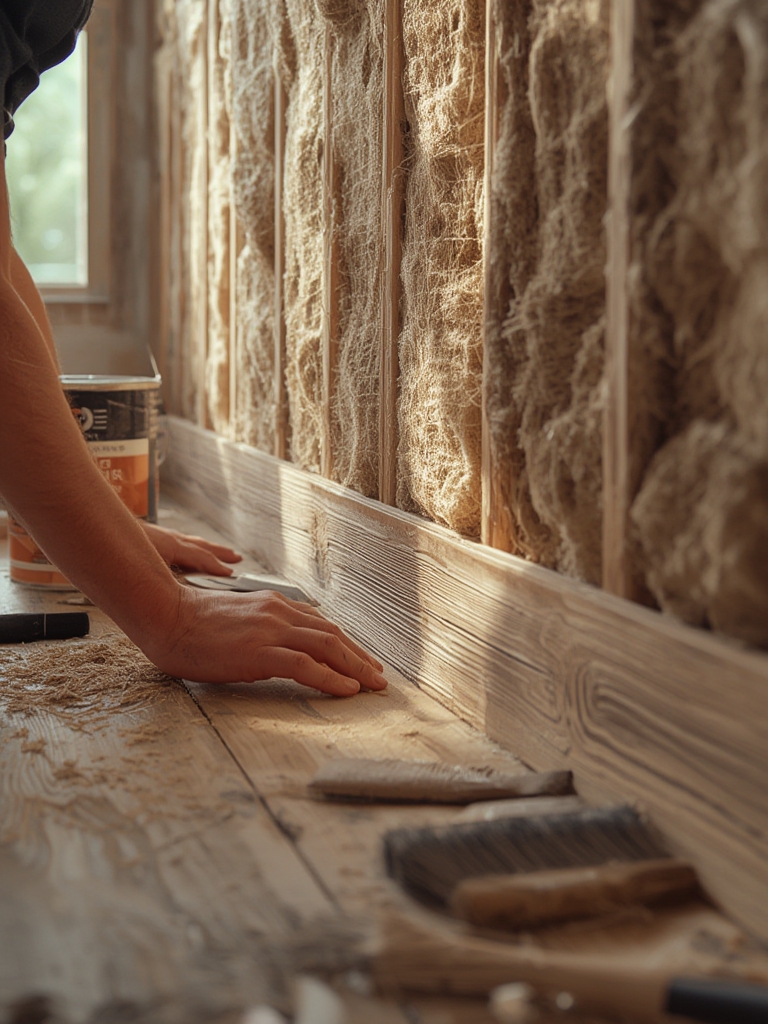
If you want fast, proven ways to reduce drafts and lower your bills, draftproofing your windows is a low-cost, high-ROI move. See our in-depth guide to window sealing tape and kits for practical choices.
Choosing eco-friendly paint? Always select low-VOC or no-VOC brands with valid third-party eco-certifications. Reputable stores or the EPA Safer Choice site help you weed out imposters. Explore easy painting techniques to reduce waste and fumes as part of your project.
Finally, factor in lead times for materials, which can be unpredictable. Popular sustainable building basics, like recycled insulation or FSC lumber, often cost 10–30% more than generic options and may take weeks to arrive. Order early and coordinate with your contractor for smooth workflow.
Advanced Analysis & Common Pitfalls
Sustainable home renovation pays, but only when you navigate key challenges smartly. Here’s what to watch for—plus a quick reference table comparing top material options:
- Underestimating Costs or Timelines
Sustainable materials and certified labor often come at a premium—typically 10–30% higher than conventional choices. Don’t forget local labor shortages may delay specialized work. - Falling for Greenwashing
Just labeling something “green” means little. Always seek third-party certification (LEED, FSC, GreenGuard) and traceability. Avoid low-VOC paints or recycled products without proof—they may be no better than the alternatives. - Neglecting Regional Incentives
Free money or rebates can dramatically improve your ROI, or, if ignored, cost you thousands. Always double-check with trusted sources for the latest eligible upgrades. - Poor Homeowner-Contractor Communication
Only 51% of professionals report formal training in sustainable construction (source). Ask for project-specific references. - Skimping on Draft Sealing or Insulation
These are the highest return-on-investment upgrades in almost any region. Don’t skip them for flashy tech. - Poor Documentation
Without receipts and accurate records, you may lose access to local rebates or future warranties.
| Material | Typical 2024 Price | Certifications | Pros | Cons |
|---|---|---|---|---|
| Recycled Insulation | 10% to 30% higher than fiberglass (varies by region) | GreenGuard, UL ECOLOGO | Excellent at reducing landfill, good indoor air | Limited stock, sometimes delayed delivery |
| FSC-Certified Lumber | 10% to 25% higher than standard wood | FSC, SFI | Traceable harvesting, durable | Sometimes tough to source locally |
| Low-VOC Paint | 10–20% premium per gallon vs. basic latex | GreenSeal, LEED-compliant | Improves indoor air, safer for kids/pets | Some colors less durable; verify certifications |
For more on high-ROI upgrades, see our Energy Efficient Home Upgrades Guide.
Some of the fastest-ROI green upgrades include new insulation, air sealing, and smart thermostat installation. While solar panels pay off over 7–12 years (varying by region and rebates), better insulation and window sealing can slash bills within one or two winters—sometimes paying for themselves in three years or less.
Finally, too many homeowners rush product choices—opting for “eco” labels without scrutiny. As nationwide regulations slowly ramp up, always check for transparent certifications, and ask contractors to document all suppliers and specs.
Conclusion & Next Steps
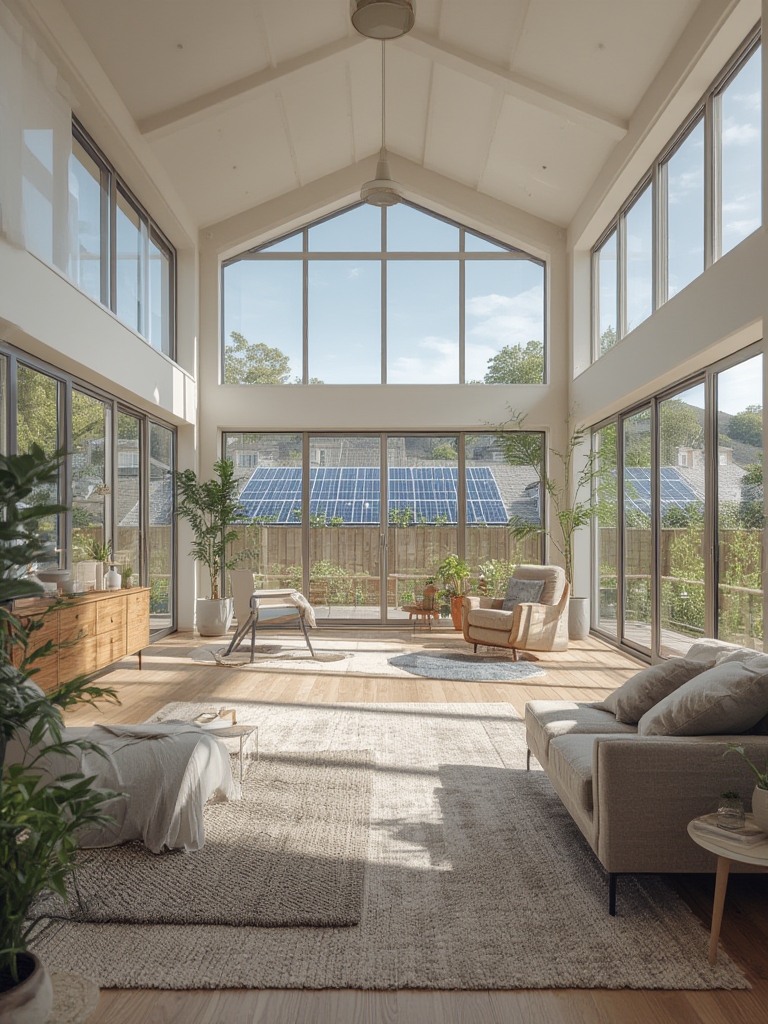
Sustainable home renovation is more than a trend; it’s both an economic and environmental imperative for 2024 and beyond. While up-front costs and sourcing can be challenging, strategic planning, leveraging certified materials, prioritizing high-ROI upgrades, and harnessing available incentives make the process worthwhile. Be cautious of greenwashing, document everything, and partner with skilled professionals to maximize both your home value and your satisfaction.
Ready for your own sustainable home renovation? Start with a simple audit and investigate local rebates—then build up, step by actionable step. For more guides and tips, explore the rest of our home improvement resources or reach out with specific project questions.
FAQ
How much value does a sustainable home renovation add to my property?
While value increases vary by region and project, energy-efficient upgrades like better insulation, windows, or heat pumps can boost resale value by thousands. Nationwide figures for 2024 show that eco upgrades remain among the most desirable new-buyer features.
What is the fastest-ROI upgrade for a sustainable renovation?
Air sealing, upgraded insulation, and high-efficiency windows usually deliver the quickest payback, sometimes within 2–3 years. Smart thermostats are another rapid, affordable win.
How do I avoid greenwashed products?
Look for third-party certification like FSC for wood and GreenGuard or LEED for paints and insulation. Ask your contractor for proof before approving any eco-labeled product.
Are there tax credits or rebates for every type of sustainable upgrade?
Most states and provinces provide some form of incentive for major energy-saving projects (like solar, insulation, and heat pumps), but eligibility, amounts, and deadlines vary. Always check current programs before buying or signing a contract.
Can I do a sustainable renovation on a tight budget?
Absolutely! Focus on air sealing, weatherstripping, and low-VOC paints—which have a low price but high impact. Salvaging, rehabbing, and prioritizing efficiency pays off even on modest budgets.
