

Sustainable building materials are revolutionizing home renovations by cutting carbon emissions, saving energy, and making houses healthier places to live. If you want your next home upgrade to be eco-friendly, cost-effective, and future-proof, this guide covers everything you need to know from real-world results to common pitfalls.
Key Takeaways
- Sustainable building materials can reduce CO2 emissions up to 50% compared to traditional options (source).
- Certifications like LEED, BREEAM, and the Living Building Challenge are essential for verifying true material sustainability.
- Transparency and indoor air quality are still lacking in many commercial green products; careful research is crucial before making investments.
- What Are Sustainable Building Materials and Why Use Them?
- How to Choose and Apply Sustainable Building Materials: Step-by-Step
- Advanced Analysis & Common Pitfalls
- Conclusion
- Frequently Asked Questions
What Are Sustainable Building Materials and Why Use Them?
Sustainable building materials are products designed to minimize environmental impact throughout their life cycle, from sourcing and manufacturing to installation, use, and disposal. Their key qualities include low embodied carbon, responsibly sourced origins, high durability, and little to no harmful emissions.
Using sustainable materials for home renovations is both a climate and financial win. According to recent research and the 2024 Harvard Sustainability Report, LEED-certified and green buildings average 34% lower carbon dioxide emissions and use 25% less energy than those built with traditional materials. This is critical—buildings generate about 39% of global energy-related carbon emissions, and much of that comes from the materials and construction stage.

Another significant advantage is waste reduction. Green buildings with recycling integration can reduce waste output by up to 90%. With ambitious goals like halving upfront carbon in new builds by 2050, sustainable materials are central to a responsible homeowner’s renovation plan.
It’s also important to note the regulatory landscape is evolving. Major certification systems now look beyond energy performance to emphasize healthier materials, better air quality, and climate resilience—all vital for the homes of today and tomorrow.
If you’re interested in enhancing eco-quality beyond your home, explore biophilic design to integrate natural elements indoors.
How to Choose and Apply Sustainable Building Materials: Step-by-Step
Transitioning to sustainable building materials takes careful planning from material assessment to installation and maintenance. Follow these steps for a successful, impactful renovation.
- Assess Your Project Needs
Prioritize rooms or surfaces that have the biggest energy, waste, or material footprint. Kitchens, bathrooms, and flooring are great places to start. For example, if you’re considering a kitchen update, fluted wood cabinets and sustainable countertops offer environmental and aesthetic benefits. - Research and Verify Material Sustainability
Look for credible certifications. The most recognized are LEED (Leadership in Energy and Environmental Design), BREEAM (Building Research Establishment Environmental Assessment Method), and Living Building Challenge (LBC) Core. Be wary of “greenwashing”—where labels claim sustainability without offering real proof. Harvard’s recent update moves toward LBC Core, demanding even more rigorous standards for healthier, climate-resilient buildings. - Choose Low-Impact Materials
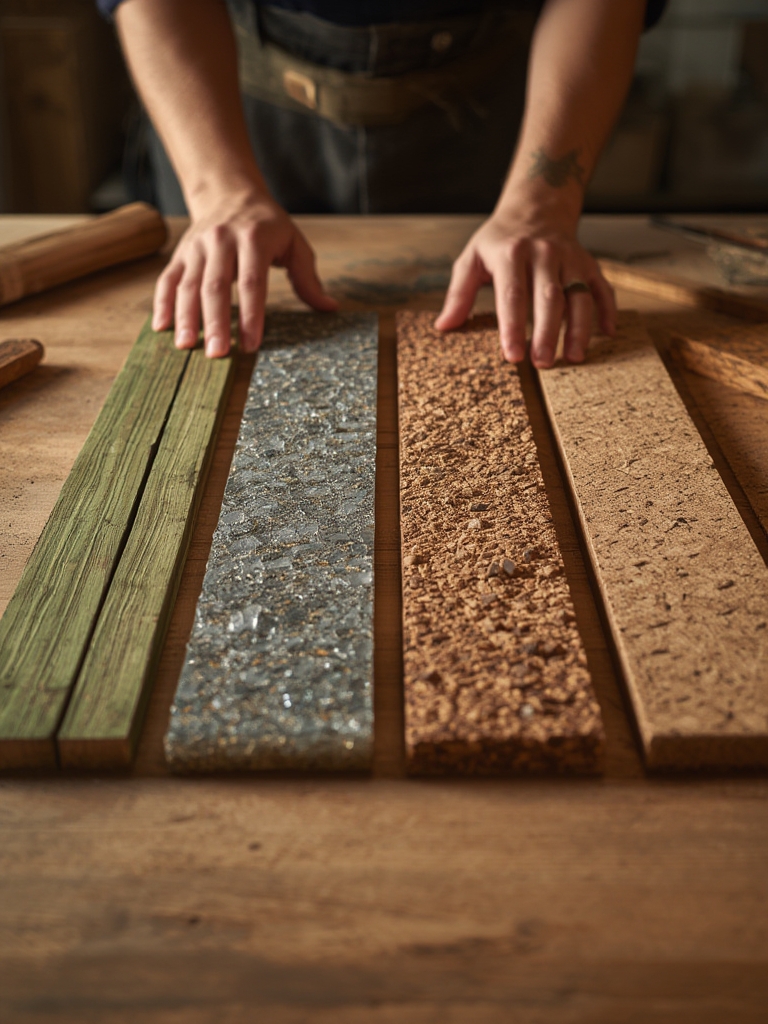
Options like bamboo flooring, cork, reclaimed wood, recycled glass countertops (including ground glass pozzolan), and low VOC paints top the list. When possible, use materials with high recycled content or low embodied energy. In 2024, GGP (Ground Glass Pozzolan) became an eco-leader for countertops, boasting both low carbon footprints and high recycled content. - Confirm Source Transparency
Ask for documentation on where and how the materials are sourced. Reclaimed wood should have a verified history and chain of custody; recycled content should be traceable to ethical and low-carbon supply chains. Unverified materials may have unseen social or environmental costs. - Plan for Proper Installation
Sustainable materials often require different installation methods than standard products. For example, bamboo and cork flooring expand and contract based on humidity and need specialized adhesives. Use certified low-VOC paints to further support indoor air quality. - Schedule Ongoing Maintenance
Green materials can have unique maintenance needs. For instance, reclaimed wood flooring may need resealing with non-toxic finishes, and recycled glass countertops can require gentle cleaning to avoid scratching. - Track Energy, Water, and Air Quality Benefits
Use tools and smart home systems to monitor improvements in utility bills and health metrics. You can find more on this topic in our energy efficient home upgrades guide. - Plan for End-of-Life
Choose materials that can be easily recycled or repurposed. For optimal sustainability, design with deconstruction in mind, so future renovations don’t put materials in the landfill.
Need flooring inspiration for living spaces? Review our self leveling floor guide for practical prep before you install bamboo or cork planks.
For a quick visual refresh using eco-friendly finishes, try no-sand painting techniques on furniture to upgrade with low VOC paint and avoid dust and waste.
Advanced Analysis & Common Pitfalls
Choosing sustainable building materials isn’t risk-free. Let’s look at some issues many homeowners face, plus where conventional advice falls short.
Common Pitfalls in Sustainable Home Renovations
- Lack of Product Sourcing Transparency: Not all reclaimed or recycled products disclose their entire supply chain. This can mask high upstream carbon emissions or unethical labor practices. Always ask manufacturers for source details.
- Unverified Indoor Air Quality Benefits: Most marketers promote “non-toxic” materials, but few provide third-party testing about impacts on indoor air quality. Especially for bamboo, cork, and low VOC paints, lifecycle analysis is rare and consumer data is limited.
- Maintenance Surprises: While bamboo or cork are touted as durable, incorrect installation or unsealed surfaces can lead to warping or early degradation. Recycled glass countertops, though hard, may chip under heavy impact.
- High Upfront Costs: Initial prices for green materials can be higher, especially if they’re locally sourced or have thorough certifications. Without proper planning, payback periods may be longer than expected.
- Lack of Long-Term Performance Data: Less is known about how newer materials (such as mycelium composites or the latest low VOC finishes) age over 10–20 years in homes.
Sustainable Countertops Showdown (2024 Datum)
| Material | Embodied Carbon | Recycled Content | Durability | Notes |
|---|---|---|---|---|
| Ground Glass Pozzolan (GGP) Concrete | Low | Very High | High | First large-scale use in MA, 2024; eco-leader |
| Recycled Glass Countertop | Moderate | High | Medium-High | Susceptible to chipping |
| Bamboo Plywood | Moderate | Low | High | Needs FSC or LBC certification |
| Traditional Concrete | High | Low | Very High | Major carbon footprint; not eco-friendly |
For those focused on product longevity and ease of repair, check out our guide to furniture cleaning and care—many tips transfer directly to maintaining wood and recycled material surfaces.
Sustainable Certification Landscape (2024 Update)
- Harvard’s 2024 standards require fossil fuel-free materials, improved indoor air, and traceable healthier products, pushing beyond LEED Gold — keep an eye out for projects aiming at LBC Core certification.
- Most “green” materials in stores only meet older LEED or BREEAM standards—ask questions if transparency or updated certification is missing.
Still deciding whether you need advanced solutions? For a budget-friendly start, minor upgrades to insulation and fresh paint using low VOC formulas (see our furniture painting guide) will still net meaningful benefits.
Conclusion
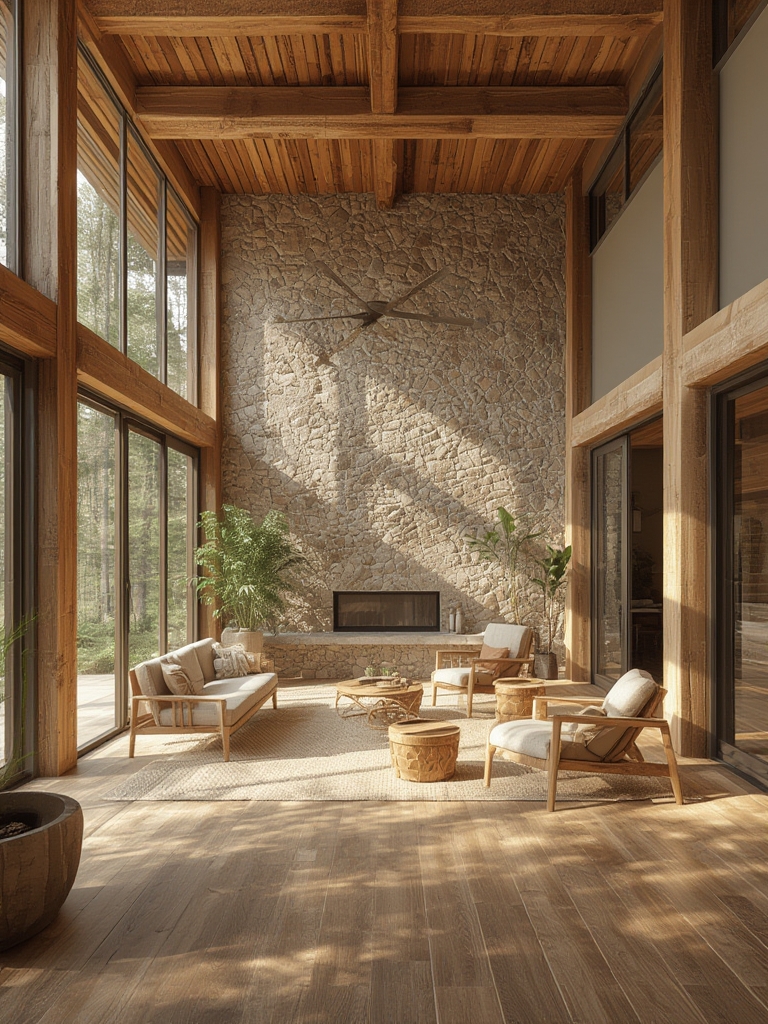
Making your home more resilient and healthy is easier than ever with today’s sustainable building materials. Don’t let greenwashing and incomplete certifications catch you off guard. Start small, verify every claim, and build toward a future where both the planet and your family benefit. Every eco-friendly material you install is an investment in lasting value.
Ready to start your project? Review more in-depth tips and the latest products by exploring our DIY home improvement projects guide. For any renovation, using sustainable building materials should always be your first step toward a cleaner, safer, and more energy-efficient home.
Frequently Asked Questions
What are the top certifications to guarantee a building material is truly sustainable?
The most reliable certifications in 2024 are LEED, BREEAM, and Living Building Challenge Core. Harvard’s new standards push for healthier, fossil fuel-free materials as well. Always check for up-to-date documents from trusted third-party bodies.
Do sustainable materials like bamboo or cork affect indoor air quality?
Bamboo and cork usually emit fewer harmful VOCs compared to many standard materials, but lifecycle impacts vary by product and finish. Ask your supplier for emission test results and prefer products with transparent third-party testing data.
Are green building materials more expensive than conventional ones?
Many eco-friendly materials cost more upfront—especially if sourced locally or with advanced certifications—but can save money over time by reducing energy bills and offering better durability. Check total lifecycle costs before making a decision.
What are some practical ways to verify if a material is ethically sourced?
Request detailed supplier certifications, chain-of-custody documentation, and look for materials covered by Living Building Challenge or FSC (Forest Stewardship Council) if using wood. Avoid brands unwilling to verify sourcing or ethical labor practices.
Which green countertop performs best in terms of low embodied energy and recycled content in 2024?
Ground Glass Pozzolan (GGP) set a new standard in 2024, offering very high recycled content and low embodied carbon for countertops and concrete surfaces, outperforming standard recycled glass and concrete options.
