

soaker hose is the unsung hero of simple garden irrigation, but is it really the best way to water your beds in 2024? If you’ve seen rising water bills or struggled with dry patches, you’re not alone. Let’s break down what actually works, what quietly wastes water, and how to get the most plant growth for your dollar.
Key Takeaways
- Soaker hoses are affordable, easy to install, and deliver water to the root zone—but struggle with even watering on longer runs.
- Drip irrigation is more efficient for larger or complex gardens, saving up to 50% more water compared to sprinklers.
- Choosing the right length and maintenance approach can help maximize the benefits, but watch out for uneven watering and wasted water over time.
- What Is a Soaker Hose and How Does It Work?
- Step-by-Step Guide: How to Install and Use a Soaker Hose Efficiently
- Advanced Analysis & Common Pitfalls: Efficiency, Cost, and Uniformity Concerns
- Conclusion
- FAQ
What Is a Soaker Hose and How Does It Work?
A soaker hose is a porous garden hose designed to seep water directly into the soil along its entire length. Unlike a typical sprinkler, which broadcasts water through the air, soaker hoses hug the soil—minimizing evaporation. They’re popular for flower beds, vegetables, and particularly for raised beds, where watering evenly is crucial. Soaker hose popularity is rising fast: the market will reach over $1.4 billion globally in 2024.
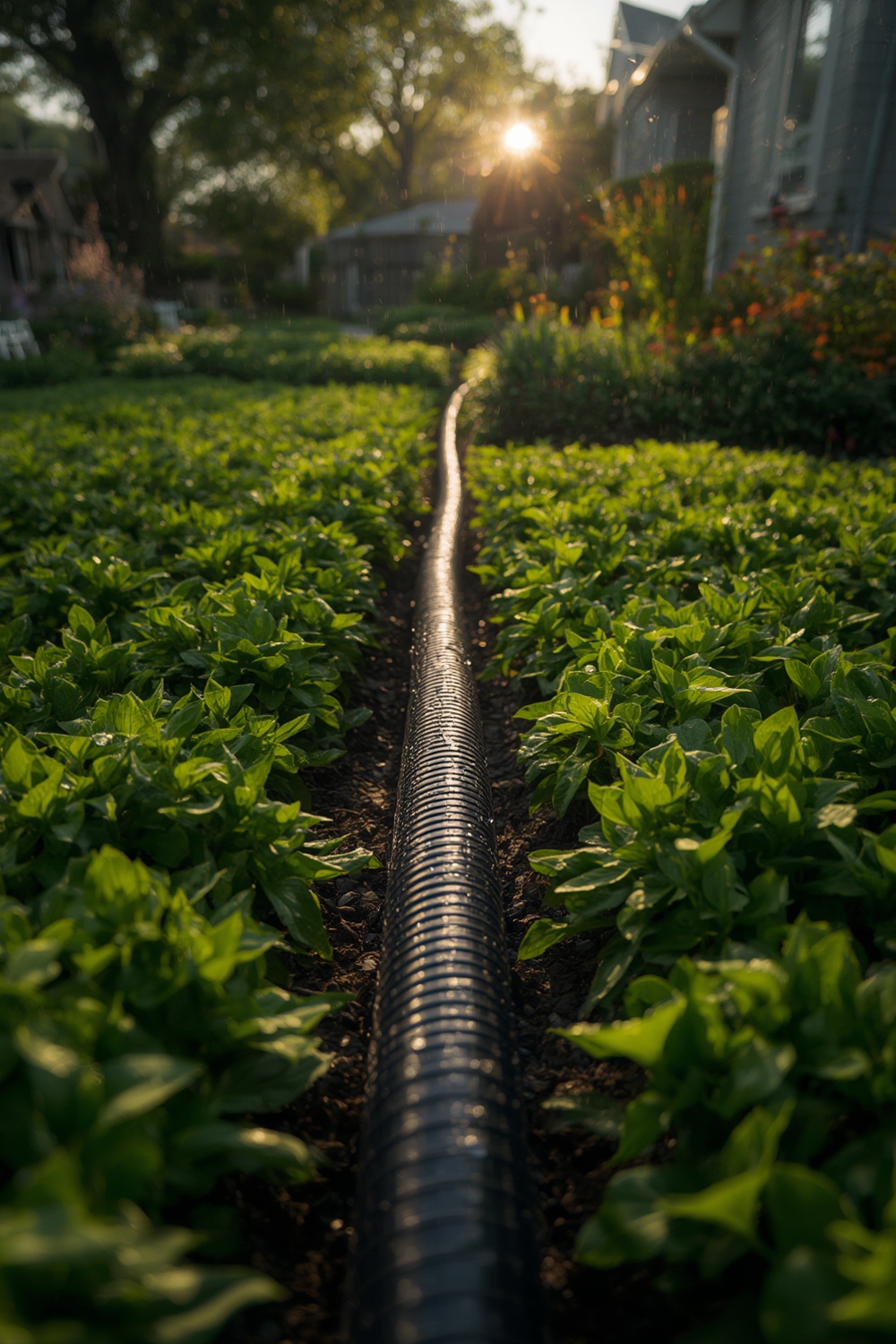
The main appeal is simplicity—just connect a soaker hose to your spigot, wind it through your garden, and turn on the tap. Water seeps right where roots grow, reducing runoff and keeping foliage dry. This method fits smaller gardens, shrubs, and raised beds, especially if you lay mulch on top. However, their effectiveness depends heavily on hose length and water pressure. Too long, and the far end may get barely any water.
For a broader look at garden efficiency, check out how smart irrigation controllers or soil moisture sensors help automate watering for even bigger savings.
Step-by-Step Guide: How to Install and Use a Soaker Hose Efficiently
- Plan Your Layout
Decide exactly where the water is needed. For straight rows, gently lay the hose parallel to the plants; for raised beds or tighter gardens, weave the hose around crops, keeping it a few inches from plant bases. - Limit Hose Length
Use no more than 100 feet per run. Anything longer, and the pressure drop leads to dry spots at the far end. If needed, split your garden into zones and use multiple hoses from a splitter. - Install Hose
Connect one end to the spigot, cap the other with the supplied end plug. Stake the hose in place if it shifts. Avoid kinking. - Test Your System
Turn on water gently. The hose should ‘sweat,’ not spray. Time how long it takes to moisten the soil 6 inches deep—often 30 to 60 minutes per session. Too wet near the faucet and dry at the end? Shorten the run or switch to drip irrigation. - Cover With Mulch
Add 2+ inches of mulch over the soaker hose to reduce evaporation and extend hose life.
Want to optimize weeding too? Try using a hula hoe for fast weeding before you mulch. - Set A Watering Schedule
Water early morning, 2 to 3 times per week, adjusting frequency for rainfall. Use a garden timer for consistency. - Check For Leaks & Even Wetting
Inspect regularly, especially if you notice plants wilting or water pooling near the spigot. - Store For Winter
Drain and coil your soaker hose before freezing weather to prevent cracks.
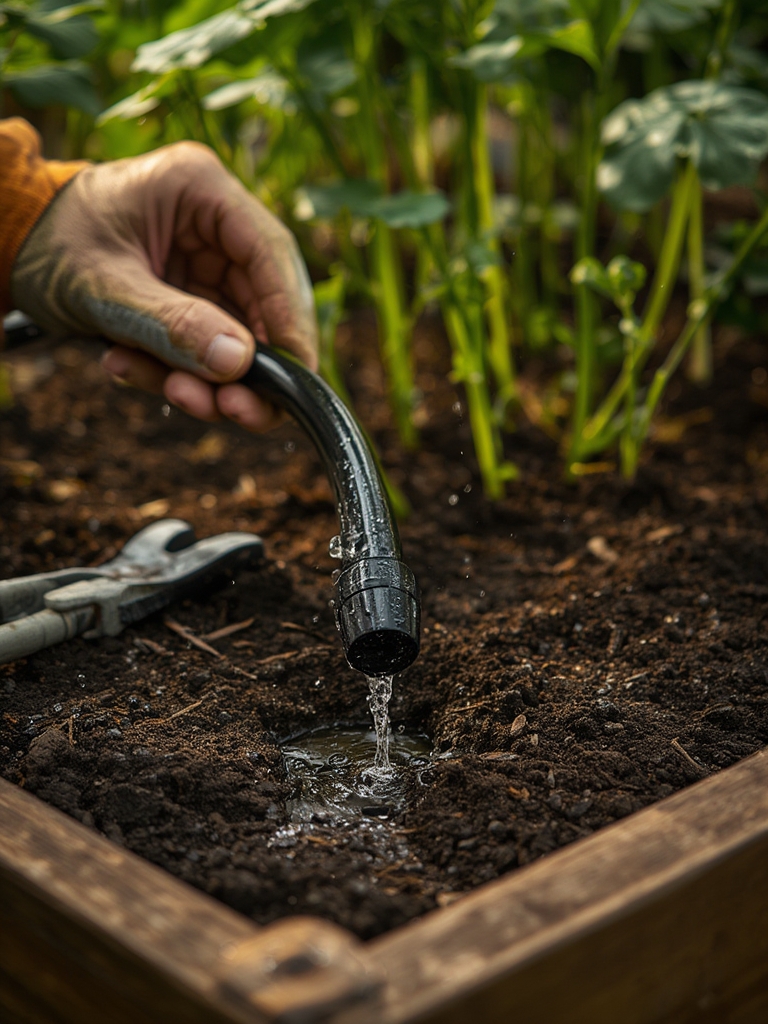
To prevent common mistakes, always test your setup with soil moisture checks—don’t rely on the wet surface alone. Heavy clay soils need less time; sandy soils, more frequent sessions.
For a deeper dive into saving water or upgrading, see our Garden Drip Irrigation Guide or browse quick crop pairing ideas from our Companion Planting Chart.
Advanced Analysis & Common Pitfalls: Efficiency, Cost, and Uniformity Concerns
Recent research underscores both the strengths and frustrations of soaker hoses in 2024. While soaker hoses save more water than sprinklers, they still trail behind drip irrigation. Drip irrigation achieves 90-95% efficiency and cuts water use up to 50% compared to traditional hoses and sprinklers—sometimes saving over 25,000 gallons a year for a typical home garden.
Common Pitfalls:
- Uneven Watering: Without pressure control, expect a heavy flow near the spigot but weak or dry sections at the far end, especially past 100 feet. Overwatering and underwatering can happen in one session.
- Diminishing Returns With Length: Going longer than 100 feet drastically reduces effectiveness. Always split into multiple zones if you must cover more area.
- Clogging and Leaks: Over time, mineral buildup or soil particles can clog the hose pores. Kinks can stop flow entirely; inspect your hoses each season.
- No Precision for Large Beds: Unlike drip systems with pressure-compensating (PC) emitters, soaker hoses can’t deliver equal amounts over long runs or reach far-flung raised beds. For larger or mixed plantings, drip systems are simply more reliable.
- Visual Appeal: Soaker hoses aren’t the prettiest, especially in ornamental spaces. Some gardeners dislike their look compared to drip lines.
Still, the affordability and ease of soaker hoses can’t be ignored—especially for new gardeners or modestly sized plots. Here’s how cost and efficiency stack up:
| Aspect | Soaker Hose | Drip Irrigation |
|---|---|---|
| Initial Cost | Low (minimal equipment) | Higher (more components and planning) |
| Long-Term Water Use | Higher over time; efficiency drops with hose length | Lowest due to precise, even delivery |
| Maintenance | Simple; infrequent, but hoses degrade in sun if not mulched | Needs annual flush/filter and occasional emitter cleaning |
| Best Use | Small beds, shrubs, seasonal raised gardens | Large areas, permanent beds, water-restricted regions |
| Expected Lifespan | 3-5 years average | 15-20 years (with maintenance) |
Many competitor guides skip crucial data—they rarely mention that drip systems reduce plant diseases by over 160% compared to overhead watering, or the exact market adoption stats. If you want to maximize every drop and avoid root rot, especially in climates where water costs are rising, look into modern drip.
Want to protect your investment? Use a stirrup hoe for weed control before laying any hose, and apply mulch alternatives as shown here.
Conclusion
For home gardeners, a soaker hose is an effective, budget-friendly way to water small to medium-sized beds. But recognize its limits: beyond 100 feet or in complex layouts, efficiency and uniformity drop off fast. If you want set-and-forget performance or gardens larger than one or two beds, consider upgrading to drip irrigation. Your plants and water bill will thank you. Ready to upgrade or need more garden advice? Explore proven water-saving xeriscape lawn ideas or our shade cloth tips for hot climates. Make your next step count and get more out of your soaker hose this year!
FAQ
What is the best length for a soaker hose in raised beds?
Keep each soaker hose run under 100 feet for raised beds to maintain uniform watering. For larger setups, split into multiple short hoses or switch to drip irrigation for better coverage.
Why is the end of my soaker hose dry?
Soaker hoses lose pressure and flow as length increases. Dry ends mean your hose is too long or your water pressure is too low. Use shorter runs or install a splitter for multiple hoses.
How often should I water with a soaker hose?
For most gardens, water deeply 2-3 times per week. Always water early in the morning and adjust for soil type and weather. Check soil moisture to avoid over- or under-watering.
Can I bury a soaker hose under mulch?
Yes. Covering a soaker hose with 2-3 inches of organic mulch helps conserve water, keeps hose temperature stable, and prolongs hose life by protecting it from sunlight.
Are soaker hoses better than drip irrigation?
Soaker hoses are great for small, straightforward beds due to low cost and simple setup. Drip irrigation is more precise, efficient, and lasts longer—ideal for larger or permanent gardens.
