

Small screened in porch ideas can totally transform underused outdoor spaces into versatile retreats. If you want bug-free relaxation, a weather-friendly breakfast nook, or a convenient spot for muddy boots, a compact screened porch is often the quickest win. But getting the design and the install right—on a real-life budget—means knowing what actually works (and what could go wrong).
Key Takeaways
- Expect to spend $1,000–$5,800 to screen a small existing porch yourself or $1,500–$12,000 for a professionally built small screened porch, with maintenance costs over time.
- DIY porch kits are affordable but have drawbacks in durability and aesthetics—professional builds look and last better but cost much more.
- Innovative materials like magnetic panels and solar-retractable screens can improve functionality and privacy, especially in small spaces.
- Small Screened In Porch Ideas: What Works & Why
- How to Build a Small Screened Porch: Step-by-Step
- Common Pitfalls, Cost Analysis & Realistic Pros/Cons
- Conclusion
- FAQ
Small Screened In Porch Ideas: What Works & Why
Thinking through small screened in porch ideas is about making the most of limited space. Whether you’re screening a 10×10 slab or dreaming of a cozier 12×12 retreat, the goal is practical expansion—giving you a year-round outdoor “room” that’s affordable to build, easy to keep up, and tailored so you’ll actually use it.
You have two main options: DIY screening kits (like Screen Tight or Screen House) or a pro-built enclosure. Kits bring upfront savings and are designed for basic square/rectangular layouts. Pro builds expand your design range—custom flooring, composite frames, extra privacy features—but cost more and require permitting in many areas.
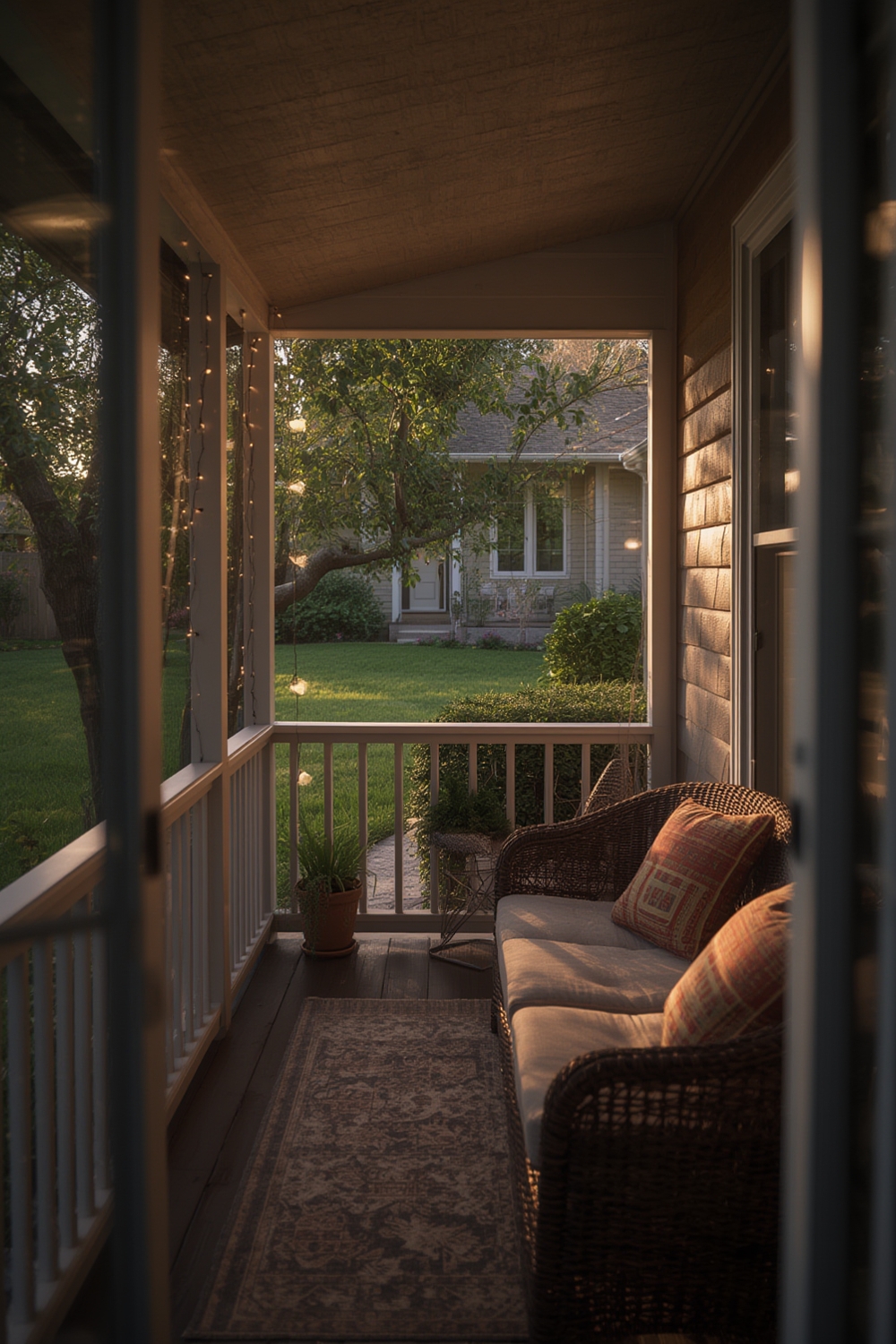
Choosing the right solution means balancing upfront cost, future maintenance, looks, and privacy. Cheaper fiberglass mesh works for low-traffic spaces, while aluminum and solar-retractable screens win on durability and energy efficiency. modular magnetic panels are a growing trend—boosting airflow and allowing tool-free removal for seasonal flexibility.
How to Build a Small Screened Porch: Step-by-Step
Ready to turn porch inspiration into reality? Here’s an actionable build guide for getting the most from a small screened-in porch, using both classic and modern enclosure ideas.
- Assess your porch structure. Does it need repair? Remove any loose rails or rotten wood first. Small porches often hide water damage.
- Check local codes and permits. Even a small enclosure can require approval. In places like Florida or California, wind/seismic reinforcement is a must. Allow for $150–$1,200 in permit/inspection fees (source).
- Choose your screen system. DIY kits work best for standard sizes and save money but might not fit complex footprints. Pro builds bring better materials and finishes at a price. See this detailed cost breakdown.
- Select the right mesh and framing. Fiberglass is cheapest, but aluminum or hybrid solar mesh cost more and last longer. Composite spline-less framing kits are ideal for tool-free, 12×12 porch installs.
- Prep the space. Mark your porch corners, install minimal framing along the ceiling and floor, and leave room for a vertical screen door. If installing magnetic panels or retractable inserts, map the panel arrangement first.
- Install the screens/panels. Use a helper to hold panels level. Roll or snap in mesh on one wall before tackling the rest. Avoid overtightening, which causes mesh tears—one of the most common DIY fails.
- Add finishing touches. Consider composite or laminate porch flooring for easy cleaning (compare materials here). Install a ceiling fan or LED lights to boost comfort.
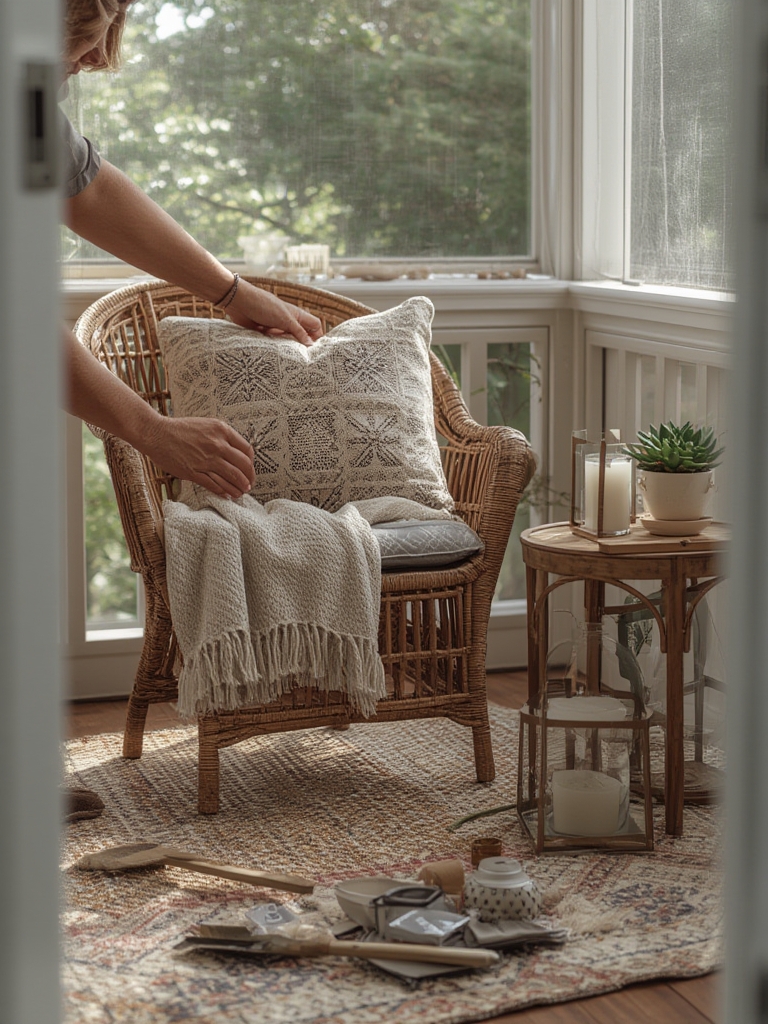
- Keep it low-maintenance. Plan to rescreen every 7–10 years (fiberglass), clean frames each season, and check doors/screens for sagging or pet damage.
For more robust outdoor space ideas—including deck maintenance and all-season furniture—see our covered outdoor living spaces guide.
Common Pitfalls, Cost Analysis & Realistic Pros/Cons
It’s tempting to jump on the lowest-cost kit for a small screened-in porch, but some issues crop up again and again. Here’s what to expect—and what the numbers look like in 2024.
- DIY measurement errors: Cutting panels the wrong size or misjudging door swing are top complaints from first-timers.
- Mesh sagging or tearing: Overstretching cheap fiberglass causes tears. Too-loose mesh gets wavy and unsightly, especially in high traffic corners or dog door areas.
- Tool and skill gaps: Kits advertise “easy install,” but you’ll need at least a staple gun, sharp knife, and screen roller for traditional systems. Simple clip-in/frame-less kits reduce—but don’t eliminate—these headaches.
- Permit or code surprises: Many small porch projects slip by permit requirements in suburbs, but urban and hurricane-prone zones often require full code compliance. Reinforcement adds $1,000+ if your porch isn’t up to spec (regional examples).
- Maintenance reality: Budget kits mean rescreening every 7–10 years. Professional installs and premium mesh can stretch to 15 years, but weather and pets matter.
| Aspect | Budget Kits (DIY) | Professional Builds |
|---|---|---|
| Durability | Fiberglass prone to tears; basic framing | Aluminum/composite; structural reinforcements |
| Aesthetics | Basic mesh; few extras | Custom flooring, fans, railings |
| Cost (100 sq ft) | $450–$750 materials | $1,500–$12,000 total |
Want more on home exterior repairs and upgrades? You’ll find practical maintenance tips in our deck maintenance guide.
Conclusion
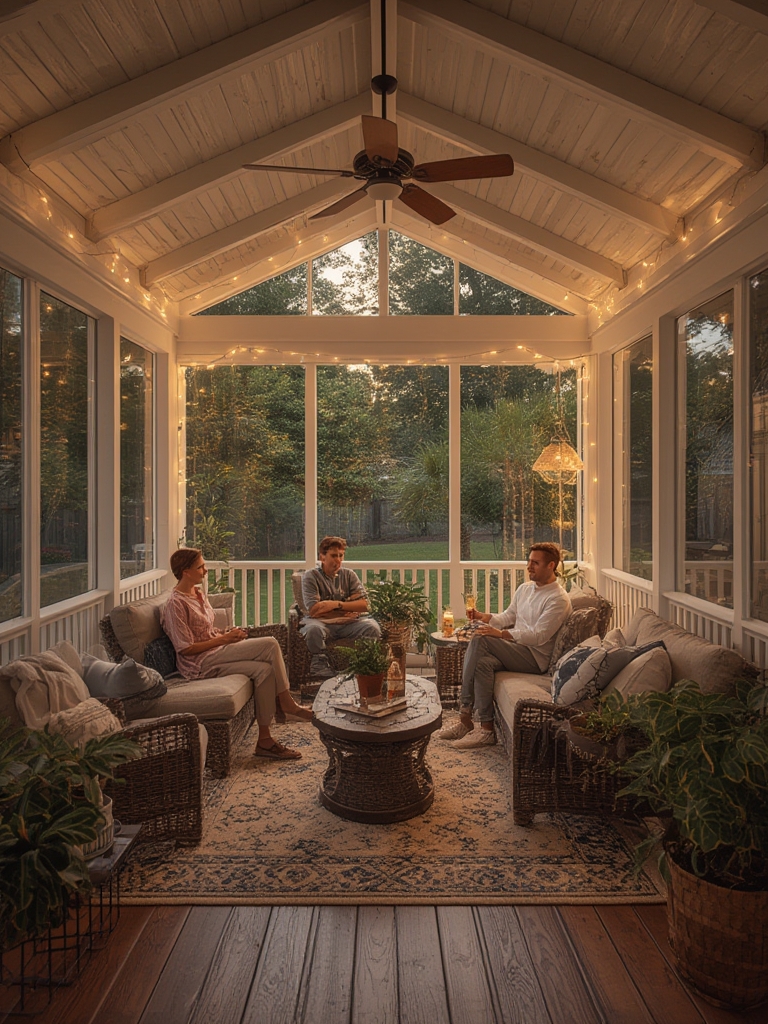
Small screened in porch ideas let you reclaim outdoor space for less than you might expect—if you plan carefully. The right kit or pro build depends on your budget, space, and skills. Consider newer solutions like modular panels or solar-retractable screens for greater comfort, privacy, and flexibility. For more tips on affordable space upgrades, check out our advice on self-leveling floors and easy furniture painting. Ready to start? Price and design your screened porch now—you’ll use it more than you think.
FAQ
What’s the cheapest way to screen a small porch?
Using a fiberglass kit (like Screen Tight) and DIY labor, you can screen a 100 sq ft porch for as little as $1,000–$1,500. Magnetic or spline-less kits can simplify the process for tight layouts.
How long do porch screening kits actually last?
Fiberglass mesh kits last around 5–10 years, aluminum mesh up to 15. Plan to rescreen at least every 7–10 years, depending on climate and pet/child traffic.
Are permits required for screening a small porch?
Many suburban areas exempt porches under 200 sq ft, but urban, hurricane, or earthquake-prone areas often require permits and inspections. Factor $150–$1,200 for permits and possible reinforcements.
Are modular magnetic panels worth the upgrade?
Magnetic panels cost more but are ideal for small porches needing seasonal flexibility, tool-free installation, and better airflow/privacy control.
What can I do to maximize privacy on a small screened porch?
Use solar-screen mesh or aluminum screening—both block outside views while letting air flow. Add plants or vertical slats outside if additional privacy is needed.

[…] cabinets, and pre-drilled appliance panels make the process seamless. Consult resources like these small screened in porch ideas for creative inspiration if you need to work in tight […]