

Robot lawn mower technology is changing the way homeowners care for their lawns, offering a hands-off alternative to traditional mowing. If you want a perfectly trimmed yard without the hassle, robotic lawn mowers promise time savings and convenience—but there are trade-offs you should consider before you buy.
Key Takeaways
- The robot lawn mower market is growing fast, especially for medium-sized residential lawns, but product features and total costs vary.
- Setup and ongoing maintenance can be more complex than most users expect, especially with boundary wires versus GPS models.
- Technical gaps in current products include performance on hills, tricky lawn layouts, and detailed user experience data.
- 1. The Core Concept
- 2. Step-by-Step Guide
- 3. Advanced Analysis & Common Pitfalls
- 4. Conclusion
- 5. FAQ
The Core Concept
A robot lawn mower is an autonomous machine designed to maintain your lawn without manual intervention. These devices use rechargeable batteries, intelligent navigation, and either boundary wires or GPS to stay within your yard and deliver a consistent cut.
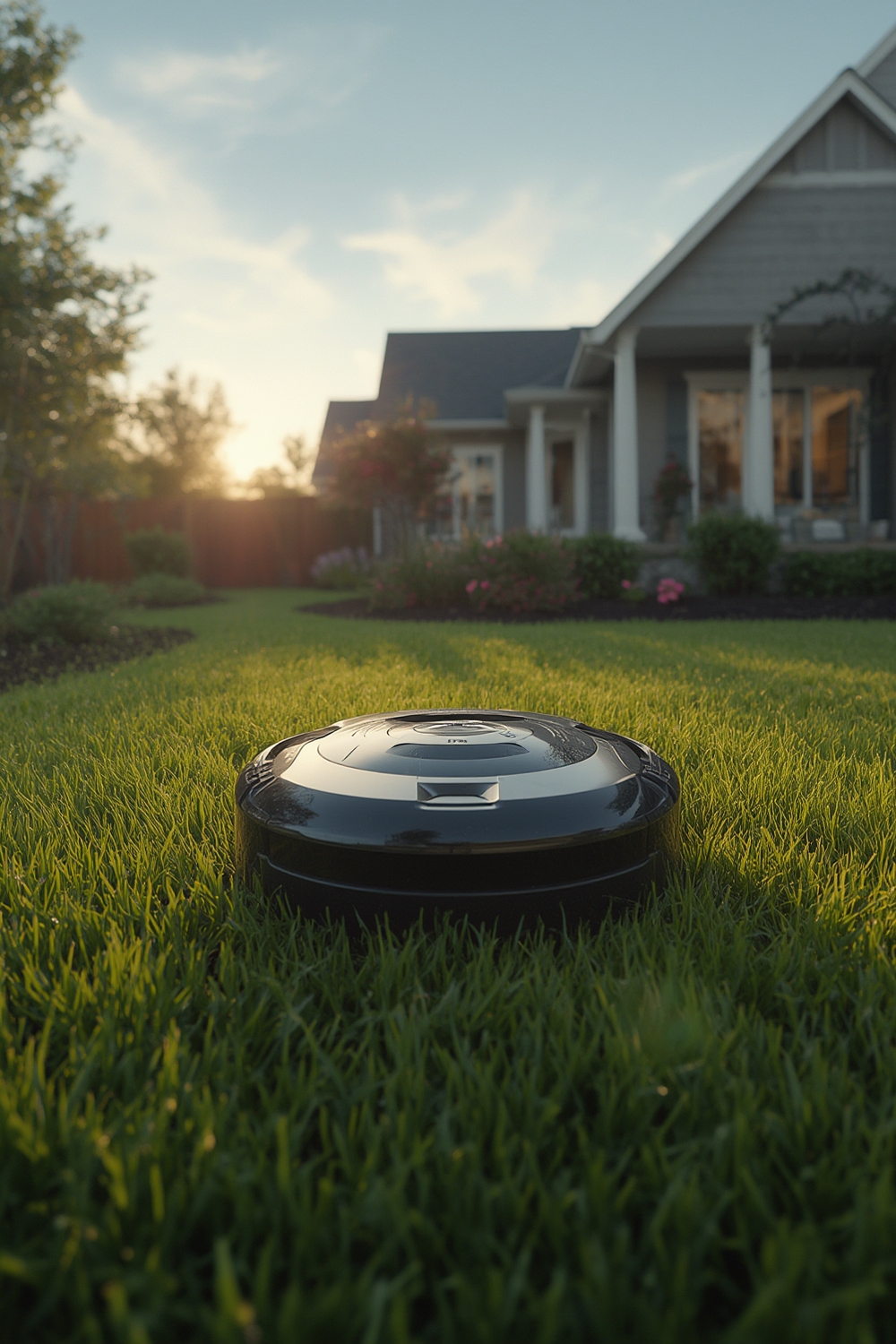
Robot mowers save you significant time on weekly chores, help improve grass health through more frequent cuts, and reduce noise and air pollution compared to gas mowers. With the global robot lawn mower market projected to double in size between 2024 and 2030, more homeowners are considering this upgrade.
However, choosing the right model— and understanding installation, terrain suitability, and long-term costs — is critical for a good experience. The residential market now makes up about 65% of total sales, dominated by medium-sized lawns between 0.25 and 0.5 acres [source].
Robot mowers often suit people who value their time, want a neat yard with little effort, and are ready for some one-time setup or troubleshooting. As with any automation, there are real limitations and learning curves.
For those also tackling weeds or garden care, check out our ultimate stirrup hoe guide or our organic weed control tips.
Step-by-Step Guide
Ready to upgrade? Here’s exactly how to choose and set up a robot lawn mower that matches your lawn.
- Assess Your Lawn’s Shape and Obstacles
Walk your yard and list obstacles: trees, flower beds, slopes, play equipment. Robot mowers handle simple open spaces best. Yards with lots of landscaping or narrow passages may require more tweaking. - Set Your Budget and Must-Have Features
Decide if wireless navigation (GPS/RTK), smartphone app control, or weather sensors are essential or just nice-to-haves. For medium lawns, a mid-priced model often provides the best value. Learn more about efficient garden upgrades in our electric garden tools guide. - Choose Boundary Wire, GPS, or Hybrid Navigation
Boundary wire systems are common and reliable, but require physical installation. GPS models usually cost more up front but save on setup and can adapt to changing lawn layouts. If unclear, get retailer advice. Medium-priced models dominate sales, but high-end units offer advanced features for complex lawns [source]. - Plan Your Installation
If choosing a boundary wire model, sketch your yard and plan the loop. Installation can take a few hours for most yards. GPS models may require simple smartphone calibration but also a strong signal across the yard. - Perform the Initial Mower Setup
For wire-based models, bury or stake the wire around the perimeter and key obstacles. Connect the charging base and ensure it is on a flat, sheltered surface with access to power. Download any mobile apps, connect the mower, and walk through any “teach-in” runs or software updates. - Test and Adjust
Run the mower during daylight and monitor for missed patches, navigation errors, or stuck points. Adjust wires or software zones as needed. Consult your mower’s tech support if it consistently misses spots or fails to dock. - Maintain for Long Life
Regularly clean blades, check for debris, and inspect the perimeter wire or GPS sensors. Battery replacement is usually needed after two to four seasons, which is a major ongoing cost. For extra time- and water-savings, combine your mower with a smart irrigation controller.
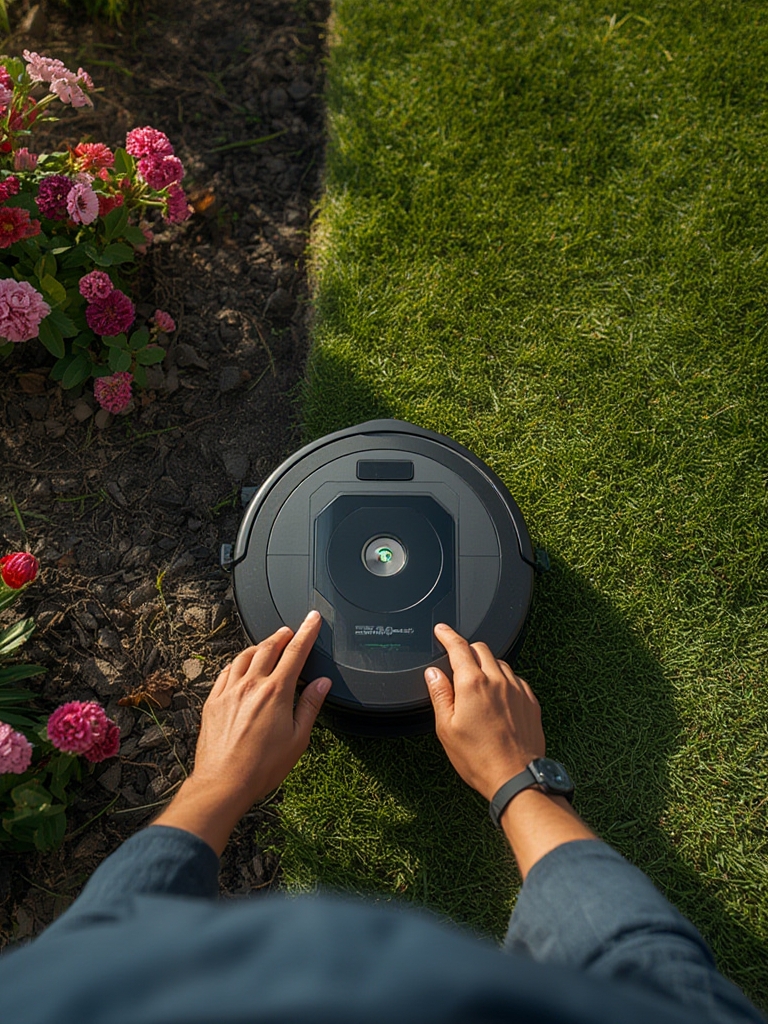
Don’t forget: Always test new mower settings during a week of good weather, and keep small objects like hoses off the lawn.
Advanced Analysis & Common Pitfalls
Robot lawn mowers are rapidly improving, but user experience often falls short of the marketing. Here’s a realistic look at potential issues and what the market data tells us.
Market Gaps: What Competitors Often Miss
- Installation Complexity: Users often underestimate the time and effort required to install and fine-tune boundary wires. While GPS-based models avoid this, they may struggle in areas with weak signals or trees that block satellite reception.
- Maintenance Costs: Battery replacements are expensive and often not discussed upfront. Wire breaks and software updates can be recurring headaches. There’s a lack of long-term data on maintenance and repair costs for different mower types.
- Performance on Hills and Rough Terrain: Battery-powered mowers have real limits on slopes and uneven lawns. Most aren’t rated for more than a 20–25 degree incline, and wet or bumpy ground can stop them. R&D is ongoing, but if your lawn is especially hilly, you may be disappointed[source].
Typical User Complaints
- Setup can take hours, especially for irregularly shaped yards or those with many garden beds
- Mowing patterns may leave visible tracks or miss tricky corners without careful adjustment
- Some wireless systems lose accuracy near metal fences, large trees, or utility wires
- Online reviews often cite noise and reliability as major differences between basic and premium models
Table: GPS vs. Boundary Wire Robotic Lawn Mowers
| Criteria | Boundary Wire | GPS-Based / Wire-Free |
|---|---|---|
| Installation | Requires manual wire placement and connection; can be time-consuming | Quicker app/calibration setup but can struggle in areas with low GPS signal |
| Adaptability | Lawn layout changes require wire re-routing | Adapts easily via software or map editing |
| Reliability | Physical wire unlikely to be affected by weather; easy for mowers to follow | May glitch or drift if GPS accuracy drops (trees, fencing, weather) |
| Upfront Cost | Generally lower for base models | Tends to be higher, but may save labor on setup |
| Maintenance | Wire repairs needed if cut or damaged by yardwork | Firmware and app updates required; less physical maintenance |
| Best For | Simple, small-to-medium lawns with few obstacles | Larger or evolving landscapes; users who want remote adjustments |
If you’re looking for other modern lawn alternatives, such as clover lawns or drought-tolerant grasses, explore our comprehensive guides for more options before committing.

Conclusion
The right robot lawn mower can eliminate your least favorite chore while delivering a neat, consistent cut. But setup, ongoing maintenance, and compatibility with your lawn’s unique features all affect total satisfaction and cost. As the market grows rapidly, weigh the pros and cons, and test carefully before buying. For smart lawn care, the robot lawn mower is a contender—but not a no-brainer for everyone.
Still want to automate your yard? Compare models closely, read real user reviews, and consider combining with smart home upgrades for best results. Ready to get started? Research your options—or revisit your landscaping plan — today.
FAQ
Do robot lawn mowers work on uneven or sloped yards?
Most robot mowers handle small slopes, but performance can drop above 20–25 degrees or on rough, bumpy lawns. Check the incline and lawn conditions before you buy. For very uneven ground, consider manual mowing or a hybrid approach.
How much maintenance does a robot mower require?
Regular cleaning of blades and wheels is needed. Battery replacements and software updates add recurring costs. Boundary wires may need repair after digging or other yard work.
Are GPS-based models worth the extra money?
GPS or wire-free mowers save time on setup and are more adaptable if you frequently change your lawn layout. However, they may cost more and sometimes suffer from reduced accuracy under trees or near metal fencing.
Can a robot lawn mower replace my riding or gas mower?
For mid-sized, open residential lawns, yes. For very large areas, complex gardens, or steep slopes, a traditional mower may still be needed for some sections. Many homeowners use both in combination.
