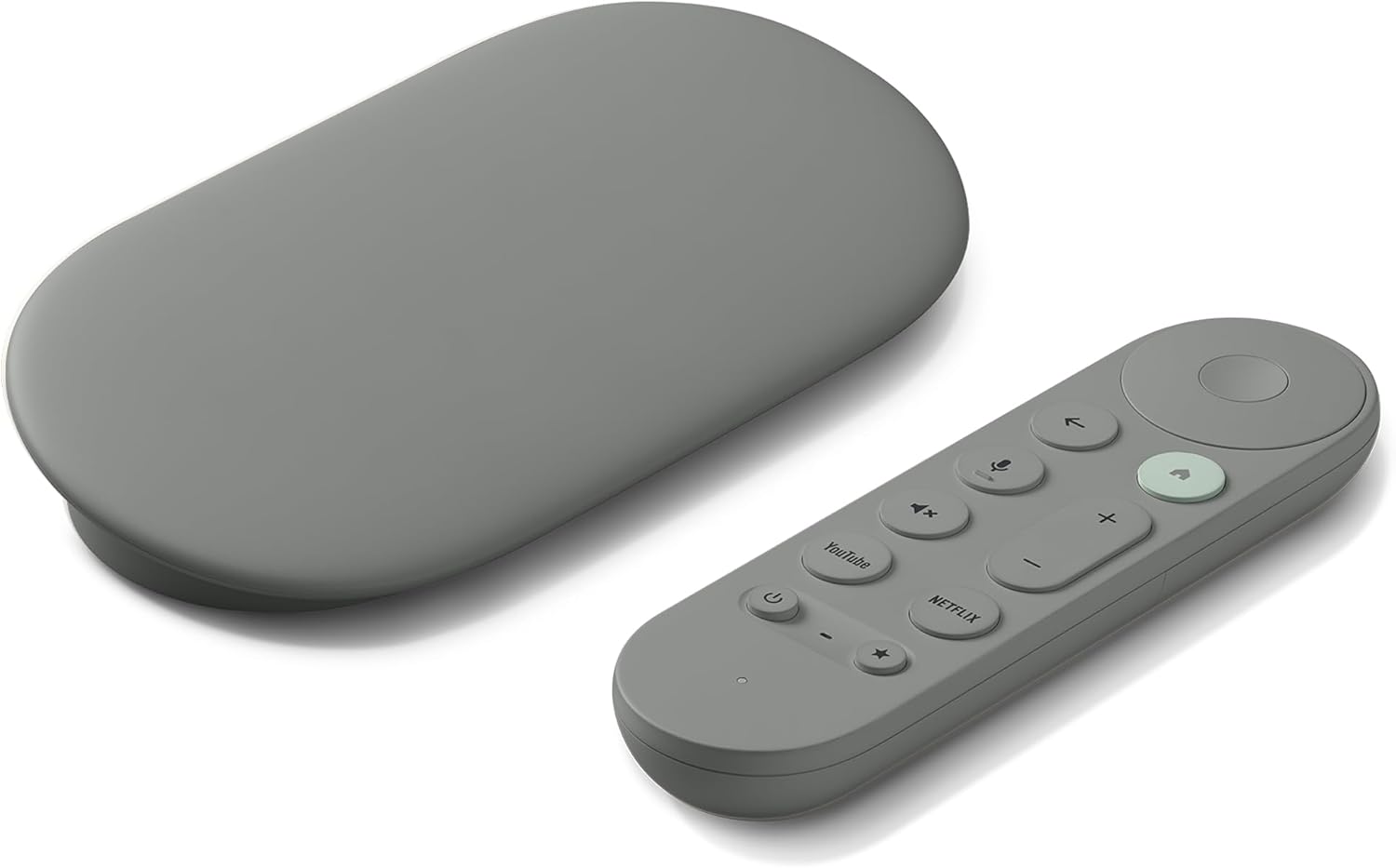
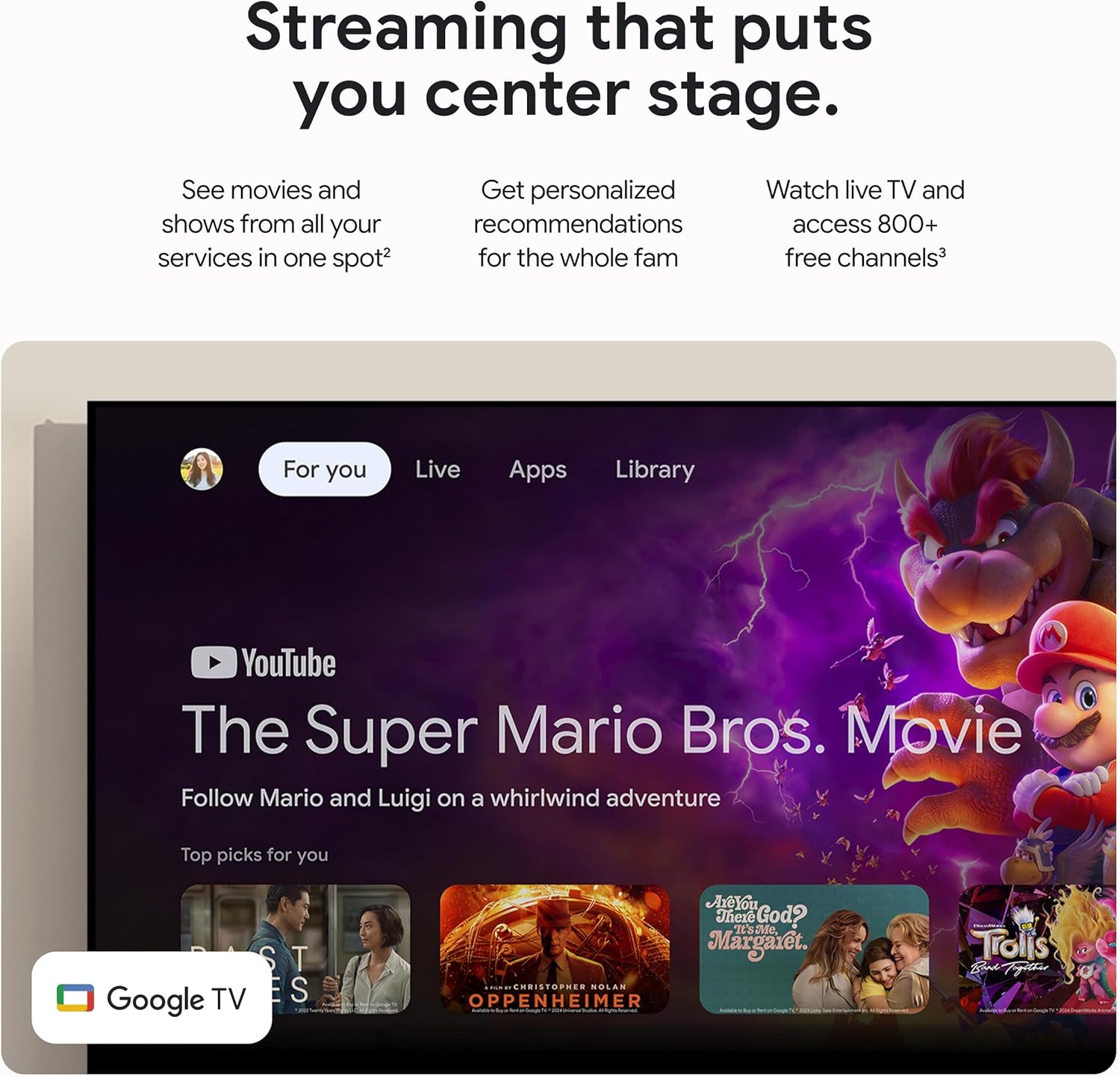
The Google TV Streamer (4K) brings cinema-quality entertainment to your living room with 4K UHD, HDR10+, and Dolby Vision support. Its voice-enabled remote, fast performance, and smart home integration make streaming movies, shows, and apps seamless and intuitive. Upgrade your home entertainment setup today for a smarter, more immersive viewing experience.

Google TV Streamer: The Effortless 4K Upgrade I Use for Faster Streaming + Smarter Home Control
- Overall (What Hi‑Fi)
- Picture Quality (What Hi‑Fi)
- Sound Quality (What Hi‑Fi)
- Features (What Hi‑Fi)
- Performance / Responsiveness (Wired)
- Value / Price‑Performance (PCWorld)
4.1/5Overall Score
Specs
- Overall Verdict (FlatPanelsHD): 3.5 / 5
- User Experience & Responsiveness (Wired): ~ 4.5 / 5
- Features & Smart Home Integration (The Verge): ~ 4.0 / 5
- Performance / Speed (AVForums): ~ 4.2 / 5
- Value for Price (PCWorld): ~ 3.8 / 5
- ound / Media Capabilities (FlatPanelsHD / review commentary): ~ 3.0 / 5
Pros
- 4K UHD Streaming
- Dolby Vision & HDR10+ Support
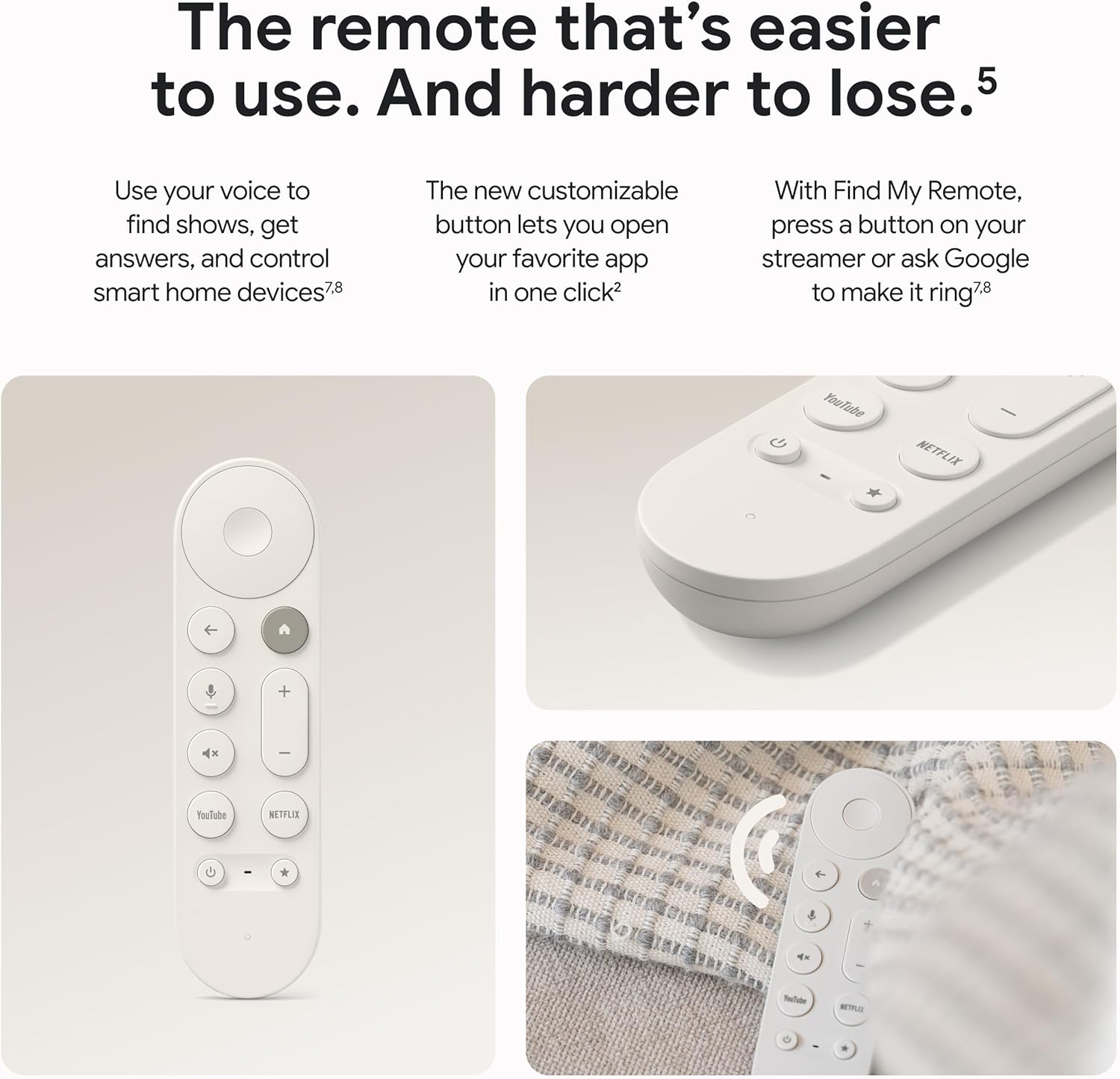
- Voice Remote with Google Assistant
- Smart Home Integration (Matter & Thread)
- Fast Performance & Responsive UI
Cons
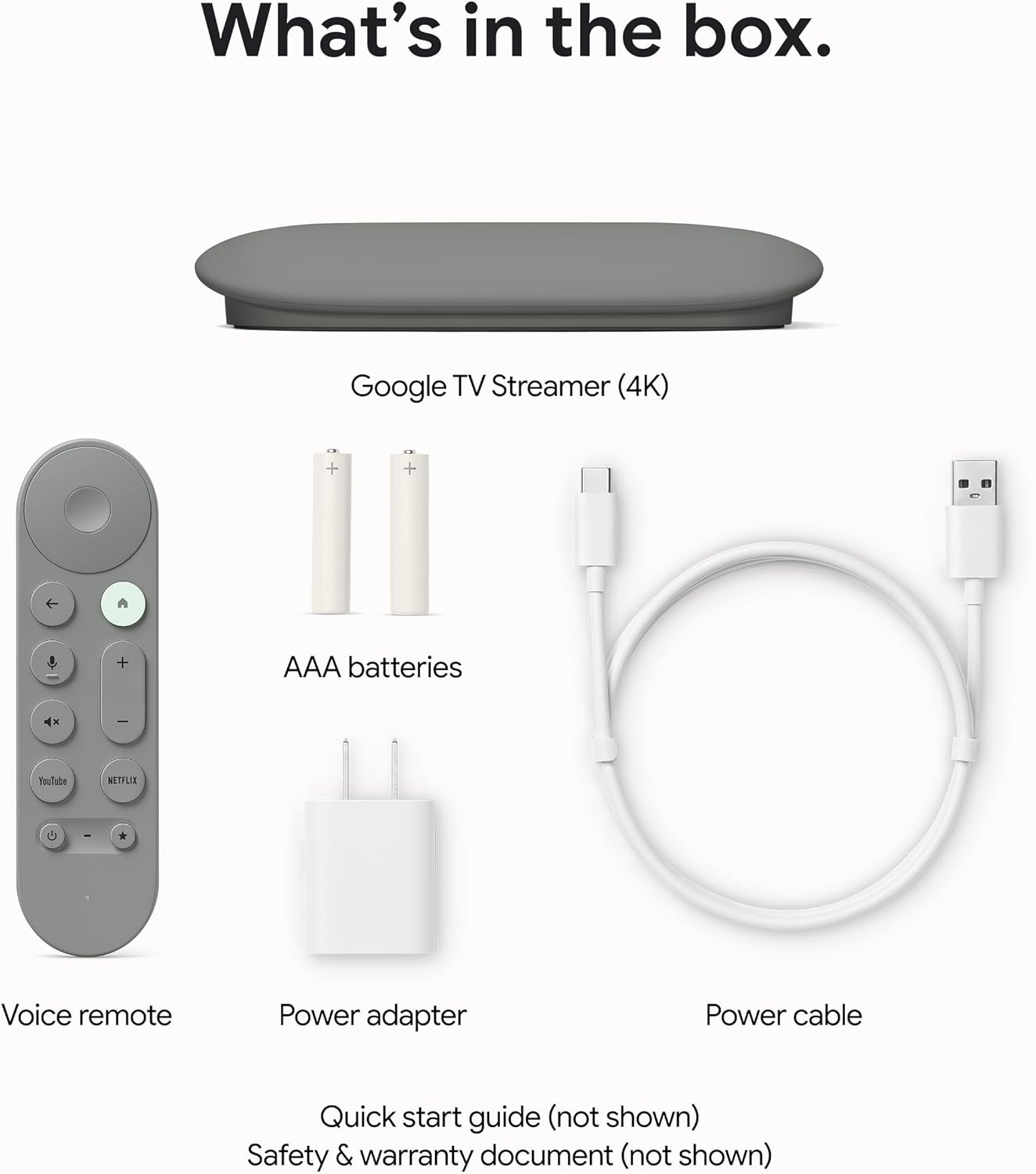
- HDMI cable not included
- Lacks Wi-Fi 6 support
- Higher price than competitors
Google TV Streamer was the easiest “small device, big difference” upgrade I’ve made for my TV setup—especially when I wanted smoother navigation, more storage, and a cleaner smart-home dashboard on the big screen. Google positions it as a 4K HDR streamer with support for Dolby Vision and Dolby Atmos, which is exactly the kind of spec combo I want when I’m trying to make movie nights feel more premium without buying a new TV.
If you’re a homeowner, apartment renter, or first-time buyer setting up a living room (or even a kitchen TV corner), this is one of those purchases that improves daily comfort fast: quicker app loading, fewer buffering headaches, and easier control over compatible smart-home devices.
Product on Amazon: https://www.amazon.com/dp/B0FN1N8HGT
Why I chose Google TV Streamer
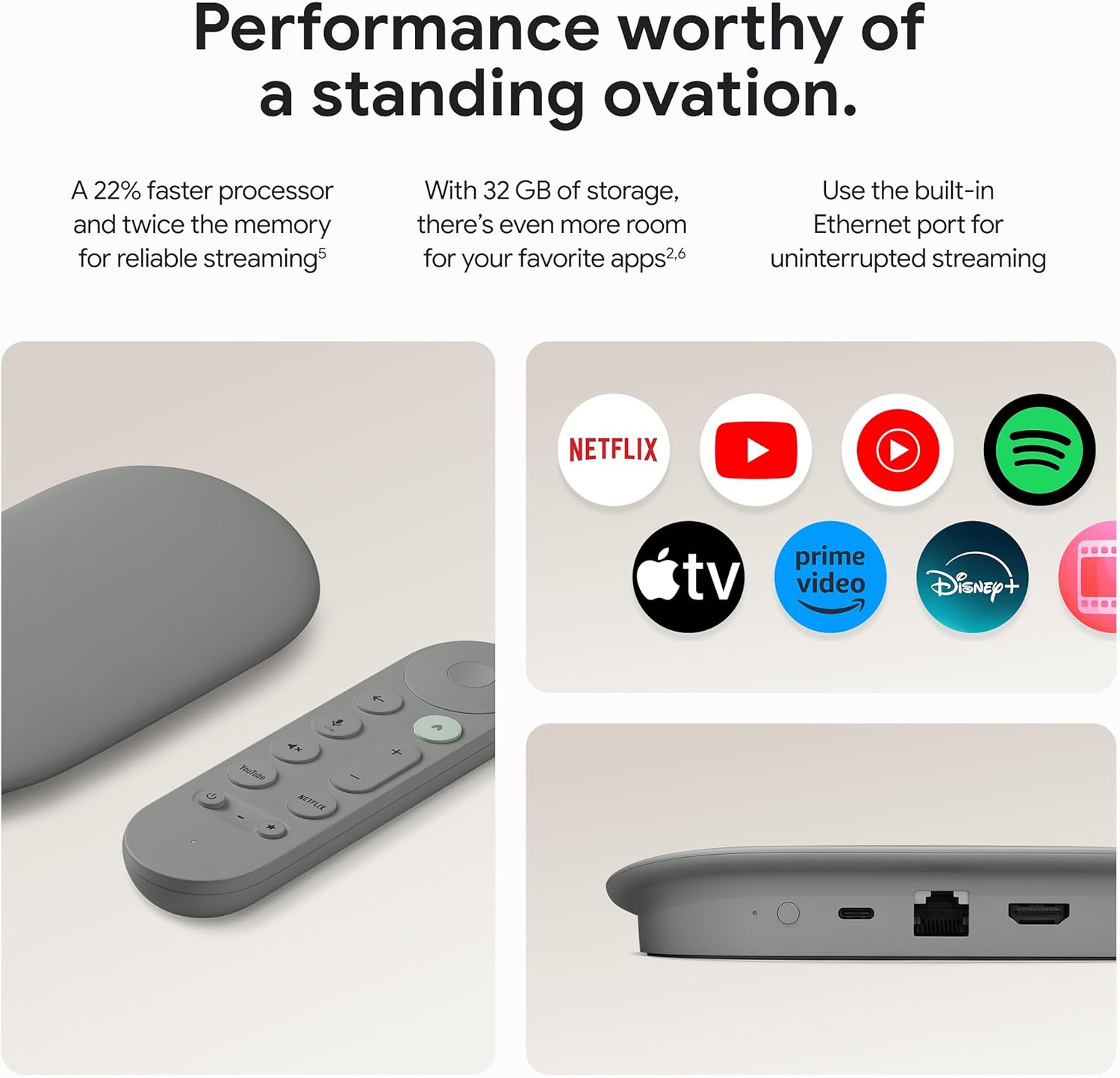
I like streaming devices that “disappear” into the home—meaning I don’t think about them once they’re installed. What pushed me toward Google TV Streamer is that it’s built more like a small set-top box than a tiny dongle, and it adds real practical upgrades: 4GB memory, 32GB storage, HDMI 2.1, and built-in Ethernet.
Here’s what I actually notice in daily use:
- Smoother scrolling and faster app switching thanks to the updated hardware platform (Google notes a faster processor vs the previous Chromecast generation).
- More storage headroom (32GB) so I’m not constantly managing apps.
- Better stability when I can run Ethernet (especially in apartments with crowded Wi‑Fi).
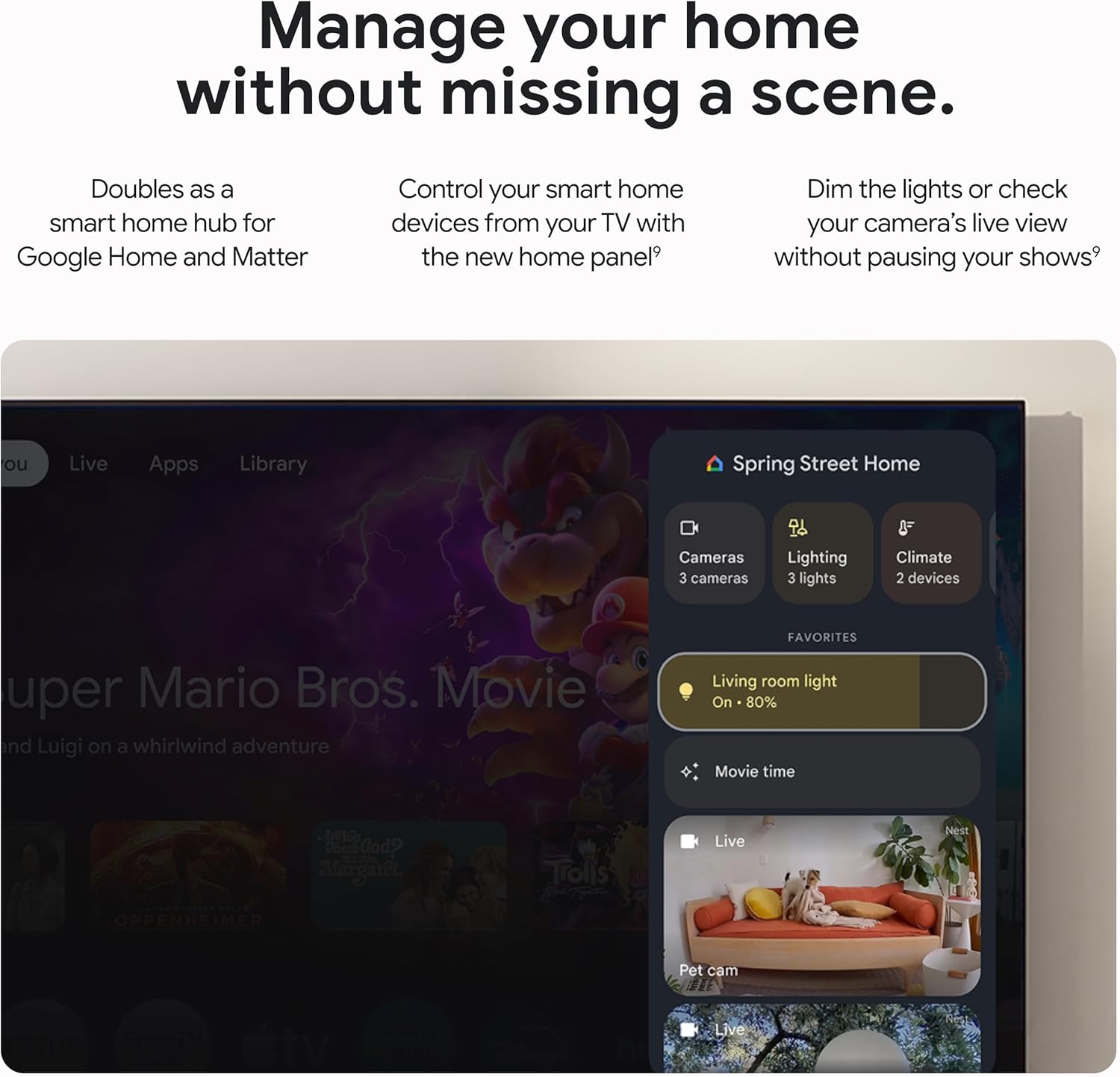
- Smart-home expansion because it supports Matter and functions as a Thread border router.
Google TV Streamer specs that matter (not just marketing)
When someone asks me whether a streaming device is “worth it,” I focus on the specs that prevent frustration: video formats, audio formats, storage, and wired connectivity.
Google TV Streamer highlights (the ones I care about):
- Up to 4K HDR at 60 FPS.
- Dolby Vision, HDR10, HDR10+, and HLG video support.
- Dolby Digital, Dolby Digital Plus, and Dolby Atmos support (Atmos via HDMI pass-through).
- Wi‑Fi 802.11ac + Bluetooth 5.1.
- 4GB memory + 32GB storage.
- USB‑C (power/data), HDMI 2.1, and Ethernet (1Gbps).
The living-room setup I recommend (home improvement mindset)
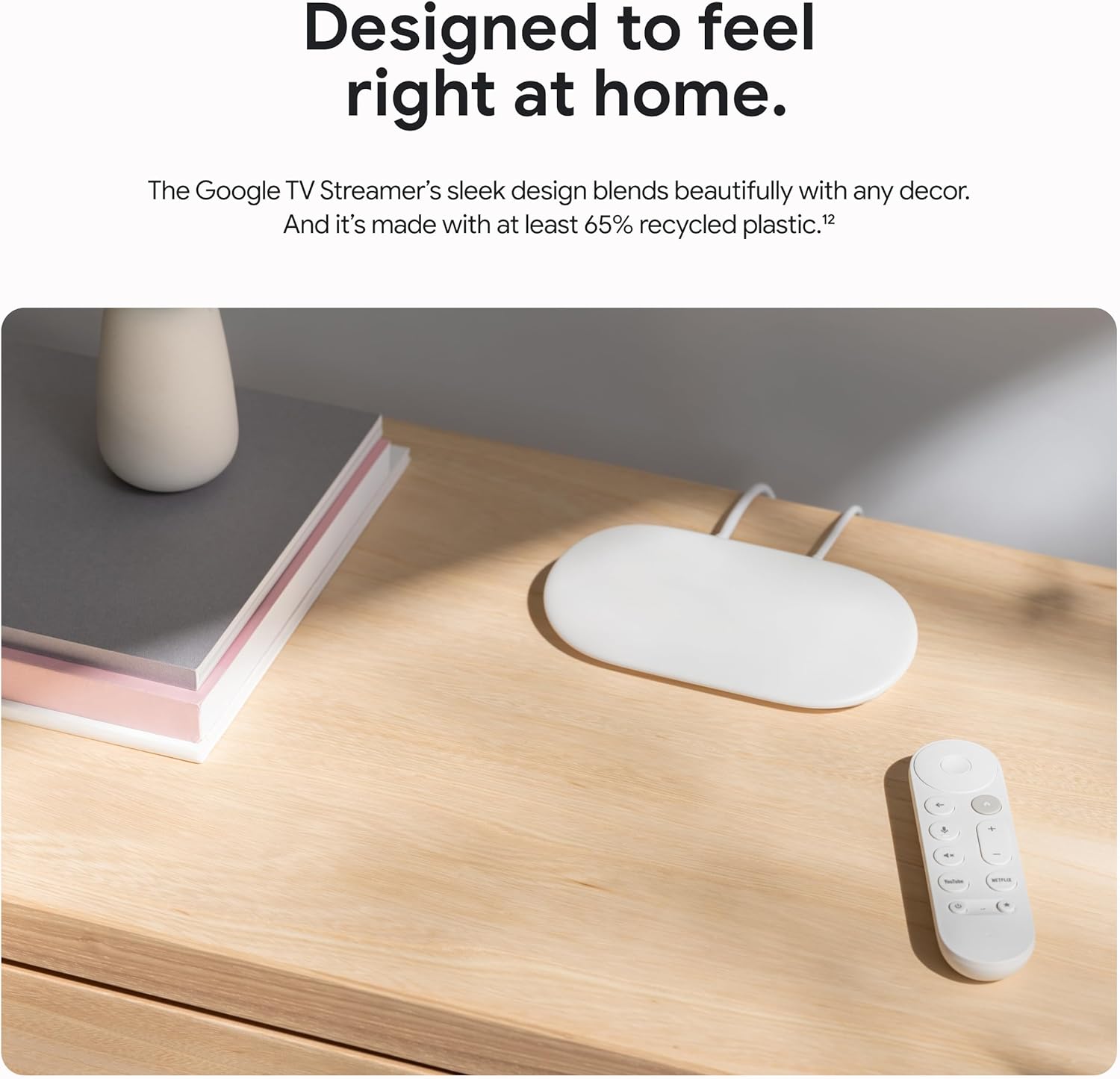
I treat a streaming device like a tiny home-improvement project: it should reduce clutter, keep cables tidy, and fit your furniture layout. With the Google TV Streamer, I prefer placing it where it can “breathe” (not jammed behind a TV pressed against the wall), then I run a short HDMI cable to keep the media console looking intentional.
My quick placement rules:
- Put it inside or on top of a media console with a clean line to the TV (HDMI cable management matters more than people think).
- If you have Ethernet available, use it—especially in apartments where Wi‑Fi congestion causes random buffering.
- Keep the remote somewhere consistent (or pick a setup that supports remote-finding features if you’re always losing it—several reviews highlight this as a quality-of-life upgrade).
Kitchen-friendly streaming (yes, it matters)
A kitchen TV setup is usually about convenience: quick YouTube recipes, background shows, sports while meal prepping, or calming music videos when pets get restless. In that environment, I care less about “audiophile perfection” and more about stable playback and easy voice control—because my hands are often messy or I’m moving around.
If you’re building a kitchen setup, Google TV Streamer is a strong fit because:
- It supports modern HDR formats that make bright kitchens look less washed out (especially with Dolby Vision/HDR10+ content).
- It can sit on a shelf or counter-adjacent nook, rather than hanging from the TV like a dongle.
The smart-home angle: Matter + Thread is the real bonus
This is the part many buyers miss: Google TV Streamer isn’t only for entertainment—it can act as a smart-home hub with Matter support and Thread border routing. In real life, that means the TV becomes a “control center” where you can manage compatible lights, plugs, sensors, and more—without grabbing your phone every time.
Why I think this matters for homeowners and renters:
- Matter is designed to simplify cross-brand smart-home compatibility and improve local control reliability.
- Thread works as a mesh networking technology for smart devices, and Google provides guidance on how Thread devices pair with Google TV Streamer and integrate into Google Home.
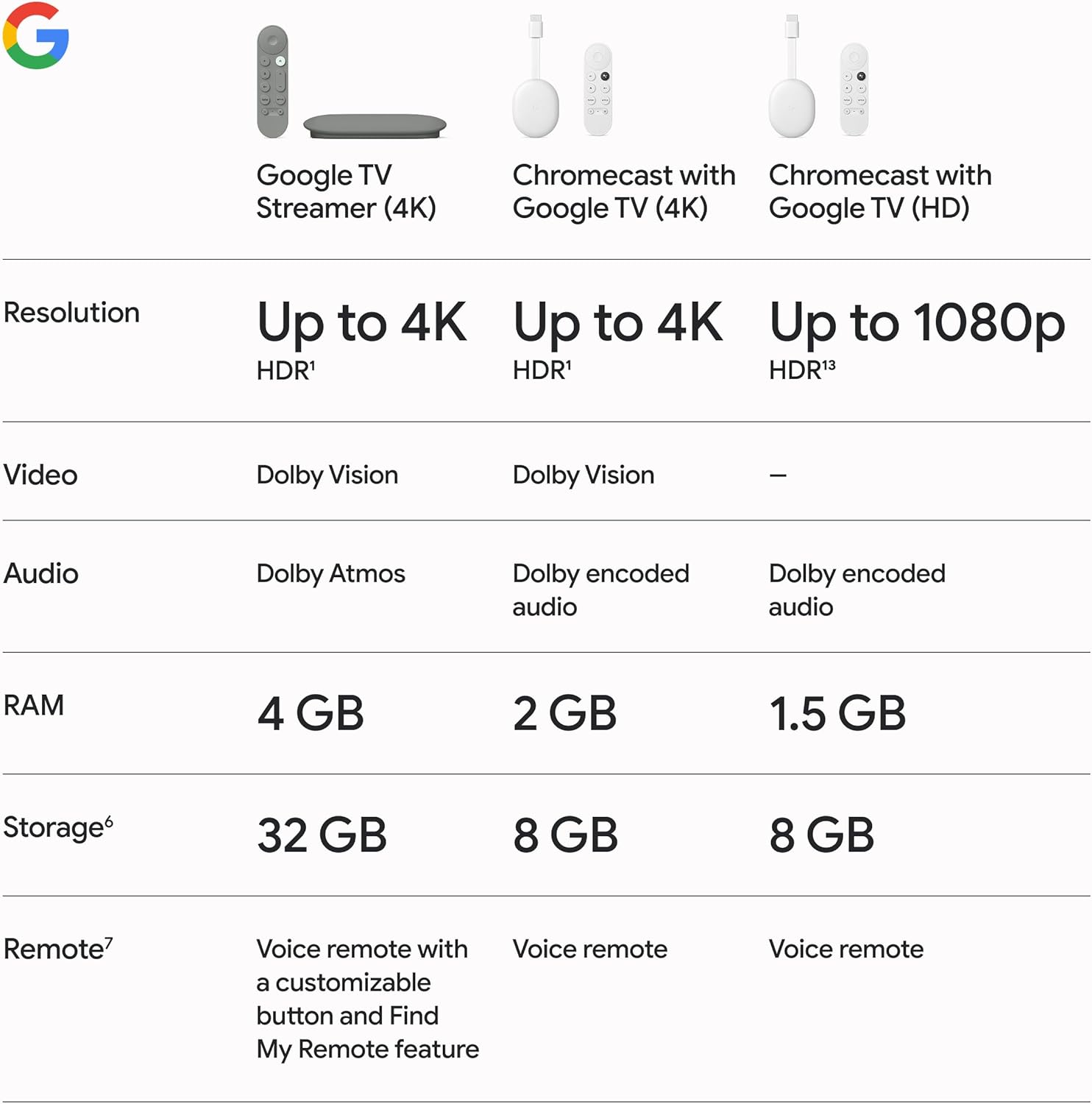
Google TV Streamer vs Chromecast with Google TV (what I’d pick)
If you’re deciding whether to upgrade, this is the cleanest way I compare them: performance/storage, ports, and smart-home capability.
If you want the best “set it and forget it” experience for a main living-room TV, Google TV Streamer is the upgrade I’d make. If you’re outfitting a secondary TV or you’re on a strict budget, the older Chromecast-style approach may still be “good enough,” but you lose some of the newer hub benefits and convenience.
My setup checklist (fast, frustration-free)
When I set up a Google TV Streamer, I do it in this order so I don’t chase random bugs later:
- Connect HDMI to the TV (HDMI 2.1 supported) and power via USB‑C.
- Connect Ethernet if available (or confirm strong 5GHz Wi‑Fi).
- Update firmware immediately (this prevents early performance glitches on many devices).
- Sign in, install only essential apps first, and test playback in 4K HDR.
- If you use smart-home devices, enable Matter/Thread features inside Google Home setup flows.
Who should buy Google TV Streamer?
I recommend Google TV Streamer when the goal is better daily usability, not just “another way to open Netflix.” It makes the most sense if you’re upgrading a main TV, want Ethernet, care about Dolby Vision/Atmos compatibility, or want the device to double as part of a Matter/Thread smart-home foundation.
Product on Amazon: https://www.amazon.com/dp/B0FN1N8HGT
FAQ
Is Google TV Streamer a good upgrade from Chromecast with Google TV?
Yes if you want more storage/RAM, better connectivity options, and stronger “smart home hub” capability—those are the common upgrade points reviewers highlight.
Does Google TV Streamer support Dolby Vision and Dolby Atmos?
Yes—Google lists Dolby Vision among supported video formats and includes Dolby Atmos support (via HDMI pass-through).
Can Google TV Streamer work as a Matter hub and Thread border router?
Yes—Google’s official specs list Matter support and Thread border router functionality as smart-home connectivity features.

- The Google TV Streamer (4K) delivers your favorite entertainment quickly, easily, and personalized to you[1,2]
- HDMI 2.1 cable required (sold separately)
- See movies and TV shows from all your services right from your home screen[2]; and find new things to watch with tailore…