

Pet Hair Remover Glove is the quiet hero for pet owners who want a cleaner home without a struggle. If you’re tired of fur on furniture, clothes, and floors, this guide will show you how these gloves really work, what to expect, and how to get the most from them based on current 2024 data.
Key Takeaways
- Global sales of pet hair remover gloves are rising fast, with a projected market value of $2.5 billion by 2032.
- Material choice matters—rubber for durability, silicone for comfort, and microfiber for dual-purpose cleaning.
- Practical use is simple, but performance varies by surface and there are still some downsides buyers need to know.
- What Are Pet Hair Remover Gloves and Why Use Them?
- Step-by-Step Guide: Using Pet Hair Remover Gloves Effectively
- Advanced Analysis & Common Pitfalls
- Conclusion
- FAQs
What Are Pet Hair Remover Gloves and Why Use Them?
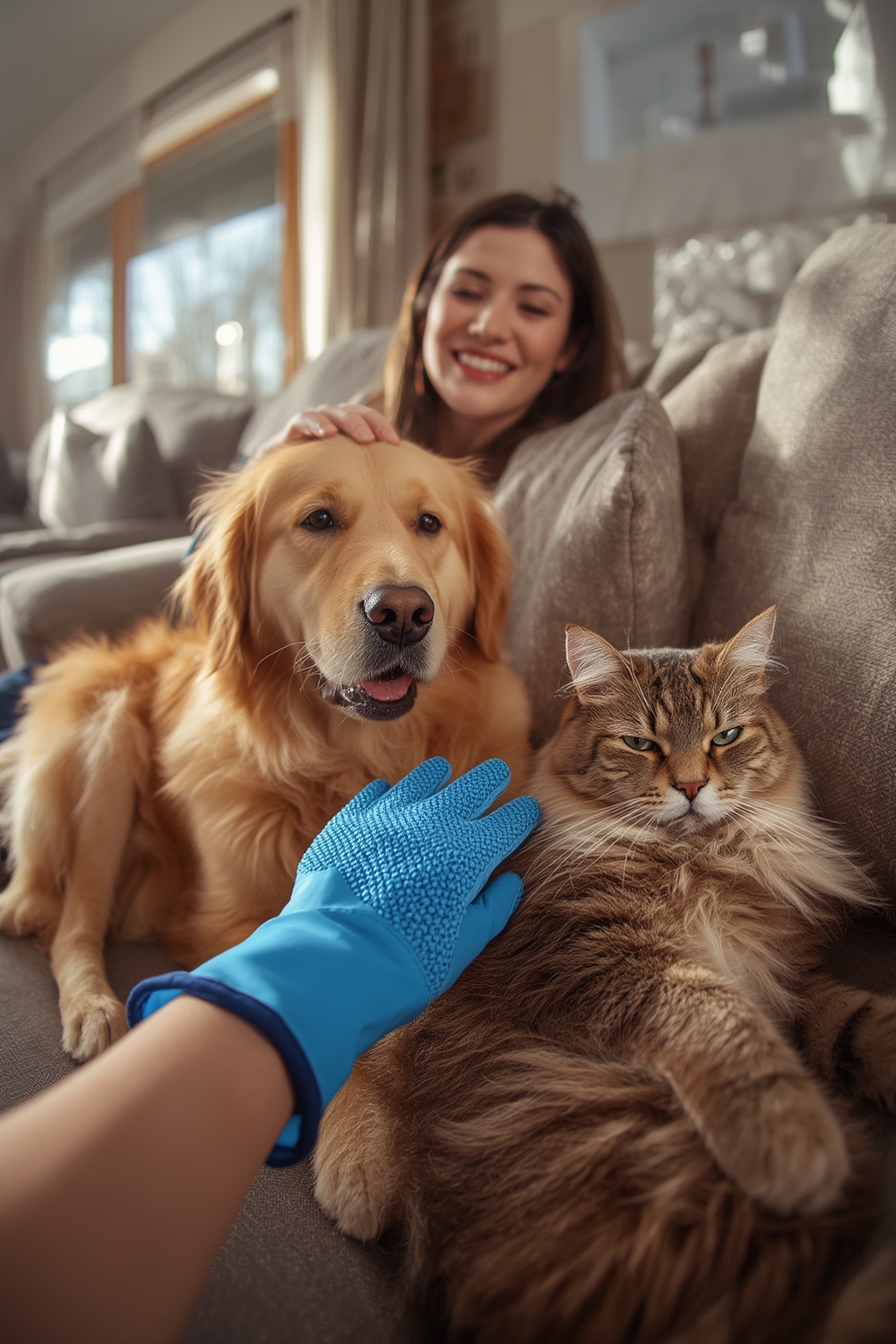
Pet hair remover gloves are wearable grooming tools designed to lift loose fur from cats and dogs while providing a gentle massage. Unlike standard brushes or rollers, these gloves use soft, flexible tips made from rubber, silicone, or microfiber to attract and trap hair as you pet your animal. Their growing global popularity is backed by a market expected to double in size by 2032, mainly because they make fur removal less of a chore and more of a bonding activity. Rubber models lead the market thanks to their resilience, while silicone gloves are liked for comfort and flexibility. For multi-surface performance, microfiber gloves offer an added bonus by wiping surfaces clean as well.
Step-by-Step Guide: Using Pet Hair Remover Gloves Effectively
Follow these simple steps to make the most out of your pet hair remover glove and stay ahead of shedding season—whether on pets or around your home.
- Select the right glove for your pet and surface: Rubber gloves for heavy shedding and durability, silicone for pet comfort, or microfiber for dual-use (pet and furniture).
- Fit the glove snugly: Make sure it covers your entire hand and fingers for complete control.
- Start on a relaxed pet: Let your pet sniff and get used to the glove before you begin.
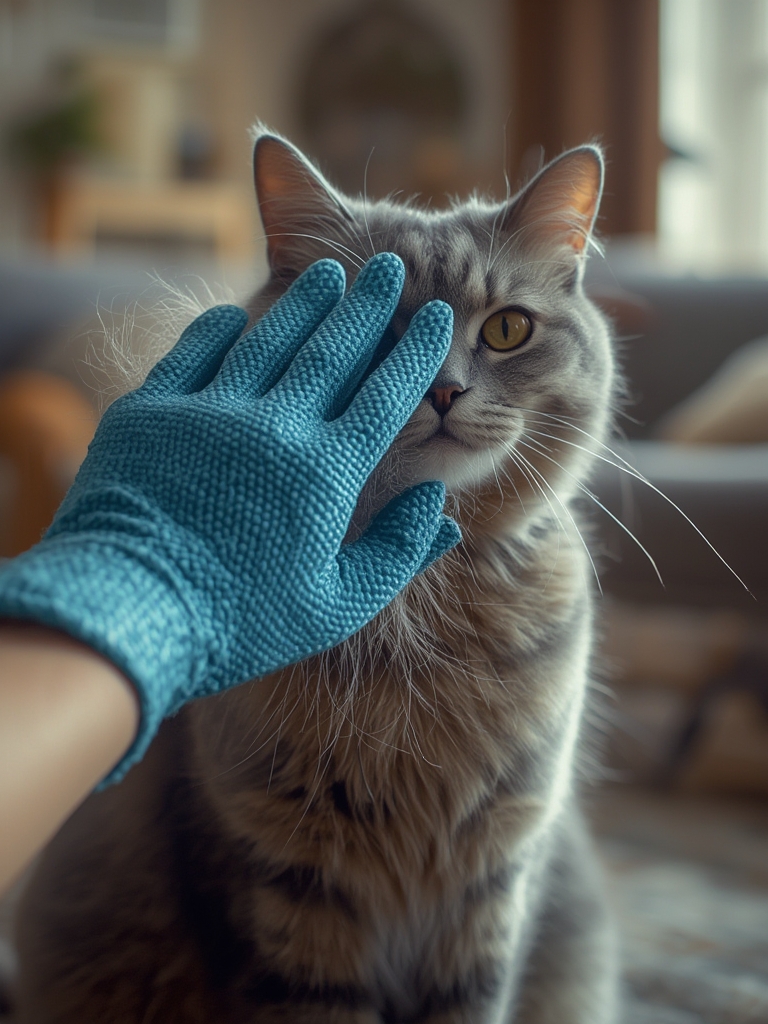
- Use gentle, firm strokes: Stroke with the lay of the fur, focusing extra on high-shed areas like undercoat, back, and haunches.
- For furniture, use sweeping motions: Wipe furniture, bedding, or car interiors with the glove to collect stray fur.
- Remove collected hair often: Peel fur off the glove every few strokes to keep it working efficiently.
- Rinse and maintain: After use, wash the glove with mild soap and water. Air dry to maintain its grip and flexibility.
Want more cleanup ideas for a fur-free home? See our Complete Guide to Furniture Cleaning for surface-safe solutions, or check out how proper pet shampoos can reduce dander right at the source.
Advanced Analysis & Common Pitfalls
While pet hair remover gloves are convenient, they’re not always flawless. Here’s what 2024 market and material data reveal about their advantages, incomplete solutions, and potential irritations for realistic buyers.
- Material limitations: Rubber gloves are sturdier but can feel stiff for sensitive pets. Silicone gloves are comfortable but may wear down with frequent, heavy use (especially for big-shed dogs). Microfiber gloves are great for cleaning, but sometimes less effective for thick undercoats.
- Surface-specific results: Gloves work best for large surfaces and short to medium hair. Long-haired pets, or stubborn fur on carpets, may still require a traditional brush or lint roller. For deep carpet cleaning, a dedicated vacuum or other pet hair tool may be necessary.
- Lack of allergy guidance: Current data doesn’t cover hypoallergenic material certifications, so owners with skin sensitivities should spot-test before regular use.
- Cost and durability: While the market is growing, prices and longevity still vary. Most gloves are reusable and affordable compared to professional grooming, but frequent replacement may be necessary for heavy users. Exact cost savings over time haven’t been quantified in recent studies.
- No one-size-fits-all: If your pet is anxious about new sensations or if mats already exist in their fur, a glove may not replace a detangler or wide-tooth comb for every scenario.
| Feature | Pet Hair Remover Glove | Traditional Brush |
|---|---|---|
| Use Case | Grooming, gentle daily de-shedding, surface cleaning | Deep de-shedding, mat removal, breed-specific grooming |
| Material Advantages | Comfort, flexibility, easy to use on both pets and furniture | More effective on thick or tangled fur, variable stiffness |
| Downsides | May not work for mats, can be less effective on long hair | Can be harsh, less fun and comfortable for the pet |
If shedding is contributing to allergies or respiratory issues at home, consult the Complete Guide to Pet Health and consider other air quality measures or grooming adjustments. For a simple solution to repeated messes, view our Dog Harness Guide to support stress-free walks and grooming routines.

Conclusion
Pet hair remover gloves are gaining traction worldwide for a reason—they offer stress-free loose hair removal, daily comfort for your pet, and a fast path to cleaner spaces. While material choice and technique play a big role in success, and not every glove is perfect for every fur type, the trend is clear: they’re versatile tools with real benefits. As you compare your options, use this guide and cited research—such as those from Wise Guy Reports—to find what works for your needs. Don’t forget to explore related tools, like high-quality dog bowls or best dog toys, to complete your pet care routine. Ready to experience the difference? Try a pet hair remover glove today and see the results for yourself.
FAQs
Are pet hair remover gloves safe for all animals?
Most pet hair remover gloves are designed for cats and dogs, but always check the product’s guidelines. For pets with sensitive skin or anxious about new textures, introduce the glove gradually and monitor for any irritation.
How often should I use a pet hair remover glove?
For heavy shedders, daily use keeps fur under control. For lighter shedding breeds, two to three times a week is often enough.
Can I use these gloves on furniture and clothing?
Yes. Most gloves pick up hair from couches, beds, and car seats. For best results, use a microfiber glove or slightly dampen the glove to boost hair pickup on fabrics.
Do pet hair remover gloves reduce allergies?
They help reduce airborne fur and dander, but they won’t replace thorough cleaning routines or air filtration for households with allergies.
How long does a pet hair remover glove last?
Longevity depends on brand, material, and frequency of use. Rubber gloves typically last longer than silicone, which may wear down after repeated use.
