

Permeable pavers driveway installations are transforming the way homeowners manage runoff, prevent flooding, and build eco-friendly hardscapes. Whether you want to solve drainage issues or minimize your yard’s environmental impact, permeable pavers bring both advantages and real-world challenges. Here’s a realistic, step-by-step guide to this popular modern driveway solution.
Key Takeaways
- Permeable pavers driveways allow rainwater to soak directly into the ground, unlike regular concrete or asphalt that create high runoff.
- Common issues—like shifting, clogging, and edging failures—can be prevented by precise installation and annual maintenance.
- Regional installation costs and exact absorption rates are underexplored, but durability, storm resilience, and eco-benefits make permeable pavers a smart choice for sustainable homes.
- What Are Permeable Pavers Driveways and Why Use Them?
- How to Build a Permeable Pavers Driveway: Actionable Step-by-Step
- Advanced Analysis and Common Pitfalls with Permeable Driveways
- Conclusion
- FAQ
What Are Permeable Pavers Driveways and Why Use Them?
A permeable pavers driveway consists of interlocking pavers and a gravel or stone sub-base that allows rainwater to run through the gaps and soak into the ground underneath. Unlike typical solid surfaces, the design helps control runoff and reduces flooding, making it highly valued in areas prone to storms or restrictions on impermeable surfaces.
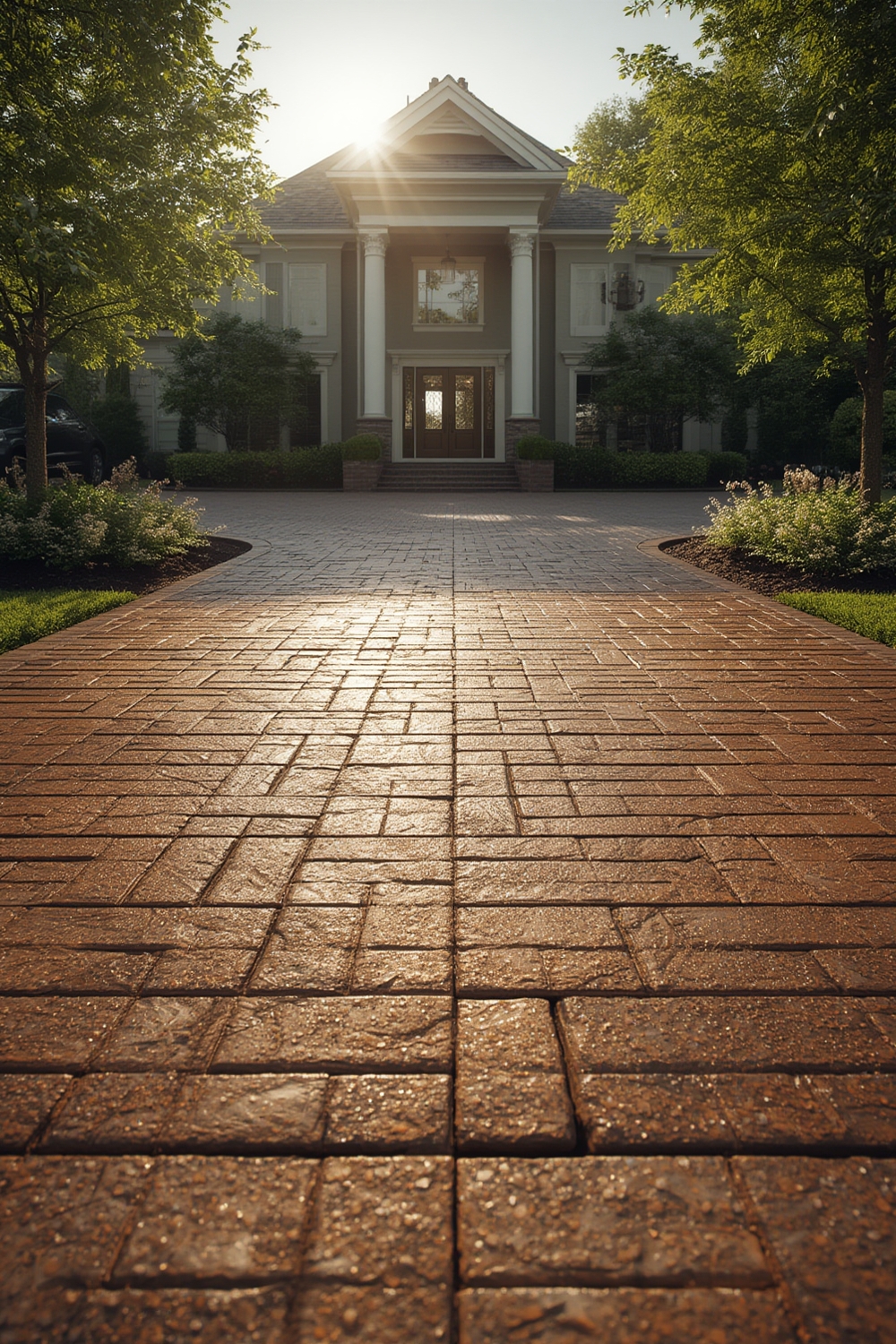
The main appeal is sustainability. By letting rainwater infiltrate naturally, you reduce the burden on storm sewers, lower the risk of pooling, and help keep pollutants out of local waterways. Recent studies (2023–2024) reinforce that permeable surfaces perform much better than asphalt or concrete for water management, though exact absorption percentages remain limited in public research. Over time, some clogging will occur, but total loss of permeability is rare if the driveway is properly maintained. Learn more about how permeable pavers control runoff.
Permeable paver driveways work across a range of climates and construction budgets, making them a leading option among eco driveway ideas. They also pair well with other sustainable building choices and landscaping upgrades. If you are already interested in green home improvements, check out our guide to sustainable building materials.
How to Build a Permeable Pavers Driveway: Actionable Step-by-Step
Achieving the draining and long-term resilience that sets a permeable pavers driveway apart is all about methodical preparation. Here is a proven, actionable build process:
- Plan & Obtain Permits: Research municipal or homeowner association requirements before starting. Many cities require drainage plans and inspection, so factor permitting into your schedule and budget. If you’re in the early planning stage for home upgrades, our guide to energy efficient upgrades is a great next read.
- Mark Out and Excavate: Mark the driveway, then excavate to 8–20 inches deep depending on soil and freeze risk. Steeper slopes may require deeper digs and additional stabilization.
- Add geotextile fabric: Lay commercial-strength geotextile fabric to separate the soil from the gravel base. This prevents soil migration and blocks weeds.
- Install Sub-Base: Fill and compact 12–18 inches of open-graded, angular crushed stone or gravel. This provides reservoir capacity for water to drain.
- Add a Bedding Layer: Spread 1–2 inches of smaller gravel or sand over the sub-base, then level and compact it for consistent paver support.
- Lay the Pavers: Arrange permeable pavers tightly in your chosen pattern. Watch for even joints and height consistency across the driveway.
- Fill Joints with Open-Graded Stone: Sweep in clean, angular gravel between pavers. This maximizes permeability while preventing joint movement.
- Edging/Restraints: Install edge restraints to prevent shifting. Extend the base at least 6 inches (15 cm) past the border for strength.
- Final Compaction & Inspection: Use a plate compactor to settle the system, then inspect for pooling or unevenness. Adjust as needed before opening the driveway to vehicles.
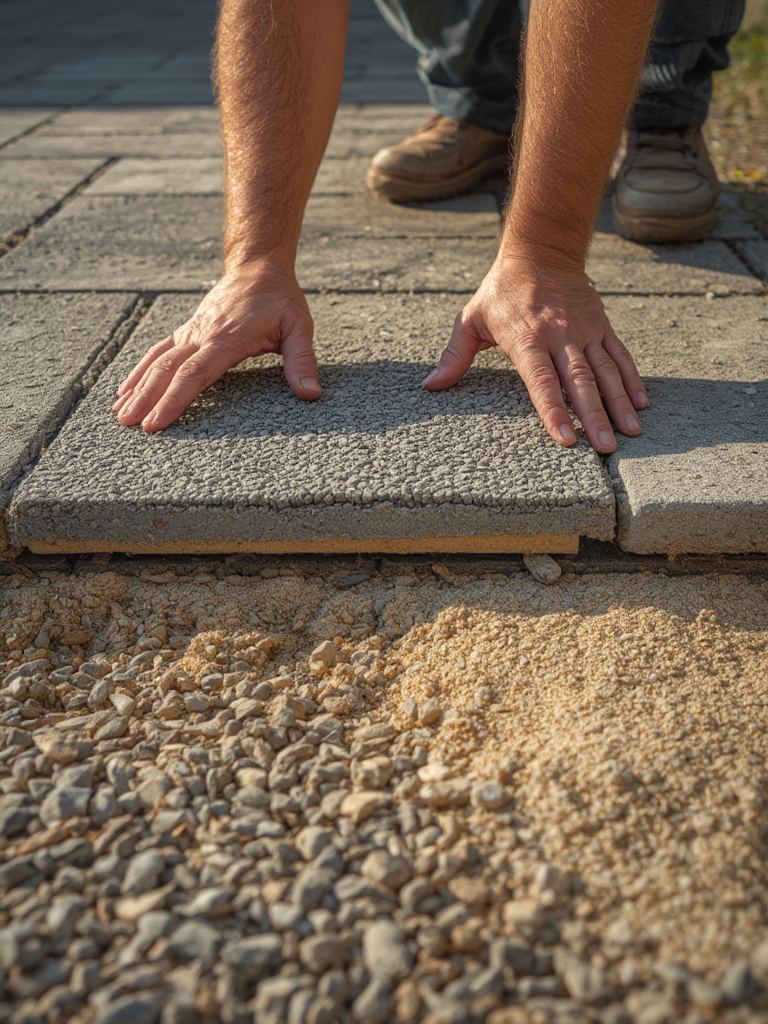
Remember, quality matters at every layer. Skipping compaction, using poor stone, or omitting edge restraints are common shortcuts that lead to rapid failure. When planning your outdoor home features, look at our ideas for covered outdoor living spaces and outdoor kitchens for maximum curb appeal and function.
Regular cleaning, annual inspection, and immediate spill cleanup will keep your permeable pavers system working for years. If you’re interested in ultra-low-water garden solutions to match your eco-driveway, our drought tolerant grass guide offers more sustainable inspiration.
Advanced Analysis and Common Pitfalls with Permeable Driveways
No driveway solution is perfect. Here’s a realistic look at what can go wrong if best practices aren’t followed, and what current research shows about long-term outcomes:
- Shifting, Sinking, Uneven Surfaces: Usually caused by shallow excavation, poor compaction, or base erosion. Prevent by excavating deep enough and adequately compacting each layer (source).
- Clogging: Sediment and organic debris can seal joints over time, reducing infiltration. Block this by using geotextile between sub-base and soil, keeping lawns well-maintained, and cleaning the surface 1–2 times per year (EPA guidance).
- Pooling and Poor Drainage: Flat driveways or blocked joints trap water. Design with a minimum slope (1–2%), add drains for larger areas, and keep drains/joints free of leaves and sediment.
- Edging and Border Failure: Missing or weak restraints let pavers spread apart, ruining the look and performance. Use quality edging and extend the sub-base beyond the perimeter (more details).
- Weed Growth: Without a geotextile layer or with poor-quality joint stone, weeds can invade. Do not use plastic sheets, which trap water and can rapidly cause failure.
- Maintenance Hassles: Stains, oil leaks, and erosion require prompt cleanup and resealing (every 3–5 years recommended).
| Risk / Issue | Why It Happens | Prevention |
|---|---|---|
| Shifting/Sinking | Insufficient base, compaction, or subgrade erosion | 8–20″ excavation, proper compaction, strong geotextile |
| Clogging | Joint fill blocked with sediment, leaves, debris | Geotextile under base, filter strips, regular cleaning |
| Pooling | Zero slope or blocked drainage | Grade 1–2% slope, keep drains clear |
| Weak Edges | No or poor edge restraints | Metal/plastic/concrete restraints, extend sub-base |
| Weed Invasion | No geotextile or poor joint fill | Install geotextile and open-graded stone at joints |
| Stains/Erosion | Oil leaks or concentrated runoff | Annual inspection, quick cleanup, sealant |
Still, even with proper design, you should expect occasional maintenance. In heavy-storm regions, supplementing permeable pavers with French drains or bioswales aids in managing peak rainfall (see details).

Before you commit, keep in mind: Some benefits of permeable pavers driveways are clear (eco-friendliness, flooding prevention), but there is much less public research on their total life-cycle impact compared to other options. Regional pricing can also vary—seek local quotes and check if any stormwater management incentives or rebates are available when budgeting your project. For more ways to make your outdoor spaces thrive, see our clover lawn and mulch alternatives guides.
Conclusion
Permeable pavers driveways are a strong choice for anyone looking to blend performance, stormwater control, and sustainability. While installation and upkeep require care and planning, most common pitfalls are entirely preventable with the right preparation. Ready to make your landscape both functional and future-proof? Contact an experienced installer today, and see how a permeable pavers driveway can enhance your home’s resilience and curb appeal.
FAQ
How much rainwater can a permeable pavers driveway absorb compared to regular concrete?
Exact percentages from recent studies are limited, but permeable driveways allow most rainwater to soak into the ground instead of running off. Traditional concrete and asphalt surfaces create high volumes of runoff. Properly maintained pavers maintain high permeability for years. (source)
What are the most common problems with permeable paver installation?
Shifting, sinking, clogging, pooling water, weak edging, weed growth, and stains. Most problems result from poor base prep, drainage errors, or skipped compaction, and can be prevented with methodical installation and annual maintenance.
Do permeable paver driveways cost more than conventional options?
Regional 2024 cost data is limited. In many markets, permeable pavers can cost more upfront due to excavation and materials but may qualify for rebates or stormwater management credits. Maintenance costs are similar or lower compared to regular driveways if cleaned annually.
Are permits or city approval needed for a permeable pavers driveway?
Yes, most cities require permits for new driveway construction. Always check local zoning rules and stormwater regulations before building. Some municipalities encourage permeable paver use with tax or utility incentives.
How often does a permeable driveway need maintenance?
Annual inspections, cleaning to remove debris, and joint refilling every few years are standard. Stains and spills should be addressed immediately. Sealing every 3–5 years can extend the system’s life.
