

Outdoor kitchen construction is rapidly gaining traction among homeowners who want to maximize home value, convenience, and lifestyle. Whether you dream of backyard grilling, upscale patio entertaining, or simply want to extend your living space outdoors, understanding the realities of this trend is key before you start your project.
Key Takeaways
- Outdoor kitchen construction delivers strong ROI—owners can expect to recover 55% to 200% of their investment depending on build quality and regional market.
- Market growth is driven by post-pandemic lifestyle shifts and demand for weather-resistant, low-maintenance materials like stainless steel and polymers.
- Modular systems and efficiency-focused designs are emerging to address pain points like installation time, small space adaptation, and durability under harsh conditions.
- The Core Concept of Outdoor Kitchen Construction
- Step-by-Step Guide: How to Build Your Outdoor Kitchen
- Advanced Analysis & Common Pitfalls
- Conclusion
- Frequently Asked Questions
The Core Concept of Outdoor Kitchen Construction
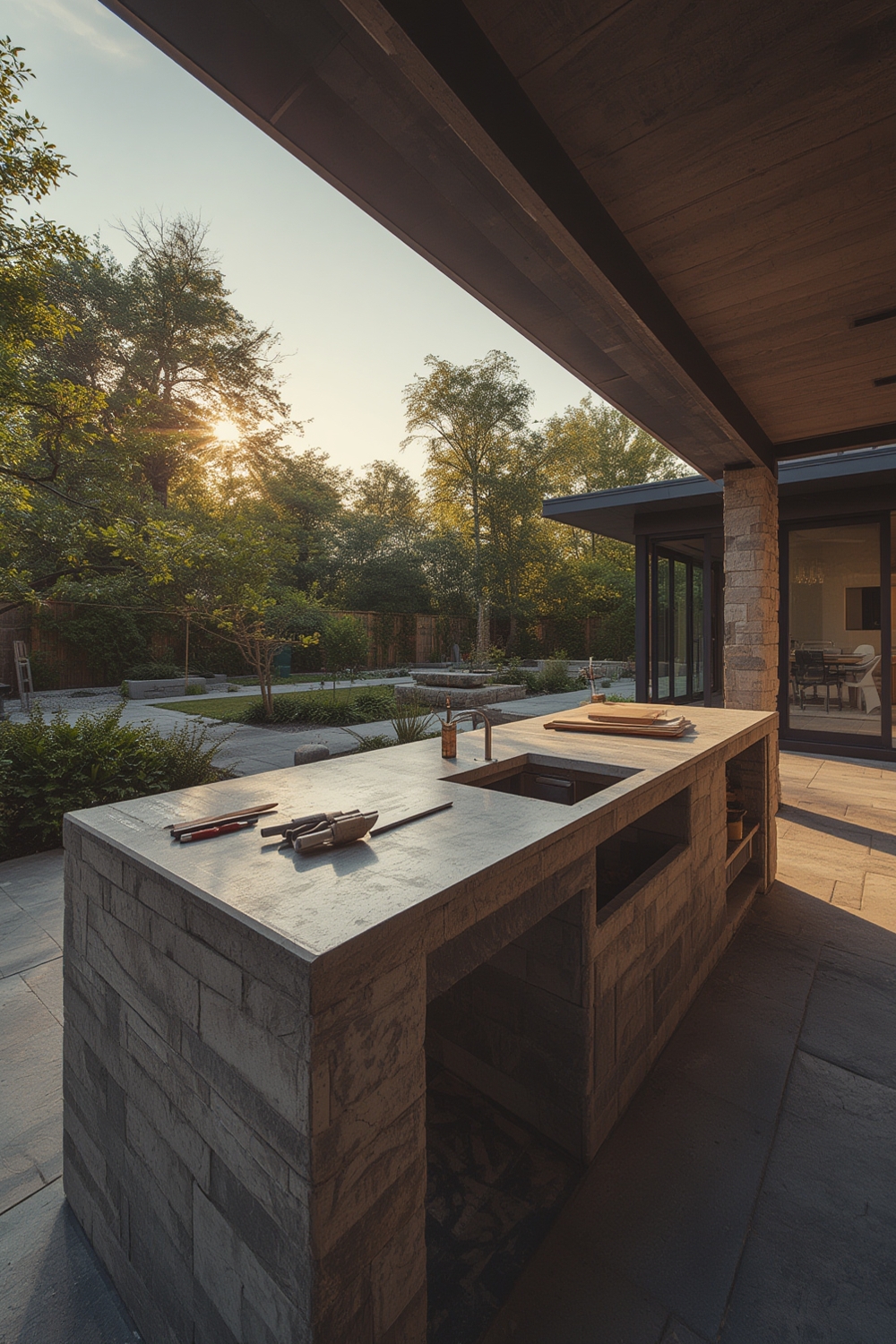
Outdoor kitchen construction is the process of planning, building, and outfitting functional spaces for cooking, dining, and entertaining outside your main home. Demand has surged in the past few years: the global outdoor kitchen market reached $24.45 billion USD in 2024 and is on track for 9.1% annual growth through 2033.
These projects range from simple grill islands to elaborate setups featuring refrigeration, pizza ovens, and weatherproof cabinetry. Homeowners are driven by the desire for convenient, private gathering zones that replace traditional restaurant or travel spending. Features vary, but consistent trends include:
- Use of high-end, low-maintenance materials (stainless steel, polymer, aluminum)
- Focus on weatherproofing and durability as essentials
- Growing popularity of modular, pre-assembled, or portable systems—especially in regions with year-round use or space constraints (see industry market insights)
The right outdoor kitchen not only enhances your daily living but can also boost resale value impressively.
Step-by-Step Guide: How to Build Your Outdoor Kitchen
Every successful outdoor kitchen construction project hinges on clear planning, the right materials, and awareness of common mistakes. Here’s a proven process to ensure best results:
- Define Your Goals & Space: Review your outdoor area’s size, shape, and intended use. Do you want a simple grilling zone, or a full dining experience? Modular systems work well for small or unconventional spaces—hospitality pros and resort designers favor flexible, pre-assembled cabinets (industry report).
- Choose Materials for Durability: Stainless steel, polymer, and coated aluminum are the top choices for longevity and low maintenance, especially in humid or hot climates. Weatherproofing is not optional anymore—moisture and UV resistance impact lifespan and appearance.
- Set Your Budget & Prioritize ROI: Most homeowners can expect 55% to 200% ROI depending on finish, fit, and neighborhood demand (see ROI data). Factor in cabinet, grill, refrigeration, utilities, and potential permits.
- Design Your Layout: For small patios or unique spaces, think modular. Portable kitchen islands, adjustable cabinets, and pre-drilled appliance panels make the process seamless. Consult resources like these small screened in porch ideas for creative inspiration if you need to work in tight quarters.
- Plan Utilities and Permits: While the latest reports don’t cover permit requirements in detail, always check with your local municipality before adding plumbing, gas lines, or electrical outlets.
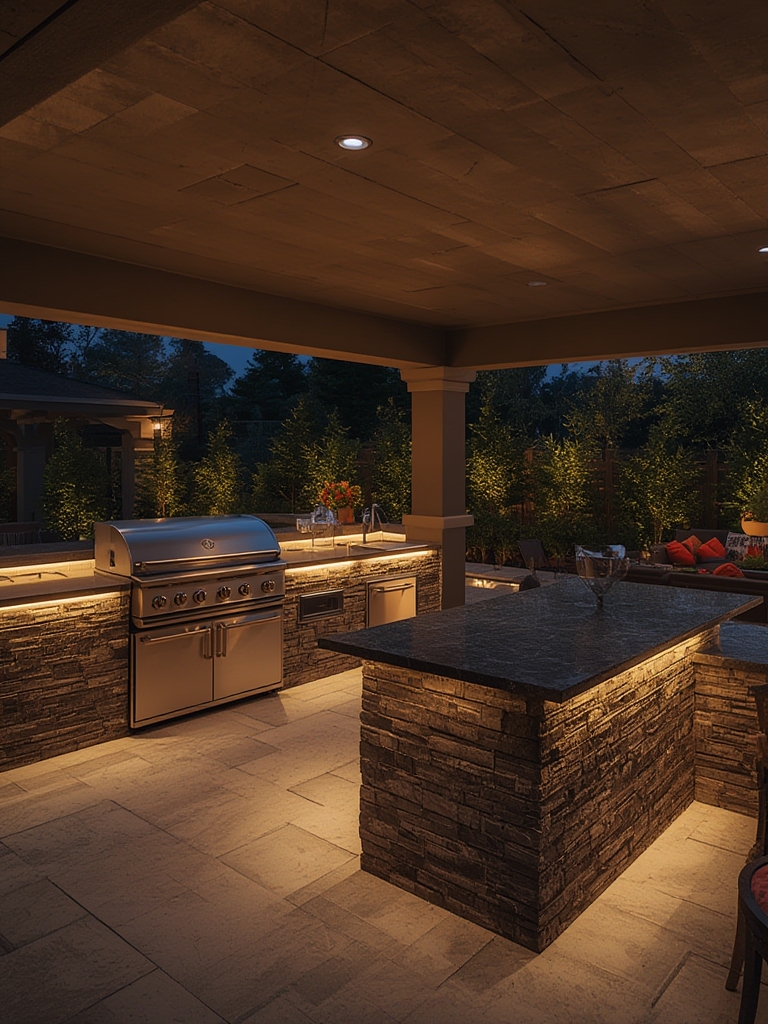
- Select Appliances: built-in grills, weatherproof pizza ovens, under-counter refrigerators, and fire pits are trending. Stainless steel remains the go-to for all-in-one durability. For inspiration, check out covered outdoor living space options.
- Install with Efficiency in Mind: Newer systems with tool-free, snap-in installation dramatically reduce build time—some L-shaped cabinet setups finish in a single day.
- Finish & Protect: Add roof covers or pergolas to guard against sun and rain, and choose weather-resistant finishes for all surfaces.
- Maintain Your Investment: Regular cleaning (especially stainless steel) is essential. Protect appliances and countertops in winter. For extra tips on prolonging outdoor surfaces, see deck maintenance strategies.
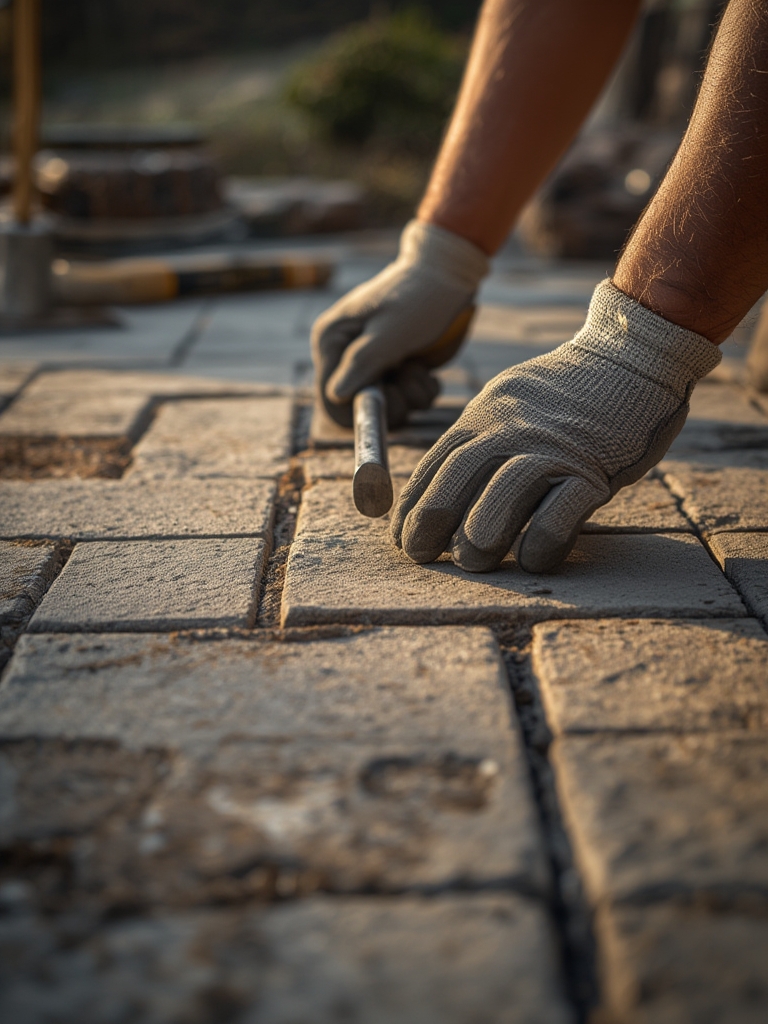
For best results, keep in mind specialty needs based on your locality. In high-moisture regions, invest in rustproof hardware and polymer cabinetry. In dry, sunny areas, UV-protected finishes are a smart add-on. If your household prioritizes energy efficiency and smart tech integration, examine ideas from our energy efficient home upgrades guide.
Advanced Analysis & Common Pitfalls
Research shows outdoor kitchen construction is booming, but pitfalls can derail your investment if ignored. Here are the most common missteps—and how to avoid them:
- Underestimating Weatherproofing: In humid climates (like Florida and the Southeast), cheap cabinetry corrodes fast. The latest market data confirms weather-resistant solutions are now the baseline, not the upgrade (external analysis).
- Improper Layout or Appliance Placement: Bad kitchen flow leads to cramped cooking zones or safety hazards. Modular systems help, but always allow ample clearance between hot and cold zones, and at least 3 feet of workspace around grills.
- Ignoring Permits and Codes: Even if resources are limited on specific regulations, skipping necessary permits for plumbing, gas, or electrical can void warranties—or require expensive retrofits later.
- Choosing Incompatible Materials: Not all “outdoor-rated” items perform equally. Stainless steel (304/316 grade), high-density polymers, and coated aluminum are preferred. Use pressure-treated wood only for frames or accents, not cabinetry or countertops exposed to water.
- Neglecting Maintenance: Weatherproof cabinets are lower-maintenance, but not no-maintenance. Unchecked debris, standing water, or failed seals cause premature wear.
| Material | Weather Resistance | Maintenance Level | Typical Lifespan* |
|---|---|---|---|
| 304/316 Stainless Steel | Excellent | Low | 15-25 years |
| High-Density Polymer | Excellent | Very Low | 20+ years |
| Coated Aluminum | Very Good | Low | 10-20 years |
| Natural Stone | Good (porous) | Medium (sealing required) | 30+ years |
| Pressure-Treated Wood | Fair | High | 7-10 years |
*Lifespan estimates depend on climate, exposure, and maintenance
For homeowners concerned about price, invest first in material quality—even on a smaller footprint. Lightweight, portable cabinet systems can outperform lower-priced “built-in” options in terms of usability and long-term value. If your outdoor area is extremely tight, see our guide on bi-fold doors for ways to boost usable space and create seamless indoor-outdoor transitions.
Conclusion
Outdoor kitchen construction will continue to trend upwards as homeowners seek ways to increase comfort, enjoyment, and property value. With careful planning, the right modular systems, and an emphasis on quality materials, you can ensure your investment pays off for years to come. Ready to transform your home with an outdoor kitchen construction project? Start with a clear plan, anticipate challenges, and draw inspiration from proven guides and real-world data.
Need more outdoor living inspiration? Explore outdoor furniture ideas in our covered patio guide or consider a full-scale transformation with insights from energy efficient home upgrades.
Frequently Asked Questions
What is the typical ROI on outdoor kitchen construction?
ROI for outdoor kitchens ranges from 55% to 200% based on build quality, region, and current property values. Quality materials and functional layouts usually yield stronger returns. Learn more.
Are permits required for installing an outdoor kitchen?
Permit requirements depend on your local codes and the scope of your project. Plumbing, gas, and electrical installations almost always need permits. Check with your municipality before starting construction.
How do I design an outdoor kitchen for a small backyard?
Opt for modular, portable cabinets and compact appliances. Use L-shaped or galley layouts to maximize usable space. Modular systems with adjustable legs work well for uneven ground or tight layouts.
What are the most durable materials for outdoor kitchen cabinets?
304/316 stainless steel, high-density polymer, and coated aluminum are the best choices for durability, weather resistance, and low maintenance.
How often should I maintain my outdoor kitchen appliances?
Clean stainless steel and appliances monthly, check weather sealing each season, and cover exposed equipment in winter or during storms for maximum lifespan.
