

Organic weed control offers an alternative to synthetic herbicides for gardeners and lawn owners who want fewer chemicals near their homes. But how effective are these natural solutions in 2024, and what do you really need to know before using them in your yard?
Key Takeaways
- Organic weed control is most effective when used early, precisely, and in combination with techniques like mulching or cultivation.
- Natural methods often require more frequent applications and careful timing than synthetic weed killers.
- Recent research supports organic methods for integrated management, but results vary depending on weed type and application technique.
- What Is Organic Weed Control and Why Choose It?
- How to Apply Organic Weed Control: Step-by-Step
- Advanced Analysis & Common Pitfalls
- Conclusion
- FAQ
What Is Organic Weed Control and Why Choose It?
Organic weed control means using physical, mechanical, or naturally derived chemical methods to manage unwanted plants, instead of relying on synthetic herbicides. Solutions range from household vinegar and eco-friendly sprays to strategies like thick mulching, soil cultivation, and smart crop rotations.
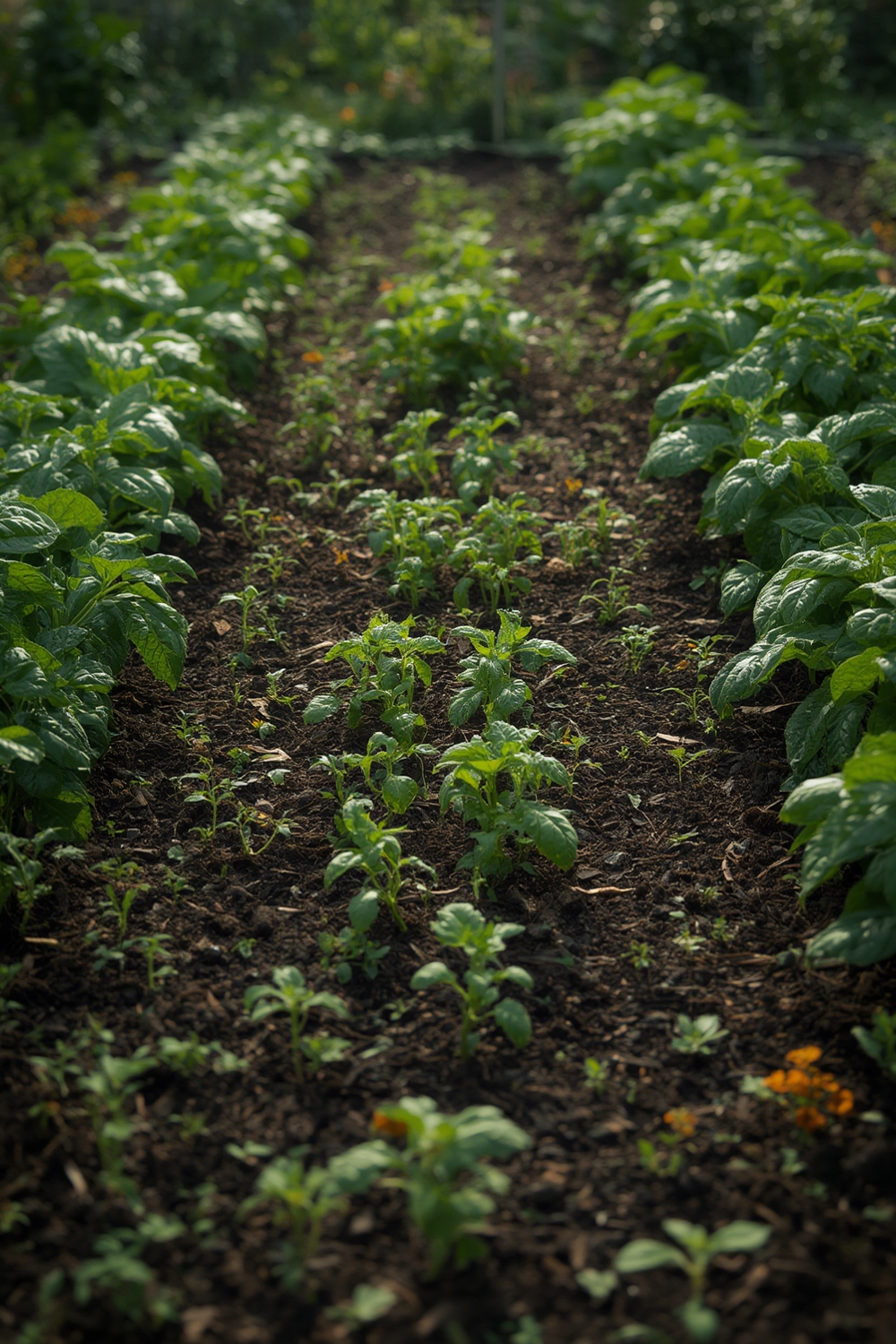
People choose organic weed control to avoid potential health and environmental risks from common chemicals like glyphosate. Concerns over herbicide-resistant weeds and stricter regulations are steering both commercial growers and homeowners toward alternatives. These natural methods also support pollinator health and soil vitality, making them important in sustainable gardens or lawns.
For those interested in garden maintenance tools, check out our guide to the hula hoe and discover why it’s a favored weeding tool for gardeners and Home Depot shoppers.
How to Apply Organic Weed Control: Step-by-Step
Getting results with organic weed control means going beyond “spray and walk away.” Here’s a proven process for lawns, vegetable beds, and more:
- Identify Target Weeds: Know whether you’re tackling annual broadleaf weeds, persistent grasses, or invasive species—effectiveness can vary significantly.
- Choose Your Method: Options include organic herbicide sprays (based on plant oils or acids), deep mulching with compost or leaf litter, manual tools like the stirrup hoe, flame weeding, or cultivation.
- Apply at the Right Growth Stage: Organic herbicides are most effective on young, actively growing weeds. Mulching works best before seed germination or immediately after removing established weeds.
- Use Adequate Volumes and Coverage: Research shows that high carrier volumes (more water added to concentrates) when using precision sprayers, like WEED-IT with caprylic/capric acid products, dramatically boost effectiveness and can cut chemical use by 68% (source).
- Monitor and Reapply: Natural solutions often require repeated applications. Monitor weed regrowth weekly, especially after rain or high growth periods.
- Layer organic mulch and Physical Barriers: Layer organic mulch at least 2-3 inches thick for best results. Walnut leaf mulch and composted bark can prevent weed seed germination by blocking light and reducing soil oxygen (source).
- Combine Methods for Stubborn Areas: Mixed strategies—including light hoeing, targeted organic spot sprays, and thick mulch—are highly effective in gardens and ornamental beds.
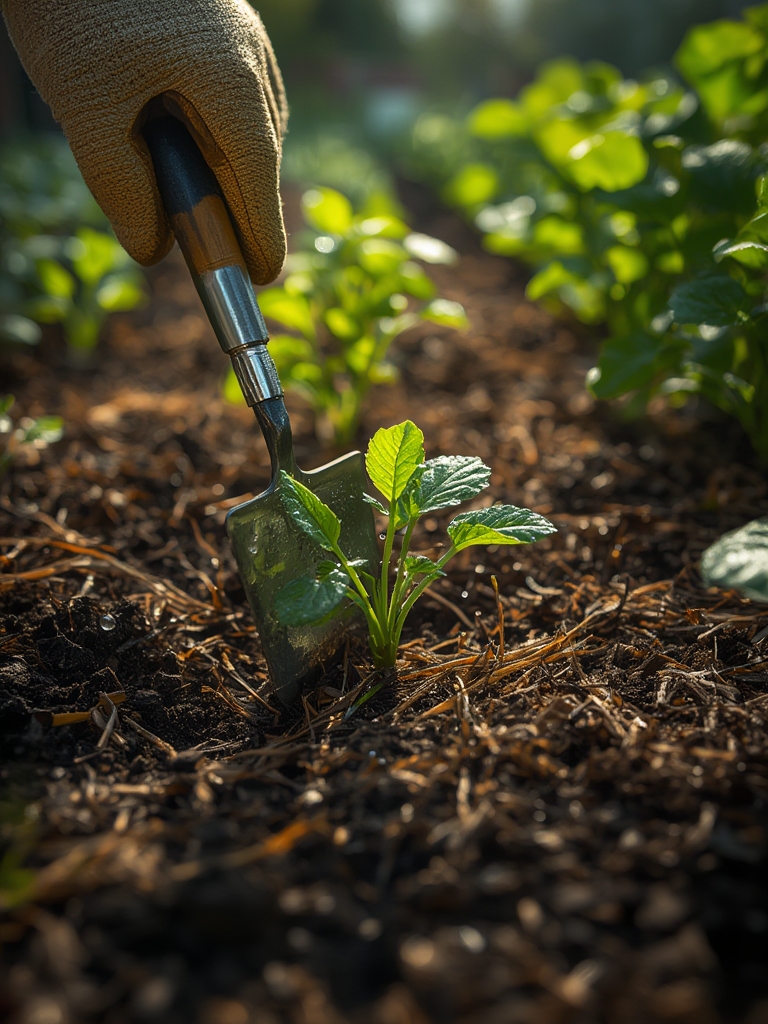
For extra protection, interplanting with vigorous cover crops (like winter peas) can suppress weeds and improve soil structure over time (source). And if you’re managing high-traffic lawns, a clover lawn may be a low-maintenance, eco-friendly alternative.
Advanced Analysis & Common Pitfalls
Even with the best organic weed control methods, there are challenges to be aware of. Many gardeners expect quick, “one-and-done” results, but most natural options are less immediately potent than conventional herbicides.
| Control Method | Immediate Effectiveness | Best Use Timing | Main Limitations | Annual Cost |
|---|---|---|---|---|
| Organic Herbicide (Acid/Oil-based) | Moderate on young weeds | Early growth, warm/dry days | Needs large volumes, frequent reapplication | Higher per-unit; can match/undercut chemical cost if weed density is low (source) |
| Mulch (Organic, Dead, or Walnut Leaf) | High suppression with thick layer | Before germination or after weeding | Over-application can limit soil oxygen | Low input; mainly labor or leaf cost |
| Living Mulch | Low suppression (18% biomass) | During growing season | Can increase weed seed bank | Minimal |
| Synthetic Herbicides | High; fast visual results | Most growth stages | Resistance, regulations, environmental/health concerns | Lower cost/unit but repeat use risks |
- Common Pitfall: Applying organic sprays to mature weeds will likely fail—they rebound fast, especially in lawns.
- Critical Detail: Thick mulch layers improve weed suppression but may limit soil oxygen if overapplied, slowing wanted plant growth (source).
- Missed Step: Living mulches (cover crops growing beside crops) can increase weed seedbanks long term, so they’re not a “set and forget” solution.
Most organic herbicides (including vinegar or caprylic acid types) require frequent, early application and fail on perennial weeds or when applied in cool or wet conditions. Always check the label and combine with physical controls for best effect.
Precision approaches with high carrier volume are changing the landscape, making organic weed control more economical and effective for low-weed-density areas.
If you want alternative mulch options, read our full guide to mulch alternatives and learn which choices are best for your soil and weed pressures.
Explore better water-saving strategies with drought tolerant grass and consider an organic lawn fertilizer to finely tune your overall yard care program.
Conclusion
Effective organic weed control is possible, but it’s rarely a one-step fix. For the best results, combine early targeted applications with precision sprayers, thick organic mulch, and routine hand-weeding when needed. Know the strengths and weaknesses of each method before investing time or money. As research in 2024 confirms, combining organic and integrated strategies achieves meaningful control with fewer synthetic chemicals. Assess weed type, growth stage, and cost before you start.
Ready to try organic weed control? Start small and monitor results—your soil and your peace of mind will thank you.
FAQ
Are organic weed killers safe for pets and wildlife?
Most organic weed killers are considered safer than synthetics, but some (like concentrated vinegar or essential oil sprays) can irritate pets’ skin or paws. Always follow product labels, keep animals out of treated areas until dry, and avoid spraying directly on pollinator habitats when possible.
How often do I need to reapply organic herbicides?
Organic herbicides generally require more frequent reapplication than synthetic weed killers. Expect to treat young weeds every 7 to 14 days during periods of active growth, especially after heavy rain or mowing.
What’s the best time of day to spray organic weed control products?
Late morning to early afternoon on warm, sunny days (above 70°F) is ideal. Organic acids and oils work best in dry weather, when weeds are not stressed by drought or recent mowing.
Does vinegar kill all types of weeds?
Standard household vinegar (5 percent acetic acid) will damage many young broadleaf weeds but rarely offers lasting control on older or perennial weed species. Stronger horticultural vinegar or other approved organic acids can be more effective but require careful handling and precise application. There is no recent 2024 research documenting vinegar’s long-term effectiveness or soil impacts.
Can I use organic mulches as my only weed control method?
For most gardens, thick organic mulch is highly effective at preventing germination of many weed seeds. However, some deep-rooted or persistent perennial weeds may still emerge. For best results, combine mulching with timely hand-weeding or organic spot sprays when needed.
