

Murphy bed cabinet solutions have rapidly become the go-to choice for homeowners who need dependable space-saving furniture that also delivers on style and comfort.
Key Takeaways
- The Murphy bed cabinet segment is growing at over 4% per year, thanks to demand for flexible, multi-use spaces.
- Buying decisions hinge on build quality, mattress comfort, installation difficulty, and mechanism reliability.
- Smart buyers compare cabinet beds, wall beds, and Murphy bed cabinets for anchoring, ease of relocation, and long-term durability.
- The Core Concept: What is a Murphy Bed Cabinet and Why Choose One?
- Step-by-Step Guide: Choosing & Installing a Murphy Bed Cabinet
- Advanced Analysis & Common Pitfalls: Where Most Buyers Go Wrong
- Conclusion: Final Thoughts on Murphy Bed Cabinets
- FAQ: Murphy Bed Cabinet Questions Answered
The Core Concept: What is a Murphy Bed Cabinet and Why Choose One?
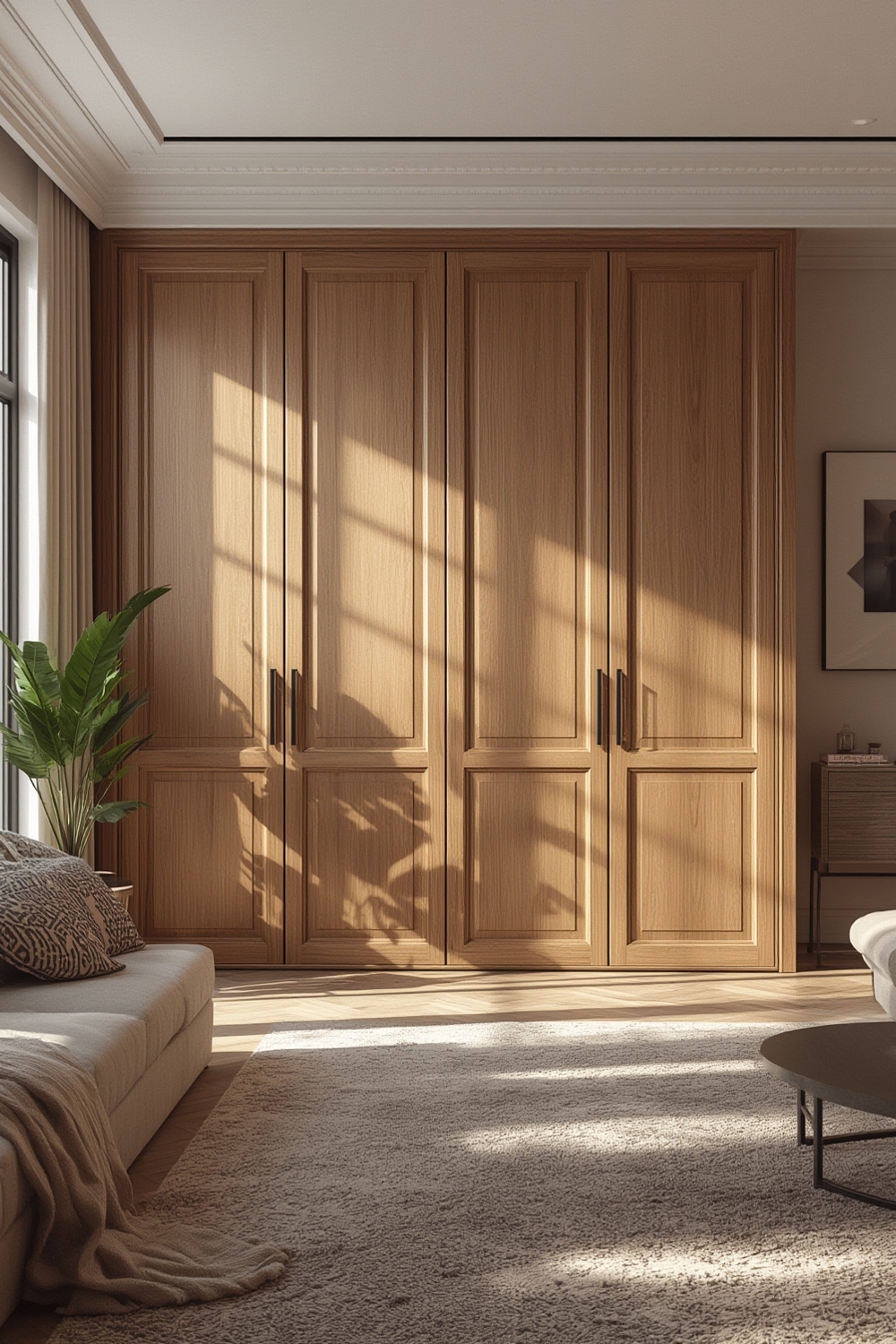
Murphy bed cabinets are innovative furniture pieces that hide a comfortable bed inside what appears to be a handsome cabinet or armoire. Unlike classic wall beds that require permanent wall mounting, the cabinet style often sits freestanding or is anchored minimally. This makes it ideal for home offices, studio apartments, or multipurpose guest rooms where floor space is at a premium.
The evolution of the Murphy bed cabinet leverages changing urban lifestyles, rising home office needs, and increasing interest in “multi-functional furniture” (source). North America leads this market, with most demand driven by small-space living and the need to transform single rooms into flexible work or guest areas. Compared to wall beds, cabinet beds are less intrusive, easier to move, and can blend with décor.
Best-in-class models allow for a real mattress, integrate hidden storage, and incorporate safe, counterbalanced mechanisms (source). This combination makes the Murphy bed cabinet both functional and visually appealing.
Step-by-Step Guide: Choosing & Installing a Murphy Bed Cabinet
- Clarify your primary use: Decide if this is for daily sleeping, a home office guest combo, or only for occasional visitors. Comfort standards and mechanism quality will matter more for nightly use.
- Measure your space—twice: Note ceiling height, floor clearance, and anything that could block bed deployment, like ceiling fans or closet doors. Remember, cabinet beds require a footprint up to 86 inches front to back when opened (for a queen).
- Choose your construction materials: Opt for solid wood or plywood-faceted cabinetry when possible. Avoid builds made mostly of particleboard or low-grade MDF; these are prone to sagging and shorter lifespans.
- Check mattress compatibility: Some murphy bed cabinets allow a full-depth (8-12 inch) mattress, while others use tri-fold or foam types. Scrutinize thickness and length limits—compromises can affect sleep comfort.
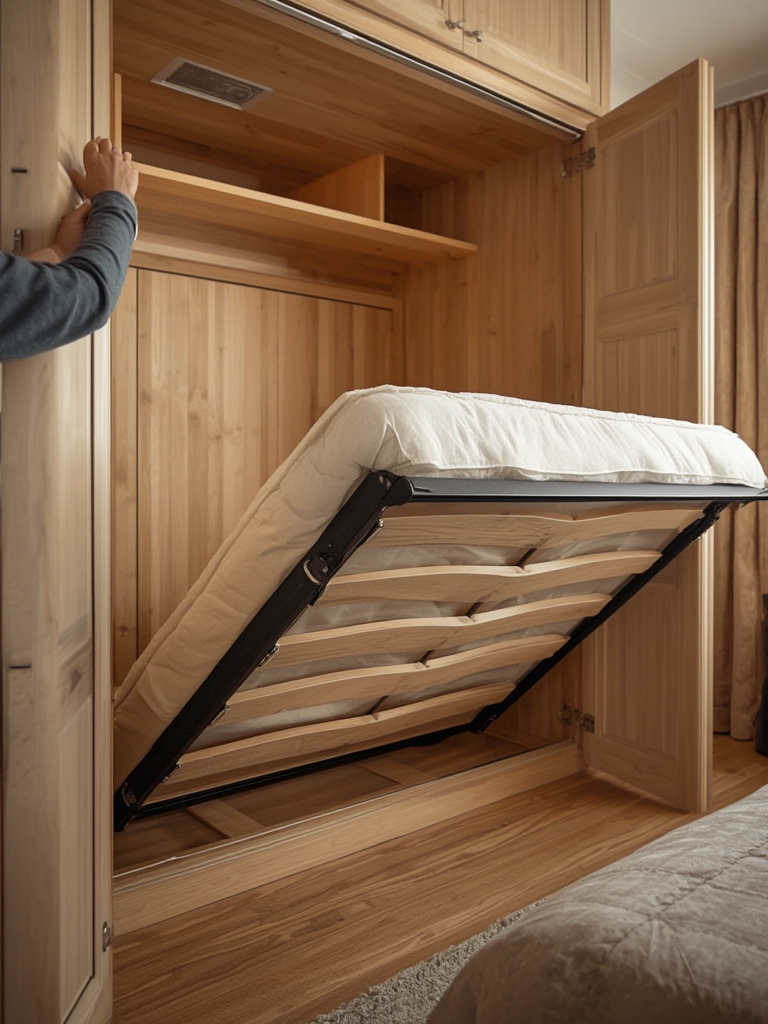
- Inspect the mechanism: Prefer steel frames, counterbalanced hinges, and gas pistons. Soft-close and safety locks are crucial for both ease of use and peace of mind.
- Evaluate storage and desk integration: If buying a desk model, test if the desk remains level as the bed deploys. Analyze storage claims carefully—some “extra storage” is just shallow shelves.
- Plan your assembly or delivery: DIY kits may be time-consuming and heavy, needing at least two people. Specialty shops may offer white-glove delivery and installation for a fee.
- Anchor according to safety guidelines: Even if the cabinet is “freestanding,” always follow anti-tip, wall-anchoring, or floor-leveling instructions as included. Not anchoring can risk serious accident.
- Test before regular use: Cycle the bed up and down, listen for squeaks or scraping, and verify that latches engage cleanly and the frame is rigid.
- Maintain and check annually: Tighten all fasteners, lubricate moving parts, and inspect for hardware fatigue. Swap out gas pistons or springs if resistance changes dramatically.
For more on choosing adaptive furniture, see our guide to small space furniture upgrades or compare space-saving concepts like the lift top coffee table.
Advanced Analysis & Common Pitfalls: Where Most Buyers Go Wrong
Most buyers focus on visual style and price, but overlook engineering details that determine long-term value. Here are the most common pitfalls, supported by user reviews and technical comparisons from the latest market analysis:
- Underestimating installation difficulty: DIY Murphy bed cabinet assembly can require hundreds of screws and perfect hinge alignment. Skipping wall anchoring puts safety at risk—or voids your warranty.
- Choosing poor materials: Cabinets made of low-density fiberboard or thin MDF panels flex and sag. Frequent movement accelerates hardware loosening. That’s why Amish or specialty builds, using thicker plywood and solid wood, see less warranty work and higher user satisfaction (source).
- False comfort claims: Many cabinet beds bundle a thin tri-fold or foam mattress that’s only suitable for quick guest use. For nightly sleep, a real mattress (at least 8 inches thick) is essential.
- Ignoring weight limits and safety ratings: Not all Murphy bed cabinets are rated for two adults plus mattress. Always look for a rated capacity of at least 500 pounds. This is especially critical if you routinely have two sleepers or lots of bedding.
- Desk mechanism workflow headaches: Some desk-bed combos require you to clear and unplug all your tech before each transition. Only the best models keep the desktop flat and allow cables to route out of the way. Look for integrated cable pass-throughs and confirm the desk’s depth matches your monitor/keyboard needs.
- Underestimating delivery times: While big-box stores sometimes have inventory ready in 1–3 weeks, specialty manufacturers can take 6–12 weeks to build and deliver a custom solid wood Murphy bed cabinet.
- Missing key upgrades: Features like soft-close pistons, safety locks, integrated USB ports, and LED lights are now standard on top-tier models. If these matter for your lifestyle, verify their inclusion early—retrofit kits are rare.
| Feature | Cabinet Bed | Wall Bed Queen (traditional Murphy) | Murphy Bed Cabinet (wall-anchored cabinet style) |
|---|---|---|---|
| Room requirements | Sits on floor; acts like deep sideboard plus pullout space | Requires ample wall space and ceiling height; swings down | Similar to wall bed but appears as furniture cabinet; requires more floor depth |
| Anchoring & assembly | Usually freestanding; may lightly anchor for safety | Always anchored into studs; complex assembly | Anchored and cabinet-assembled; highest complexity |
| Relocation ease | Generally simpler; good for renters | Difficult — must unanchor, disassemble, patch walls | Medium difficulty; still needs unanchoring |
| Mattress compatibility | Often tri-fold or foam mattress; comfort limited | Usually supports standard 8–12in mattress | Also supports standard mattress, combines best features |
| Visual impact & storage | Low — looks like chest/sideboard | Tall, shallow when closed; often integrates with shelving | Large armoire or built-in look; best for multi-use rooms |
| Typical price range (Queen) | $1,000–$2,000 (big box), $2,000–$4,000+ (custom) | $1,000–$2,500 (DIY kit), $2,500–$6,000+ (showroom) | $2,000–$4,000+ (custom cabinet style) |
Still on the fence? Compare other furniture upgrade options in our DIY home improvement guide or learn about total lifecycle management in our furniture care article.
Conclusion: Final Thoughts on Murphy Bed Cabinets
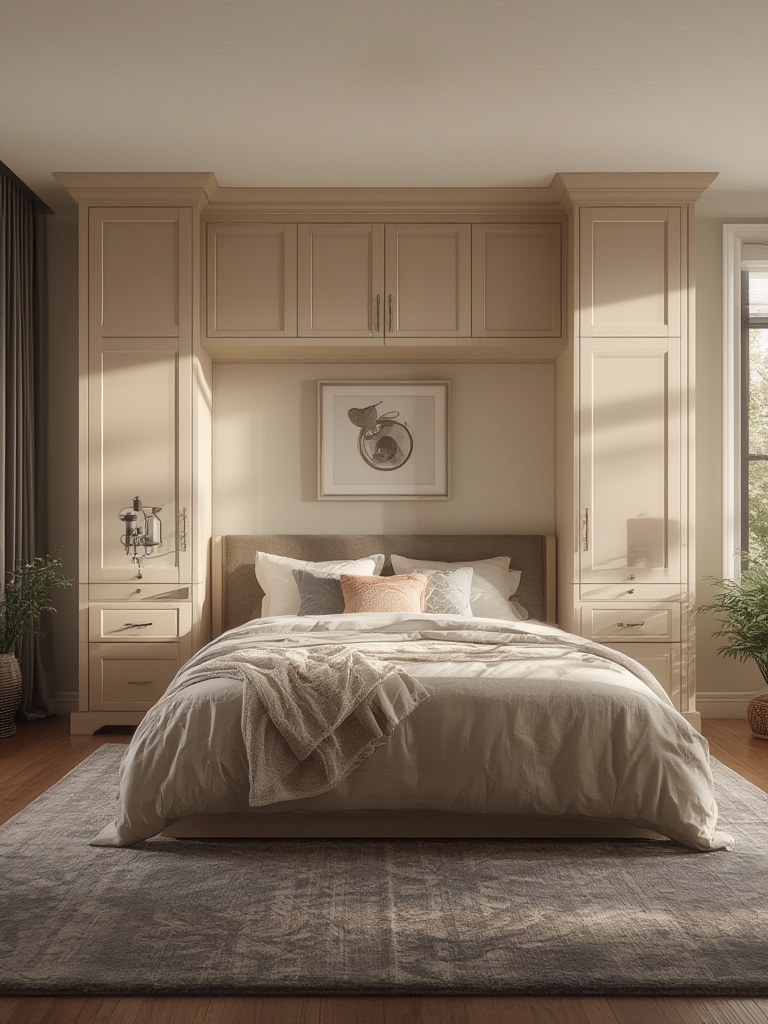
With more homeowners reimagining rooms to serve multiple purposes, a murphy bed cabinet can unlock new flexibility and comfort few other furniture pieces can match. Just remember: prioritize real mattress support, safe lifting mechanisms, and honest construction materials. Invest in quality and expect to spend more up front for long-term stability and a better daily experience. The murphy bed cabinet isn’t a magic fix for every space—but if you choose wisely, you’ll gain both an elegant furniture upgrade and unmatched functional freedom.
Ready to upgrade your space? Review top-rated Murphy bed cabinets at trusted retailers or consult directly with a specialty manufacturer for best results. Want more home flexibility tips? Start with our smart home integration guide or check out options for maximizing covered outdoor living areas.
FAQ: Murphy Bed Cabinet Questions Answered
Are Murphy bed cabinets safe for daily use?
Yes, if properly assembled and anchored as instructed. Choose models with gas pistons, safety locks, and avoid removing safety hardware. Annual checks keep them safe and reliable.
Can I use my own mattress in a Murphy bed cabinet?
In many cases, yes—but always verify maximum allowed mattress thickness (often 8–12 inches) and overall weight. Tri-fold or foam mattresses may be required in compact cabinet beds.
Are Murphy bed cabinets suitable for renters?
Freestanding cabinet beds are renter-friendly because they usually require no wall mounting. Wall-anchored cabinet systems may damage walls and are harder to relocate. It’s crucial to check your rental agreement before installing.
What is the typical price range for a high-quality Murphy bed cabinet?
Expect to spend $1,000–$2,000 for engineered wood big-box models and $2,000–$4,000 or more for custom or solid wood models. Delivery and installation may be extra. Customization, storage, integrated desks, and longer warranties raise the price.
How long does installation take?
Flat-pack models can take 4–8 hours for two adults. Professional installation is strongly recommended for complex wall-anchored models, which usually require a half to a full day on-site.
