

Mosquito dunks are one of the most popular and eco-friendly tools for controlling mosquito larvae in standing water, but how well do they actually work, and what should homeowners know in 2024? Get the latest facts, field results, and actionable tips before you drop anything in your rain barrels or bird baths.
Key Takeaways
- Mosquito dunks using BTI deliver high larval kill rates and are safe for pets, wildlife, and edible gardens.
- Effectiveness drops in dirty or debris-filled water; correct placement and sizing by water volume matter.
- Each dunk treats 100 sq ft for up to 30 days; split dunks for smaller water sources to avoid waste.
- What Are Mosquito Dunks and Why Do They Work?
- How to Use Mosquito Dunks: Step-by-Step Instructions
- Advanced Analysis and Common Pitfalls
- Conclusion
- FAQ
What Are Mosquito Dunks and Why Do They Work?
Mosquito dunks are small, doughnut-shaped biological larvicides designed to float in standing water. Their active ingredient is Bacillus thuringiensis israelensis (BTI), a naturally occurring bacterium that selectively kills mosquito larvae, black fly larvae, and fungus gnats after ingestion. The BTI in mosquito dunks has been proven to reduce mosquito larvae by 80 to 100 percent in standing water for around 30 days, depending on water cleanliness and environmental conditions.
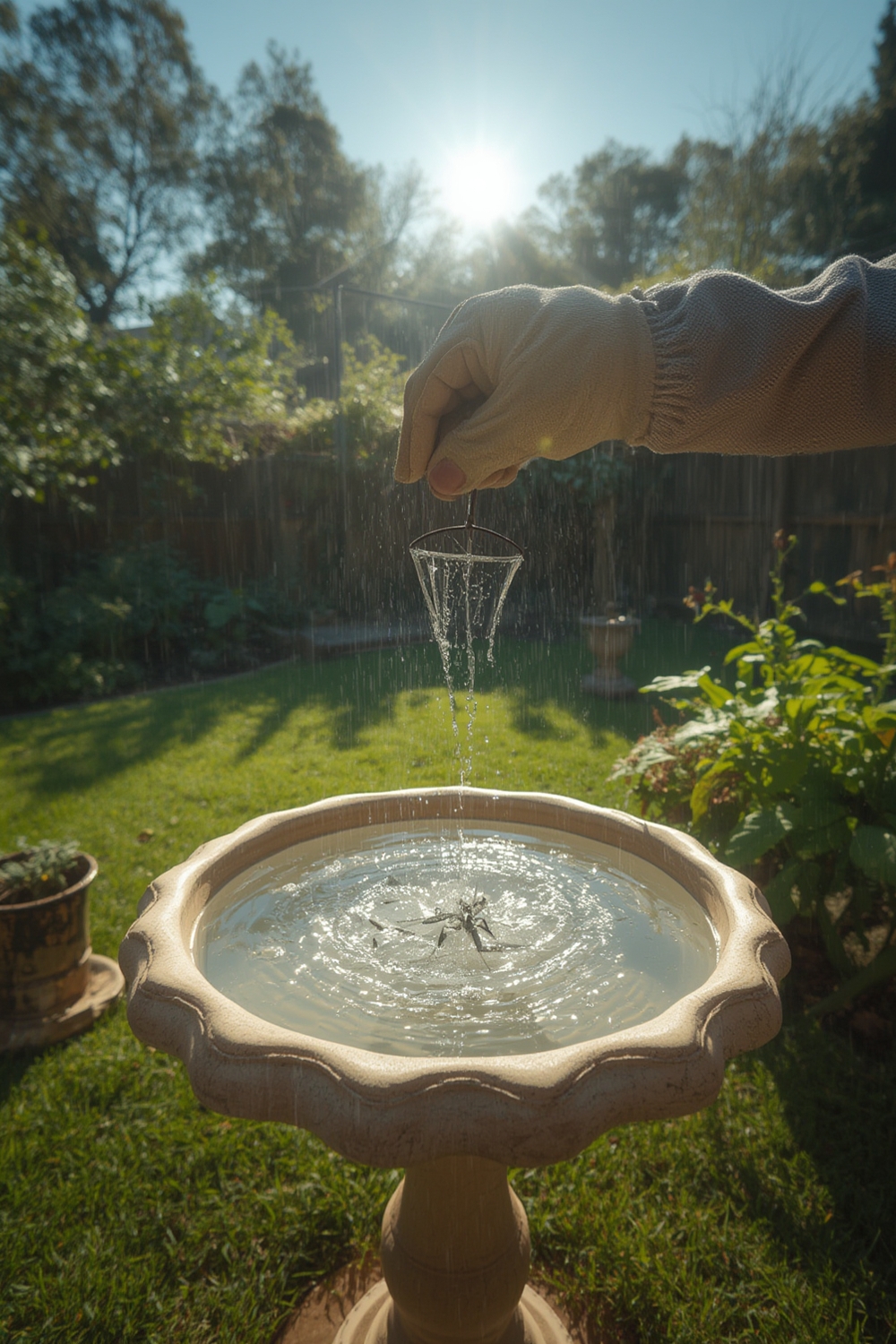
Dunks are non-toxic for pets, birds, fish, and beneficial insects like bees. They offer a long-lasting, residue-free alternative to chemical larvicides. No evidence of mosquito resistance to BTI has emerged despite decades of widespread use, making dunks reliable for annual control cycles in urban gardens, rain barrels, or wildlife ponds. They are also considered safe for use in edible garden water sources.
For even more eco-friendly gardening, consider using mulch alternatives or a clover lawn in tandem with BTI products for a highly sustainable yard.
How to Use Mosquito Dunks: Step-by-Step Instructions
-
Identify All Mosquito Breeding Sites
Inspect your property for standing water that lasts longer than 3 days. This includes bird baths, rain barrels, ponds, gutters, plant saucers, and unused tires. -
Calculate Surface Area
One dunk treats up to 100 square feet of surface water. For smaller targets, break the dunk into halves, quarters, or eighths. For example, a standard rain barrel typically uses 1/4 of a dunk. -
Drop Dunk Directly into Water
Place the correct amount of dunk into the water source. The ring will float and slowly release BTI. -
Replace Monthly
Each portion remains effective for up to 30 days in clean water. Mark your calendar for monthly replacement or sooner if you notice larvae reappear. -
Monitor Results
Check for larvae activity 24-48 hours after application. In clean water, larval movement should cease within 1-2 days. In areas with persistent larvae, check for debris buildup or obstructions.
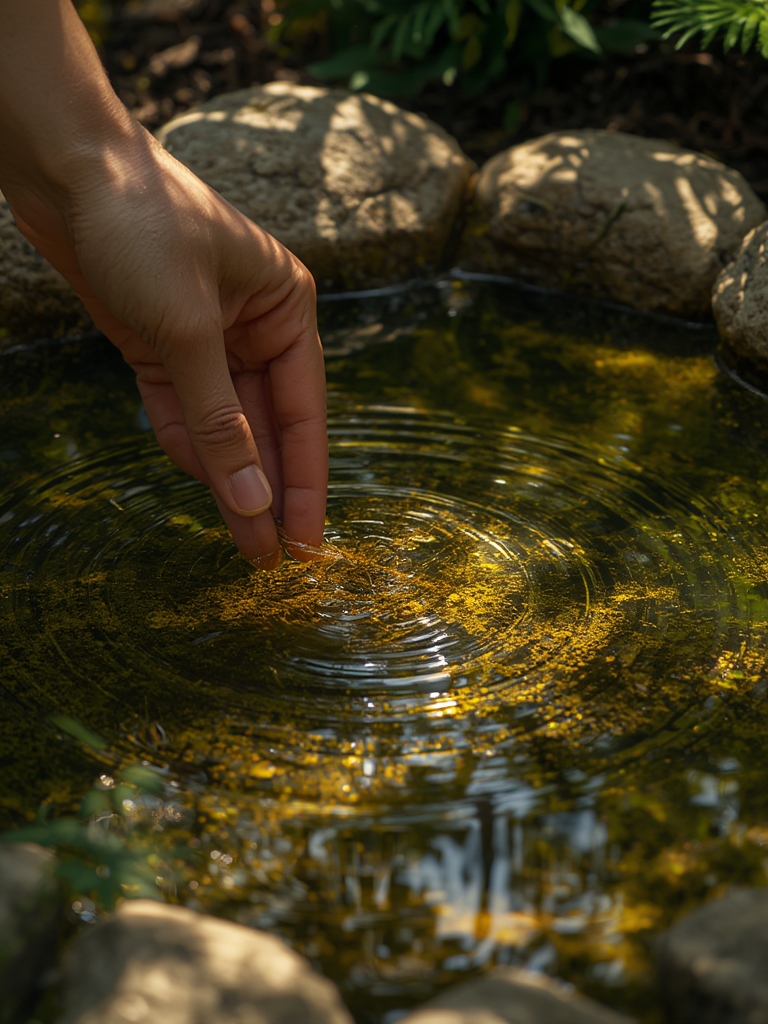
When treating bird baths, rain barrels, or tiny fountains, use a sharp knife to cut dunks into pieces. This not only conserves product but maintains the correct BTI level for smaller volumes—overdosing provides no benefit and wastes money. For a more holistic approach to garden maintenance, try pairing dunks with a stirrup hoe or hula hoe and keep standing water low by diligent weeding.
If you have pets or wildlife nearby, there’s no need to worry. Dunks are safe for mammals, birds, fish, amphibians, and beneficial insects, so you can confidently add them to ponds or water features serving neighborhood animals.
Advanced Analysis and Common Pitfalls
Mosquito dunks are a proven tool for larval control, but several factors can reduce their efficacy. Here is a breakdown of the most common mistakes and their real-world solutions.
| Issue | What Happens | How to Fix |
|---|---|---|
| Dirty or Polluted Water | Larvae feed less; dunk dissolves faster; control period shortens to about 7 days. | Pre-clean water source; replace dunks more frequently in heavily polluted locations. |
| Under/Overdosing | Too little BTI leaves larvae alive; too much wastes product with no extra benefit. | Carefully calculate surface area; break dunks into increments for small water features. |
| Dry Water Features | Dunks do not release BTI until rehydrated; delayed protection or wasted product. | Place dunks only in actively wet locations; check after rain or irrigation. |
| Ignoring reappearance of larvae | Missed inspection can allow mosquitoes to mature if dunks have degraded or water has been refreshed. | Check treated sites within two days of application and monthly thereafter; re-apply as needed. |
| Comparing with Other Larvicides | Some products are cheaper up-front but contain harsher chemicals; lack selectivity and can harm fish or pets. | For fish ponds, rain barrels, and edible gardens, stick with BTI for safety and effectiveness. |
Be aware that the 30-day efficacy listed on packaging refers to clean water (such as a rain barrel or recently cleaned pond). In field trials, polluted or debris-laden water reduced effectiveness to roughly a week. Overdosing dunks won’t extend efficacy and simply increases cost. This is why some gardeners, especially those interested in sustainable pest management, integrate other maintenance tools like organic weed control or garden drip irrigation to cut down on standing water and larval habitat to begin with.

Regulatory agencies and the World Health Organization agree BTI is safe for use around pets, children, edible landscapes, and wildlife. No harmful residues or toxicity have been found in decades of data. For best results, rotate dunks out monthly and keep an eye on water freshness.
Conclusion
Mosquito dunks remain an unbeatable choice for safe, targeted larval mosquito control in water features, rain barrels, and garden ponds. When correctly placed and monitored, they reliably stop mosquito breeding for 30 days in clean water, sparing non-target species and protecting your family and pets. With proper sizing and regular checks, mosquito dunks are a cost-effective, eco-friendly tool for every home gardener or property manager.
Ready to reclaim your outdoor space or garden pond without sacrificing safety or relying on harsh chemicals? Start using mosquito dunks today—your summer will be less itchy and a lot more enjoyable.
FAQ
Are mosquito dunks really safe for dogs, cats, and fish?
Yes. BTI, the active ingredient, targets only mosquito, black fly, and fungus gnat larvae. It does not harm pets, fish, birds, amphibians, or beneficial insects.
How long do mosquito dunks last in rain barrels?
In clean water, each dunk portion lasts up to 30 days. In polluted water or barrels with lots of debris, replace dunks every 7 to 14 days for best results.
Can I use mosquito dunks in water that irrigates my vegetable garden?
Yes. Mosquito dunks and BTI are safe and approved for use in water intended for edible plant irrigation. They are used globally in food production settings without toxicity concerns.
What if I still see mosquito larvae 48 hours after using a dunk?
Check for debris or heavy organic matter that might limit larvae contact with BTI. Skim water and reapply a fresh piece if needed. Persistent larvae usually indicate the need for cleaner water or more frequent dunk replacement.
Is it okay to break a dunk into pieces?
Absolutely. Breaking a dunk makes portioning for smaller areas possible and extends each package’s value. Match the dunk size to the square footage of each water source.
