

lawn leveling rake is the go-to tool for homeowners who want a smooth, playable, and healthy lawn. Whether you’re handling patchy spots, laying down new seed, or fighting drainage issues, choosing the right rake and using it correctly will make or break your results.
Key Takeaways
- Lawn leveling rakes cost between $32.99 and $150+ based on width, materials, and build quality.
- Size and rigidity are critical; wider rakes help big lawns but are heavier and need more strength to control.
- Tool maintenance, expert leveling techniques, and ergonomics are often missed in mainstream guides—knowing these gives you an edge.
- What is a Lawn Leveling Rake and Why Use One?
- How to Level a Lawn with a Rake: Step-by-Step Guide
- Advanced Analysis & Common Pitfalls
- Conclusion
- Frequently Asked Questions
What is a Lawn Leveling Rake and Why Use One?
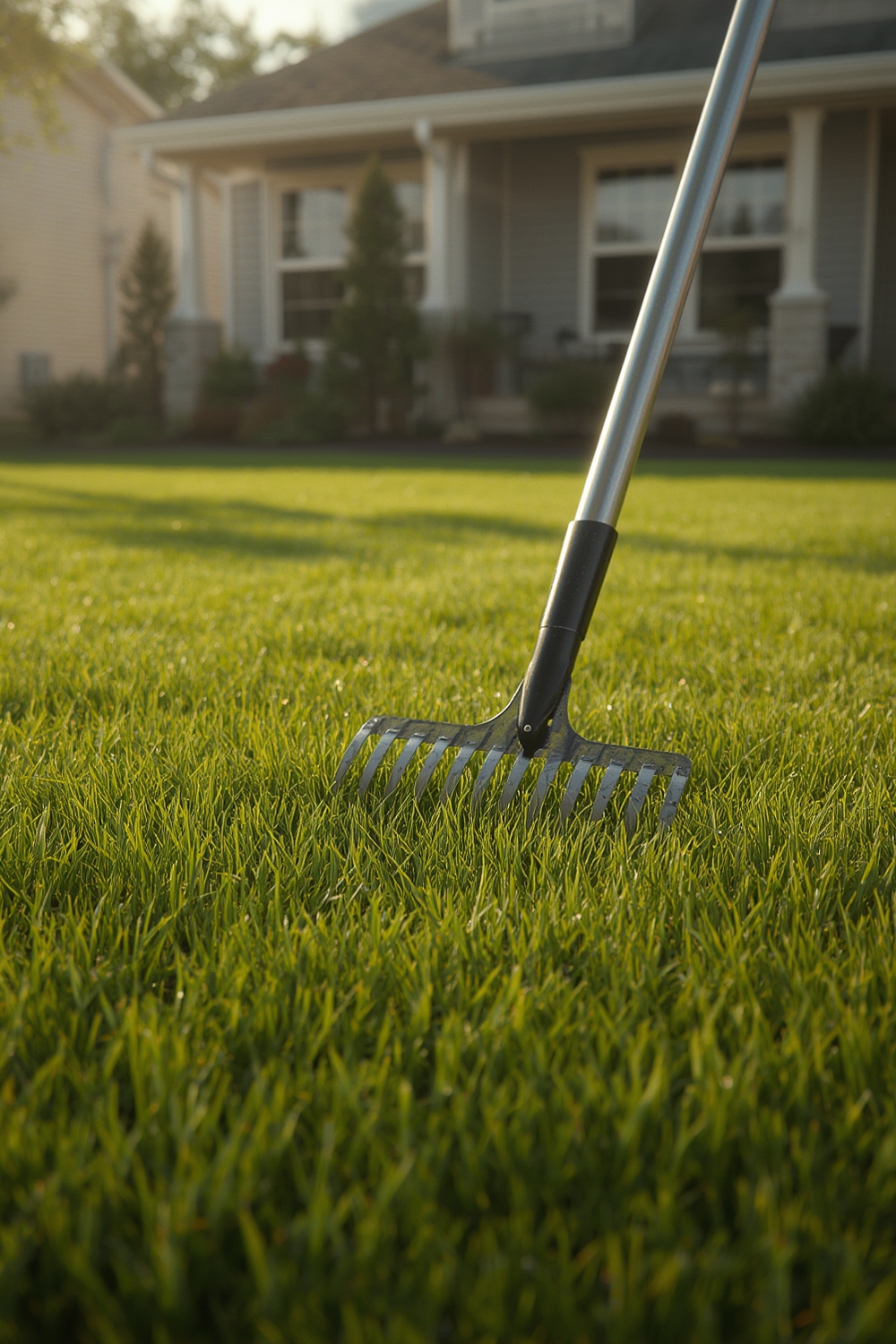
A lawn leveling rake is a specialized landscaping tool with a flat, multi-bar head (usually 17 to 45 inches wide) designed to distribute and smooth out topdressing materials like sand, soil, or compost on established grass. Unlike garden or landscaping rakes, a lawn leveling rake glides more easily across turf, making it ideal for removing bumps, correcting low spots, and prepping lawns for overseeding or repair. The right rake reduces the labor and guesswork required to get an even playing surface—and prevents common lawn issues like scalped spots or ponding water after rain.
How to Level a Lawn with a Rake: Step-by-Step Guide
-
Choose the right rake for your lawn size.
- 17 to 20-inch models fit small, tight lawns or detail work.
- 30 to 36-inch is “just right” for most homeowners—fast but still maneuverable.
- Wider 45-inch heads suit only large, open yards (but are heavy to control).
-
Prepare the lawn and topdressing mix.
- Mow grass short (1.5 to 2 inches) to expose uneven terrain.
- Remove debris, sticks, and rocks.
- Blend topdressing (sand or sand-soil mix) and keep it slightly moist for easier spreading.
-
Apply topdressing in thin layers.
- Broadcast 1/4 to 1/2 inch of material per pass—thicker layers can suffocate the grass.
- Use a shovel or wheelbarrow to dump small piles across bumps and low spots.
-
Work the rake in multiple directions.
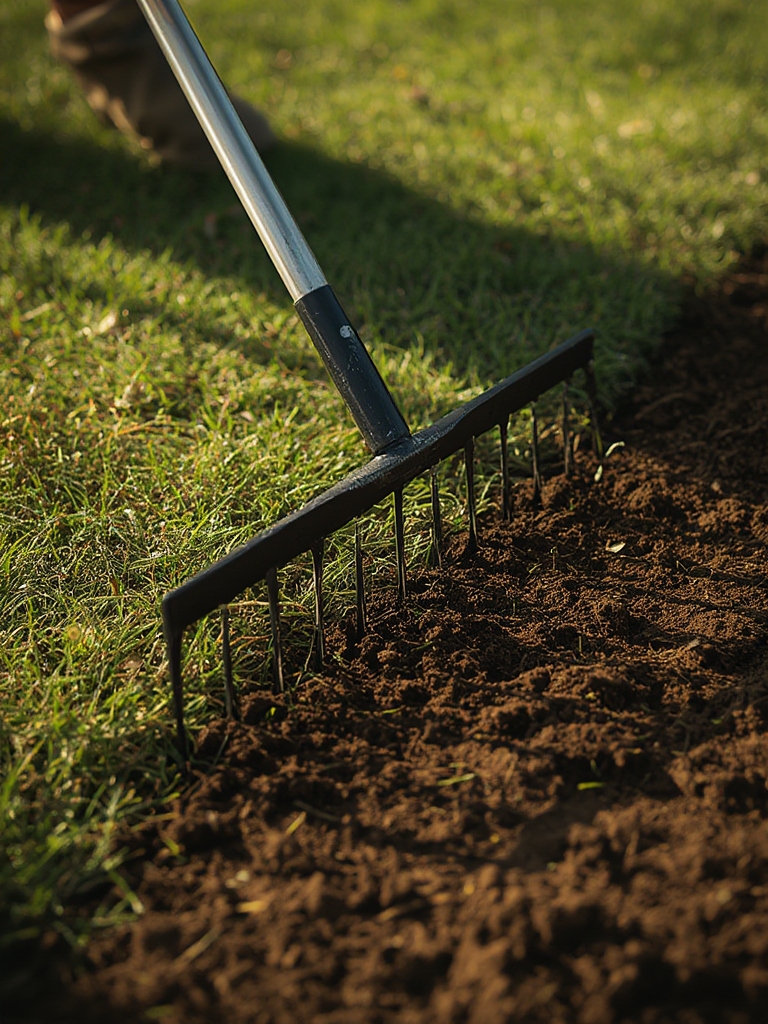
- Use a push-pull, side-to-side sweeping motion.
- Keep the rake’s head flat and apply steady, gentle pressure.
- Overlap passes and feather out edges for a natural blend.
-
Water and monitor progress.
- Lightly water to settle material, then repeat raking if needed.
- For severe dips, repeat the process after 2-3 weeks.
Advanced Analysis & Common Pitfalls
Price Differences: Quality, Size, and Material
Expect to pay a premium for wider, sturdier, or welded-metal lawn leveling rakes. Models with stainless or fully-welded heads last longer, especially in wet weather or repeat use. Budget rakes (under $45) are suited to smaller jobs or one-time projects, but can twist or rust faster overtime.
For an in-depth price breakdown by width and construction, reference this expert comparison and the video benchmarking rakes by price.
Neglected Issues: Maintenance, Safety, and Technique
- Most guides skip over routine care. Rakes with non-stainless steel heads need oiling and garage storage or powder-coated finishes (learn about rust prevention here).
- Long handles (70-78 inches) offer ergonomic benefits for tall users, but incorrect posture or “yanking” can cause strain. Break sessions up and use two hands for control.
- Expert sand spreading means multiple passes with thin layers. Too much sand suffocates roots, while too little won’t fix ruts or bumps.
For more ergonomic gardening, you might also compare with tools like the hula hoe or stirrup hoe for other tasks.
Common Pitfalls Table
| Common Pitfall | How to Avoid | Relevant Resource |
|---|---|---|
| Rake blade twisting or head becoming loose | Select welded steel or robust aluminum; tighten hardware before use | In-depth tool reviews |
| Rust on metal parts | Dried clean after use; oil if not stainless; store inside | Maintenance advice |
| Uneven spreading, low/missed patches | Apply thin layers in a crisscross pattern. Mark dips if needed. | Application techniques |
| Over-dressing (smothered turf) | Stick to ¼–½ inch per pass; do several rounds for big repairs | Lawn recovery tips |
| Physical fatigue or sore back | Use correct handle length and lift with legs. Break up bigger lawns into sections. | Labor-saving devices |
Data Gaps & Real-World Outcomes
There is a solid amount of product data, but public guides rarely address exactly how much time a typical yard will take, how rakes stack up against powered spreaders, or how much smoother your mow will be after leveling. If you want to push further, search real customer reviews on Home Depot or Amazon. And for long-term viability, look at how aluminum or stainless rakes hold up over years of seasonal use.
Curious about alternative lawn care and water-saving hacks? Check out guides on clover lawns or drought-tolerant grass for even deeper improvement.
Conclusion
Mastering your lawn with the right lawn leveling rake isn’t complicated, but your end results depend on selecting the right size and material, using sound technique, and not skipping care or safety. If you want a healthy, easy-to-mow lawn that outshines the neighbors, start with quality gear and patience. Ready to tackle your own lawn leveling project? Invest in the best rake you can afford—and refer back to this guide each season for long-term success with your lawn leveling rake.
Still facing tough bare spots or heavy weed pressure? Find more expert tips in our organic lawn fertilizer guide and browse our robot lawn mower review for effortless upkeep.
Frequently Asked Questions
What size lawn leveling rake head is best for most homeowners?
A 30 to 36-inch wide head offers the best balance between coverage and control. Only use 45-inch heads for very large, open yards where maneuverability is less of a concern.
Is stainless steel or aluminum better for durability?
Both materials offer rust resistance and sturdiness. Welded stainless steel is slightly heavier but more durable for frequent use. Aluminum is lighter and resists corrosion well, but go for fully-welded frames to prevent warping.
How much sand or topdressing should I use per pass?
Keep each application at 1/4 to 1/2 inch to avoid suffocating grass. It’s better to do several thin rounds than one thick, heavy layer.
What should I do if my rake starts to rust?
Clean off dirt and moisture after each use and store inside. If rust appears, remove it with steel wool and apply a light coat of mineral oil for protection. Consider powder-coated or stainless models for less maintenance.
Can a lawn leveling rake fix issues caused by pets or heavy traffic?
Yes, these rakes help blend in small holes and ruts from activity. For larger damage, level in stages and consider re-seeding if bare soil is visible.
