

Insulation upgrade is one of the most effective ways to boost your home’s energy efficiency and lower utility bills in 2024. Homeowners nationwide are seeking step-by-step guidance, actionable tips, and performance data to make informed decisions about attic and wall insulation improvements. This in-depth guide covers the latest stats, practical how-tos, crucial cost factors, and honest insights for a successful insulation upgrade project that actually delivers on its promises.
Key Takeaways
- Upgrading attic and wall insulation can cut annual energy bills by 15-30% and reduce HVAC system strain.
- Closed cell spray foam offers the best technical performance, but blown-in cellulose can be cost-effective for many homes.
- Careful inspection, air sealing, and post-upgrade tracking of savings are essential to maximize results and avoid common pitfalls.
- What Is an Insulation Upgrade and Why Is It Essential?
- Step-by-Step Guide to Upgrading Home Insulation
- Advanced Analysis and Common Pitfalls
- Conclusion
- FAQ Section
What Is an Insulation Upgrade and Why Is It Essential?
An insulation upgrade means adding or replacing insulation in your attic, walls, or floors to achieve higher R-values and better control of heat flow in and out of your home. Insulation upgrades have become a priority investment in 2024, as energy costs rise and durability expectations climb.

If your home was built before 2000, statistics show it’s almost certainly under-insulated—89% of US homes are—and you’re likely spending hundreds more annually on energy than necessary. The core benefit of an insulation upgrade is year-round savings: homeowners save 15–30% annually on heating and cooling costs when both air leaks and insulation gaps are properly addressed (EPA, 2024 NAIMA study).
This translates not just to lower energy bills, but also a longer HVAC lifespan (by 3–5 years) and greater comfort in every season. For those investing in other home upgrades like energy efficient home upgrades or smart thermostat installation, proper insulation forms the backbone of whole-home performance.
Step-by-Step Guide to Upgrading Home Insulation
Upgrading insulation is a multi-stage process that must balance inspection, material selection, installation, and post-project verification. Here are the steps any homeowner should take for a truly effective insulation upgrade:
- 1. Pre-Upgrade Assessment
- Evaluate the type and thickness of current insulation in your attic, walls, and floors. Compare to the recommended 2024 IECC standards (R-38 to R-60 in attics, region-specific).
- Inspect for moisture damage, rodent nests, or compressed materials, all of which lower insulation performance.
- Check for obvious air leaks around attic access panels, recessed lighting, rim joists, plumbing stacks, and top plates.
- Document your starting energy bills or HVAC run times (Use your smart thermostat or utility app).
- 2. Air Sealing
- Seal all major attic and foundation leaks with foam, caulk, and specialized sealing tapes. (Air Sealing kits are remarkably effective for draft proofing.)
- Don’t forget rim joists, window and door gaps, and penetrations hidden behind insulation—these are notorious bypasses for heat and cold.
- 3. Material Selection
- Choose insulation with high R-value per inch for your climate. Closed cell spray foam (R-6.0) is the most efficient, though blown-in cellulose (R-3.8) offers good value. Fiberglass batts (R-3.2) are budget choices but can leave gaps.
- Consider the impact of eco-friendly and recycled options—cellulose is often made from up to 85% post-consumer content.
- Get quotes for professional installation—2024 prices for attic jobs range from $2,500 to $6,000, with greater regional cost variation in specialized labor markets (See reference).
- 4. Installation
- Target uniform coverage in the attic to prescribed depth. Avoid compressing batts, which slashes effective R-value.
- For walls, blown-in cellulose or dense-pack fiberglass in sealed cavities usually delivers the best results, especially in older homes.
- Installers should use rulers or depth gauges to ensure attic insulation meets or exceeds R-38. Spot-check the coldest areas with a thermal camera or infrared thermometer.
- 5. Post-Upgrade Inspection and Tracking
- Visually confirm insulation coverage, depth, and absence of gaps at all corners, eaves, and penetrations.
- Monitor and compare your next 12 months of energy bills and HVAC runtime metrics. Look for stable indoor temps and fewer service calls.
- Keep all installer documentation and warranty info; defects in application often show up in the first couple years.
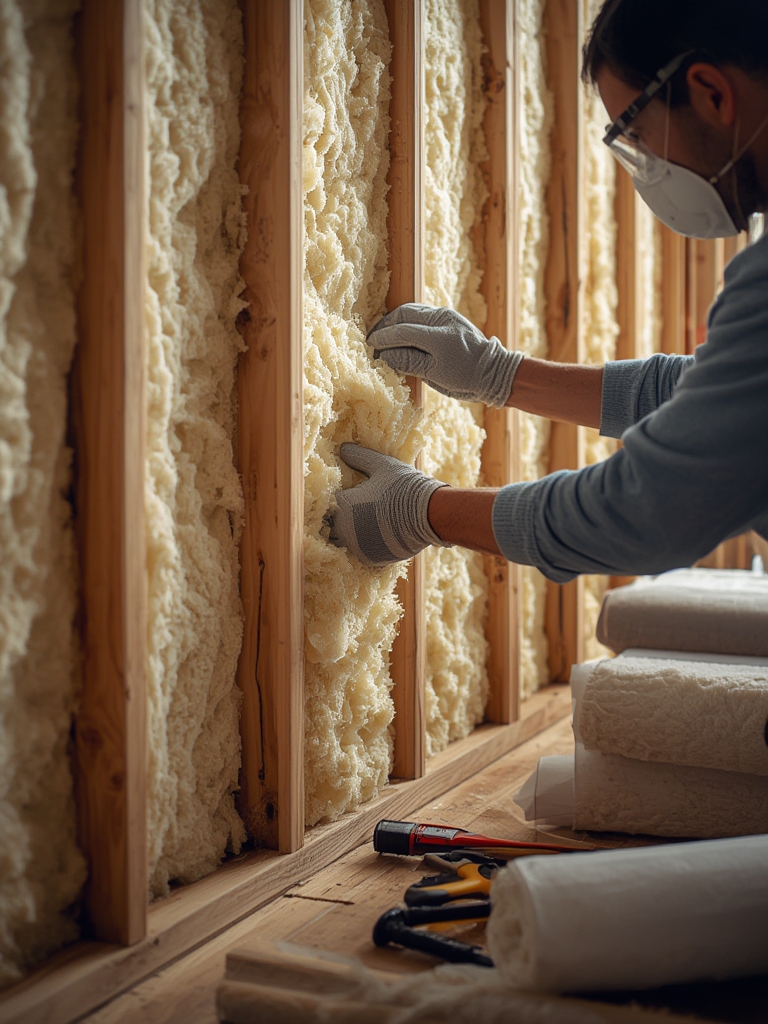
When in doubt about techniques or DIY safety, choose a reliable pro—mistakes with vapor barriers or dense-pack equipment can be costly. Also, look for carefully vetted companies, just as you would with essential services like mold removal near me or furniture cleaning, to avoid hidden problems.
Advanced Analysis and Common Pitfalls
Real-world upgrades never go perfectly. Even with contractor help, homes can remain drafty or expensive to heat and cool due to common pitfalls:
- Partial or uneven attic coverage (especially at eaves, corners, or over can lights), which allow ongoing heat loss.
- Skipping air sealing step prior to insulation. This results in less-than-expected savings, as air bypasses insulation layers.
- Poor material choice for climate or budget (e.g., using low R-value fiberglass batts in cold northern homes).
- Lack of post-upgrade monitoring—without before-and-after tracking of bills or HVAC runtime, it’s impossible to confirm ROI.
- Relying on insulation alone, without improving older drafty windows or doors. Bundling with other improvements like DIY home improvements or even outdoor upgrades often delivers broader benefits.
Technical Comparison: Insulation Materials Performance
| Insulation Type | R-Value per Inch | HVAC Load Reduction | Equipment Lifespan Extension |
|---|---|---|---|
| Closed Cell Spray Foam (energy efficient) | R-6.0 | 25–30% | 4–5 years |
| Open Cell Spray Foam | R-3.5 | 20–25% | 3–4 years |
| Cellulose Blown-In | R-3.8 | 15–20% | 2–3 years |
| Fiberglass Batts (traditional) | R-3.2 | 10–15% | 1–2 years |
As noted above, closed cell spray foam dramatically outperforms fiberglass batts, but it comes at a notable price premium. Attic blow-in approaches (10–13 inches) typically give better R-value in older homes. Region also matters: attic upgrades deliver fastest payback in northern and high-utility-bill climates. Wall insulation is best for homes in cold or mixed climates; effectiveness drops in mild or already well-insulated homes.

One overlooked issue: cost ranges in 2024 are rising. Projects typically run $2,500 to $6,000 according to recent analysis, with savings of $300–$1,200 per year depending on size and climate. No detailed regional breakdowns yet exist, so get at least two local quotes. Be wary of ultra-fast payback marketing claims—they may ignore labor or air sealing costs.
For homeowners seeking durability or eco-friendly options, explore non-fiberglass choices like cellulose (high recycled content) or closed cell foams that also block moisture. This approach aligns with trends in sustainable building materials.
Conclusion
A carefully planned insulation upgrade is one of the most reliable methods to boost comfort, cut costs, and protect your home’s systems all year long. Ensure you follow a step-by-step process: assess, air seal, choose optimal materials, track savings, and review for gaps after install. While pitfalls exist, data-driven inspection and ongoing tracking can virtually guarantee your insulation upgrade delivers ROI and comfort. Ready to start your insulation upgrade? Get multiple quotes and always track results.
FAQ Section
How much can I really save per year with an insulation upgrade?
Attic and wall insulation upgrades typically provide 15–30% savings on annual energy bills, depending on climate and how well air leaks are sealed in addition to insulation work. Most homeowners see $300 to $1,200 per year in savings after a professionally done upgrade.
Is it better to insulate the attic, walls, or both?
Start with the attic, as it produces the highest and fastest return. Walls are worth upgrading in cold or mixed climates or if your home is especially old or drafty. Combining attic insulation with air sealing is most cost-effective for the majority of homes.
What’s the payback period for a typical insulation upgrade in 2024?
Depending on the size of your home and local energy costs, the payback is usually 5 to 8 years for attic upgrades. Higher initial investments in spray foam can shorten payback if energy prices are high and air leaks are addressed.
How do I know my insulation upgrade worked?
Track your monthly energy bills and HVAC run times before and after the project. Stable indoor temperatures, reduced utility costs, and fewer heating or cooling cycles are the best signs of real success. A post-upgrade inspection should confirm there are no gaps or compressions in the insulation layer.
Are eco-friendly insulation materials as effective as traditional options?
Many eco-friendly options, like blown-in cellulose, offer similar performance to fiberglass batts and sometimes better air sealing. Closed cell sprays (often with lower VOCs) deliver the highest efficiency but may cost more upfront.
