

Garden shade cloth is the backyard essential that can spell the difference between a lush harvest and a sunburnt disappointment—especially as summer temperatures push vegetables past their comfort zone. If you want actionable guidance for using shade cloth effectively, including vital research-backed data, you’re in the right place.
Key Takeaways
- Choose shade cloth percentage based on crop needs: 50-60% for cool-season crops, 20-40% for sun-loving vegetables.
- Proper installation—suspending cloth above plants without contact—is crucial for air circulation and temperature reduction.
- Reflective shade cloth outperforms black cloth in cooling, but installation and maintenance details remain crucial for long-term success.
- What is Garden Shade Cloth and Why Use It?
- How to Install and Use Garden Shade Cloth: Step-by-Step
- Advanced Analysis & Common Pitfalls
- Conclusion
- Frequently Asked Questions
What is Garden Shade Cloth and Why Use It?
Garden shade cloth is a woven or knitted fabric designed to filter sunlight. Home gardeners use it to protect vegetables from intense heat, sunburn, and moisture loss. The cloth comes in different shade percentages, which describe how much sunlight is filtered.
The main goal: reduce heat stress on crops during extreme summer, maintain healthy plant growth, and save water. Scientific studies indicate that leafy greens and delicate seedlings like lettuce and spinach thrive best under 50-60% shade cloth. Sun-loving vegetables, including tomatoes, peppers, and eggplants, usually perform optimally with 20-40% shade cloth. Using the correct shade density balances sunlight reduction and heat mitigation, ensuring plants aren’t deprived of the light they need for robust yields.[source]
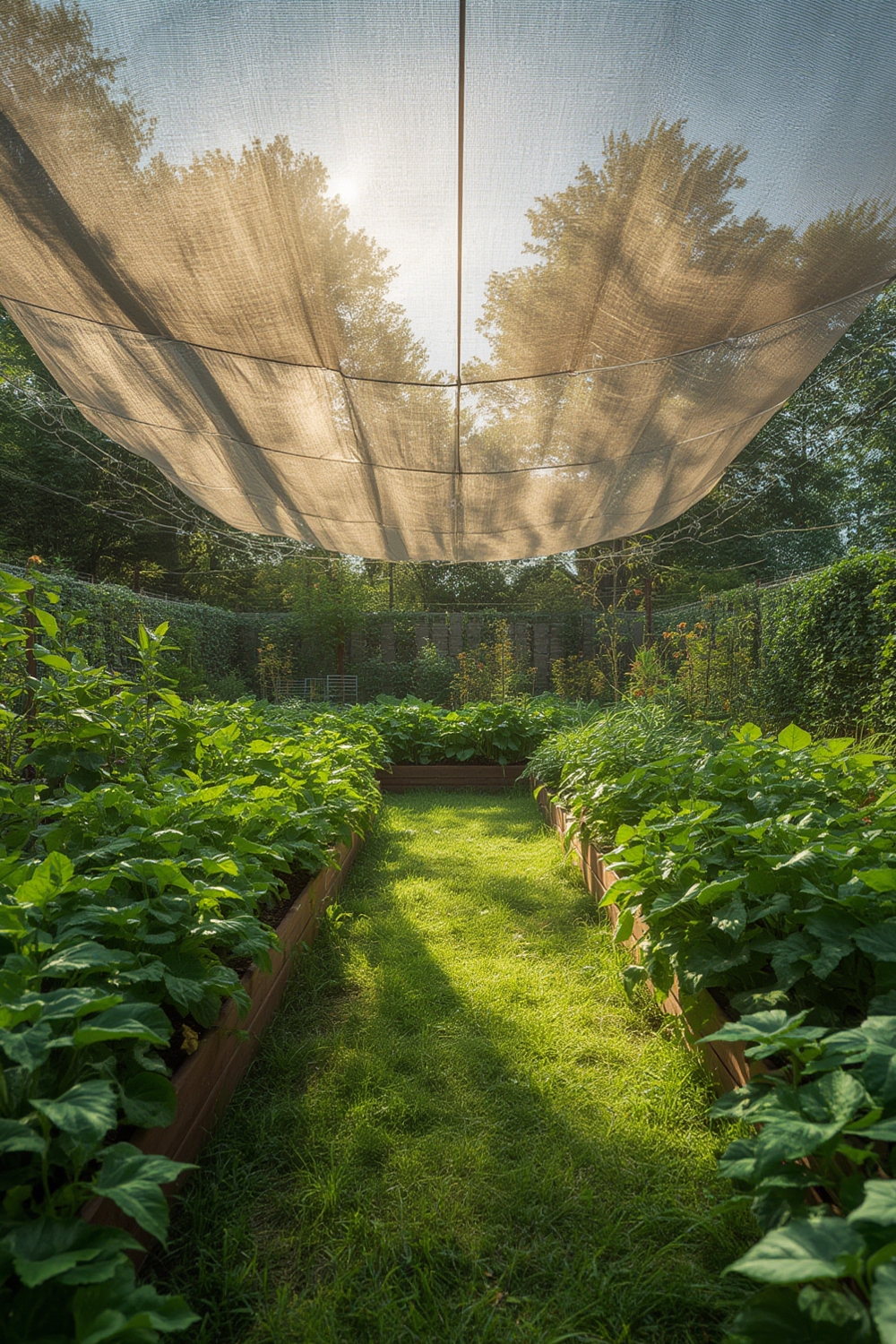
Temperature-reducing benefits of garden shade cloth are substantial. Studies from Utah State University confirm that 40-50% coverage reduces both soil and ambient air temperature by 10F or more, sometimes as much as 15F (about 8.3C) when outside temperatures soar near 95F (35C). For further reading, see these research findings.
Durability and reusability make shade cloth an attractive alternative to makeshift coverings or permanent shade trees. If you’re interested in maximizing your vegetable plot’s output while dealing with climate extremes, shade cloth is one of the most versatile tools you can use. For related garden tool advice, check out this hula hoe guide for easier weeding and maintenance.
How to Install and Use Garden Shade Cloth: Step-by-Step
- Measure your area. Calculate the length and width of the vegetable bed or tunnel that needs coverage. Add 10% extra to the cloth size for secure attachment.
- Select your cloth density. Choose 50-60% shade for leafy greens and cool-season crops; 20-40% for sun-lovers like tomatoes.
- Build or select your frame. Use stakes, hoops, or an overhead trellis. The frame should be at least 12-24 inches above plant tops so the cloth doesn’t touch foliage, promoting airflow and reducing heat buildup—key for both cooling and preventing disease.
- Attach the shade cloth. Drape the cloth over the frame. Use bungee cords, zip ties, or shade cloth clips. Make sure the attachment is secure to survive wind gusts.
- Check the angle and direction. Ideally, install the cloth so it faces the harshest midday to afternoon sun (south or west), and keep it taut to avoid sagging that blocks airflow.
- Maintain access. Fasten at least one side with simple-to-remove ties, so you can easily tend plants or adjust for changing sunlight angles as the season progresses.
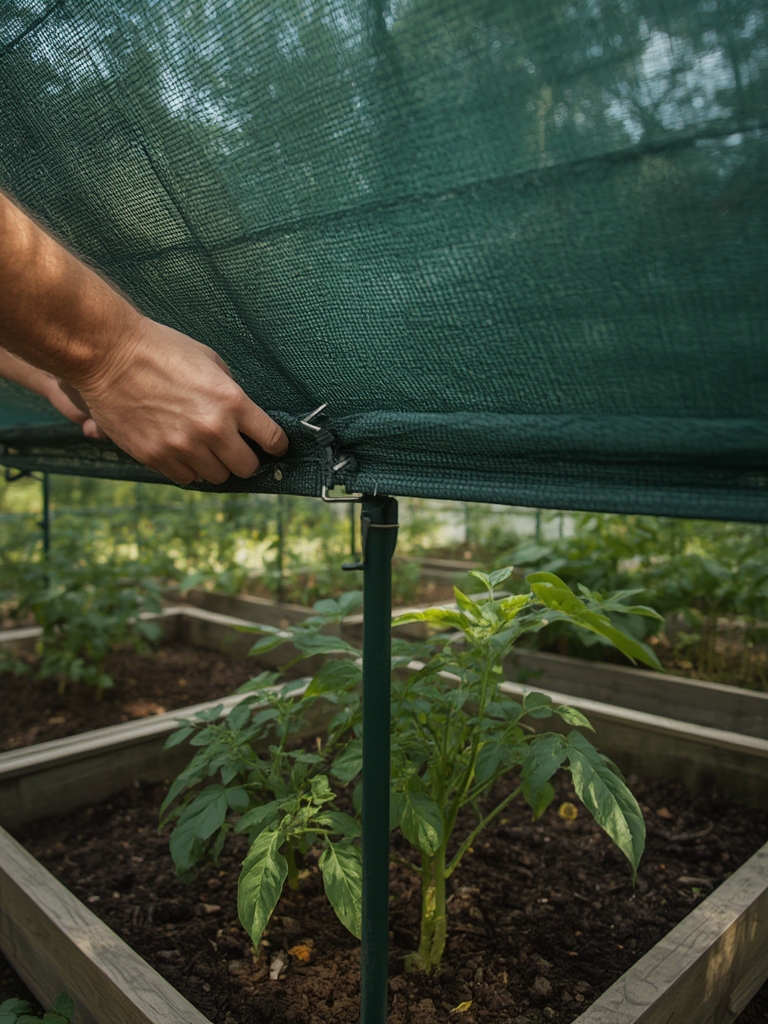
Don’t let your plants touch the wet cloth. Always keep shade cloth off the foliage to reduce disease risk and allow maximum airflow. For larger gardens or tunnels, use commercial-grade grommets and high tensile wire to suspend and tension wider panels securely.
Gardeners with evolving garden layouts often appreciate modular approaches, such as reusing last season’s shade cloth for different crops or combining it with a stirrup hoe for precise weeding, as seen in our stirrup hoe guide.
Timely seasonal removal and storage will help extend cloth life and limit UV degradation. When dirty, rinse and dry thoroughly before folding away.
Advanced Analysis & Common Pitfalls
Research shows shade cloth works—if you use the right material, density, and application. Here are common issues and mistakes to avoid:
- Selecting the wrong shade percentage. Too much shade (over 60%) may slow plant growth, especially in sun-loving varieties. Too little offers barely any relief from heat in hot climates.
- Poor installation techniques. If shade cloth touches plants, it can trap humidity and encourage leaf disease, especially in crops prone to mildew.
- Underestimating wind and weather. Loosely attached cloth can collapse during storms, damage plants, or blow away. Use robust fasteners or consider commercial clips.
- Lack of regular maintenance. UV exposure and repeated handling weaken most shade cloths, so inspect for tears, re-tighten after storms, and store off-season.
- Ignoring adaptability. Sun angle changes each season. Not rotating or adjusting your system could reduce effectiveness or leave crops unprotected in late afternoon heat.
- Failure to plan crop layout. Some gardeners cover entire gardens rather than specific heat-sensitive rows; this wastes resources and can shade crops that don’t need it.
| Shade Cloth Type | % Shade Density | Temperature Reduction | Pros | Cons |
|---|---|---|---|---|
| Black Knitted | 30-60% | 10-15°F at 40-50% | Affordable, widely available | Less heat reflection, degrades faster in sun |
| Reflective Aluminet | 40-60% | Up to 15°F (or more) plus cooler leaf temps | Best cooling, reusable, more UV resistant | Costs more, visible glare |
If you’re aiming for consistent yields, especially in climates with longer hot periods, consider investing in reflective shade cloth. According to this detailed greenhouse study, reflective cloth outperforms black on cooling, leaf temperature, and water conservation.
No direct cost data is available for 2024, and reviews on installation difficulties or growth issues are rare. For longevity, always store cloth dry and check attachment points. Addressing these common pitfalls separates healthy, productive gardens from failed experiments.
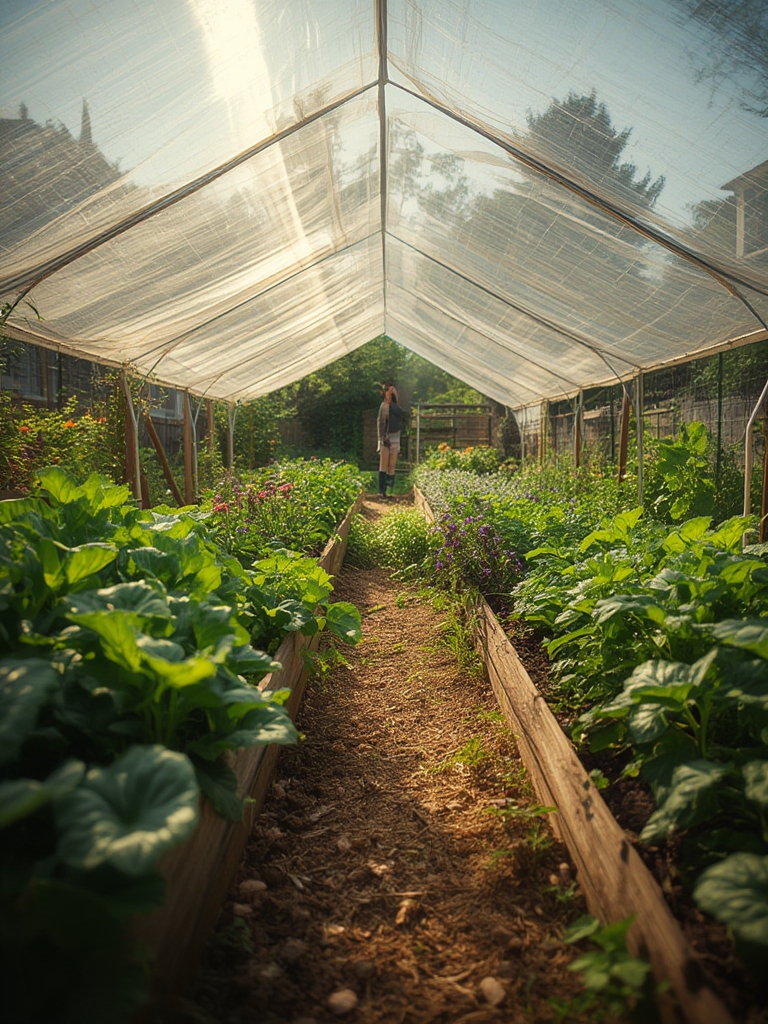
Gardeners experimenting with alternative sun protection (such as DIY tarps, row covers, or even planting under mature shade trees) should note that shade cloth routinely proves more flexible and effective in vegetable gardens. For more strategies to optimize outdoor spaces, explore our covered outdoor living guide.
Conclusion
Using the right garden shade cloth helps vegetables survive—and thrive—during heat waves. The best results come from matching cloth percentage to plant needs, installing securely, and maintaining the system throughout the season. Issues do arise with poor installation and lack of maintenance, but both are avoidable with a thoughtful setup. If you want robust, reliable harvests in challenging weather, proper use of garden shade cloth is one technique every home gardener should master. Start planning your setup today to protect your yields and streamline your growing season.
Ready to take your garden to the next level? Pair your shade system with other innovative garden tools, like the stirrup hoe for easy weeding, or tap into excellent water-saving ideas from our drought tolerant grass guide.
Frequently Asked Questions
What percentage of shade cloth is best for tomatoes and peppers?
Tomatoes and peppers perform best with 20-40% shade cloth, which filters harsh midday sun but provides enough light for strong growth. Go higher only during extreme heat waves or in high tunnels.
Can I use garden shade cloth for lettuce and spinach year-round?
Yes, leafy greens like lettuce and spinach benefit from 50-60% shade cloth, especially during summer. In cooler seasons, you can reduce shading or remove the cloth to maximize light and yield.
How do I keep shade cloth from blowing away?
Secure the cloth with clips, bungee cords, or zip ties attached to a sturdy frame. Use extra anchors or weights on windy sites, and check the attachment after storms to prevent damage or loss.
Can I water plants through the shade cloth?
Many woven or knitted shade cloths allow water to pass through, so you can use sprinklers or drip irrigation underneath without issue. For misting, wetting the shade cloth can further enhance cooling during extreme heat.
