

Garage apartment conversion is one of the most practical ways homeowners can add rentable living space, boost property value, and unlock new income streams, especially as Accessory Dwelling Units (ADUs) become more popular in tight housing markets. But costs, permits, and realistic ROI are often misunderstood. Here are the hard facts and actionable steps to do it right.
Key Takeaways
- Garage apartment conversions typically cost between $50,000 and $150,000 in 2024, with ROI ranging from 15% to 20% in high-demand markets.
- Permitting, code requirements, and professional work are essential—DIY shortcuts or ignoring local rules can triple costs or delay the project.
- Poor insulation, lack of privacy, and insufficient planning are the top reasons why garage ADUs underperform—start with a detailed budget and expert help.
- Understanding Garage Apartment Conversion
- Step-by-Step Guide to Garage Apartment Conversion
- Advanced Analysis & Common Pitfalls
- Conclusion
- Frequently Asked Questions
Understanding Garage Apartment Conversion
Garage apartment conversions, also called garage ADUs (Accessory Dwelling Units), transform existing garages—attached or detached—into complete living units. Motivations for these conversions include rental income, multigenerational housing, and increasing property equity without a new footprint. In dense urban areas and high-density suburbs, garage conversion is often the lowest-cost path to add livable space compared to new additions or basements.
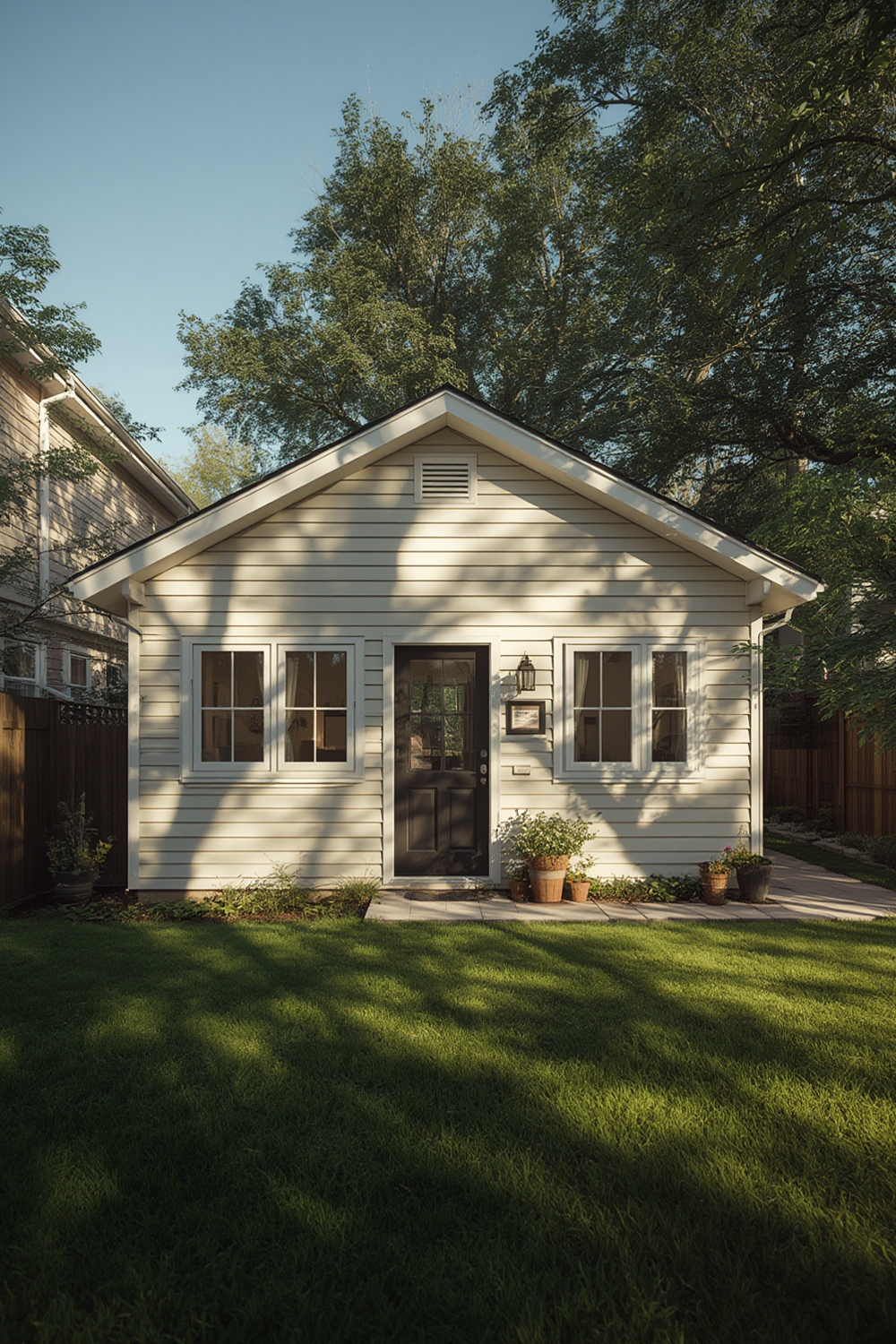
Nationally, garage apartment conversion costs average $50,000–$150,000, or $150–$300 per square foot, depending on finishes, new utilities, and local labor rates. For a standard 1-car (240 square feet) garage, expect $36,000–$120,000, while a 2-car garage (400 square feet) might run $60,000–$200,000. Keep in mind regional differences: a conversion in New York or San Francisco might command a higher price than in Texas or Colorado. Source
ROI is compelling: annual returns of 15% to 20% are standard where rental demand is strong. For context, a $120,000 conversion generating $1,800/month in rent can net roughly $18,000 a year after expenses, equating to 15%. See more details here. Factors such as location, rental market strength, and quality of construction make or break profitability.
On the flip side, conversions bring new legal, logistical, and comfort-related challenges. Homeowners need to navigate permits, zoning, code compliance, and neighbor relations. For a deeper look at ADU construction as a rental strategy, see our 7 Ways to Maximize Rental Income with ADUs.
Step-by-Step Guide to Garage Apartment Conversion
-
Check Local Zoning and Permitting Requirements
Before you spend a dollar, verify if garage conversions are legal in your city or neighborhood, especially for detached garages. Contact your building department or use online zoning lookup tools. Permitting fees range from $2,500 to $10,000 depending on your location.
-
Assess the Structure and Plan for Costs
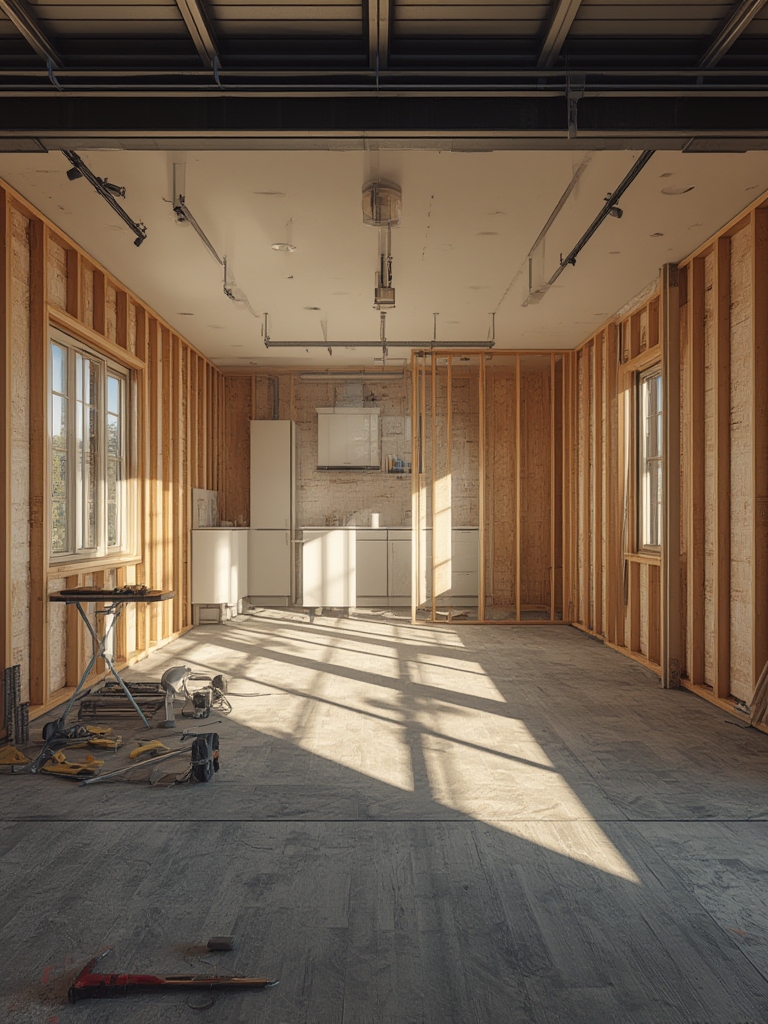
Inspect the garage’s condition. Confirm it’s dry, structurally sound, and suitable for living upgrades. Sketch your design, including bath, kitchenette, and sleeping space. Use cost calculators—typical projects run $150–$300/sq ft, or see breakdowns by city here.
-
Hire the Right Professionals
For plumbing, electrical, and insulation, don’t cut corners. Get bids from licensed contractors. Inexperienced DIY work—especially with utilities—can double costs or ruin your ROI.
-
Design for Comfort and Privacy
Add insulation in walls, ceilings, and floors; plan for soundproofing if renting. Check minimum space standards (typically 240 square feet minimum in most cities) and ensure egress/windows meet code. If you’re in a cold climate, include quality window sealing kits and HVAC. Our guide to window sealing kits can help cut drafts and keep energy bills down.
-
Finish With Durable, Easy-to-Clean Materials
Use waterproof flooring, mold-resistant drywall, and simple cabinetry. Plan for storage and a compact kitchenette, possibly with modular or portable appliances. For ideas, see our guide to durable furniture for small living spaces.
-
Pass Final Inspections and List for Rent
Schedule final city inspections before moving in or renting. Photograph the completed unit with good lighting; list on rental sites or make available for multigenerational family use. Manage tenant screening and property maintenance for reliable income.
Want even more step-by-step details? Our garage door alignment guide ensures your entry stays secure, professional—and up to code.
Advanced Analysis & Common Pitfalls
Even with careful planning, garage apartment conversions hit common hurdles. Most fall into three categories: regulatory snags, contractor oversight, and comfort missteps.
| Pitfall | How It Happens | How to Avoid |
|---|---|---|
| Missed Permitting or Zoning Step | Homeowners skip city approval, only to face stop-work orders, fines, or forced demolition. | Contact local building department and document every permit, including for detached garages. |
| Underestimating True Costs | Lowballing budgets or not allowing for hidden repairs, utility upgrades, or new foundations. | Add 10%–20% contingency and get written, detailed estimates from contractors. |
| Skipping Professional Trades | DIY plumbing, wiring, or insulation fails code or requires expensive rework. | Hire licensed professionals for trades; cheap now is expensive later. |
| Poor Insulation or Soundproofing | Old garage may be freezing in winter, hot in summer, or loud on busy streets. | Invest in insulation, air sealing, and sound barriers—see our self-leveling floor guide |
| Ignoring Rental Market Demand | Overbuilding in low-demand areas, or expecting luxury rents in modest neighborhoods. | Research rents for similar units—urban areas like San Francisco or New York can exceed $3,000/month, suburbs may average $1,200–$2,000. |
Homeowners and contractors alike should beware of “scope creep”: pushing projects beyond budget or code requirements adds little value but lots of risk. Always clarify if your city’s ADU rules differ for attached versus detached garages. Consider connecting with local ADU owners directly for sharing real-world lessons.
If you spot mold issues during renovation, your investment could be at risk. Our complete mold removal guide helps address these problems before they threaten tenant health or cause costly delays.
Conclusion
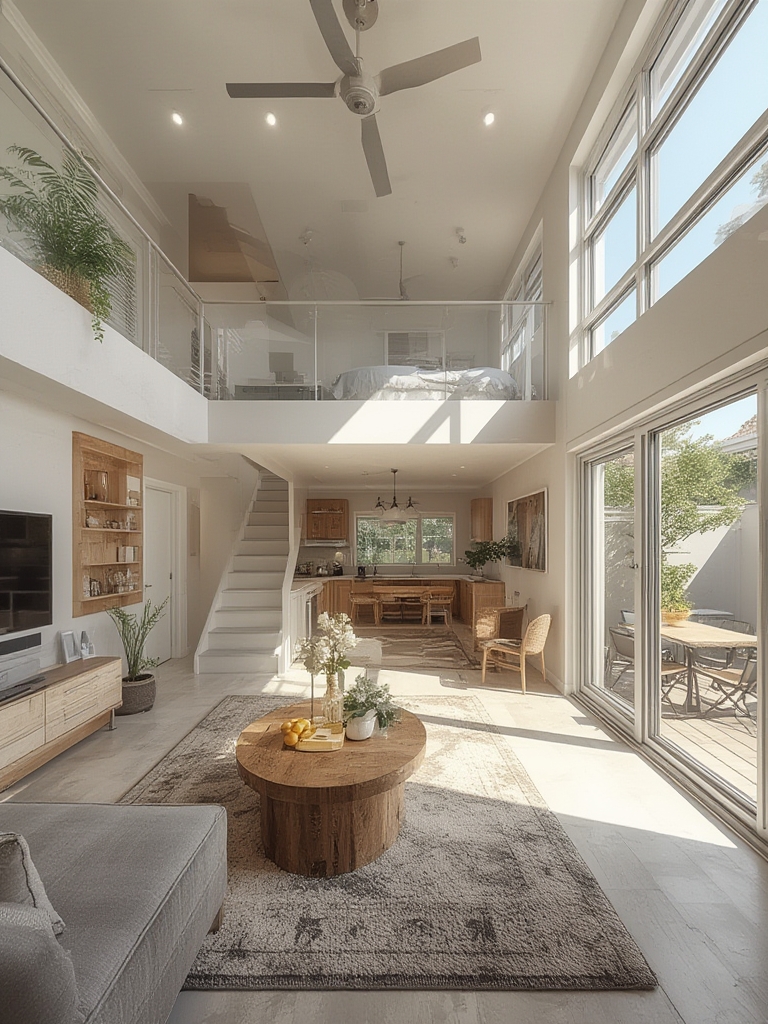
A garage apartment conversion offers a realistic, profitable path to new rental income or flexible family living, provided you nail down permits, plan costs, and prioritize comfort. Most conversions cost $50,000–$150,000, with strong ROI in tight rental markets. Avoid rookie mistakes by getting professional help in critical trades, and focus on insulation, privacy, and local compliance at every step. With strategic planning, your garage apartment conversion will stand out as a long-term asset.
Ready to get started? Compare your design, finish, and rental goals against the steps above and consult local ADU pros. For related upgrades, don’t miss our guides on ADU rental maximization strategies or floor upgrades for unique spaces.
Frequently Asked Questions
How much does a garage apartment conversion cost in 2024?
The national average ranges from $50,000–$150,000, depending on size, finishes, and local labor rates. Simpler, unfinished conversions can be as low as $18–$50 per square foot but most full ADUs cost $150–$300 per square foot. Source
Do I need a permit to convert my garage into an apartment?
Yes, almost every city and county requires building permits for garage-to-living-space conversions. Permit fees range from $2,500 to $10,000 in most markets. Ignoring this can lead to fines or teardown orders. Learn more.
How much rent can I expect from a garage ADU?
Urban rentals typically fetch $1,500–$3,000/month, with hot markets like San Francisco or New York reaching even higher. Suburban areas average $1,200–$2,000/month. Actual income depends on your location, finishes, and demand. Details here.
What is the biggest mistake to avoid during conversion?
Skipping professional help for plumbing, electrical, or insulation work leads to failed inspections, surprise costs, and uncomfortable units. Get detailed bids and use certified trades.
Does a garage conversion increase home value?
Yes. Most full-featured conversions raise market value, especially if permitted and finished to code. ROI comes from both rental income and future resale appeal in most metro markets.
