

Fluted wood cabinets are one of the fastest-growing design trends for kitchen and bath remodels in 2024, offering dramatic visual texture and a fresh take on classic wood cabinetry. In this post, you’ll get a straight-shooting look at what makes fluted cabinetry so desirable, their real-world pros and cons, and expert-backed tips for integrating this look into your space—without regrets.
Key Takeaways
- Fluted wood cabinets are surging in popularity, with 20%+ annual growth, but cleaning and maintenance are tougher than with flat doors.
- Costs run 15–30% higher per linear foot than standard slab or Shaker cabinets, and retrofitting existing fronts is technically challenging.
- Designers recommend fluting as an accent—on islands, lower cabinets, or select panels—for visual impact, balance, and cleaner maintenance.
- What Are Fluted Wood Cabinets and Why Are They Trending?
- How to Choose and Integrate Fluted Wood Cabinets: Step-by-Step
- Troubleshooting: Pitfalls, Retrofits, and Real-World Drawbacks
- Conclusion: Are Fluted Wood Cabinets Right for You?
- FAQ: Fluted Wood Cabinets Explained
What Are Fluted Wood Cabinets and Why Are They Trending?
Fluted wood cabinets feature vertical grooves or ribs sculpted into the surface of wood doors and panels. Instead of a flat or Shaker profile, fluted fronts add depth, shadow, and a tactile quality that brings warmth and visual interest to kitchens, bathrooms, and even living room built-ins. This look feels both architectural and contemporary, echoing Art Deco inspiration but also fitting seamlessly into modern interiors.
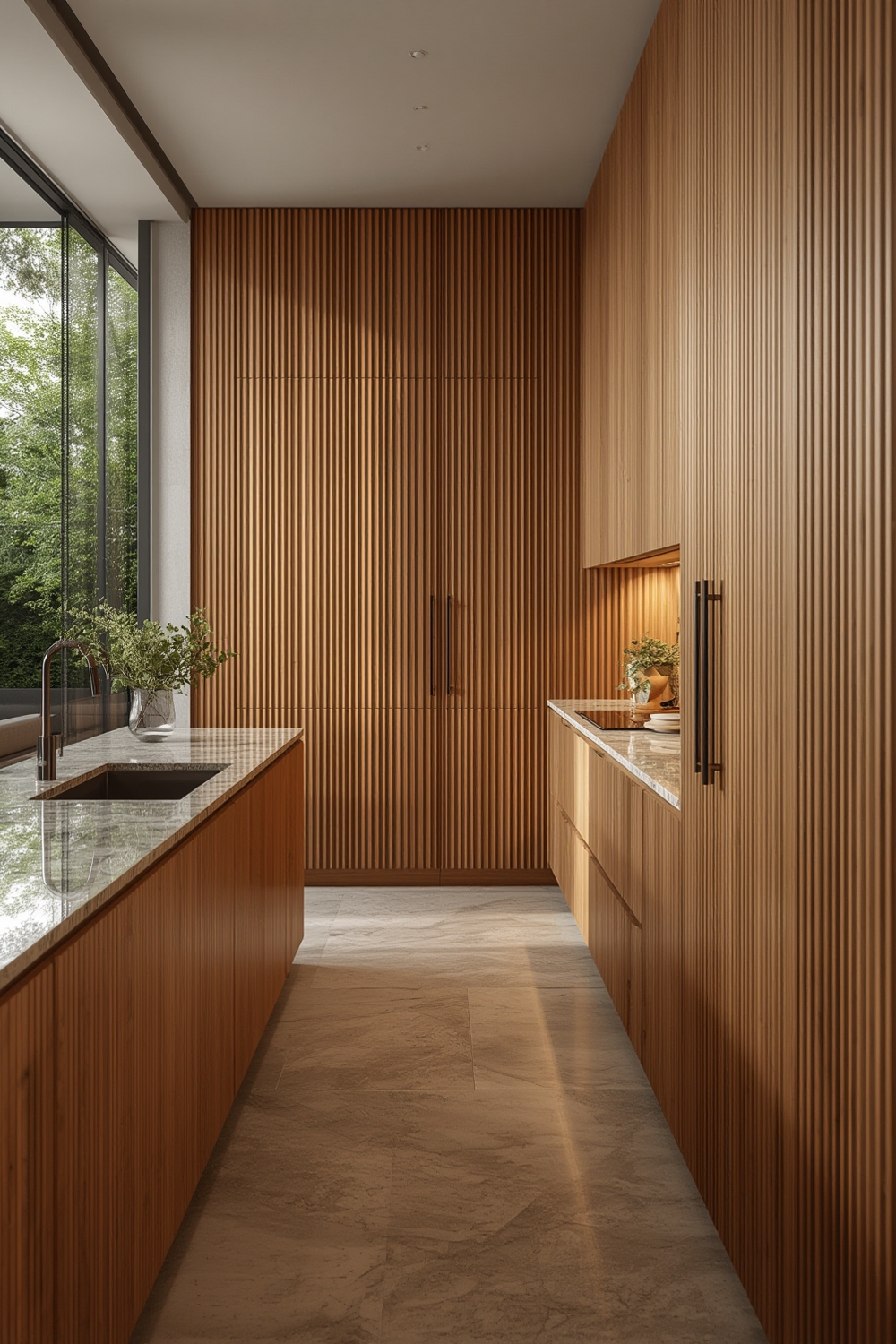
Why the sudden boom? As the global cabinet market soars toward $236 billion by 2029, designers and homeowners alike are looking for ways to add “depth and dimension” to woodwork in homes. Dealer and trend sources consistently cite a 20% annual jump in demand for textured and fluted cabinetry, making it one of 2024’s most sought-after styles according to US dealer trend reports. Fluted wood is highlighted as the number-one kitchen trend of the year in multiple design publications and is especially popular in natural woods like white oak and walnut, or in eco-friendly options like bamboo.
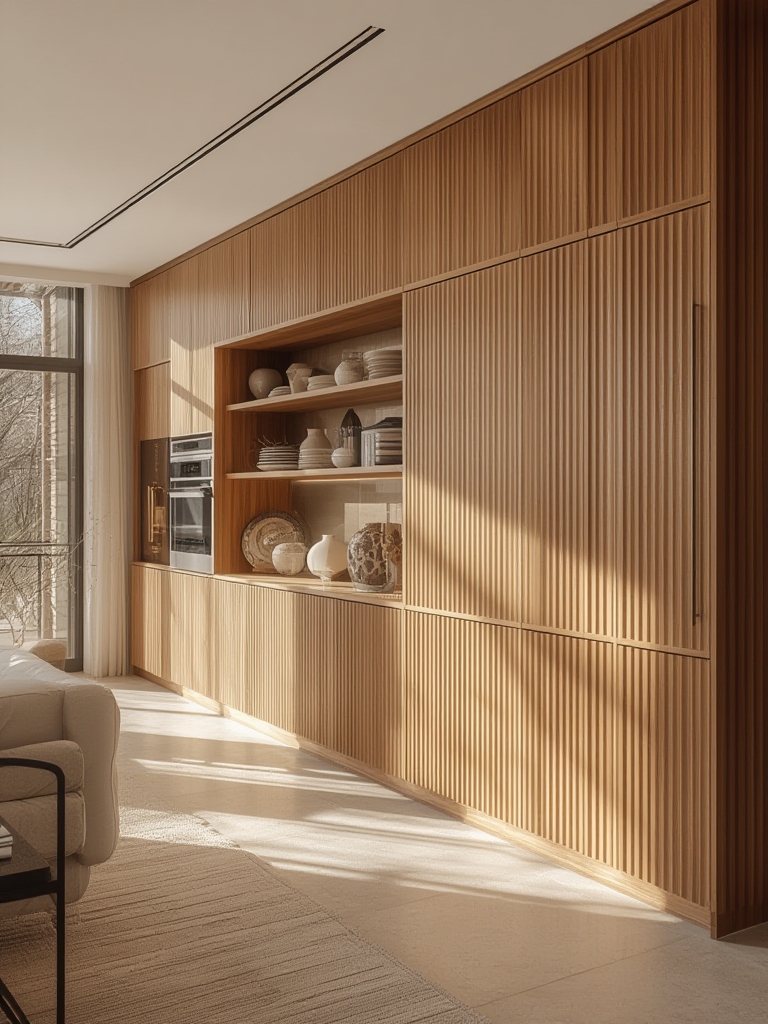
This style is not just for kitchens, either. You’ll find fluted fronts on bathroom vanities, wall cabinets, laundry rooms, and even accent furniture. The ribbed texture adds sculptural interest, reflects light differently, and gives cabinetry a handcrafted, “designer” feel that stands out from flat panels.
How to Choose and Integrate Fluted Wood Cabinets: Step-by-Step
-
Decide Where to Feature Fluted Fronts
Start by identifying key areas—kitchen island, lower base cabinets, or pantry runs—rather than fluting every door. This spot-treatment method delivers impact with less cost and maintenance (and messes). -
Select the Right Materials
Prioritize high-quality solid wood (especially white oak or walnut), engineered wood/MDF with veneer, or certified sustainable options like bamboo. Choose a matte or low-sheen finish for better durability and easier cleaning. -
Balance With Simpler Panels
Pair fluted sections with slab or Shaker doors finished in the same stain or paint. This keeps the space cohesive and avoids overwhelming small kitchens or baths. -
Work With Suppliers and Installers Familiar With Fluted Profiles
Ask about how doors are manufactured (CNC routing, applied ribbed slats, or pre-veneered ribbed panels), and the impact on cost, thickness, and hinge choice. Get clarity on how they handle finish matching and edge wear over time. -
Plan for Cleaning and Maintenance
Set realistic expectations: grooves will catch more dust and grease, particularly around cooktops. Choose locations away from splatter zones when possible and specify good edge finishing for longer-lasting sharpness. -
Understand Cost Differences
Expect to pay roughly 15–30% more for fluted fronts. Mid-market installed prices run $290–$520 per linear foot, compared to $250–$400 for flat or Shaker cabinets, according to 2024 trade estimates. -
Retrofit With Caution
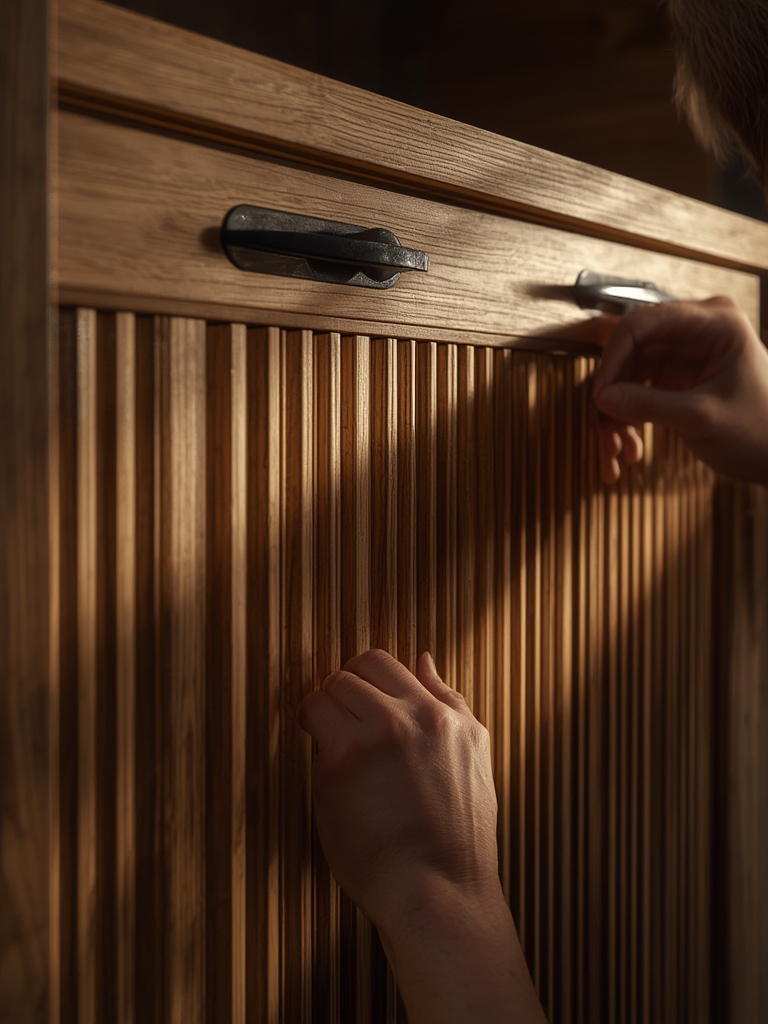
If upgrading existing cabinets, realize that retrofitting is tricky: adding ribbed skins will increase thickness, possibly cause hinge issues, and can make finish matching quite difficult. For most pro results, order new fluted doors fitted to your boxes.
If you’re investing in fluted cabinetry for a covered outdoor living space, take extra care with material choices—only use highly moisture-resistant cores and UV-stable finishes. For frequent cleaning needs (like in kitchens or pet areas), see our complete guide to furniture cleaning.
For those considering a DIY finish or color change, check out our guides on staining wood furniture and painting furniture without sanding for practical, step-by-step advice.
Troubleshooting: Pitfalls, Retrofits, and Real-World Drawbacks
Fluted wood cabinets turn heads, but there are challenges most trend pieces gloss over. Here are the issues you’re most likely to face, and realistic workarounds:
Lifespan, Cleaning, and Repairs: What to Expect
| Aspect | Fluted Wood Cabinets | Flat Panel Cabinets |
|---|---|---|
| Cleaning Ease | Harder; grooves trap dust and grease | Much easier, flat surfaces |
| Durability | Edge ridges prone to wear or chipping if softwood or low-quality core/finish | Uniform wear, easier to refinish |
| Cost per Linear Foot | $290–$520 (2024, installed, US average) | $250–$400 |
| Refinishing | Difficult, time-consuming due to grooves | Straightforward |
| Visual Longevity | Risk of trend fatigue if overused | Timeless, classic |
Retrofit Pitfalls: What Most Don’t Tell You
- Door thickness and hinge limitations: Adding ribbed skins to old doors increases thickness and weight, stressing standard hinge issues.
- Finish matching headaches: Light reflects differently on fluted and flat surfaces—your “perfect” color match is rarely exact. Painted kitchens require full-front resprays for cohesion.
- Poor groove alignment: Misaligned ribs across doors or drawers scream DIY. Always have a precise templating plan before retrofitting.
- Edge wear and chip risk: Fluted peaks will show wear faster in soft woods or with low-durability finishes; opt for reinforced edge handling when possible.
- Kitchen layout consequences: Ribbing reduces clearances at tight joins—important in small layouts. Think about appliance and counter tolerances before applying fluting on end panels.
If you need to repair, restore, or deep clean cabinetry, find trusted local pros using a guide like furniture repair near me or furniture cleaning services for advanced wood care tips.
Don’t Overlook the Alternatives
If the trendiness of ribbed wood concerns you, hybrid approaches—like a fluted island combined with simple slab perimeter cabinets—can reduce risk and maintenance pain. Browse more inspiration in our complete furniture painting guide and biophilic design tips for nature-inspired interiors.
Conclusion: Are Fluted Wood Cabinets Right for You?
Fluted wood cabinets bring texture, style, and instant visual drama to kitchens, baths, and custom furniture projects. Just know that they require more cleaning diligence, carry a cost premium, and work best as an accent—not everywhere. If you want a current-but-flexible upgrade, consider a fluted kitchen island or select base cabinets for maximum effect with manageable maintenance.
Ready to try fluted wood cabinets in your next project? Weigh your needs, budget, and layout carefully, then partner with a supplier skilled in textured woodwork. For even more cabinet and furniture upgrade strategies, don’t miss our guides on furniture repairs, staining wood, and nature-inspired designs.
FAQ: Fluted Wood Cabinets Explained
Are fluted wood cabinets more expensive than standard cabinets?
Yes. Expect to pay 15–30% more per linear foot compared to flat or Shaker fronts. For a typical kitchen, this means $290–$520 per linear foot installed for fluted cabinets, versus $250–$400 for basic styles.
Are fluted wood cabinets hard to clean?
Grooves do trap more dust, crumbs, and grease than flat panels. Cleaning is best done with a soft brush attachment or microfiber cloth, especially near handles and in splash zones.
Can you retrofit existing cabinets with fluted fronts?
It’s possible, but often not cost-effective or easy. Retrofitting increases door thickness and weight, can cause hinge misalignments, and makes finish-matching tricky. For most kitchens, ordering new fluted doors is more reliable.
Will fluted wood cabinets go out of style soon?
While ribbed wood is a hot trend now, style fatigue can set in if overused. Limit fluted sections to feature areas like islands or lower cabinets for staying power and easy updates down the line.
What’s the best finish for fluted cabinets?
Matte and low-sheen finishes are most popular—they highlight the texture, resist scratching, and make cleaning easier than high-gloss options.
