

DIY home improvement projects are rapidly becoming the preferred way for American homeowners to renovate and upgrade their spaces in 2024. Whether your goal is to save money, pick up practical skills, or simply exercise more control over your home’s look and feel, understanding what to expect is essential before jumping in.
Key Takeaways
- DIY home improvement projects make up nearly half of all renovations planned by US homeowners in 2024, and most cost significantly less than hiring professionals.
- Beginner DIYers often underestimate the importance of planning, purchasing quality tools, and learning about safety mistakes before starting any project.
- Choosing realistic, manageable projects and using the right materials are crucial steps for a positive DIY experience and long-term results.
- What Are DIY Home Improvement Projects (And Why Do They Matter)?
- Step-by-Step Guide to Starting Your First DIY Home Improvement Project
- Advanced Analysis & Common Pitfalls: What Can Go Wrong?
- Conclusion
- Frequently Asked Questions
What Are DIY Home Improvement Projects (And Why Do They Matter)?
DIY home improvement projects are tasks and upgrades performed by homeowners themselves—without hiring professional contractors or specialists. These can include painting walls, updating bathrooms, landscaping, repairing furniture, and more. The main reasons homeowners turn to DIY are cost savings, personal satisfaction, and a sense of accomplishment. In 2024, 43% of US homeowners plan only DIY work for their renovations, a notable increase over the previous year. The ability to control expenses, work on a flexible timeline, and choose preferred materials makes DIY especially popular among lower- and middle-income households. Most DIYers spend under $5,000 on improvements, compared to over 70% of pro-hirers who spend $5,000 or more[1].
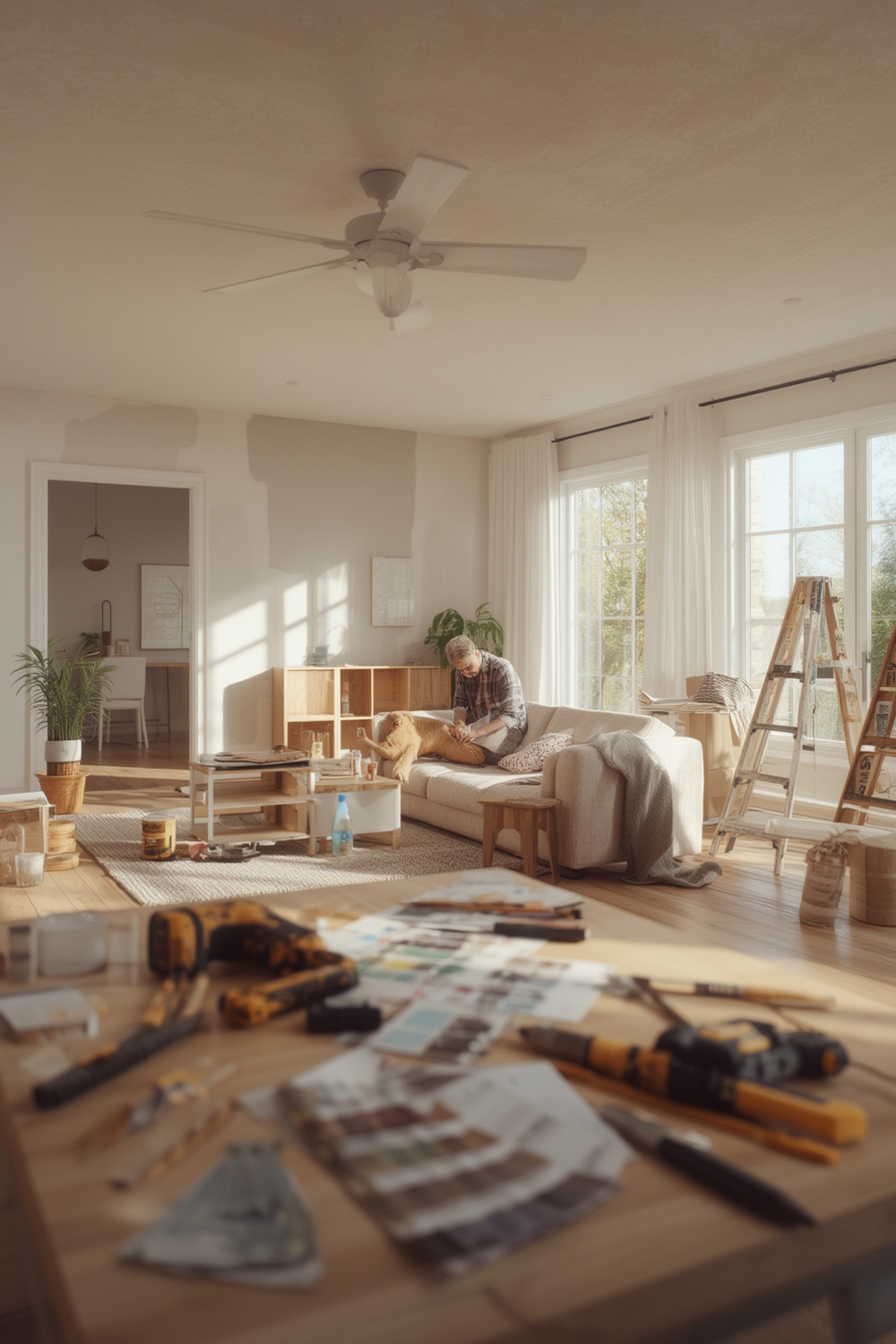
Step-by-Step Guide to Starting Your First DIY Home Improvement Project
Here is a straightforward process to help you get started on your own DIY home improvement projects, even if you are a complete beginner:
- Identify a Manageable Project
Choose a project that suits your experience level, such as painting a bedroom, refreshing bathroom caulk, installing weather-stripping, or cleaning grout. Large or highly technical updates—like rewiring electrical circuits or major plumbing—are best left to professionals.
- Set a Budget—and Stick to It
DIY projects are affordable, with most spending under $5,000 and many even lower. Get price quotes for materials and tools locally and online. Check stores for return and replacement policies, as quick service is a top priority for many DIYers[2].
- Gather the Right Supplies and Tools
Owning a basic toolkit is foundational: consider a drill, screwdrivers, utility knife, tape measure, level, grinder, safety glasses, gloves, and sandpaper. Match your tools to your project scope. For example, when working in your garden, using a durable stirrup hoe or hula hoe tool will make weeding and prepping soil much faster than using hand tools.
- Research and Learn
Browse reputable blogs and tutorials for guidance. For paint, surface prep, and refinishing projects, see How to Paint Furniture Without Sanding or Painting Furniture: Complete Guide for step-by-step tutorials.
- Prep the Workspace
Clean and clear your work area. Lay down drop cloths, remove or mask off fixtures, and open windows for ventilation as needed. Always check for underlying issues like mold or leaks—review the Complete Guide to Mold Removal if you suspect any.
- Follow Safety Protocols
Wear the correct protective gear. Unplug tools when not in use. Turn off power when working near electrical. Know where your home’s shutoffs are and keep a fire extinguisher nearby.
- Work Methodically & Don’t Rush
Take your time. Rushing leads to mistakes and sometimes expensive damage. Regularly check for errors before they escalate. If a task feels truly out of your depth (like HVAC or electrical), contact a professional.
- Finish & Clean Up Carefully
Dispose of debris safely and clean all tools promptly. Put away supplies for future use. Take photos to document your progress and celebrate the achievement!
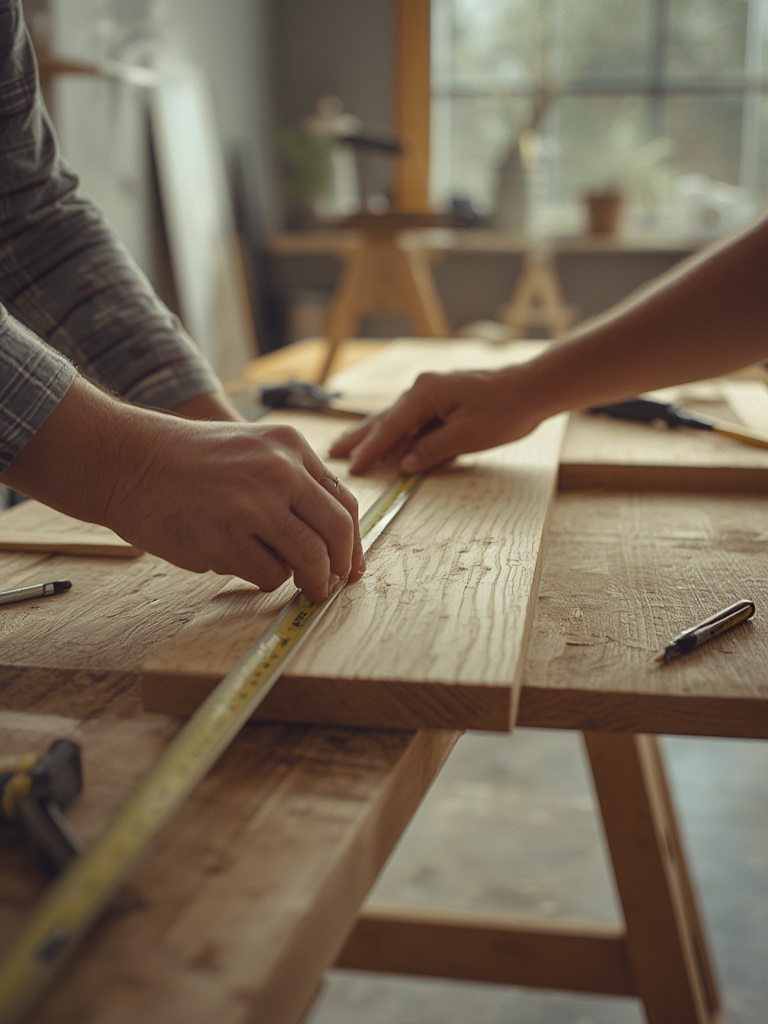
If you are interested in more cost-saving techniques for sealing windows or doors, don’t miss the Best Window Sealing Tape & Kits Guide—a practical example of a beginner-friendly home improvement project.
Advanced Analysis & Common Pitfalls: What Can Go Wrong?
While the surge in DIY home improvement projects is exciting, it comes with real risks. Beginners are often surprised by hidden costs, time-consuming mistakes, and unexpected technical hurdles. Here are key issues and what you can do to avoid them:
| Issue | DIY Approach | Pro Services | Cost Difference |
|---|---|---|---|
| Painting a Room | $150—$400 materials, 1 day labor | $600—$1,000 total, 0 time | DIY saves 60%+ |
| Roof Leak Patch | $100—$350 materials, 2–4 hrs | $1,200+ contractor | DIY saves up to $1,100 |
| Simple Bathroom Update | $250—$900 materials, 1–2 days | $2,000+ contractor | DIY saves up to 80% |
- Technical Errors: Skipping prep work, using low-quality primers, and ignoring manufacturer instructions on products can cause failures (paint peeling, tiles lifting, leaks).
- Safety Risks: Many DIYers skip basic safety, like wearing gloves and safety glasses, or fail to turn off power/water before repairs—a common reason why 66—75% of HVAC, electrical, and plumbing projects are still handled by pros.
- Unrealistic Timelines: Even painting “just” one room can take all weekend due to cleaning, drying, and taping. Always allocate more time than you think you’ll need.
- Poor Finish Quality: Skimping on prep or tools leads to visible brush marks, cracked caulk, or uneven surfaces. High-quality tools and proper technique are worth the investment; see more in the Furniture Painting Guide.
- Material Mismatch: Using interior materials or caulks on exterior jobs (and vice versa) causes problems within months. Double-check every purchase.
- Inadequate Supplies: Running out of tape, adhesive, or cleaner midway can stall your project. Always buy 10–15% extra supplies, just in case.
If you’re considering repairing decks or outdoor spaces, check the Complete Deck Maintenance Guide for step-by-step maintenance checklists and common repair mistakes to avoid. For troublesome roof or floor repairs, a detailed reference like Tile and Grout Repair for Roofs and Floors will help you assess if it’s doable without a pro.
Conclusion
DIY home improvement projects deliver significant cost savings, personal satisfaction, and greater control for homeowners willing to invest time and effort. Prioritizing realistic projects, quality tools, and safety will maximize your chance of success. If you take the time to plan, learn, and avoid common pitfalls, your next home upgrade can be a rewarding experience. Ready to start your own DIY home improvement projects? Pick your first small project, gather supplies, and enjoy the transformation—one step at a time.
Feeling inspired? Share your project plans or browse our other expert guides on home upgrades, like energy-efficient home upgrades or creating covered outdoor living spaces. Your next improvement is waiting!
Frequently Asked Questions
What’s the average savings of doing a DIY home improvement project?
Most DIYers spend under $5,000 per project, saving 60–80% versus hiring professionals. For example, a painted room might cost $250 in supplies for DIY instead of $800 with a pro.
What are the best beginner DIY home improvement projects?
Beginner-friendly projects include painting a room, updating caulk, cleaning grout, sealing windows, and landscaping tasks like weeding with a hula hoe or stirrup hoe.
How can I avoid common mistakes in my first DIY project?
Plan thoroughly, use high-quality materials, follow tutorials from reputable sources, prioritize safety, and give yourself more time than you think you’ll need. Read guides like how to paint furniture without sanding for step-by-step help.
Which home improvements should I always leave to professionals?
Hire pros for technical tasks involving HVAC, electrical, or major plumbing. These projects require licenses, involve serious risks, and mistakes can cause expensive, hazardous issues.
What tools and materials do I really need for DIY home projects?
Essentials include a drill, screwdrivers, utility knife, tape measure, level, safety gear, and task-specific supplies. Always buy a little extra (10–15%) to avoid stopping mid-project.
