

Clover lawn has rapidly become a practical alternative to traditional grass yards, delivering lower ongoing costs, water savings, and eco-friendly benefits. But switching your yard to clover—or microclover—means understanding costs, pitfalls, and how to do it right. Here’s a no-nonsense guide based on current pricing, actual user outcomes, and real maintenance data.
Key Takeaways
- Clover lawns cost much less to maintain than grass—up to 70% less in water and fertilizer alone.
- Establishment is fast (as little as 4-6 weeks), but soil prep and HOA rules matter for long-term success.
- Clover lawns boost pollinators and reduce chemical needs, but may require extra watering in hot spells and careful initial weed monitoring.
- What Is a Clover Lawn and Why Choose One?
- How to Plant a Clover Lawn: Step-by-Step
- Advanced Analysis & Common Pitfalls
- Conclusion
- FAQ
What Is a Clover Lawn and Why Choose One?
A clover lawn is a turf alternative where white clover or microclover either replaces or mixes with traditional grass. The motivation? It costs far less to maintain, cuts your water bill, and encourages pollinator activity. Microclover mixes is a smaller-leaf cultivar designed to blend seamlessly with turf for a lush, even look.
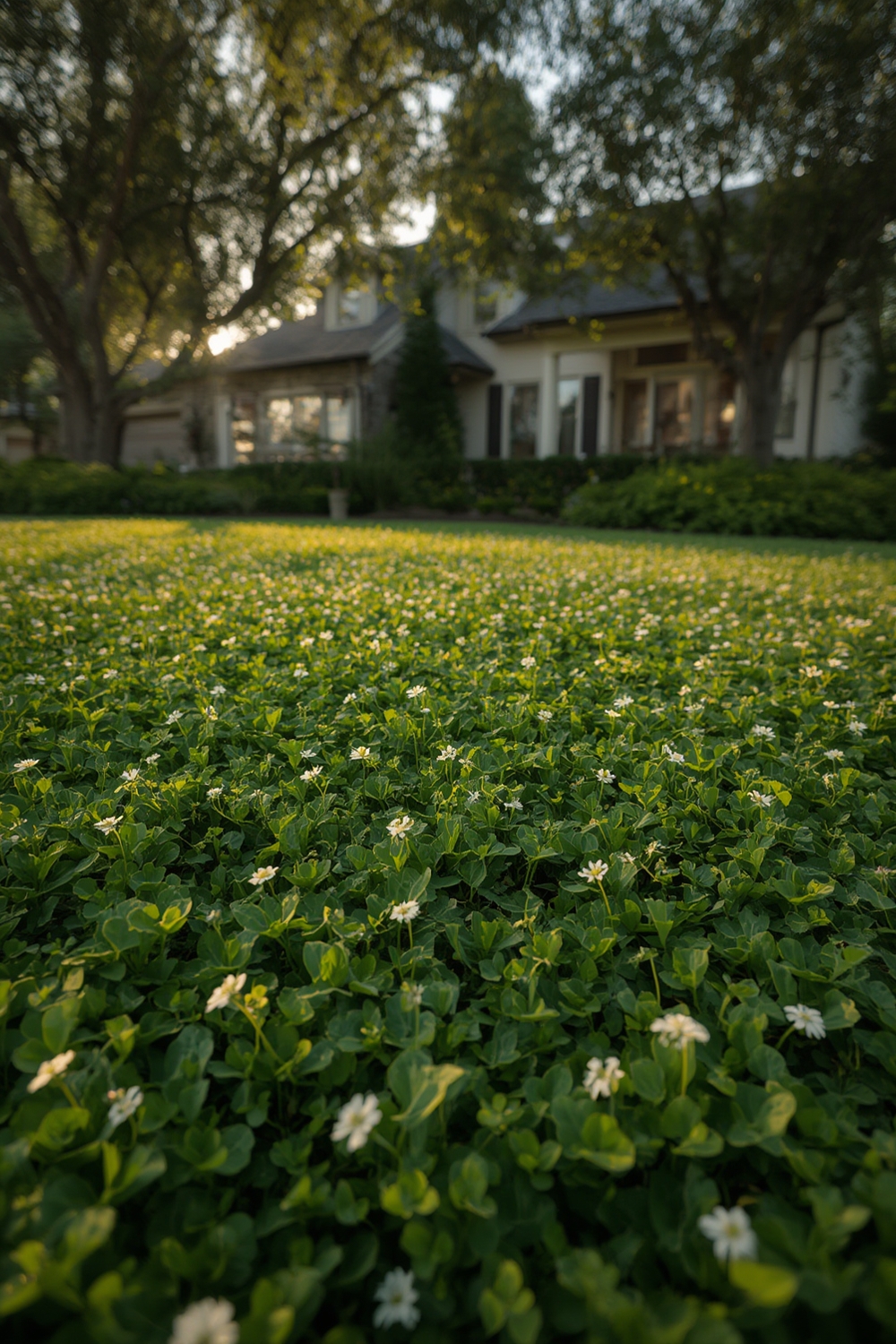
This isn’t just about style. In 2024, the average homeowner pays $0.43-$0.73 per square foot to maintain a grass lawn for five years, against $0.09-$0.15 for clover. Even better, clover lawns use 40-60% less water, meaning dramatic savings, especially in drought-prone areas (source).
Clover’s key feature is nitrogen fixation—the ability to fertilize itself and, if mixed, your existing grass. Expect a consistently green yard without constant chemical input or the high bills of overseeding and weed treatments.
For garden enthusiasts, choosing a clover lawn pairs well with tools like the hula hoe for weeding and stirrup hoe for easier garden maintenance.
How to Plant a Clover Lawn: Step-by-Step
Here’s exactly how to install a successful clover or microclover lawn—pure or mixed with grass—for curb appeal and long-term savings.
- Assess Your Current Lawn: For pure clover, remove all old turf and weeds using a manual weeder or a tool like the hula hoe. If blending with grass, mow your lawn short and rake up all debris.
- Soil Prep: Aerate compacted areas and level uneven patches. Test pH and amend to reach 6.0-7.0. Good prep at this stage means fewer weeds and better root establishment.
- Tip: For heavy clay or sandy soils, blend in composted organic matter to boost both drainage and nutrient retention before planting.
- Seeding Rate & Technique:
- Pure clover: 8-12 lbs per 1,000 sq ft (white clover)
- Clover-grass mix: 6-8 lbs clover + 2-3 lbs fine fescue/Kentucky bluegrass (per 1,000 sq ft)
- Microclover mixes: Use the rate specified by your seed provider
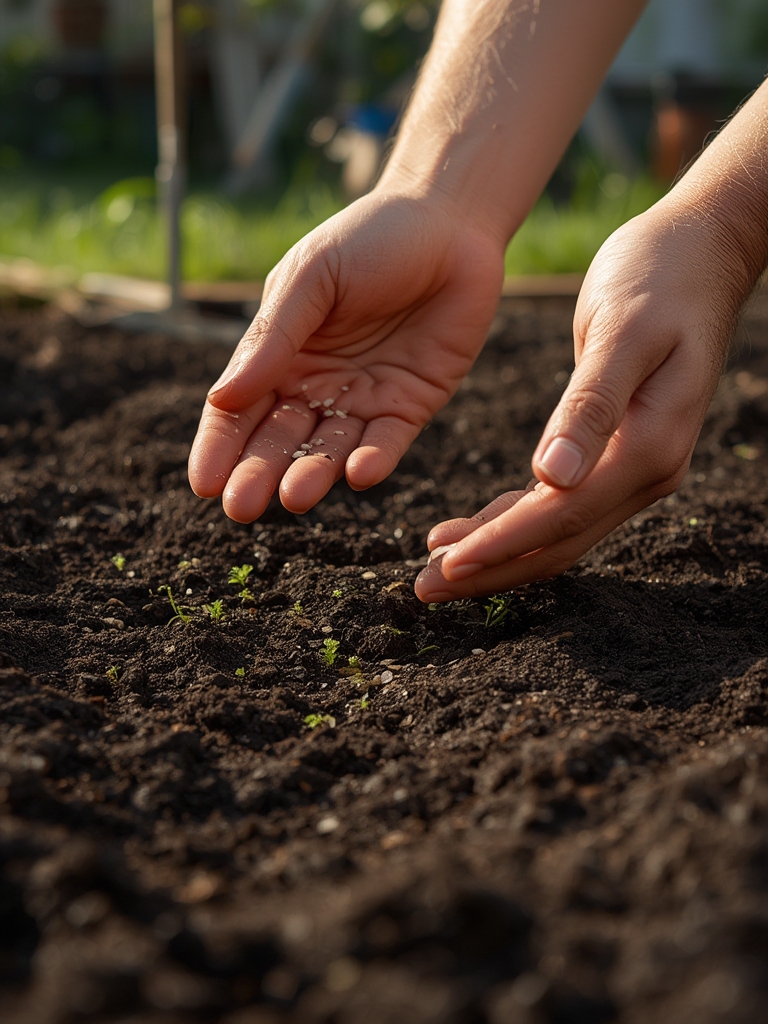
Sow in early spring or fall, when day temperatures are 55-75°F. For large areas, use a broadcast spreader for even coverage.
- Watering for Germination: Mist daily until established. For average conditions, clover seeds sprout in 7-10 days, with full cover in 4-6 weeks (pure) or 5-7 weeks (mix).
- Post-Seeding Management: Continue watering 2-3 times/week until clover sets deep roots. Begin mowing when growth hits 2.5 inches.
Aftercare matters:
- Monitor for weeds in weeks 1-4. Expect some appearances until clover thickens, after which it will naturally suppress most weeds.
- Mow every 3 weeks for microclover; every 2-4 weeks for white clover. Keep blades at least 2 inches high.
- Avoid over-fertilizing—clover already fixes its own nitrogen.
- Expect clover lawns to look patchier than grass the first season; full density develops within 12 months.
Pro tip: Blending in a mix (60% clover, 40% fine fescue) not only improves appearance for HOA compliance but also balances year-round color and durability,
especially if you want a lawn that matches your outdoor living spaces.
Advanced Analysis & Common Pitfalls
Many switch to clover lawns for lower bills and water use, but pitfalls still exist—and some aren’t obvious until you’ve invested in seed and sweat equity. Here’s what to expect and how to avoid missteps, with honest numbers.
| Category | Premium Grass Lawn | White Clover Lawn | Microclover Mix |
|---|---|---|---|
| Installation Cost (per sq ft) | $1.20-$1.80 | $0.80-$1.20 | $0.90-$1.40* |
| Annual Maint. (5-yr avg.) | $0.43-$0.73 | $0.09-$0.15 | ~$0.09-$0.15* |
| Water Usage | High; up to daily in peak | 40-60% less | 40-60% less |
| Fertilizer | $300-$450/yr | $50-$100/yr | Minimal (fixes nitrogen) |
| First Season Appearance | Even, but may brown in drought | Patchy at first, fills in fast | Green, blends with grass |
| Drought Recovery | Weak (browns quickly) | Strong roots, rapid recovery | Best (deep root system) |
| Weed Control | Needs chemicals | Natural suppression | Natural suppression |
| Biggest Risks | High cost, chemical needs | Patchiness, HOA restrictions | Initial patchiness, price/purity varies |
*Microclover cost/maintenance highly dependent on region and seed blend, see here for more.
- Pitfall 1: Unrealistic HOA Rules
Pure clover may fall out of HOA compliance if appearance is “too non-grassy.” If your neighborhood regulates lawns, choose a microclover or clover-grass blend for a turf-like look. - Pitfall 2: Summer Watering Underestimated
While clover needs less water than grass, it still requires regular irrigation during heatwaves—especially its first year. Watch for wilt in dry spells and supplement accordingly (proof here). - Pitfall 3: Patchiness and Initial Weeds
All clover lawns start out uneven. Early weed invasion is possible before clover thickens—frequent mowing and patience are the best defense. You can use a gentle tool like the stirrup hoe for weeding to hand-clear any stubborn trouble spots. - Pitfall 4: Soil and Climate Blind Spots
While clover can work with many soils, it struggles in high-acidity (<6 pH) or poorly drained sites. No recent studies pinpoint best/worst soils, but general agronomy recommends neutral soils and consulting local experts if unsure (source).
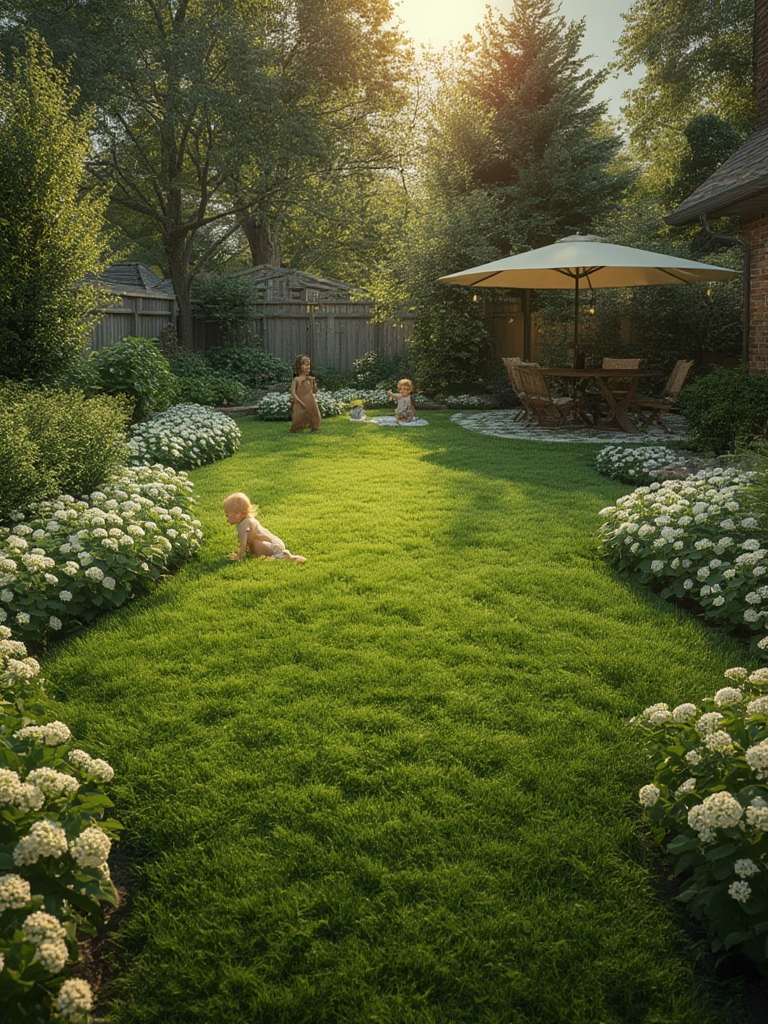
Finally, recognize that while direct complaints are rare, real-world installation and climate adaptation may yield surprises. For tips on blending a clover yard with landscaping, see our resource on covered outdoor living spaces and improving biophilic design at home.
Conclusion
Clover lawns offer cost savings, less watering, and a boost for pollinators—but the key is correct prep, steady watering (especially at first), and matching your lawn choice to neighborhood rules and climate. If you’re ready for a lower-maintenance, eco-friendly yard, start with soil testing, proper seed blending, and realistic care.
Ready to convert your property with a clover lawn? Start with a test patch, monitor progress, and keep learning from both turf science and practical gardener results. Want more garden answers or tips on yard care? Browse our guides on garden weed control, outdoor living upgrades, and sustainable home design.
FAQ
How long does it take for a clover lawn to fully establish?
White clover lawns typically reach full cover in 4-6 weeks, microclover or clover-grass mixes in 5-7 weeks, and premium grass lawns take 6-8 weeks. Appearance and density improve over the first full year.
Can you walk or play on a clover lawn like regular turf?
Yes. Microclover and dense white clover blends are durable, with deep roots for foot traffic and drought. Pure clover may be less resilient than high-end turf, but most homeowners find it robust enough for normal use.
Will a clover lawn attract more bees?
Clover lawns support up to 3x more pollinator activity than grass, especially when blooming. If bee avoidance is needed (e.g., for kids or pets), mow before flowering and consider a microclover/grass blend for fewer blooms.
Do clover lawns need fertilizer or weed control?
Minimal fertilizer is needed, thanks to nitrogen fixation. Weed control is rarely necessary after establishment, but monitor and hand-pull initial invaders if they appear in the first few weeks.
How does a clover lawn perform in different climates?
Clover lawns adapt well to most temperate climates, perform best with cool-season grasses, and may need supplemental summer watering in hot/dry regions. Soil pH between 6.0-7.0 is ideal for long-term success.
