

Biophilic design has rapidly become the go-to approach for anyone seeking to boost wellbeing, productivity, and value at home by bringing nature inside. But how do you implement it in a real house—and what should you actually watch out for?
Key Takeaways
- Biophilic design measurably improves wellbeing, indoor air quality, and property value.
- Challenges like moisture control, maintenance, and climate adaptation require careful planning.
- Costs and technical details vary widely—start small, understand regional constraints, and leverage new technologies for best results.
- 1. The Core Concept: What Is Biophilic Design and Why Is It Trending?
- 2. Step-by-Step Guide to Biophilic Design at Home
- 3. Advanced Analysis & Common Pitfalls
- 4. Conclusion
- 5. FAQ
The Core Concept: What Is Biophilic Design and Why Is It Trending?
Biophilic design is the practice of integrating direct and indirect connections to nature into your living environment. This approach taps into our innate need for a natural setting—improving mood, boosting productivity, and increasing the perceived value and comfort of your home. The concept now tops home and real estate trends, as more buyers and homeowners recognize the benefits of daylight, greenery, natural materials, and seamless indoor–outdoor living.
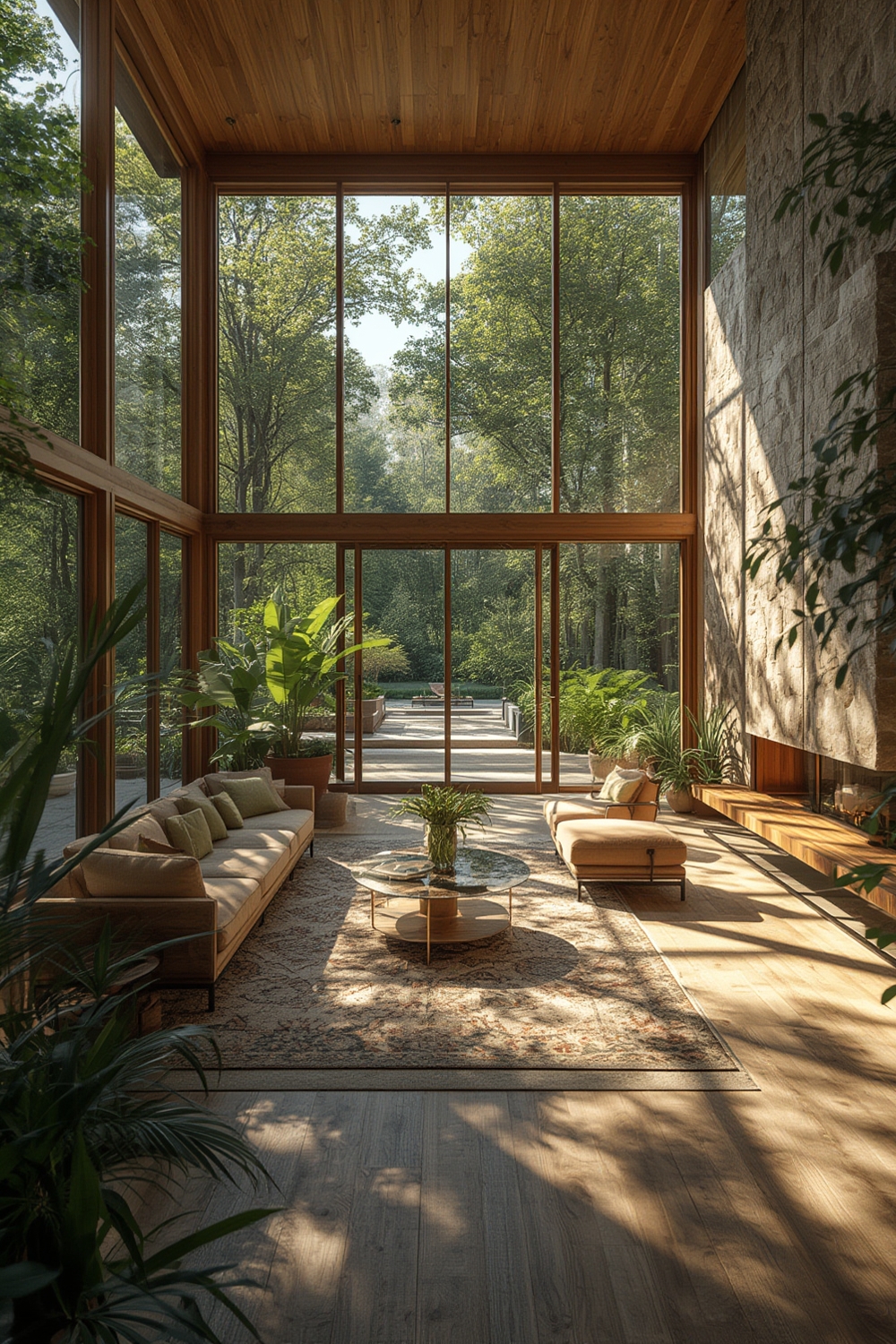
Why adopt it? Beyond style, the measurable impact is substantial:
- Wellbeing: Multiple studies, such as those summarized in the RMCAD research, show reductions in stress and improvements in mood just by maintaining views of plants and daylight.
- Productivity: For those working from home, a recent study found a 22 percent productivity jump in biophilic offices—applicable to any home office that leverages greenery or outdoor views (source).
- Property Value: Features such as living walls, expansive glass, and fluid transitions between indoors and out are now high on wish lists, as confirmed by 2024 design trend reports. This translates to greater desirability and resale potential, especially in higher-end markets.
Examples range from simple window plant shelves and natural fiber rugs, to major upgrades like retractable glass walls and lush living room gardens. You’ll also see more on hybrid indoor–outdoor rooms—explored in our covered outdoor living spaces guide—as central elements of biophilic design.
Step-by-Step Guide to Biophilic Design at Home
- Assess your space and budget. Identify which rooms need a nature boost and what you can invest—both for initial setup and ongoing care.
- Optimize daylight first. Use window treatments, mirrors, and light shelves to bring in as much natural light as possible. If you want advanced results, upgrade to high-performance windows or add strategically placed skylights for deep interior spaces.
- Integrate greenery where it counts. Standalone planters, indoor trees, window boxes, and vertical garden kits can all lift a room’s atmosphere. In tight spaces, vertical solutions—like moss or living walls—add ample impact with minimal floor area.
- Tackle indoor–outdoor flow. Install retractable glass doors, interior courtyards, or screened porch rooms when possible. For ideas, see our deck maintenance guide or covered patio strategies.
- Use natural materials and sensory cues. Choose wood, cork, bamboo, stone, and textured finishes. Add water features, soundscapes, and low-VOC natural scents for full sensory immersion.
- Design for your climate. In sunny or dry areas, focus on solar control and drought-resistant plants. In cold climates, use insulated glass and plant species that thrive indoors year-round.
- Plan for maintenance and longevity. Automated irrigation, easy-to-replace plant modules, and service agreements help maintain both live and preserved green elements.

For those looking to maximize their investment, starting small then scaling up works best. Try a simple vertical garden kit if you want to experiment, then tackle larger built-in features with professional help—always referencing local climate and materials. For inspiration, our flooring prep guide or tile care tips help with finishes that complement natural elements indoors.
Finally, don’t forget operational details: plan for seasonal sun angles, humidity levels, and plant lighting needs using smart sensors or AI-powered design tools, as highlighted in the latest research (see 2025 trends).
Advanced Analysis & Common Pitfalls
Even with all the benefits, integrating biophilic design at home poses real challenges. Based on 2023–2024 research, here’s what homeowners and remodelers get wrong most often—and how to fix it.
- Moisture problems and leaks: Living walls and skylights can cause lasting water damage, mold, and costly repairs without full waterproofing, drainage, and structural checks. Always use modular systems with integrated barriers, leak sensors, and ensure roof curbs and flashing are up to code.
- Maintenance headaches: Many underestimate the complexity of plant care—resulting in dead walls, pest outbreaks, or malfunctioning irrigation. Automate where possible and commit to service contracts for complex green installations.
- Thermal discomfort: Excessive glass can overheat rooms in summer and lose heat in winter. The fix? High-performance glazing, tailored shading, and careful climate-specific orientation.
- Overbuilding for the climate: Plants that thrive in tropical settings might struggle in dry or cold homes. If in doubt, choose local, hardy, low-water species and target high-value improvements (like window re-dressing) before investing in large-scale living walls.
- Budget and cost overruns: Structural upgrades (skylights, retractable glass systems, sophisticated living walls) routinely exceed initial budgets—itemized quotes and phased implementation are essential.
Need a snapshot comparison? See the table below for living walls versus vertical gardens:
| Aspect | Living Wall (hydroponic/modular) | Vertical Garden (soil/planter/trellis) |
|---|---|---|
| Typical structure | Panels/modules on waterproof backing, integrated irrigation + drainage (learn more) | Planter boxes, pots, or trellises fixed or freestanding |
| Weight | Moderate, but needs checked framing for saturated loads | Heavier per module (soil + water), cumulative weight adds up |
| Waterproofing | Critical—membrane, drainage, sensors needed | Important behind planters but simpler than hydroponic walls |
| Maintenance | High—automation helps, pro service recommended | DIY possible, less system risk if one plant fails |
| Install cost (small) | $2,000–$7,000 | $1,000–$5,000 |
| Lifespan | 10–15+ years (hardware), plants replaced as needed | 10+ years (structure), pots/liners may wear sooner |
Another common pitfall is missing key technical details around indoor–outdoor transitions. Most top-ranking articles highlight sliding walls and expansive decks, but rarely mention air sealing, thermal breaks (industry coverage), and the high maintenance needs of custom glazing. Want to make your space truly comfortable and future-proof? Dive into climate-specific detailing, energy modeling, and accessibility—especially for older adults or multi-generational homes.
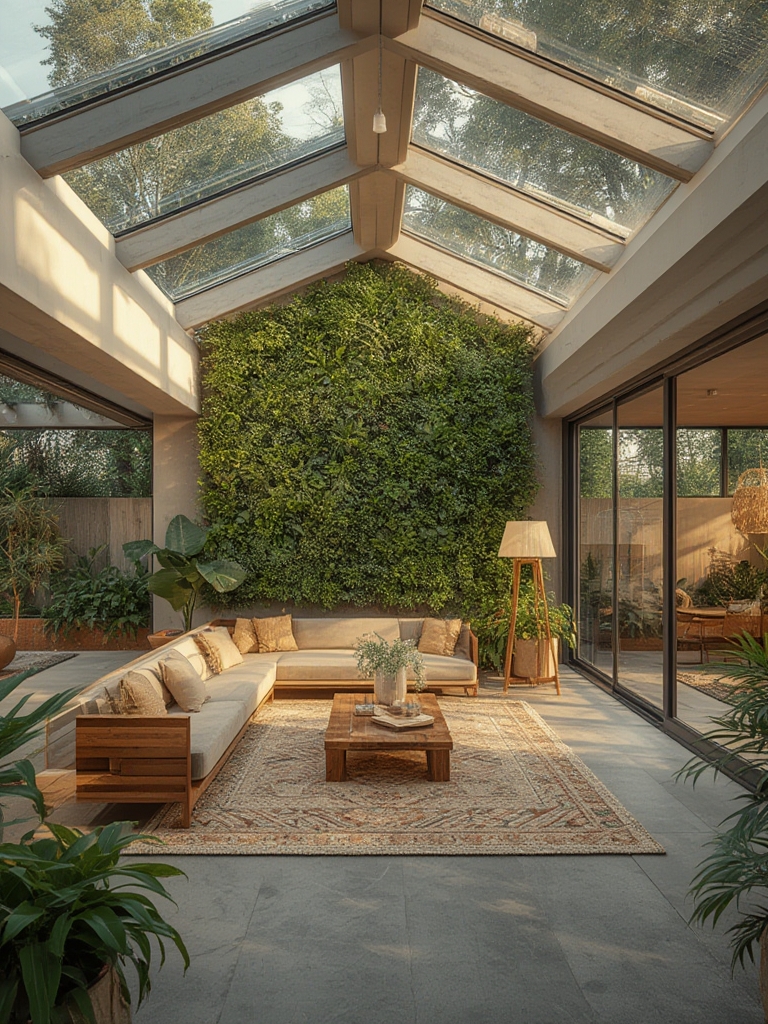
If tackling exterior upgrades, be sure to read our guide to the best window sealing tapes and kits—cutting drafts and leaks is essential when adding large glass or indoor–outdoor screens.
Conclusion
Biophilic design can transform your home’s comfort, health, and long-term value—but only if you respect its technical demands, cost realities, and long-term care. By starting small, planning for your specific climate, and using new smart and sustainable materials, you can bring nature in without the usual pitfalls. Ready to see real results from biophilic design? Analyze your space, experiment with vertical greenery, and prioritize upgrades that fit your lifestyle and budget. Don’t hesitate to consult local experts, compare quotes, and check our outdoor living resources for inspiration. Make your next upgrade one that truly connects home and nature.
FAQ
What’s the easiest, most affordable biophilic upgrade for renters?
Use potted plants, hanging planters, or preserved moss panels that require no permanent installation or plumbing. These boost mood and air quality without structural work.
How do I keep a living wall from leaking or causing mold?
Use modular systems with integrated drainage trays, vapor barriers, and humidity sensors. Always check local waterproofing codes and ask for product warranties before installation.
Is biophilic design suitable for small apartments?
Yes. Vertical gardens, plant shelves, and even single large windows with mountain or park views can bring significant health and mood benefits without taking up floor space.
What about maintenance—how much work is involved?
Live green walls need weekly to monthly attention (watering, pruning, pest checks). Some systems are highly automated, but periodic professional care is wise for complex builds.
Will biophilic features really boost resale value?
Homes with strong natural connections—large windows, indoor–outdoor flow, prominent greenery—consistently sell faster and draw higher prices in design-focused markets, according to leading trend reports.

[…] drainage are must-haves. Interested in trending design strategies? You might find our feature on Biophilic Design at Home insightful as […]
[…] For inspiration on complementing your new bathroom with nature-friendly design, see our biophilic design guide. […]