

Bi-fold doors installation is transforming the way homes and businesses merge indoor and outdoor spaces, offering a seamless flow of light and design flexibility. If you’re considering upgrading your patio, remodel, or commercial entrance, this practical guide will help you understand the process and pitfalls—so you get it right the first time.
Key Takeaways
- Bi-fold doors are growing fast in popularity, especially for residential spaces seeking natural light and open-plan layouts.
- Proper installation and attention to detail are crucial—common pitfalls involve insulation gaps, misaligned panels, and suboptimal weather resistance.
- Choosing the right materials and features ensures a durable, energy-efficient transition between indoors and outdoors.
- Understanding the Core Concept of Bi-Fold Doors Installation
- Step-by-Step Guide: How to Install Bi-Fold Doors
- Advanced Analysis & Common Pitfalls
- Conclusion
- FAQ
Understanding the Core Concept of Bi-Fold Doors Installation
Bi-fold doors, sometimes called folding or accordion doors, consist of an innovative system of hinged panels that fold and slide open to connect indoor and outdoor spaces. Their unique design maximizes natural light and visibility while allowing you to create an open-plan area or completely close off the space for privacy. As of 2024, demand for bi-fold doors continues to surge, especially in North America and Europe, due to the push for more natural light, better energy efficiency, and flexible living areas.
According to recent research, the global bi-fold doors market hit between USD 10.08 and USD 11.6 billion in 2024, with residential spaces making up over half the installations thanks to the desire for smooth transitions to patios, gardens, and decks. Commercial sector interest is also strong, particularly in hospitality and retail construction. For more inspiration on connecting outdoor living spaces, check out our Ultimate Guide to Covered Outdoor Living Spaces.
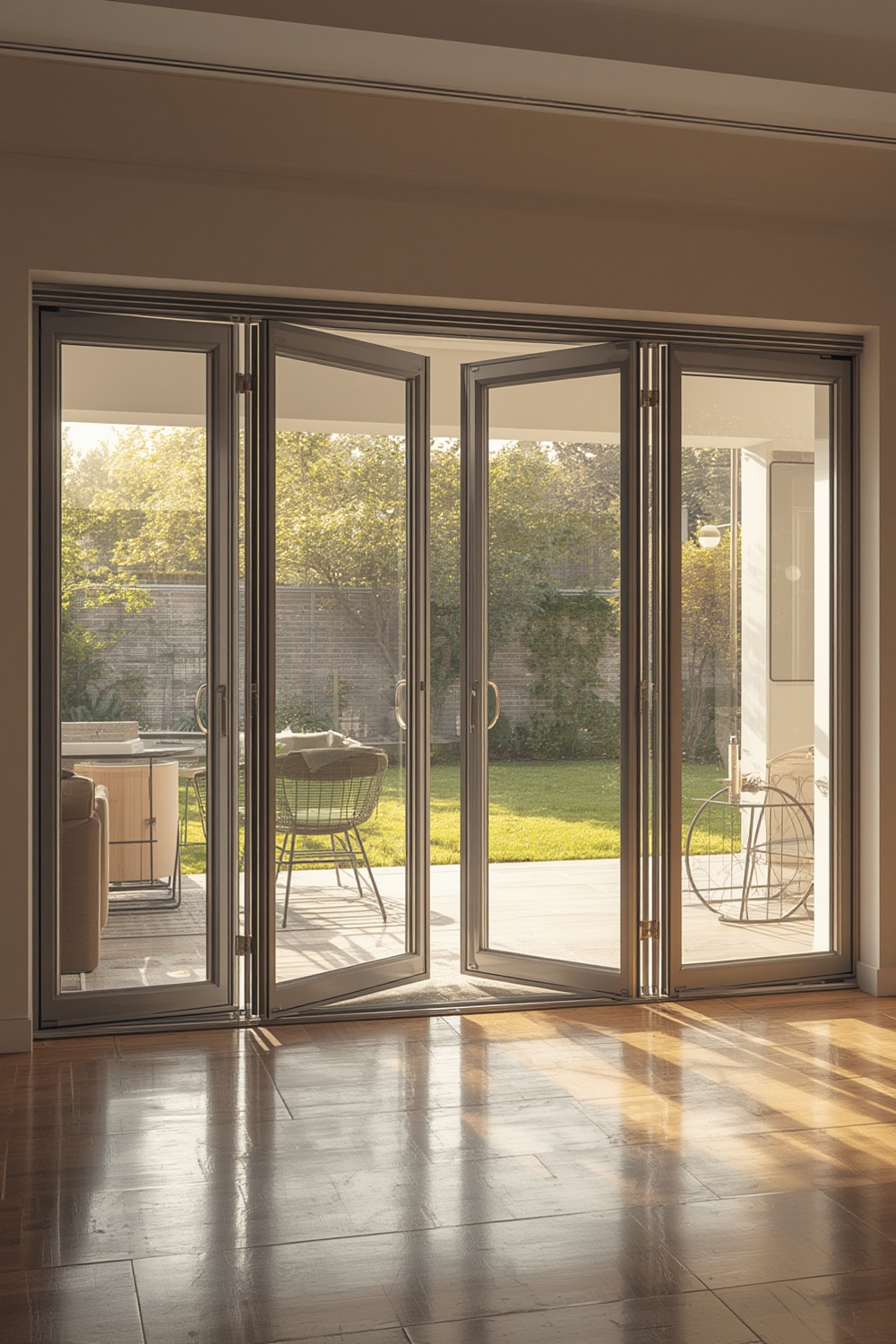
On a technical level, bi-fold door systems come in wood, aluminum, PVC, or composites—with manual operation accounting for over 65% of installations, given their reliability and lower maintenance. Advanced models offer enhanced insulation, multipoint locks for security, and customizable panel configurations to suit different project needs.
Solid construction, high-quality glass, and weather-resistant seals are essential for a long-lasting product. If you’re aiming for true indoor-outdoor continuity, low-profile or flush-floor threshold and properly integrated drainage are must-haves. Interested in trending design strategies? You might find our feature on Biophilic Design at Home insightful as well.
Step-by-Step Guide: How to Install Bi-Fold Doors
Planning and executing a bi-fold doors installation requires patience and precision. Here’s a realistic, actionable process you can follow, whether you’re hiring a pro or taking on the project as an advanced DIYer.
- Preparation and Delivery
- Check the rough opening: Frame must be square and plumb—gaps lead to poor sealing and operational issues.
- Lay down protective coverings to prevent floor scratches.
- Unpack the door system and verify all parts (tracks, panels, hardware, instructions).
- Frame Assembly and Placement
- Assemble the outer frame on the ground per manufacturer’s guidelines.
- Lift and dry-fit the frame into the opening—ensure level, square alignment using packers or shims.
- Temporary screws hold it secure for adjustment.
- Fixing Frame Permanently
- Secure the frame with appropriate fixings (usually long, corrosion-resistant screws into masonry or studs).
- Check again for squareness at every stage; an out-of-plumb frame results in door misalignment and draughts.
- Attaching the Track System
- Install the head and sill tracks according to the instructions—this step is crucial for smooth, silent operation.
- Seal all external frame edges with weatherproof silicone to stop water ingress.
- Hanging and Adjusting Door Panels
- Hang doors one-by-one from the track, attaching rollers and pivot mechanisms as specified.
- Adjust hinges and pivots so every panel glides and closes tightly. Test the full open/close motion multiple times.
- Weatherproofing, Final Seal, and Hardware Fitting
- Insulate around the frame with spray foam or mineral wool, then fit architrave covers.
- Double-check all seals and gaskets for gaps.
- Install handles, locking mechanisms, and any additional finishing hardware.
- Clean Up, Inspect, and Maintain
- Clean tracks all glass, lubricate tracks per manufacturer advice, and check for any operational snags.
- Review warranty conditions and setup reminders for regular maintenance.

For a deeper dive on door alignment and adjusting sensors, see our essential resource: Ultimate Garage Door Alignment and Sensor Aiming Guide.
Want even smoother transitions? Use a flush-floor threshold and match exterior decking height to the interior floor for a seamless path. Ensure any drainage runs away from the door to prevent pooling water. For side projects involving outdoor maintenance, our Deck Maintenance Guide offers practical inspection and cleaning steps.
Remember, every manufacturer’s system is a bit different—always consult the included instructions for model-specific quirks.
Advanced Analysis & Common Pitfalls
Even when following manufacturer instructions, many installations run into avoidable problems. The bi-fold doors market is rising, but so are posts on forums about “sticky sliding,” cold draughts, and water leaks. Here’s a breakdown of the major pitfalls, and how to sidestep them:
| Issue | Root Cause | Actionable Solution |
|---|---|---|
| Poor Insulation / Draughts | Improper frame fitting, missing gaskets, low-quality seals | Double-check squareness and use high-grade weather-stripping. Apply sealant inside and outside. |
| Sticky or Jammed Panels | Misaligned tracks, debris in runners, bad roller installation | Clean tracks thoroughly. Loosen and realign track hardware. Lubricate moving parts. |
| Water Ingress | No drainage, incorrect sill installation, poor silicone work | Ensure external sills are truly level, slope away from the building, and all joints are properly caulked. |
| Poor Security | Single-point locks, weak panel connections | Choose doors with multipoint locking systems. Retrofit extra locks if needed for peace of mind. |
| Condensation | Low thermal value glass, frame gaps | Opt for argon-filled double- or triple-glazed units. Make sure frame is insulated all around. |
One of the big missed opportunities in competitor guides is not discussing weather-resistance, security, or the impact of door customization on cost and performance. Recent research highlights the dominance of manual systems for reliability, but make sure your climate and security risks are considered—a professional can recommend configurations for harsher regions or unique site challenges.
Costs are highly variable by country, materials, size, and finish. Although 2024 market reports don’t show exact price breakdowns, premium wood or aluminum systems with double-glazing and advanced hardware typically range higher, while basic UPVC models are more budget-friendly but may underperform in energy efficiency. For related energy-saving tips, check out 9 Best Window Sealing Kits to further reduce draughts.
Careful planning also means anticipating timelines. While research is lacking on typical install schedules, most residential bi-fold replacements take 1-2 days of on-site work. Delays are almost always due to incorrect measurements, damaged delivery, or skipping site prep. Don’t rush—re-scheduling installation due to a missed framing detail is a costly setback.
Conclusion
When it comes to upgrading your space, a careful and accurate bi-fold doors installation offers lasting value—connecting the indoors and outdoors while improving insulation, light, and layout flexibility. Pay close attention to opening measurements, installation details, and sealing for truly effortless operation and energy savings.
Ready to enhance your home or business with folding doors? Consult a seasoned installer or request a quote today to get started with a system tailored to your needs, climate, and security requirements.
FAQ
How long does a typical bi-fold doors installation take?
Most professional installations are completed within one to two days, provided the opening is prepared and all components are ready. DIY installs may take longer, especially for first-timers.
Do bi-fold doors offer better insulation than sliding or French doors?
High-quality bi-fold doors with proper seals and double- or triple-glazing can perform on par with top sliding and French doors, but actual insulation depends on installation accuracy and door system quality.
What are the main maintenance steps for bi-fold doors?
Regularly clean tracks, lubricate moving parts, inspect and replace weather-seals as needed, and ensure locks and hardware are secure. This prevents most operational problems and extends door life.
What are common mistakes when installing bi-fold doors?
Poor measurement, failure to square the frame, skipping weatherproofing, and improper track alignment are the most common mistakes. Take time to prep the site and check each step carefully.
Can bi-fold doors be customized for color and material?
Absolutely. Most manufacturers offer a range of frame materials (wood, aluminum, PVC), color options, glazing types, and hardware styles to complement your space and requirements.
