

### Blog Post:
bermuda grass seed is a go-to solution for homeowners looking to establish a thick, durable lawn in the southern United States, but knowing when and how to use it matters more than most people think. Whether you’re considering seed for the promise of lush coverage or just trying to avoid sticker shock from costly sod, it’s critical to understand what works, what doesn’t, and the real challenges involved.
Key Takeaways
- Bermuda grass seed is most popular in southern US climates, valued for heat and drought tolerance, but faces stiff competition from cool-season grasses overall.
- Challenges with bermuda grass seed include slow germination, patchiness, and demanding site prep—proper timing and technique are crucial for success.
- Cost, climate fit, and long-term maintenance should all factor into your choice between bermuda grass seed and other lawn options.
- What Is Bermuda Grass Seed (And Why Do Homeowners Use It)?
- How to Establish Bermuda Grass Seed: Step-by-Step Guide
- Advanced Analysis & Common Pitfalls
- Conclusion
- FAQ
What Is Bermuda Grass Seed (And Why Do Homeowners Use It)?
Bermuda grass seed refers to the tiny seeds of Cynodon dactylon, a warm-season grass best suited to hot, sunny lawns in the southern US and similar climates. It’s prized for its exceptional heat, drought, and traffic tolerance. While bermudagrass dominates sports turf and many sun-soaked lawns in the South, it’s a secondary option overall, with cool-season species like fescue and bluegrass holding more U.S. market share. For southern homeowners, though, bermuda grass seed offers a cost-effective route to a dense, resilient, green lawn that holds up well against heavy use and extreme weather.
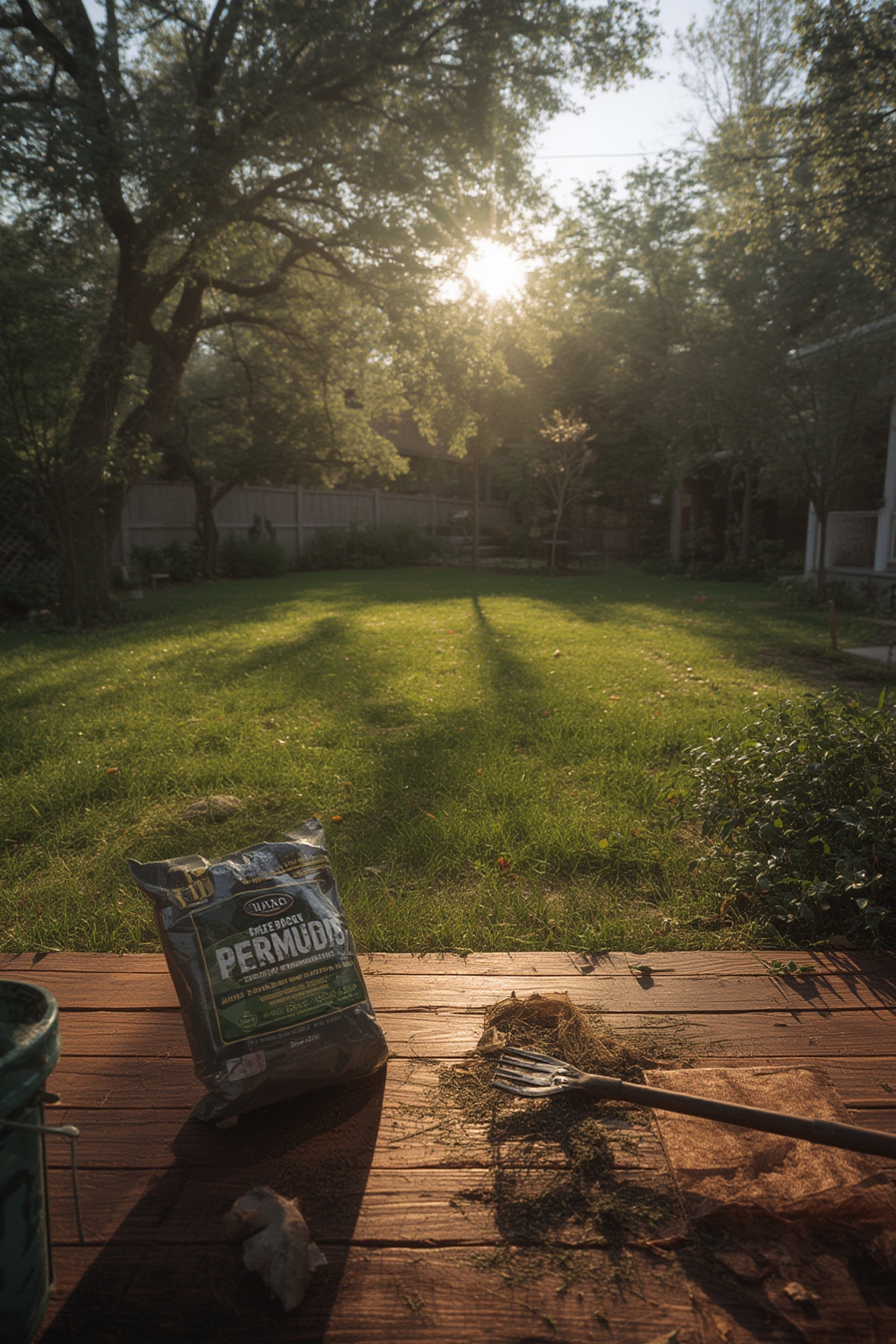
Choosing bermuda grass seed is often about adaptation—it thrives in high temperatures, recovers quickly from damage, and endures foot traffic better than most. With an estimated 40 to 50 million acres of residential lawns in the US, and with North America representing about 36 to 40 percent of grass seed sales worldwide in 2024 (source), bermudagrass remains a defining, regionally-important choice in the Southeastern and Southwestern states. Its performance in sports turf (where it rivals Kentucky bluegrass and tall fescue) further proves its durability and value (source).
This grass isn’t for everyone, though: bermuda grass needs full sun for success, won’t grow well in the shade, and requires proper soil temperatures to start. Cost-conscious buyers usually choose seed over sod, but that tradeoff means investing more patience and effort up front.
How to Establish Bermuda Grass Seed: Step-by-Step Guide
Getting a dense bermuda grass lawn from seed is a process—one where timing, prep, and follow-through make all the difference. Here’s a battle-tested, realistic step-by-step approach.
- Pick the right season: Mid-late spring is ideal in southern climates. Wait until consistent daytime highs hit 80°F, and nighttime temps reliably stay above 65°F.
- Prep your soil: Remove old grass, weeds, and debris using a sharp garden tool like the hula hoe or a stirrup hoe. Loosen the top 2–3 inches. Level the ground and incorporate organic matter if your soil is sandy or clay-heavy.
- Test and adjust pH: Bermuda prefers slightly acidic soil (pH 6.0–7.0). Apply lime or sulfur as needed and re-test to confirm.
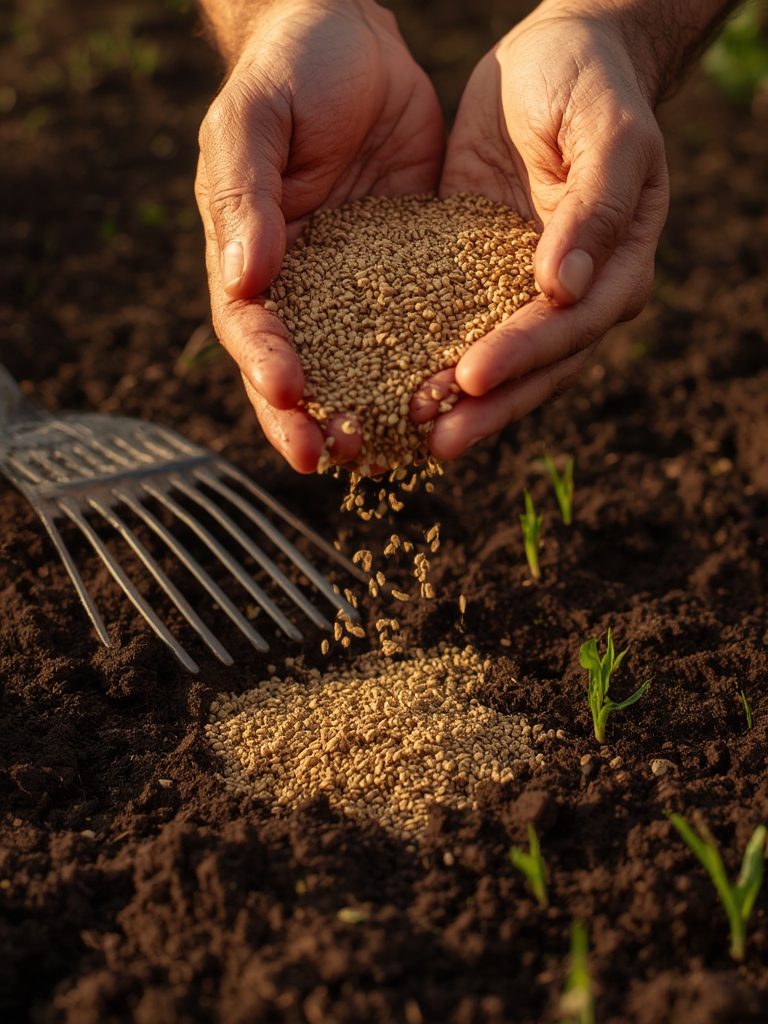
- Spread the seed: Using a broadcast spreader (or your sand-and-seed mix), apply 1–2 lbs of bermuda grass seed per 1000 sq ft. Rake gently for light coverage—never bury deeply.
- Fertilize: Apply a starter fertilizer at seeding. Turf-specific 16-22-8 blends or slow-release organic lawn fertilizer work well. For more options, see organic lawn fertilizer.
- Water regularly: Keep the seedbed evenly moist—not drenched—until seedlings are established. Light, frequent watering 3–4 times daily is usually needed for the first 2–3 weeks.
- Monitor growth: Germination typically takes 7–21 days, depending on temperature, seed quality, and irrigation. Patchy areas may need overseeding.
- First mow: Wait until grass reaches 2 inches before mowing. Mow with a sharp blade, removing no more than 1/3 of the height.
- Reduce watering: As roots develop after 3–4 weeks, transition to fewer, deeper waterings. This encourages deep root growth for drought resistance—a hallmark of bermuda.
- Feed and maintain: Start a regular fertilization schedule using products made for warm-season grasses. For information on water-efficient maintenance, check drought tolerant grass tips and companion planting to boost your landscape resilience.
Patience, timing, and flexibility are essential. If you hit a problem patch, take notes and consider small re-seeds instead of starting over.
Advanced Analysis & Common Pitfalls
Establishing a bermuda grass lawn from seed is rewarding but rarely frictionless. Here’s what the 2024 market and research landscape reveal—and what most guides won’t tell you.
- Patchy establishment: Bermuda seed rarely germinates uniformly. Uneven soil, stray debris, and inconsistent moisture can leave thin patches, requiring overseeding.
- Germination delays: Even under ideal conditions, germination varies from 7 up to 21 days, much longer with cold snaps or unpredictable weather. Spot-checking soil temperature can save weeks of waiting.
- Slow initial coverage: Unlike sod, seeded bermuda lawns take time to fill in. Full, lush coverage can require an entire growing season.
- Weed invasion: Bermuda needs sunlight to sprout. Bare, disturbed soil can attract aggressive weeds before your grass establishes. Mulch alternatives (see here) help prevent weed takeovers during the early stage.
- Cost tradeoffs: While up-to-date cost data is limited, seed is always cheaper than sod but much slower to deliver results. Sod establishes a uniform lawn almost instantly but costs up to 10 times more per square foot when you factor in soil prep and labor (see source).
| Bermuda Grass Seed | Bermuda Sod | |
|---|---|---|
| Upfront Cost per Sq Ft | Low (est. $0.05–0.25) | High (est. $0.50–$1.00+) |
| Labor Required | DIY friendly, high prep | Professional install often needed |
| Time to Full Lawn | 1–6 months | 2–4 weeks |
| Weed Risk | High (until established) | Low (instant ground cover) |
| Recovery From Stress/Use | Moderate—excellent over time | Excellent |
The seed route is best for those willing to trade money for time. If you need a flawless, ready-to-enjoy green carpet fast, sod is unbeatable—but at a price.
Other realistic issues:
- Lack of shade tolerance. Bermuda simply will not thrive in lawns with partial to heavy shade—choose other species for those spots.
- Negative consumer feedback is rarely published, but real-world complaints include seed not sprouting evenly, grass appearing too light (especially in low fertility soils), or failed establishment after heavy rain. No major blend or variety is universally immune to these risks.
- Specialty blends and university trial standouts for 2024 aren’t clearly identified in recent research, but for reliably strong performance, look for certified seed from reputable brands, and prioritize drought- or traffic-tolerant strains.
These pitfalls show why doing things “by the book” doesn’t guarantee success. Adapting your approach based on site, climate, and even your own patience is essential.
Conclusion
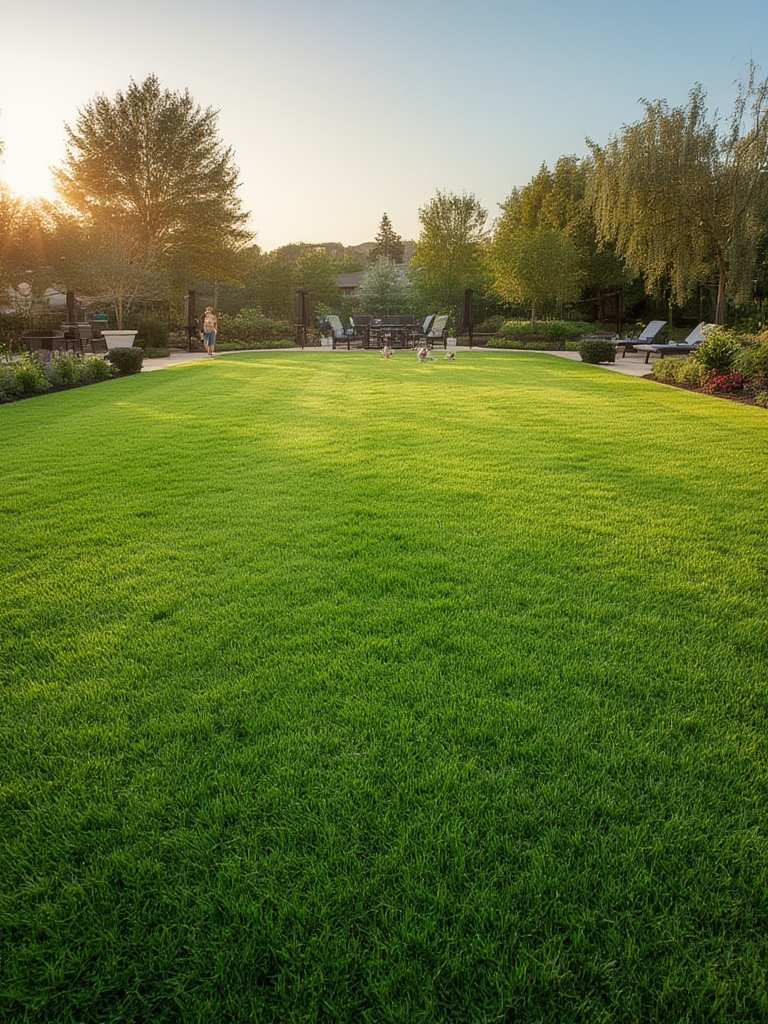
The path to a thick, attractive bermuda grass lawn from seed is possible, but it’s not a shortcut or a miracle fix. Plan for uneven germination and a season of tending. Be prepared to address weeds early, and invest in good prep and climate timing up front. When you get it right, the reward is a hard-wearing, sun-loving, drought-resistant carpet that outperforms most other types where the climate fits.
If you want more insight into lawn prep, weed combat, or sustainable lawn tools, check out resources on organic weed control or automate future care with a robot lawn mower. Ready to take the next step? Shop for high-quality bermuda grass seed and start planning your season today.
FAQ
How long does bermuda grass seed take to germinate?
Bermuda grass seed usually takes 7–21 days to germinate, depending on soil temperature and moisture. For best results, plant when soil temps are consistently above 65°F.
Can I overseed bermuda grass in the fall?
Overseeding bermuda grass in fall is only recommended if you’re using cool-season ryegrass as a temporary winter cover. For permanent bermuda establishment, overseed during late spring to early summer.
Why isn’t my bermuda grass seed growing?
Poor germination can result from soil that is too cold, old seed, lack of moisture, or inadequate ground contact. Bermuda also requires full sun and will not sprout well in shade or compacted soil.
Is bermuda grass seed better than sod?
Seed is cheaper and allows DIY installation, but takes months for complete coverage and is vulnerable to patchiness and weed invasions. Sod is more expensive but gives instant results and fewer early-stage weeds.
What are the best bermuda grass seed varieties for 2024?
Recent university data does not specify top varieties. Choose certified blends labeled for drought and traffic tolerance. When in doubt, select seed from a trusted supplier.
—
