

Bathroom spa conversion is the fastest-growing trend in home remodeling, turning ordinary bathrooms into private wellness retreats with luxury features like steam showers, soaking tubs, and heated floors. Homeowners want resort-level comfort at home, but the process involves significant investment, technical challenges, and a need for realistic expectations. This honest guide breaks down what actually matters, what goes wrong, and how to get spa results that last.
Key Takeaways
- Upscale bathroom spa conversions average a 50-60% return on investment, typically costing $50,000 to $100,000.
- Technical issues, ongoing maintenance, and underestimated installation costs are common pitfalls.
- Choosing the right spa features and materials saves money, reduces headaches, and boosts everyday wellness.
- Bathroom Spa Conversion: What and Why?
- Step-by-Step Guide: Converting Your Bathroom into a Spa
- Advanced Analysis & Common Pitfalls
- Conclusion
- FAQ
Bathroom Spa Conversion: What and Why?
Bathroom spa conversion means transforming a basic bathroom into a soothing, spa-inspired oasis with high-end wellness features. This goes beyond routine renovations—think therapeutic steam showers, deep soaking tubs, heated floors, calming lighting, and premium finishes. The goal is immersive relaxation at home, better daily routines, and a boost in long-term property value.
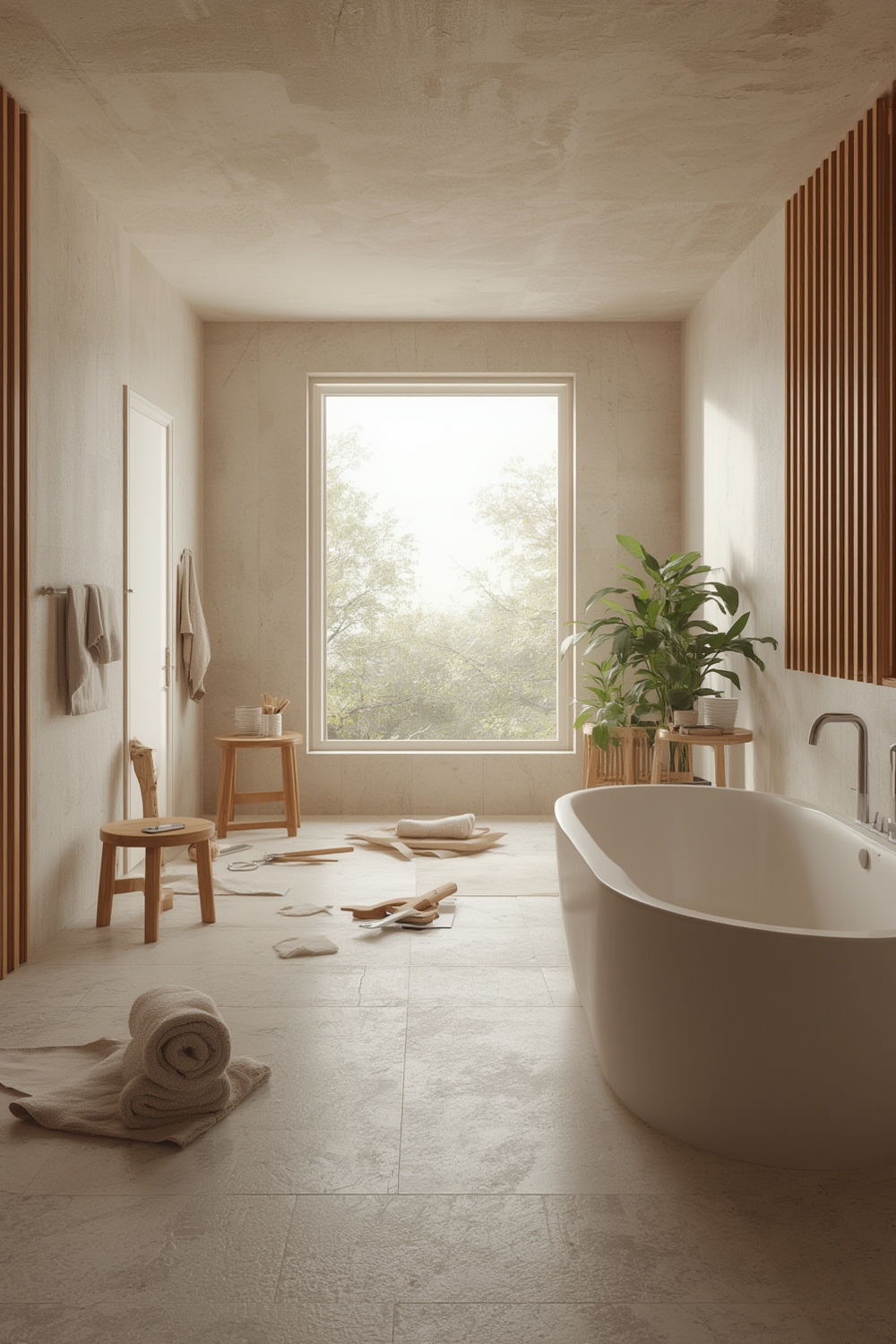
Why do it? The demand for bathroom spa features is rising, with the bath remodeling market projected to reach $72.27 billion by 2034 (source). Upscale spa-style bathrooms bring luxury and comfort, but they average a 56.2% ROI according to recent research (source). The real value is not just resale, but improved quality of life—if the conversion is well executed.
Luxury does not always guarantee satisfaction. Common issues include underestimating technical requirements and ongoing maintenance costs. Start with a clear vision: do you want therapeutic benefits like hydrotherapy or simply the look and feel of a spa? The answer shapes every decision, from layout to finishes.
For inspiration on complementing your new bathroom with nature-friendly design, see our biophilic design guide.
Step-by-Step Guide: Converting Your Bathroom into a Spa
Success starts with meticulous planning, careful product selection, and a focus on real-life needs—not just glamorous trends. Here’s how to tackle a bathroom spa conversion from start to finish.
Set a Realistic BudgetExpect $50,000–$100,000 for a full spa-inspired remodel. Steam showers alone start at $4,000 installed. Heated floors add $2,000–$5,000 depending on area and system. High-quality soaking tubs run $2,500–$10,000 or more. Factor in labor, waterproofing, and contingency funds for unexpected repairs.
Assess Technical Feasibility
Measure room size, existing electrical capacity, water supply, and floor load. Check if structural upgrades are needed for large tubs or stone finishes. Steam showers demand correct vapor barriers and dedicated venting—ignoring this causes mold and rot.
Pro tip: For heated floors, calculate available electrical amperage—you might need a new circuit or breaker box.
- Choose Your Spa Features
- Steam Shower: Requires waterproofing, sloped ceilings, insulated walls, and a reliable generator with local controls.
- Soaking Tub: Consider the weight of a full tub and user mobility for easy access.
- Heated Floors: Hydronic systems offer even heating but cost more. Electric mats are easier for retrofits.
- Lighting: LED and dimmable options for setting the mood and saving energy (source).
- Water-Efficient Fixtures: low-flow showerheads and toilets reduce consumption by up to 60% (source).
Pick Materials and Finishes
Invest in non-slip tiles, natural stone, or engineered quartz for easy maintenance. Floating vanities maximize floor space and storage. Avoid porous materials in wet zones.
Explore trending cabinet finishes here.
Verify Codes and Permits
Most spa features need electrical and plumbing upgrades. Secure permits for structural changes, venting, or added circuits to prevent failed inspections and costly rework.
Schedule Smart, Clean Installation
Work with specialists for key systems: tile pros for waterproofing, electricians for in-floor heating, and plumbers for tubs and showers. Oversee each project phase and get clear warranties.
Plan for Maintenance and Ongoing Costs
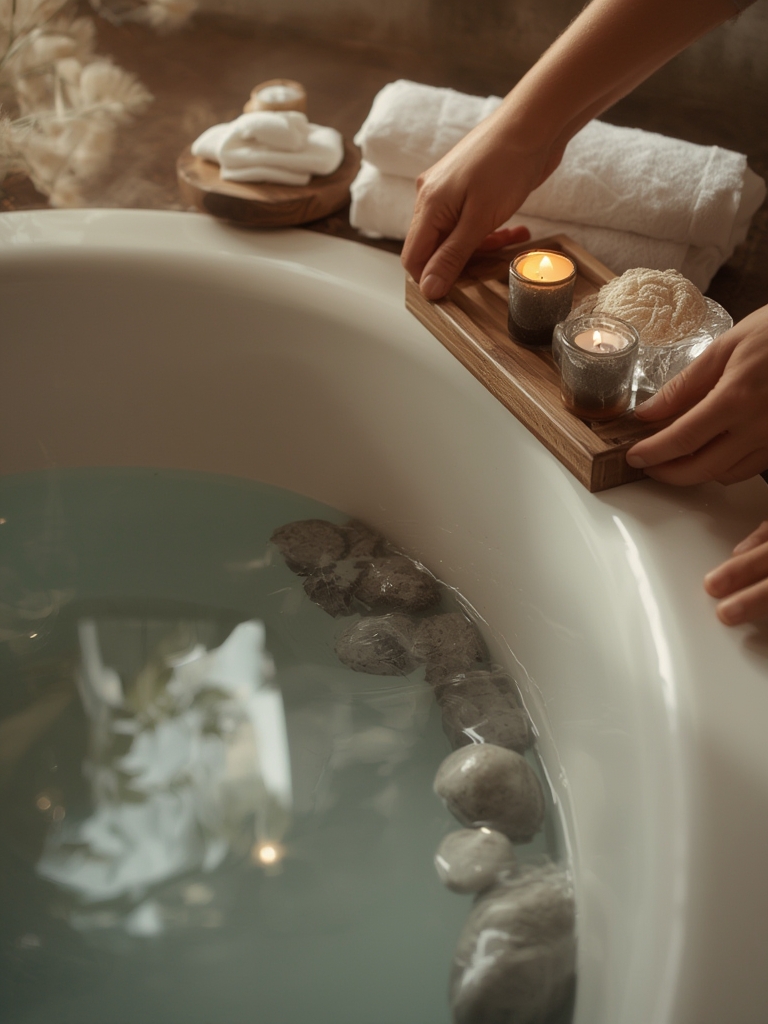
Budget for annual steam generator service, descaling of jets, grout cleaning, and filter replacements. Read manufacturer guidelines carefully—neglecting simple upkeep leads to costly repairs and voided warranties.
For tile and grout care, see this maintenance guide.
For more ways to keep your remodel eco-friendly and energy efficient, check out our advice on energy saving upgrades.
Advanced Analysis & Common Pitfalls
Even high-budget projects can fail if you overlook basic structural, electrical, or maintenance realities. Below is a realistic breakdown of common pitfalls with bathroom spa conversions based on current remodeling research:
| Spa Feature | Common Problems | Technical Challenges | Maintenance & Upkeep |
|---|---|---|---|
| Steam Shower | Mold, leaks, electrical malfunctions | Requires vapor-proof enclosure, dedicated power, precise venting | Descale generator, clean shower head, inspect seals annually |
| Soaking Tub | Floor sagging, leaks, uncomfortable depth | Reinforce joists, assess hot water tank size, ensure proper drainage | Check for cracks, clean jets, maintain anti-slip surfaces |
| Heated Floors | Uneven heating, electrical shorts, thermostat errors | New circuits, tight floor insulation, waterproofing under mats | Test annually, replace failed mats/thermostats as needed |
| Fancy Fixtures | Low water pressure, leaks, rapid wear of cheap finishes | Upgrade main supply, choose brass/ceramic components | Replace washers, clean aerators, polish finishes |
Many homeowners rush selections without considering long-term operational costs or technical constraints. For example, a soaking tub that doubles your water heater usage or a steam shower that causes mildew because of poor venting. Consult local experts to get realistic cost breakdowns, warranty terms, and post-installation checklists.
Material choices matter. High-end woods or stones look amazing but may need special treatment in wet zones. To prolong the lifespan of your cabinetry and finishes, visit our cleaning and care guide.
Conclusion
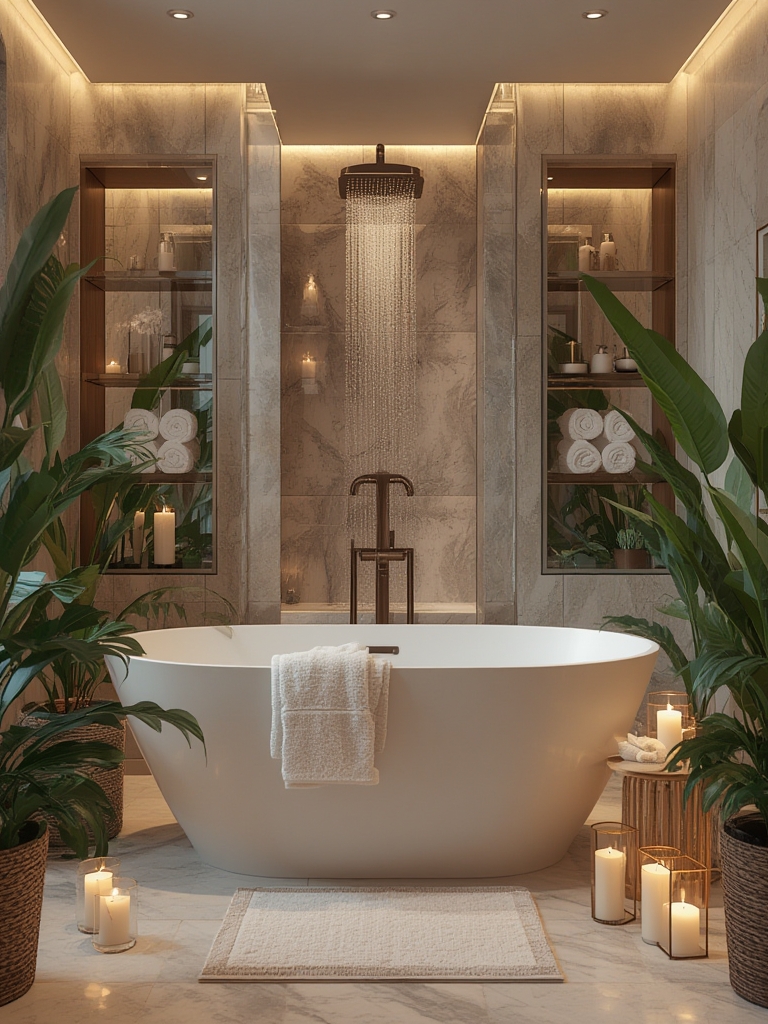
A bathroom spa conversion delivers hotel-level luxury at home—when planned with honesty about your space, structure, and budget. Don’t expect sky-high resale returns; invest for daily well-being, not just ROI. Work with qualified pros, verify every technical step, and maintain your investment with regular care. If you’re ready to explore your own bathroom spa conversion, start by listing your priorities and budget, then get quotes from local remodelers who specialize in spa features. Want more home transformation ideas? Browse our outdoor living space guide for inspiration.
FAQ
How much does a typical bathroom spa conversion cost?
Most upscale bathroom spa conversions cost between $50,000 and $100,000. Prices vary based on materials, features, and labor in your region. Custom steam showers and large soaking tubs increase costs quickly.
Do spa features like steam showers increase home value?
Upscale spa-style bathrooms offer an average ROI of 56.2% but usually return less than midrange remodels. The real payoff is in lifestyle improvement, not just resale value (source).
What maintenance do spa bathrooms require?
Annual maintenance includes cleaning grout, descaling steam generators, checking for leaks, and servicing heating elements. Follow all manufacturer guidelines closely to preserve warranties and prevent breakdowns.
Can I add spa features to a small or old bathroom?
You can retrofit features such as LED mood lighting, rainfall showerheads, and heated towel bars into most bathrooms without a full remodel. Large tubs and steam showers require adequate space, structural support, and modern plumbing.
Are heated floors, soaking tubs, and steam showers energy efficient?
Modern low-flow fixtures and LED lighting cut water and energy use. However, heated floors and steam showers can increase utility bills if used daily. Choose features based on comfort and practical use.
