

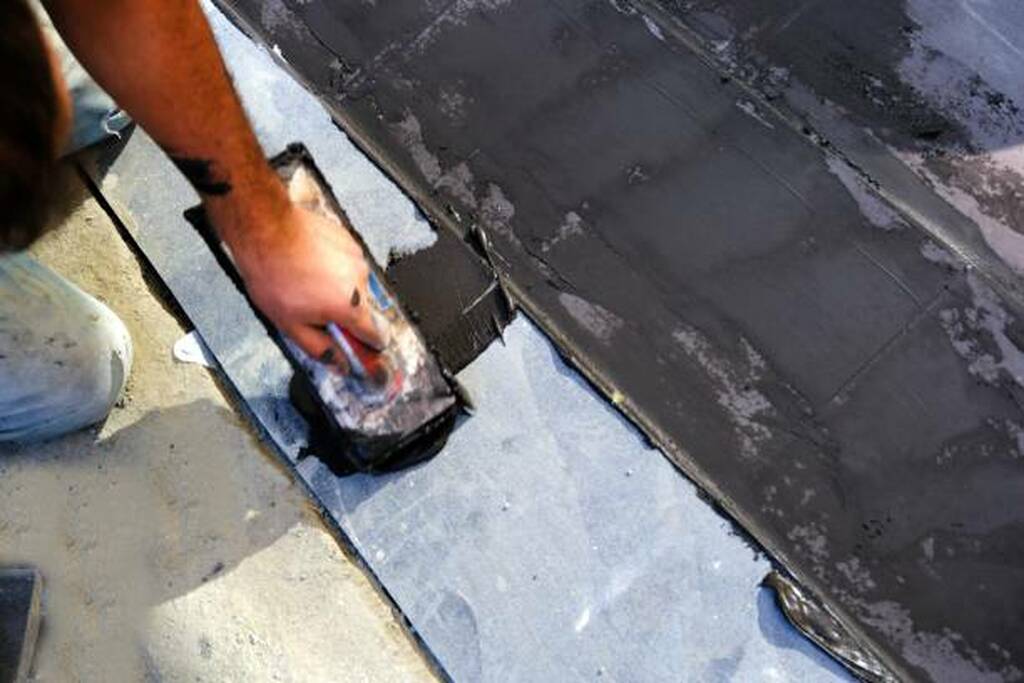
Choosing the Best Roof Patching Materials determines whether your roof repair lasts a few months or several decades. High-quality materials, proper preparation, and correct application techniques extend your roof’s service life and prevent costly leaks. This guide breaks down the most effective patching materials, how they work on different roof types, and the best repair practices to achieve durable, professional-grade results.
What Are the Best Roof Patching Materials?
The Best Roof Patching Materials include asphalt roofing cement, modified bitumen sheets, single-ply membranes, liquid-applied coatings, fiber-cement fillers, butyl tapes, and metal flashing patches. The right choice depends on roof type, climate, and repair scope. Using quality products—such as Asphalt Roofing Cement available here: https://www.amazon.com/s?k=Asphalt+Roofing+Cement+(Tube/Tub)&tag=dailyluxehome-20 —ensures better adhesion, flexibility, and longer patch life.
Understanding Common Roof Patching Materials
Asphalt Roofing Cement & Mastics
Asphalt roofing cement is one of the most widely used materials for shingle and bituminous roof repairs. It offers strong adhesion and easy application for emergency or medium-term repairs. Ideal for asphalt shingles, built-up roofs, and modified bitumen. Lifespan: 3–7 years.
Modified Bitumen (APP/SBS) Sheets
These membranes consist of asphalt blended with plasticizers. APP handles high temperatures and UV; SBS stays flexible in cold climates. Perfect for flat roofs and long-lasting patches. Lifespan: 15+ years.
Single-Ply Membranes (EPDM, PVC, TPO)
EPDM offers excellent UV resistance; PVC and TPO allow heat-welded seams for superior bonding. These membranes are highly durable and ideal for commercial and residential flat roofs. Lifespan: 15–30 years.
Liquid-Applied Coatings (Acrylic, Silicone, Polyurethane)
Liquid coatings form seamless waterproof layers. Acrylics are UV-proof, silicones handle ponding water, and polyurethanes resist chemicals and foot traffic. Great for complex roof shapes. Lifespan: 5–20 years.
Butyl and Self-Adhesive Patch Tapes
These peel-and-stick tapes work well for quick emergency repairs or sealing seams. Lifespan: 1–7 years.
Fiber Cement & Cementitious Patches
Ideal for tile or slate roofs. Strong, rigid, and long-lasting. Lifespan: 20+ years.
Metal Flashing and Soldered Repairs
Copper, aluminum, or lead patches provide long-term durability for metal roofs, slate, and tile. Lifespan: multiple decades.
How to Choose the Best Roof Patching Materials for Each Roof Type
Asphalt Shingles
Use asphalt roofing cement and compatible mastics (affiliate link above). Avoid solvents that damage shingles.
Metal Roofs
Choose polyurethane sealants, butyl tape, or elastomeric coatings. Avoid asphalt-based mastics that cause corrosion.
Tile or Slate Roofs
Use fiber-cement fillers or metal flashing patches. Avoid soft mastics for deep cracks.
EPDM, PVC, TPO
Match the patch to the membrane. Never mix materials. EPDM → EPDM patch, TPO → TPO, PVC → PVC.
Modified Bitumen
Use modified bitumen sheets or compatible liquid membranes. Prime properly before applying heat or adhesive.
Roof Preparation for Best Patch Performance
Damage Assessment
Examine the roof for cracks, blistering, open seams, failing flashing, and deck rot. Use moisture meters to confirm substrate dryness.
Tools Checklist
Trowels, rollers, heat gun/torch, primer, roofing cement, tapes, membrane patches, PPE, cleaners, and utility knife.
Cleaning & Drying
Remove debris, scrub the surface, rinse, and allow full drying. Use membrane-specific cleaners for EPDM/PVC/TPO.
Substrate Preparation
Cut out loose material, dry completely, and prime with compatible primers. For thermoplastics, do not use solvents.
Step-by-Step Repair Techniques
Small Holes & Punctures
Clean → Prime → Apply tape/mastic → Roll → Cure → Water test.
EPDM Patches
Clean → Prime → Apply adhesive → Press → Roll → Cure.
PVC/TPO Welding
Clean → Overlap patch 2–3″ → Hot-air weld → Cool → Probe test.
Modified Bitumen Repairs
Apply self-adhesive sheets or torch-apply patches. Avoid overheating.
Liquid Coatings
Brush or roll over complex shapes, penetrations, and drains. Reinforce with mesh where needed.
Metal Flashing Repairs
Re-fasten loose flashing and seal edges with compatible sealants.
Emergency Repairs
Use peel-and-stick tapes or asphalt roofing cement (affiliate link above) for quick temporary sealing.
Maintenance, Safety & Warranty Tips
Perform inspections twice a year.
Check for lifting edges, cracks, and UV damage.
Clean debris and reseal seams as needed.
Document all repairs for warranty and insurance protection.
Follow all safety protocols—fall protection, PPE, and hot-work permits where required.
Conclusion
Choosing the Best Roof Patching Materials depends on proper damage assessment, material compatibility, and skilled preparation. High-quality patches, especially when applied with products such
