

Compost tumbler systems are quickly transforming how gardeners and homeowners turn food scraps and yard waste into nutrient-rich soil—without the hassle, odor, or vermin risk of traditional compost bins. If you want faster, cleaner composting with less work, read on. Discover expert-backed steps, real-world challenges, and practical tips most current guides miss.
Key Takeaways
- The global compost tumbler market in 2024 is valued anywhere from USD 190 million to USD 1.26 billion, reflecting rapid growth and variations in reporting [source].
- Most compost tumbler articles neglect key issues like multi-chamber models, hands-on maintenance, and climate-specific advice, leaving real users with incomplete information.
- While tumbling composters offer speed and cleanliness over stationary bins, they do come with challenges: higher upfront costs and regular upkeep matter.
- What Is a Compost Tumbler and Why Use One?
- How to Use a Compost Tumbler: Step-by-Step Guide
- Advanced Analysis & Common Pitfalls
- Conclusion
- FAQ
What Is a Compost Tumbler and Why Use One?
A compost tumbler is a rotating enclosed barrel that allows you to quickly make compost by mixing kitchen scraps, yard debris, and other organic materials with minimal effort. Unlike traditional bins—which require digging, stirring, and lots of waiting—a tumbler streamlines the process: just add, turn, and harvest finished compost, often in as little as a few weeks under good conditions.
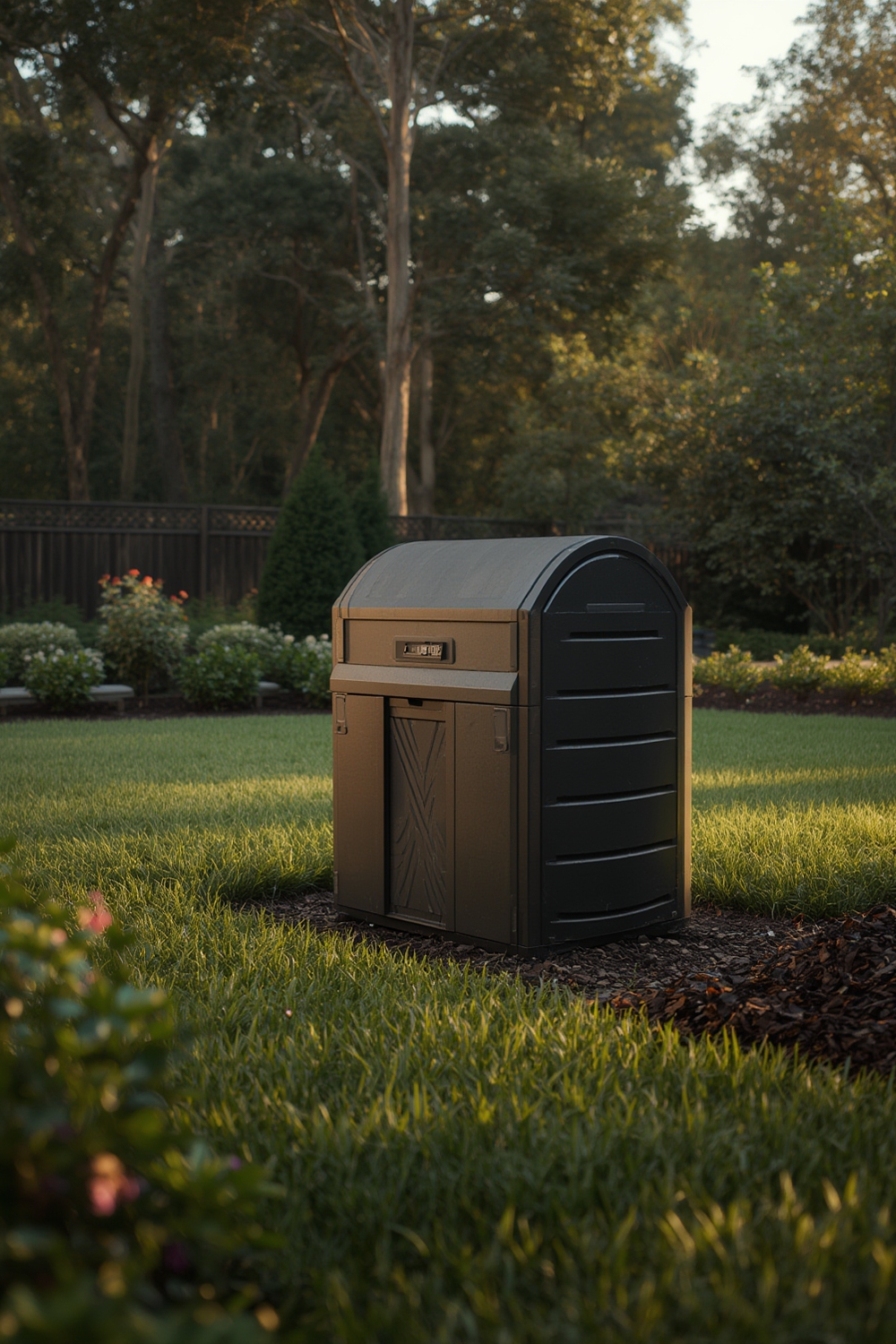
Compost tumblers are becoming more popular because they:
- Reduce odor and pest issues by keeping contents sealed off from rodents, raccoons, and flies.
- Allow for easier, faster aeration. Just spin the drum a few times a week rather than digging with a pitchfork.
- Fit smaller spaces—many compact models are now designed for balconies or urban yards, making them ideal for city dwellers or tight backyards.
In 2024, demand is surging in North America, especially as homeowners discover faster, lower-mess composting. The household composters market (including tumblers) hit about USD 120 million in the US, close to 79% of North American sales (source).
Most units range in capacity from apartment-sized 20-50 liters up to large dual-chamber models for active gardening families. Tumblers are classified alongside outdoor compost bins, holding almost 45% of household composting solutions by value (source).
The biggest names include VIVOSUN, FCMP, and ScottsMiracle-Gro, offering varieties optimized for speed, convenience, and durability. For more on efficient weeding and garden prep, see these guides on the hula hoe garden tool and stirrup hoe, which can also help you collect yard waste for your composter.
How to Use a Compost Tumbler: Step-by-Step Guide
- Choose Your Location
Place your compost tumbler in a flat, sunny spot for best warmth and drainage. For small spaces, look for models under 30 inches wide to fit on patios or balconies. Avoid placing it against wooden fences or overhanging trees, which can block airflow or drop sap into your compost. - Load with the Right Ingredients
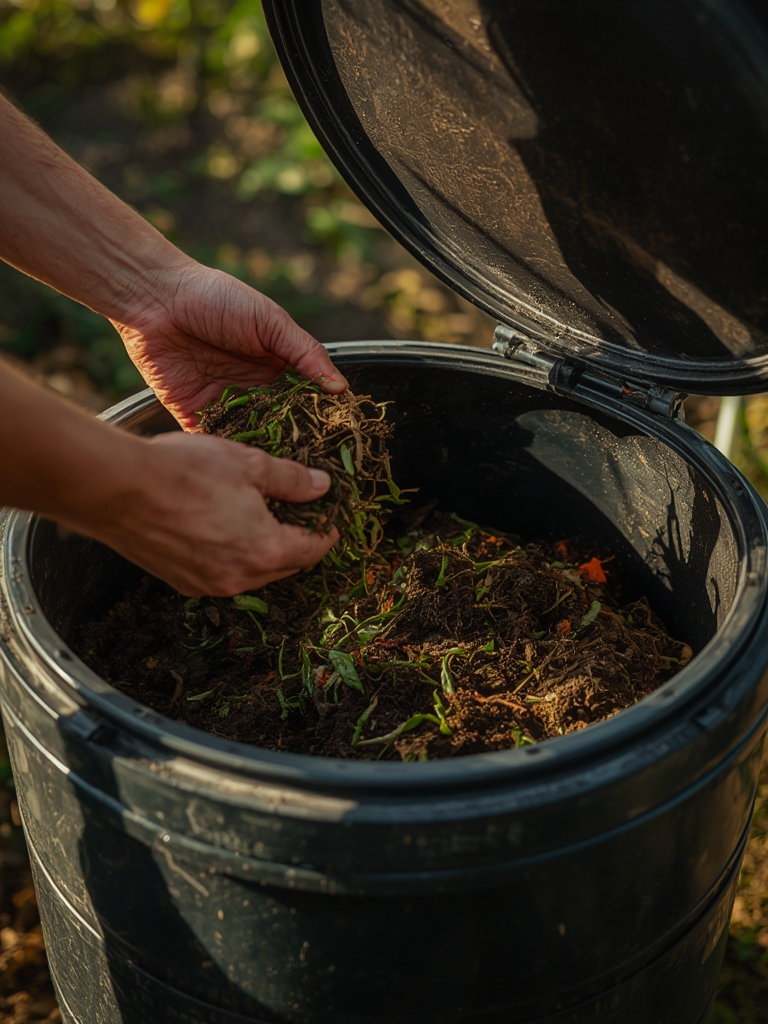
Alternate “browns” (dry leaves, shredded cardboard, sawdust) with “greens” (fruit peels, coffee grounds, fresh yard clippings). Aim for a 2 to 3:1 brown to green ratio. Never add dairy, meat, or cooked foods—these cause odors, pests, and slow composting. - Check Moisture
Compost needs to be damp—not soaked or dry. Squeeze a handful; it should feel like a wrung-out sponge. Add water if dry; add more browns if wet. Too much moisture can cause anaerobic (smelly) compost. - Spin Regularly
Rotate the tumbler 3-5 times every three days. This aerates the pile and mixes materials for even decomposition. Overmixing can slow composting; undermixing lets odors linger. - Monitor Temperature
Compost should heat up, ideally between 120 and 150°F. If it cools down, your balance is off or you need more nitrogen. A pocket thermometer helps, but in smaller models, warmth to the touch is a good sign. - Finish & Harvest
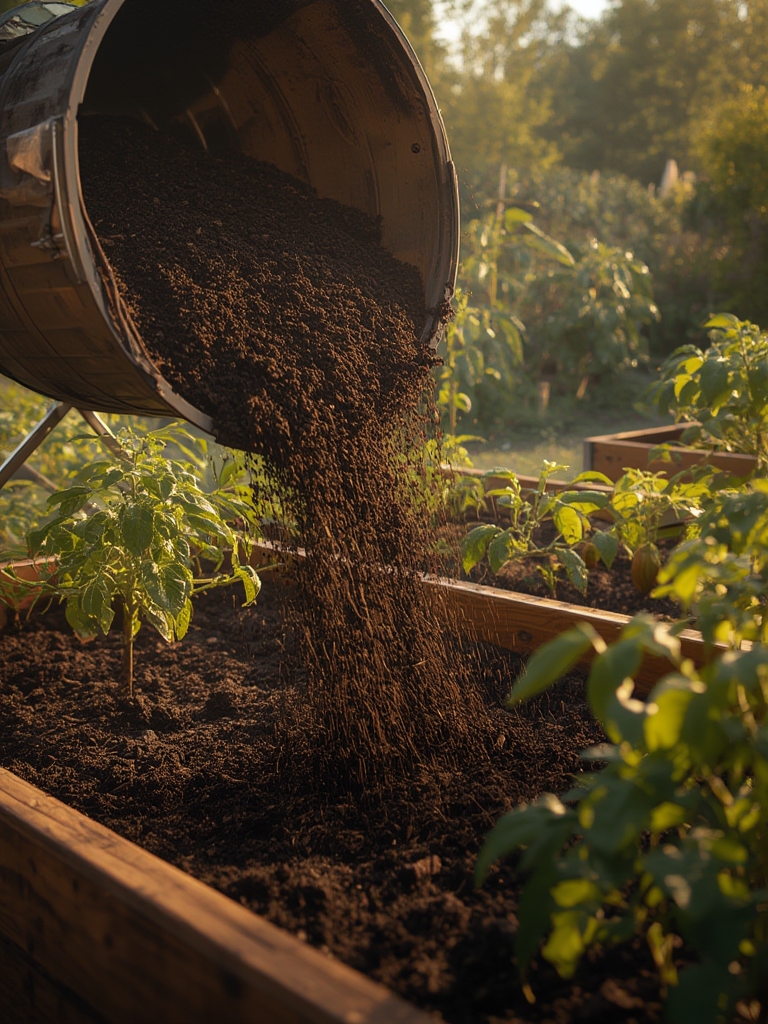
After 3-8 weeks (in warm months), your mix should darken and smell like rich earth. Stop adding new material to let the batch “finish,” then open the hatch and harvest with a scoop or trowel.
Maintenance Tips
- Clean the tumbler every 2-3 months to prevent buildup and avoid lingering odors.
- Lubricate hinges and turning mechanisms once per season if they squeak or get stiff.
- If you live in a cold climate, insulate the tumbler (wrap in an old blanket or bubble wrap) to keep compost working through winter.
Space and Sizing for Small Yards
Most compact compost tumblers for small yards or patios are 20 to 50 liters and measure under 2.5 feet wide—ideal for urban dwellers. Always allow a few feet of clearance around the tumbler for comfortable spinning and access. Check your model’s footprint before you buy.
If you’re looking to maximize yields from your garden beds, it’s worth checking out this companion planting chart and smart ways to use garden shade cloth to protect crops.
Advanced Analysis & Common Pitfalls
Real-World Problems & Comparative Data
Nearly every compost tumbler brand claims speed and odor-free operation, but the real experience can be mixed. Most top-ranking articles skip the following real challenges:
- Costs: Tumblers cost more upfront than a DIY or plastic stationary bin. Entry-level models start around $70, but premium brands can exceed $200, especially for multi-chamber or insulated versions. Actual prices vary widely by brand and features (source).
- Maintenance: Tumblers need regular spinning and cleaning. Neglect quickly leads to sticky, unusable compost or foul odors—unlike simple heaps that can survive neglect.
- Moisture Balancing: Closed barrels retain more moisture, making it easy to go from too-dry to swampy. Careful ingredient balance and periodic checks matter.
- Space Constraints: Even “compact” models need ample clearance for spinning—crammed patios can make use impractical.
- Climate Sensitivity: Tumblers cool down more quickly in cold weather. Composting practically stops below 50°F unless you insulate the drum.
- Composting Time: There’s little recent hard data comparing tumblers to bins. Most anecdotal reports claim tumblers compost in 3-8 weeks during warm seasons, but add time for cool weather, lack of turning, or overloaded drums. Stationary bins, by contrast, can take 4-12 months with little intervention.
| Compost Tumbler | Traditional Bin | |
|---|---|---|
| Composting Speed | 3-8 weeks (warm weather, regular turning) | 4-12 months |
| Pest & Odor Control | Excellent (sealed chamber) | Variable (open to pests/odors) |
| Maintenance Required | Moderate (spinning, cleaning, monitoring moisture) | Low (can neglect if you don’t mind slower compost) |
| Initial Cost | Higher (most models $70-$200+) | Low (plastic bins or DIY piles $20-$80) |
| Climate Challenges | Sensitive to cold; may require insulation | Will slow in winter but less affected |
Current guides rarely discuss underexplored features, such as dual-chamber models, which let you keep one side cooking while adding fresh scraps to the other. For best results, look for a dual-chamber model if you compost year-round.
To further boost your garden’s soil health and compost efficiency, consult our deeper dives on mulch alternatives or maximize your harvest with drip irrigation—both practices complement a robust composting setup.
Conclusion
If you need faster, less messy composting and are willing to stay on top of regular maintenance, the compost tumbler is a clear winner for modern gardens—especially where space and time are tight. Despite higher upfront costs, these enclosed systems reduce hassle and keep pests at bay. If you want to transform your kitchen and yard waste into valuable “black gold” for your plants, choose a reliable compost tumbler today. Ready to improve your soil and reduce landfill waste? Get started with the right compost tumbler for your setup and see the benefits in your next planting season.
FAQ
How often do I need to turn my compost tumbler?
Turn your compost tumbler 3 to 5 times every 2 to 3 days for the quickest, most even results. Too little turning causes slow, smelly compost; overdoing it can cool the pile and slow decomposition.
Can I compost in winter with a tumbler?
Yes, but composting slows down as temperatures drop below 50°F. Insulating your tumbler with a moving blanket or bubble wrap helps maintain warmth. Add more greens (nitrogen) to boost microbial activity in cold months.
What can’t I put in a compost tumbler?
Avoid dairy, meat, bones, oily food, pet feces, and glossy paper. These items can cause odors, attract pests, and may not break down properly in enclosed systems.
How do I prevent odor in my compost tumbler?
Keep a balanced mix of browns (carbon) and greens (nitrogen), avoid excess moisture, and turn regularly. If the smell is sour, add more dry browns and spin frequently.
Do I need a dual-chamber compost tumbler?
Dual-chamber models allow you to have one batch finishing while adding new scraps to the other, minimizing downtime and maximizing compost output. They are ideal for active gardeners or households producing a lot of waste.
