

### Blog Post:
Neem oil spray is one of the most commonly used solutions for organic pest control, especially in home gardens. If you want to keep aphids and powdery mildew at bay on your tomatoes or veggies without harmful chemicals, this guide gives you realistic, research-backed tips to get it right—and avoid typical mistakes that can ruin your results.
Key Takeaways
- Neem oil spray is a proven tool against aphids and powdery mildew, but only when freshly mixed and correctly applied.
- Common problems include quick loss of effectiveness after mixing, strong odor residue, and mistakes with dilution or timing.
- Consistent, careful usage in the evening boosts your success and prevents most side effects to your veggies and beneficial insects.
- Understanding Neem Oil Spray for Organic Pest Control
- How to Use Neem Oil Spray: Step-by-Step Guide
- Advanced Analysis & Common Pitfalls
- Conclusion
- Neem Oil Spray FAQ
Understanding Neem Oil Spray for Organic Pest Control
Neem oil spray is derived from the seeds of the neem tree, acting as a broad-spectrum insecticide and fungicide. While no new large-scale scientific studies from 2023–2024 directly validate neem oil spray’s effects specifically against aphids or powdery mildew, it is widely regarded as a safe, organic solution. Neem oil works by disrupting insect hormones that regulate feeding and reproduction, eventually stopping pests like aphids in their tracks. For powdery mildew, it helps suppress the spread by inhibiting fungal spore germination, but cannot eliminate an established infection. This balance makes neem oil one of the few effective treatments that is kind to pollinators, like bees, and beneficial predators such as ladybugs, when used on food crops and vegetables like tomatoes.
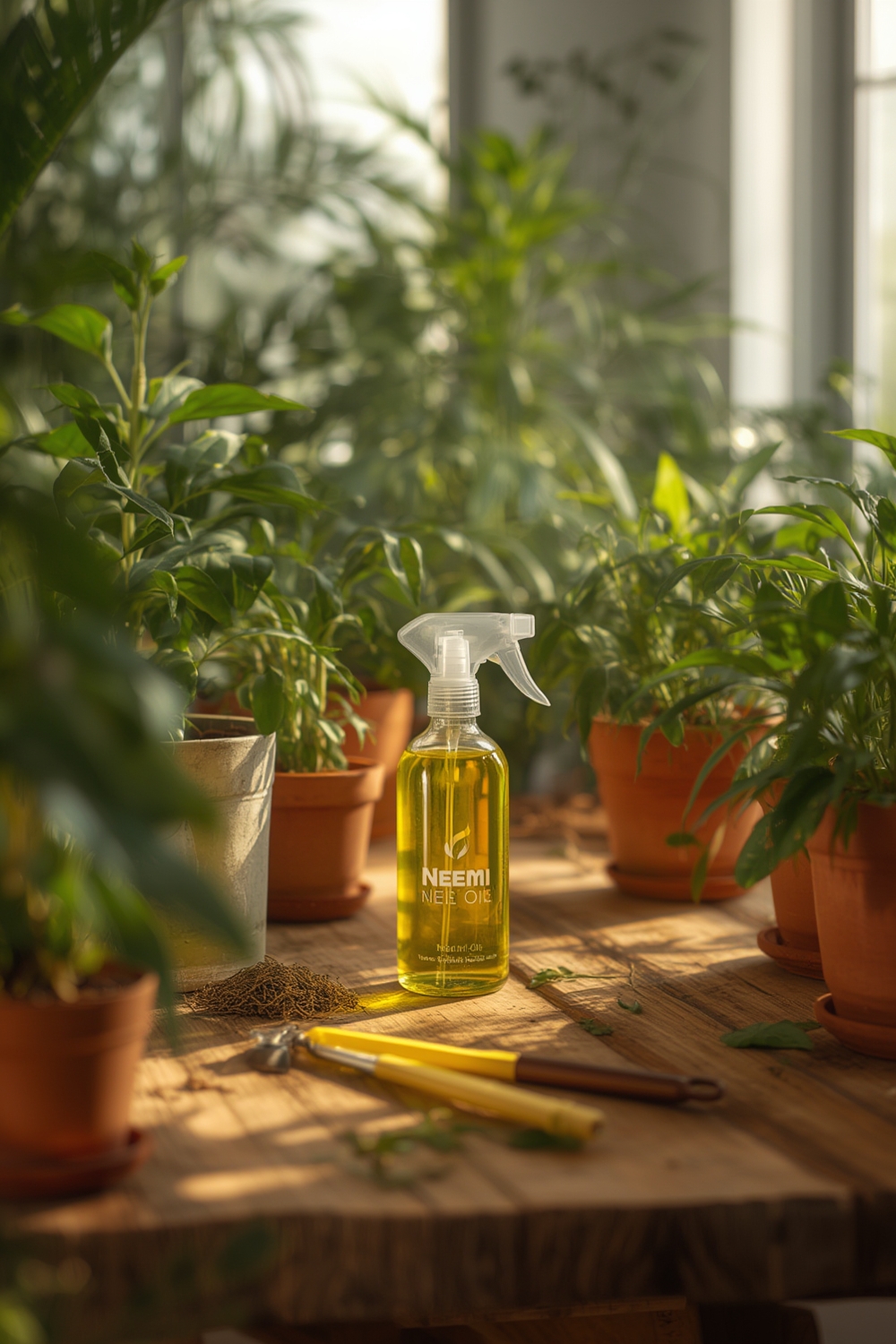
However, neem oil spray has drawbacks that many gardeners overlook. The solution begins breaking down within hours of mixing, especially if made with tap water or mixed ahead of time. Improperly mixed or old neem oil spray quickly loses effectiveness, leading to frustration over poor pest control and wasted effort. This article focuses on realistic guidance—what actually works, what commonly goes wrong, and smart ways to avoid the most frequent pitfalls.
How to Use Neem Oil Spray: Step-by-Step Guide
Follow these steps to get the most from neem oil spray, particularly for aphids, powdery mildew, and tomatoes:
- Choose pure, cold-pressed neem oil labeled for garden use. Avoid aged or pre-mixed solutions, which degrade fast.
- Make a fresh batch each time. Mix 1 teaspoon neem oil + 1/4 teaspoon mild liquid soap per pint of distilled water (or 1–2 tablespoons neem oil per gallon for larger batches). The soap acts as an emulsifier, helping the oil and water combine evenly.
- Stir vigorously and pour into a clean, never-used-for-bleach spray bottle. Shake before and during use.
- Test on a small leaf if this is your first time using neem oil. After 24 hours, check for any burning or yellowing.
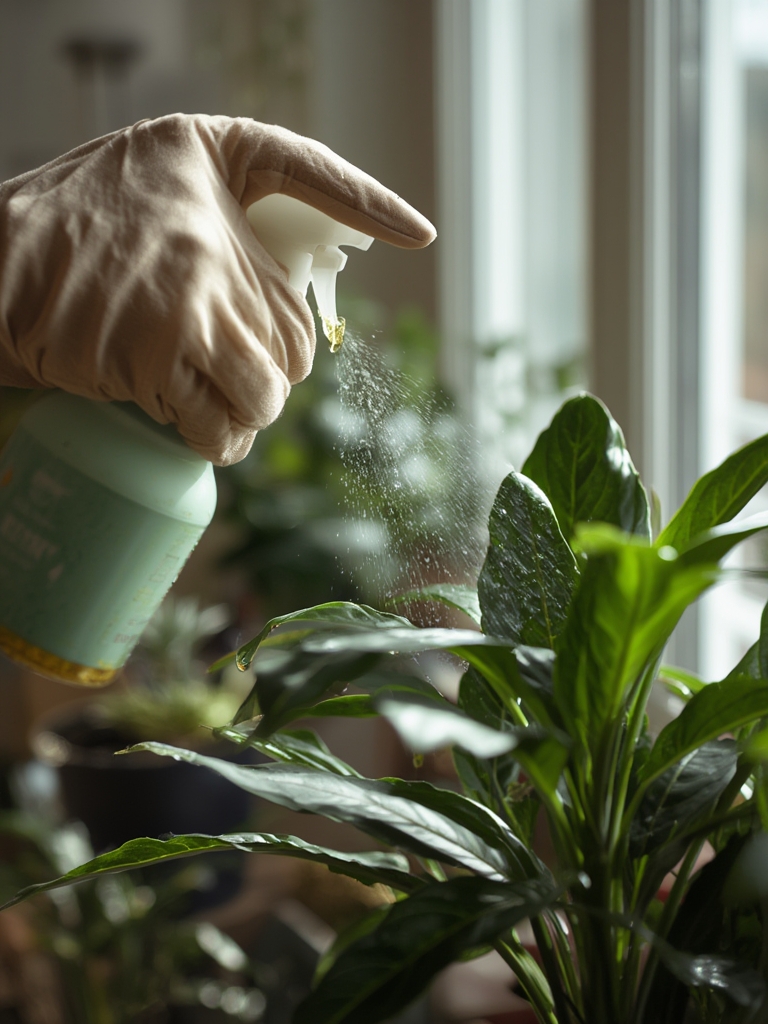
- Apply in the early evening. This prevents sunburn risk and avoids harming pollinators. Spray the tops and (most importantly) undersides of every leaf until they are thoroughly wet. For aphids, target where you see clusters or leaf curling. For powdery mildew, focus on visibly infected areas as well as nearby healthy foliage.
- Repeat your application every 7 days for prevention, or every 3–4 days if you have a severe infestation. Continue until pests are under control, but give plants a break if you notice any damage.
- Avoid spraying before rain, or if excessive heat (over 85°F/29°C) is forecast that day. This prevents washing off or burning foliage.
Neem oil spray can be part of a holistic organic garden regimen. If you struggle with weed control, supplement your efforts with the hula hoe or try a stirrup hoe for easy weeding between spray schedules. Combining physical weeding tools and neem oil can help create a more resilient, chemical-free garden.
If soil pests like fungus gnats persist, saturate the top inch of soil with neem solution. However, some gardeners report this is less effective than foliar spraying; consider alternating with other approaches or organic soil drenches if results lag. Alongside neem spray, try using Mosquito Dunks for fungus gnat control—these contain Bacillus thuringiensis, also safe for organic gardens and compatible with neem.
Advanced Analysis & Common Pitfalls
Gardeners regularly run into trouble with neem oil spray due to a range of practical and environmental factors. Here’s a breakdown of frequent obstacles and realistic solutions:
- Using old or pre-mixed neem oil: Once neem oil is mixed with water and soap, its pest-fighting properties start fading quickly—losing most effectiveness in less than 8 hours, especially when mixed with tap water due to minerals. Freshness is key.
- Wrong dilution: If too weak, it won’t stop pests or mildew. If too concentrated, you risk leaf burning, phytotoxicity, or bitter-tasting residue on tomatoes. Stick to 1 tsp per pint or 1–2 tbsp per gallon.
- Application timing: Spraying in full sunlight or just before rain wastes neem oil and risks plant damage.
- Ignoring coverage: Missing leaf undersides, crevices, or dense foliage allows pests to repopulate quickly. Full saturation is needed every time.
- Over-applying or residue buildup: Weekly spraying is safe, but residue may temporarily alter flavor or aroma of edibles like tomatoes—wash before eating and pause applications if you notice bitterness.
- Expecting “cure-all” results: Neem oil can suppress powdery mildew and disrupt insect pests, but it does not eliminate heavy fungal outbreaks or hardened pest infestations in one go. Be realistic and repeat applications with integrated practices, like regular weeding or organic fertilizer use for plant resilience.
| Issue | What Happens | Smart Solution |
|---|---|---|
| Solution sits longer than 8 hours | Most active ingredients degrade, greatly reducing pest control power. | Only mix what you’ll use right away. Discard leftovers. |
| Spraying in midday sun | Leaves may burn; pests may hide from spray coverage. | Spray in the evening or on cloudy days. |
| Over-concentration | Phytotoxicity, leaf curl, or odd taste on food crops. | Stick to tested dilution ratios—never “eyeball” measurements. |
| Missed undersides or dense spots | Aphids and mildew persist and rebound. | Practice slow, careful spraying. Use a light to inspect undersides if needed. |
User reviews and independent guides confirm that, though neem oil is generally safe for pollinators and earthworms, regular strong-smelling residue can be annoying if overdone—especially on table-ready tomatoes. There are no major 2024 regulatory or residue changes for home use, but always buy from reputable sources and double-check your local guidance. For all-organic gardeners, you can also combine neem oil use with mulch alternatives for added pest and soil control, or set up drip irrigation to boost overall plant health.
Still not convinced? See more real-life user discussions and research-backed tips from reputable external sources below:
- Neem Oil Spray: Research and User Reports
- Overview from National Pesticide Information Center
- Real-World Best Practices for Organic Gardens
Conclusion
Neem oil spray remains one of the best all-natural pest and mildew controls for gardeners who want healthy, chemical-free vegetables and flowers. Use it fresh, spray in the evening, and follow clear dilution guidelines to avoid the most common mistakes. Be realistic—neem oil works best in an overall organic gardening program, not as a “miracle cure.” Start with the steps above, and you’ll be on track for stronger, safer plants this season. If you’re serious about sustainable gardening, add companion planting strategies to your neem oil spray routine for even better results.
Ready to take control? Mix your neem oil spray today and protect your garden—see the difference in just a few days.
Neem Oil Spray FAQ
How long does freshly mixed neem oil spray stay effective?
Fresh neem oil spray is effective for up to 8 hours after mixing. Always make a new batch before each use for the best results. If your spray sits longer, it loses potency quickly.
Can I use neem oil spray on edible crops like tomatoes?
Yes, neem oil is widely used on tomatoes and other edibles. Wash produce before eating to remove any residue. If you notice odd flavors after frequent use, pause spraying a week before harvest.
Is neem oil spray safe for pollinators and beneficial insects?
When targeted properly (evenings, only on affected plants), neem oil spray doesn’t harm bees, ladybugs, or earthworms. Avoid blanket spraying flowers when bees are active.
Do I need special equipment for neem oil spraying?
No, a standard garden spray bottle works. Just never use a bottle that held bleach or harsh chemicals, and always shake the solution before each spray.
What if neem oil spray isn’t working for my aphid/mildew problem?
Try adjusting your spray schedule and double-check that you’re using the correct dilution. Also, ensure you’re fully coating all leaf surfaces, especially undersides. Don’t hesitate to combine neem with other proven organic methods like mulch or weeding tools.
