

dethatching rake is a staple tool for reviving tired lawns, but it’s not always as simple or effective as it sounds. Used the right way, it can boost grass health and curb moss. Used wrong, it creates frustration or even lawn damage. Here’s what to know—before you dethatch.
Key Takeaways
- Dethatching rakes target surface debris and dead grass but may not remove deep thatch layers.
- Manual dethatching is strenuous for large lawns and best suited for targeted problem spots or small yards.
- Results depend on grass type, season, and realistic expectations—see the common pitfalls below before starting.
- What Is a Dethatching Rake and Why Use It?
- Step-by-Step Guide: How to Use a Dethatching Rake for Healthier Lawns
- Advanced Analysis & Common Pitfalls
- Conclusion
- Frequently Asked Questions
What Is a Dethatching Rake and Why Use It?
A dethatching rake is a heavy-duty garden tool with sharp, rigid tines designed to rip up layers of dead grass (known as thatch) and other debris above the soil. Thatch is a tightly woven mix of dead and living shoots, roots, and stems that can choke grass if it gets too thick.
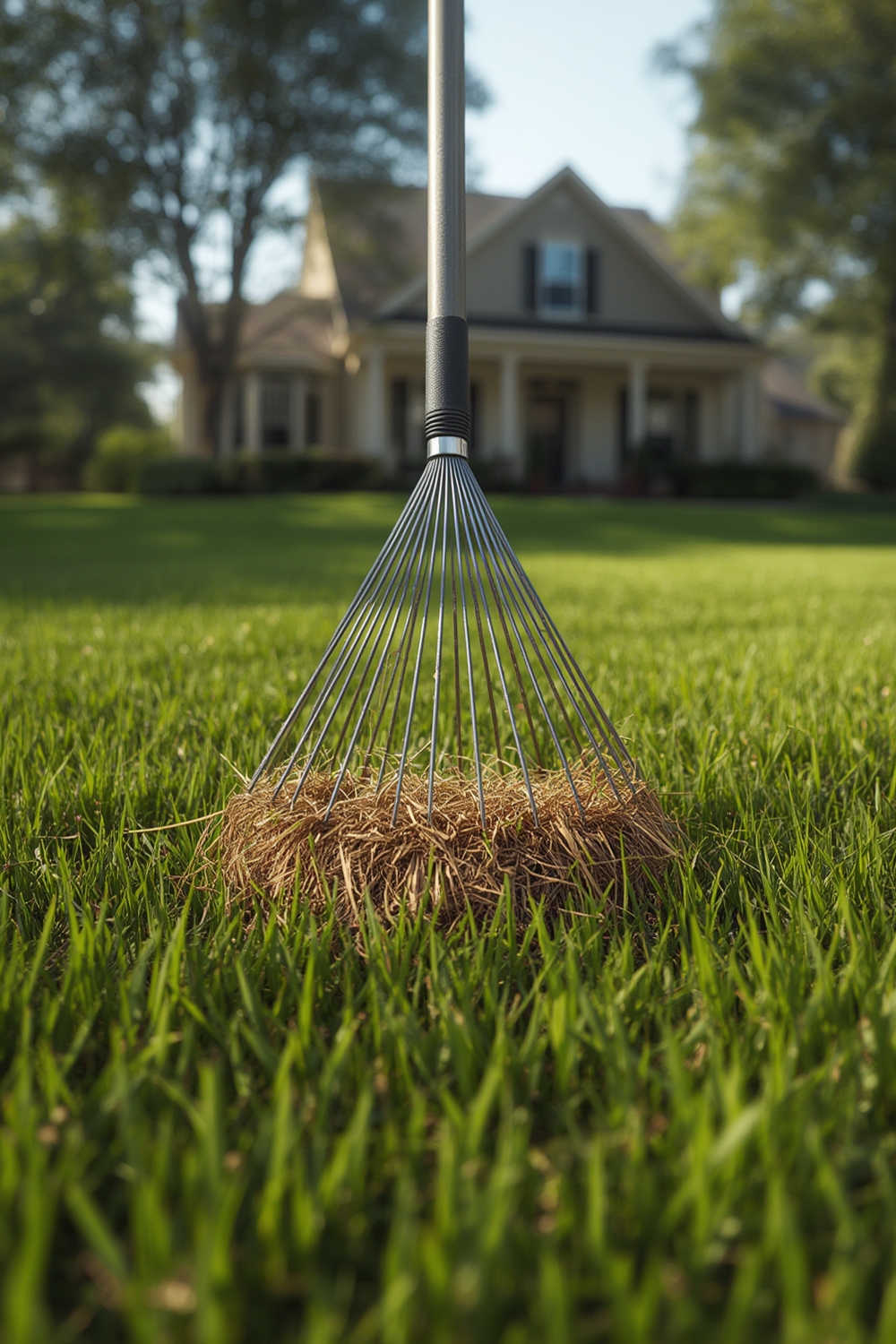
Why dethatch? A light layer of thatch protects and insulates roots. Too much (over ½ inch) traps water and fertilizer on top, starving roots below. Dethatching rakes let you manually break up this layer, improve air and water flow, and prep the lawn for overseeding or fertilizing.
While dethatching rakes are most effective on small to medium lawns, they have their limits. If you’re interested in other efficient garden tools for surface-level weed and debris control, check out our Hula Hoe Tool Complete Guide and the Ultimate Stirrup Hoe for Weeding.
Step-by-Step Guide: How to Use a Dethatching Rake for Healthier Lawns
Using a dethatching rake is straightforward, but success is all about timing and technique. Here’s the process to follow for the best results:
- Mow short. Mow your lawn to 1–1.5 inches before start. This exposes the thatch layer and allows the rake to dig deeper.
- Check thatch thickness. Use a trowel or spade to remove a grass plug. If the brown spongy layer is over ½ inch, dethatching is warranted.
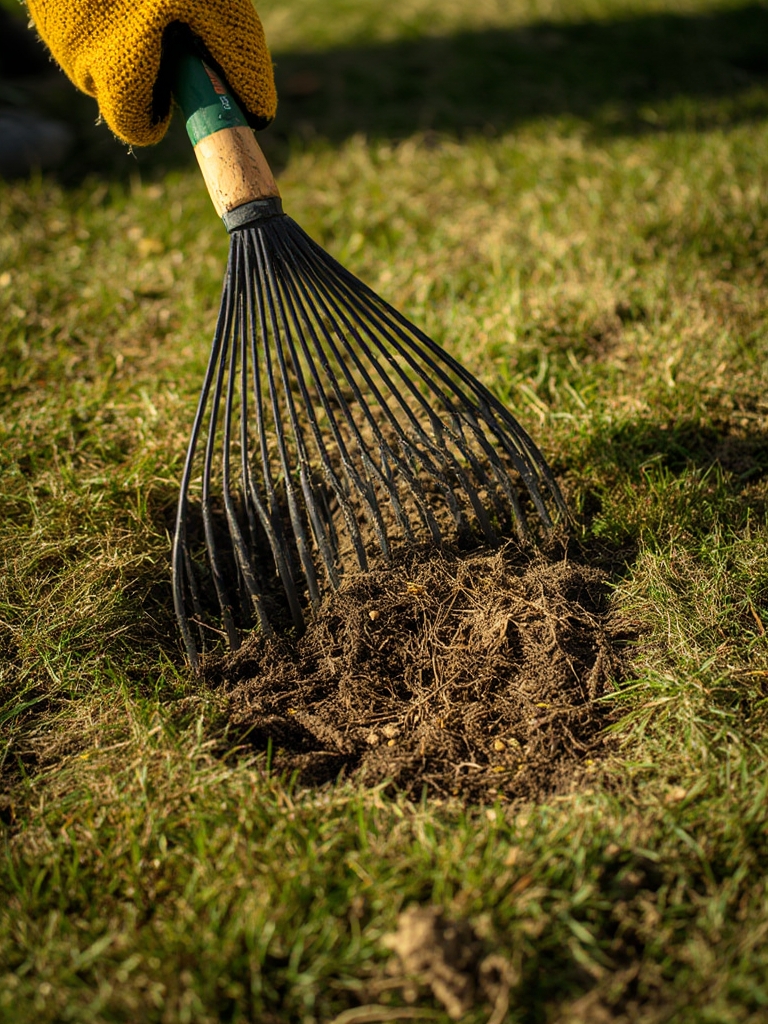
- Rake with purpose. Stand the rake tines aggressively into the turf and pull toward you. Cover each section in passes from two angles for uniform removal.
- Collect debris. Rake up and remove all pulled thatch—don’t leave it to smother healthy grass.
- Water and feed. After dethatching, water the area well and apply a balanced fertilizer or overseed, as new bare spots may show.
If you discover your lawn has major leveling needs after dethatching, see our expert guide on using a lawn leveling rake.
Looking for electric or battery-powered alternatives to manual raking? Find in-depth comparisons in our Electric Garden Tools Buying Guide.
Advanced Analysis & Common Pitfalls
Dethatching rakes aren’t a magic fix for all lawns. Here are the most realistic problems and user frustrations, based on available research and reviews:
| Problem | Details & Why It Happens | Source / More Info |
|---|---|---|
| Ineffective on deep thatch | Manual or electric dethatching rakes often skim only the surface, leaving thick, deep thatch layers untouched. Only heavier-duty commercial machines or professional aeration can address these deeply embedded mats. | YouTube: Dethatcher vs Power Rake |
| Exhausting to use | Dethatching by hand is extremely labor-intensive, especially on anything beyond a small yard. It’s commonly described as “hard work no matter what.” | Walmart User Reviews |
| Design issues | Some dethatcher attachments have confusing instructions and a poor fit for mower bags, leaving piles of debris everywhere. | Home Depot User Reviews |
| Performance disappointments | Users report variable results compared to marketing claims, especially on thick lawns or with cheaper, lightweight rakes. | TractorByNet Lawn Dethatcher Forum |
It’s essential to set your expectations. If your thatch layer is dense and several inches thick, a manual dethatching rake will likely be insufficient. Consider professional power raking or core aeration instead, particularly for older or intensively used turf—see organic lawn fertilizer strategies for recovery.
If your lawn is primarily clover or drought-tolerant grass, you may want to rethink dethatching entirely; read our guides on clover lawn or drought-tolerant grass solutions before proceeding.
Conclusion
Dethatching rakes are a worthwhile addition to any lawn care toolkit—for the right lawn, used at the right time. They help manage surface debris and minor thatch, but don’t expect miracles on dense, old lawns. If your thatch exceeds half an inch, a dethatching rake may help as one part of a broader maintenance routine.
For more guidance on choosing and using a dethatching rake—and for alternatives that truly fit your lawn’s unique needs—explore our in-depth tool and lawn care guides. Ready to tackle your turf? Start with proper prep and realistic goals for a healthier, greener yard.
Frequently Asked Questions
What is the main difference between a dethatching rake and a regular garden rake?
A dethatching rake has sharp, rigid blades or tines designed to dig and rip out thatch—dead grass and debris in the lawn. Regular garden rakes are only for leaves and loose debris; they can’t penetrate the lawn mat like dethatching rakes can.
Can a dethatching rake harm my lawn?
Yes, if you dethatch too aggressively or during high-stress periods (peak summer heat or drought), you can damage healthy grass. Always dethatch when your lawn is actively growing—usually early spring or fall for cool-season grass, late spring for warm-season grass.
Do dethatching rakes remove moss?
They can help by ripping up surface moss, but they don’t solve the underlying issues (shade, compaction, acidity) that cause moss. Long-term control may need other strategies. For more powerful weeding, see our Stirrup Hoe Guide.
Are electric dethatchers better than manual rakes?
Electric dethatchers save labor and work well on mid-sized lawns, but user reviews show they rarely address deep thatch. Manual rakes give you more control for small areas.
What are power rakes and when should I use one?
Power rakes are heavy-duty machines that remove more material, including thick or matted thatch, but they can be expensive and overly aggressive for young or delicate lawns. Several reviews report better surface results with commercial units only. For spot solutions, stick with a dethatching rake.
