

Garden frost protection is critical for any gardener who wants to save plants from sudden cold snaps. Even a single unexpected frost can ruin months of hard work—if you don’t act fast and choose the right protection method, your favorite vegetables, flowers, and shrubs may not recover. This guide offers practical, research-backed steps so you can defend your garden from freezing temperatures with confidence.
Key Takeaways
- Frost cloths and covers offer effective, affordable garden frost protection when used correctly—be sure to prevent direct contact with plant foliage and anchor securely.
- Most damage comes from improper use: covers touching plants, poor anchoring, or failing to remove covers each morning.
- DIY options like old sheets, blankets, or cardboard boxes can work for short cold snaps but may lack durability and breathability compared to commercial frost cloths.
- Understanding Garden Frost Protection
- How to Protect Your Garden from Frost: Step-by-Step
- Real-World Challenges & Pitfalls
- Conclusion & Next Steps
- Frequently Asked Questions
Understanding Garden Frost Protection
Garden frost protection means shielding your plants from temperature drops that reach or fall below 32°F (0°C). When this happens, frost forms on plant tissue, damaging leaves, blossoms, and even killing roots in severe cases. Common solutions include using frost cloth, fleece, cold frames, and floating row covers—which trap heat rising from the ground, preventing it from escaping and keeping the plant’s microclimate above freezing.
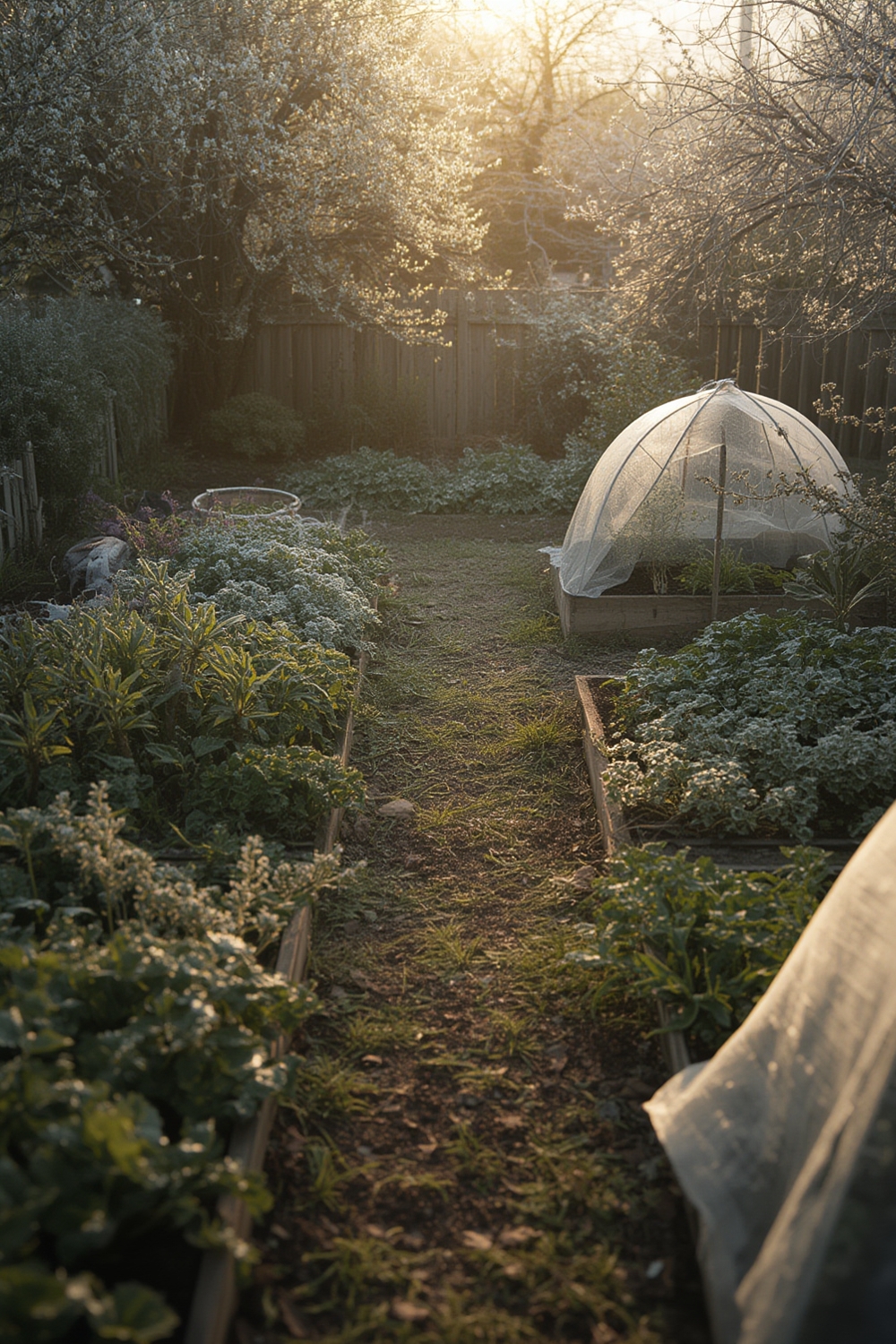
The idea is simple—if you can block out cold air while letting soil heat radiate upward, plants stay safe. Frost cloth, specially designed to be lightweight and breathable, is superior to plastic because it prevents moisture buildup and suffocation. Extension services recommend covering plants at dusk and removing covers in the morning to avoid overheating and ensure air flow.
For a detailed orientation on plant-friendly garden innovations, explore garden shade cloth advantages.
How to Protect Your Garden from Frost: Step-by-Step
Protecting plants when frost is predicted doesn’t have to be complicated. Here’s a proven, practical routine for home gardeners:
- Monitor Weather Closely: Set up alerts for frost warnings. A dip below 33°F (0.5°C) means it’s time to take action—especially in USDA Hardiness Zones 3–8, which are most at risk.
- Choose Your Cover: Invest in commercial frost cloth, garden fleece, or repurpose old sheets, blankets, or even cardboard boxes for short-term emergencies. Avoid plastic unless you have no other option, as it can trap moisture and suffocate plants.
- Install Supports: Place stakes, hoops, or frames around your plants. Drape your frost cloth or makeshift cover so it does not touch plant foliage (contact can lead to frostbite where the material rests on leaves).
- Anchor to the Ground: Extend the cloth all the way to the soil to trap earth heat. Secure every edge with rocks, bricks, pins, or heavy soil so wind won’t blow it off.
- Water Early in the Day: Moist soil holds heat better than dry soil. Water your plants’ roots in the morning to maximize stored warmth overnight. Avoid watering in the evening, which can make roots cold.
- Remove Covers Each Morning: As soon as temperatures rise above freezing and sunlight appears, remove the protection to let air and light circulate. This prevents fungal growth, overheating, and suffocation.
- Repeat as Needed: Return the covers whenever a new frost warning is issued, always using dry mulch for extra insulation if desired.

Floating row covers installed over flexible garden hoops, or even a lightweight DIY cold frame using recycled window panes, offer semi-permanent protection for entire veggie beds. For detailed advice on other durable garden tools, see our hula hoe tool guide and stirrup hoe review.
Real-World Challenges & Pitfalls
Not all garden frost protection plans are foolproof. Here’s what gardeners struggle with most, according to research and expert guidance:
- Poor Securing: Flimsy covers blow away in wind. Always use heavy items or pins to anchor every edge.
- Material Touches Foliage: Direct contact between frost cloth (or any cover) and leaves can actually damage plants just as badly as the frost itself. Always support covers with stakes or hoops.
- Forgetting to Remove Covers: Leaving covers on through the day can suffocate or cook your plants, especially under sunlight.
- Wet Mulch: Soggy mulch conducts cold to roots, instead of insulating them. Use only dry mulch when adding as an extra buffer.
- Improper Material Selection: Some covers (like plastic) don’t breathe and can cause rot or fungal growth. Only use breathable cloth or fleece for repeated use.
Comparing Garden Frost Protection Solutions: Cost, Durability, and Usability
| Solution | Average Cost | Durability | Breathability | Light Transmission | Reusable? | Comments |
|---|---|---|---|---|---|---|
| Commercial Frost Cloth | $$ | High (2-5 Seasons) | Excellent | Moderate (50-85%) | Yes | Best for regular use; resists mold if stored dry. See expert advice |
| Bedsheets/Blankets | Free–$ | Low | Good | Low | Maybe (Fragile) | Good for short cold snaps; can get heavy when wet. |
| Plastic Sheeting | $ | Medium | Poor | High (Clear only) | No | Use with caution—can cause sweating and plant rot. See more DIY tips |
| DIY Cloches (Bottles/Jugs) | Free–$ | Medium | Fair | Moderate | Yes | Great for seedlings; ensure venting for air flow. |
| Hay/Straw Mulch | $ | Low/Medium | N/A | N/A | No | Works best as supplemental insulation; keep dry. |
For zone-specific advice, keep in mind that when your local forecast predicts a low below 33°F, act regardless of zone—soil and plant types (especially tender annuals) play a large role in individual risk. Discover more alternatives for garden soil health in our mulch alternatives guide.
Some advanced solutions, like hoop houses or row cover tunnels, offer not just frost protection but enable early planting or extend your season. For automating your watering during unpredictable cold spells, check out smart solutions like smart irrigation controllers or learn about garden drip irrigation benefits.

Conclusion & Next Steps
Effective garden frost protection comes down to acting quickly, choosing suitable materials, and using them the right way. Avoid direct contact between covers and plant foliage, anchor everything securely, and always remove covers for air and sun in the morning. Simple routines and proven materials can save your garden from even the harshest frosts. For deeper protection strategies or smarter garden upgrades, browse our related guides on companion planting and soil moisture sensors. Don’t wait for the next cold snap—start your own garden frost protection system today and safeguard your growing season.
Ready to strengthen your garden defenses? Subscribe for new tips or visit our product reviews for the best frost cloths and essential garden setup advice!
Frequently Asked Questions
What temperature requires garden frost protection?
Most plants need protection when night temperatures are forecast to reach 32°F (0°C) or just below. Tender annuals and young transplants may be damaged at slightly higher temperatures, so act if a frost warning is issued in your area.
Can I use plastic sheeting instead of frost cloth?
Only as a last resort. Plastic traps moisture and does not breathe, leading to plant suffocation or rot. If used, make sure it does not touch the plants and is removed as soon as the sun rises.
How should I anchor my frost cover material?
Use rocks, bricks, landscape pins, or heavy soil to secure all the edges of your cover to the ground. This prevents wind from blowing your covers off during the night.
Is it okay to leave covers on all day if more frost is expected?
No—leaving covers on in sunlight can trap too much heat, leading to wilt or fungal growth. Remove in the morning, then re-cover before the next evening’s frost.
What’s the best affordable DIY frost protection?
Old bedsheets or cardboard boxes provide quick emergency protection. DIY cloches made from milk jugs or soda bottles are great for seedlings. However, invest in breathable commercial frost cloth for long-term, repeated use.
