

Soil moisture sensors are revolutionizing the way homeowners and gardeners manage irrigation, making it easier to boost plant health and save water in 2024. Whether you’re growing vegetables or maintaining a healthy lawn, getting precise data on when to water can save time, prevent overwatering, and help conserve resources.
Key Takeaways
- Soil moisture sensors are a cost-effective, actionable way to optimize watering and reduce waste.
- Most current data and market reports focus on commercial use—home garden users should be aware of practical reliability and maintenance needs.
- Wireless sensors, mobile app integration, and smart controllers are trending, but real-world setup and durability details remain underreported.
- The Core Concept: What Are Soil Moisture Sensors and Why Do They Matter?
- Step-by-Step Guide: How to Choose and Use Soil Moisture Sensors at Home
- Advanced Analysis & Common Pitfalls
- Conclusion: Making the Most of Soil Moisture Sensors
- Frequently Asked Questions
The Core Concept: What Are Soil Moisture Sensors and Why Do They Matter?
Soil moisture sensors are electronic devices that measure the amount of water in your soil. By reading soil moisture content, you can automate irrigation, avoid water waste, and ensure healthier plant growth. Unlike guessing whether soil “feels dry,” these sensors give clear, numeric feedback to trigger watering systems or guide manual action.
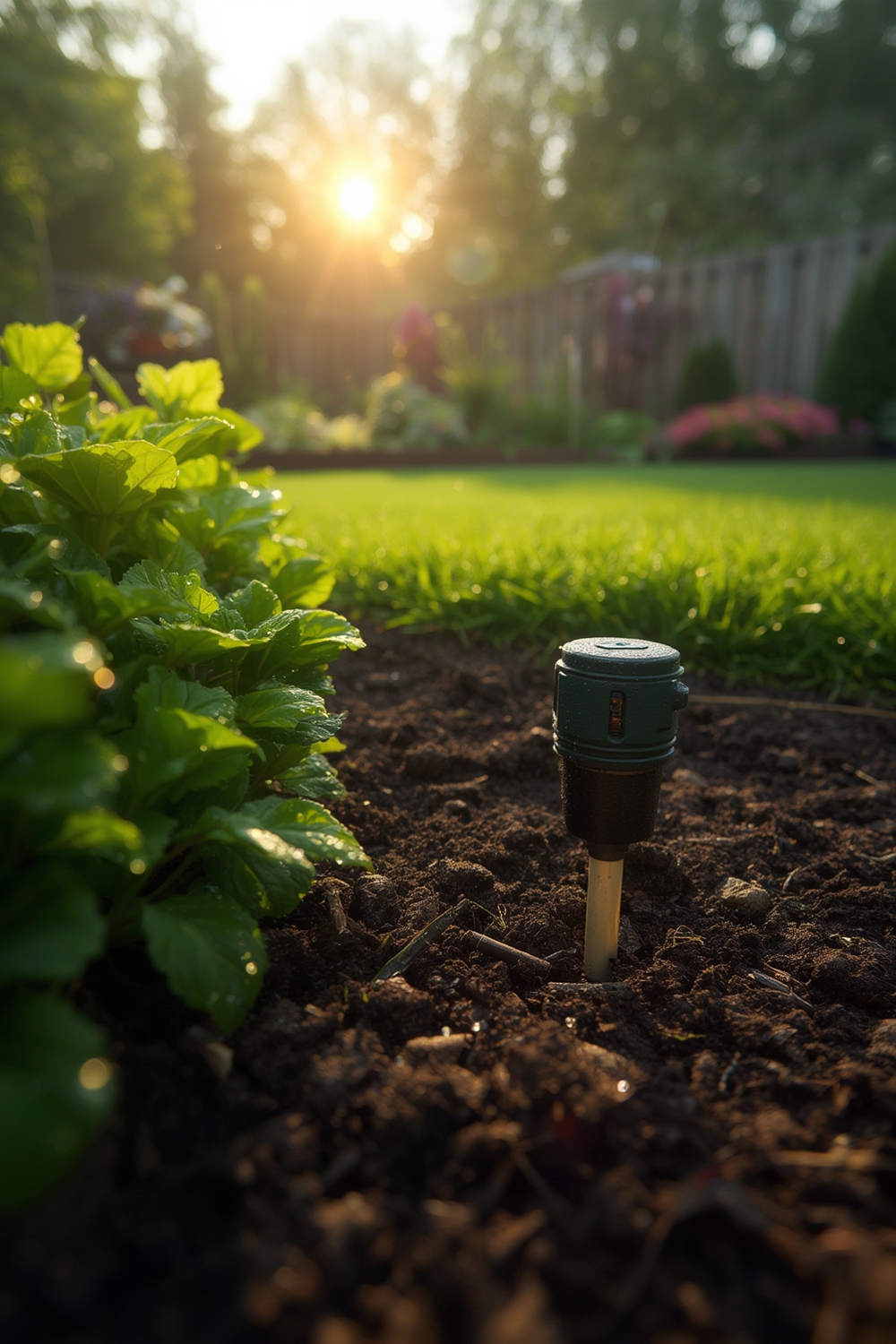
In 2024, adoption is skyrocketing. The global soil moisture sensor market is valued between USD 300 million and USD 371 million. Driven by water scarcity concerns and advances in sensor technology, major regions like North America now hold over 40% of market share, especially as precision irrigation and environmental legislations ramp up.
Why does this matter for homeowners? Accurate irrigation can save the average household over 15,000 gallons per year—according to the EPA’s WaterSense program—as well as avoid root diseases and fungal issues caused by overwatering. Soil moisture sensors bring science into your backyard.
For those interested in maximizing water efficiency across their entire yard, pairing sensors with a smart irrigation controller is a proven approach.
Step-by-Step Guide: How to Choose and Use Soil Moisture Sensors at Home
Getting started with soil moisture sensors is straightforward if you follow a few practical steps. Here’s how to do it right the first time:
- Assess Your Garden’s Needs. Map out sunny, shaded, and high-value zones. Decide if you want a spot-check meter or a permanently installed sensor for full automation.
- Research and Select the Sensor Type. Most residential options use capacitive or resistive technology. Capacitive sensors are less prone to corrosion and are usually more durable. Wireless, app-enabled models offer convenience if you want hands-free data.
- Check Compatibility. If you plan to connect your sensor to a smart irrigation controller, double-check compatibility. Not all sensors work with all systems.
- Prepare the Installation Area. Sensors should be installed at root level—usually 3 to 6 inches deep for lawns and up to 12 inches for shrubs or raised beds. Remove rocks or debris to ensure consistent readings.
- Install and Secure. Insert the probe at the required depth and ensure it’s in contact with soil—not air gaps. For wireless sensors, select a location within Wi-Fi range or near a reliable signal.
- Connect to Your System. Link sensor output to your irrigation controller, app, or home automation platform. Program watering thresholds based on recommended soil moisture percentages for your plant type.
- Monitor and Adjust. Let your system run for at least a week before making changes. Note how sensor data tracks with plant health and soil appearance, and tweak watering cycles accordingly.
- Routine Maintenance. Inspect and clean probes every few months, especially if your water is mineral-rich or the soil is heavy clay. Replace batteries or check solar panels as needed for wireless models.
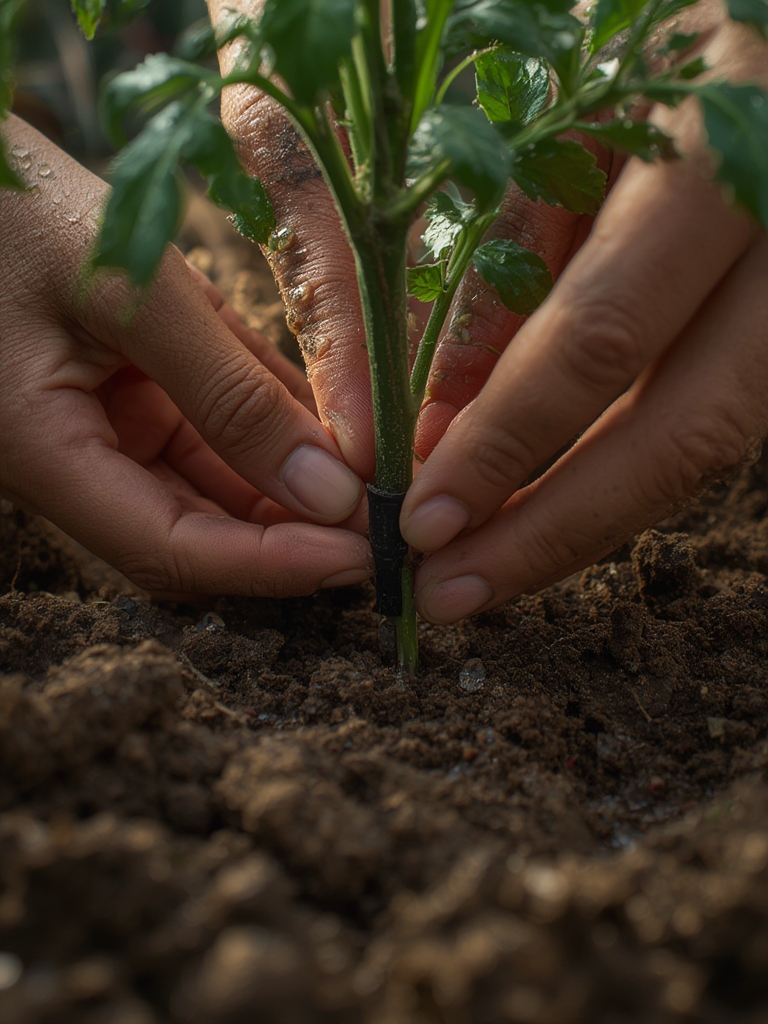
If you’re seeking related garden solutions, using mulch alternatives can help stabilize moisture, reducing the frequency your sensor-based irrigation will need to trigger. For more on this, see our mulch alternatives guide.
Looking for further garden tech upgrades? Explore the benefits of drip irrigation systems for even, targeted watering.
Advanced Analysis & Common Pitfalls
Soil moisture sensors add measurable value, but several pitfalls can limit results for home gardeners:
- Power Supply Risks: Wireless models in remote garden beds rely on batteries or solar power—both can fail in shaded “out of the way” spots, leading to lapses in data or irrigation.
- Calibration Drift: Inconsistent calibration or lack of recalibration over time can cause sensors to report inaccurate readings. Most homeowners rarely recalibrate after installation.
- Soil Variability: Rocky, sandy, or clay-heavy soils may skew results. Some sensors work better in uniform, loam-rich environments. Results can be off in multi-zoned yards.
- Connectivity Issues: Smart home integration is only as good as your Wi-Fi network. Outages or weak signal zones may interrupt automated watering.
- Maintenance Burden: High-accuracy sensors may require regular cleaning, firmware updates, or even software troubleshooting—time-consuming for hands-off users.
| Feature | Basic Model | High-Accuracy Model |
|---|---|---|
| Typical Use | Manual spot-checks | Permanent, automated |
| Calibration Required | Rarely | Annually or after firmware |
| Power Source | Manual/none | Battery/solar/wired |
| Connectivity | None or basic display | Wi-Fi/Bluetooth/app |
| Typical Home Cost | $10–$30 | $50–$150+ |
| Pitfalls | Manual error, breakage | Maintenance, complexity |
Research reports and market analyses focus on commercial applications. For homeowners, the biggest knowledge gaps are:
- Lack of published, peer-reviewed sensor accuracy testing.
- Little long-term data on field reliability or lifecycle.
- Vague calibration and installation instructions for DIYers.
See authoritative market figures at Straits Research and a deeper dive on technical constraints at Profshare Market Research.
If you want lower-maintenance garden beds, consider alternatives like a clover lawn that stays healthy with less irrigation control.
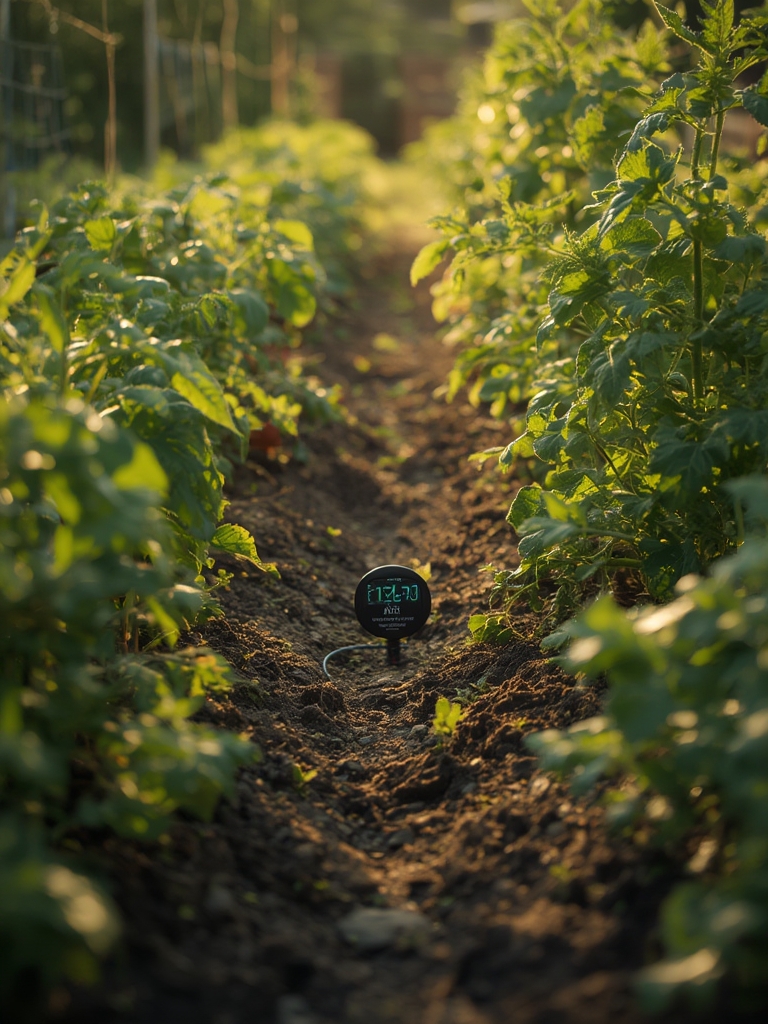
Conclusion: Making the Most of Soil Moisture Sensors
Soil moisture sensors deliver measurable water savings, smarter plant care, and hands-off convenience—soil moisture sensors are now essential for tech-savvy gardeners and eco-conscious homeowners. However, understand real-world challenges: installation, calibration, and ongoing maintenance need honest attention. Take time to select the right system, calibrate it, and keep up with simple care, and you’ll see results in both healthier plants and lower utility bills.
Want to get more from your smart garden? Start by reviewing your irrigation setup, or check our in-depth guides to companion planting and garden shade cloth for further ways to improve water efficiency and plant resilience. Take control of your watering and let smart technology do the work—your plants (and your wallet) will thank you.
Frequently Asked Questions
Do soil moisture sensors work with all soil types?
Most sensors measure moisture reliably in loamy soil. In very sandy or clay-heavy soils, readings can be less accurate. It’s important to calibrate based on your soil type for best results.
How often do I need to replace or recalibrate a soil moisture sensor?
Basic models may last a season or two. High-accuracy sensors usually require recalibration at least once a year or after major software updates. Always inspect and clean probes regularly.
Can I use soil moisture sensors with manual watering?
Yes! Many models display instant readings, which can guide you when watering by hand. You don’t need an automated irrigation system to benefit from moisture data.
What are the biggest pitfalls for beginners?
Improper installation depth, failure to calibrate, and letting wireless sensor batteries die are the most common missteps. Start simple and check your results before automating everything.
Are soil moisture sensors suitable for indoor plants?
Certain smaller models are designed for indoor houseplant pots. Check size, compatibility, and range before buying for indoor use.
