

Garden drip irrigation is one of the most efficient ways to water your plants, dramatically reducing waste compared to traditional sprinklers. In 2024, this method is saving more water than ever and gaining traction among home gardeners focused on sustainability and smarter gardening. But is it right for your backyard, and what challenges should you expect along the way? This guide covers what you need to know—without sugarcoating the pitfalls.
Key Takeaways
- Drip irrigation delivers up to 50% water savings and near 100% efficiency by targeting plant roots directly.
- Setup can be complex, and clogging from minerals and dirt is a real, ongoing maintenance concern.
- Technological advances like pressure-compensating emitters and smart controllers let you automate and fine-tune your watering.
- What Is Garden Drip Irrigation (and Why It Matters)
- How to Install a Garden Drip Irrigation System
- Advanced Analysis & Common Pitfalls in Drip Irrigation
- Conclusion
- Frequently Asked Questions
What Is Garden Drip Irrigation (and Why It Matters)
Garden drip irrigation is a precise watering system that delivers water directly to the root zone of each plant using a network of tubes, emitters, and low-pressure controls. Unlike sprinklers—which lose water to evaporation, wind, and overspray—drip irrigation focuses every drop where plants actually need it.
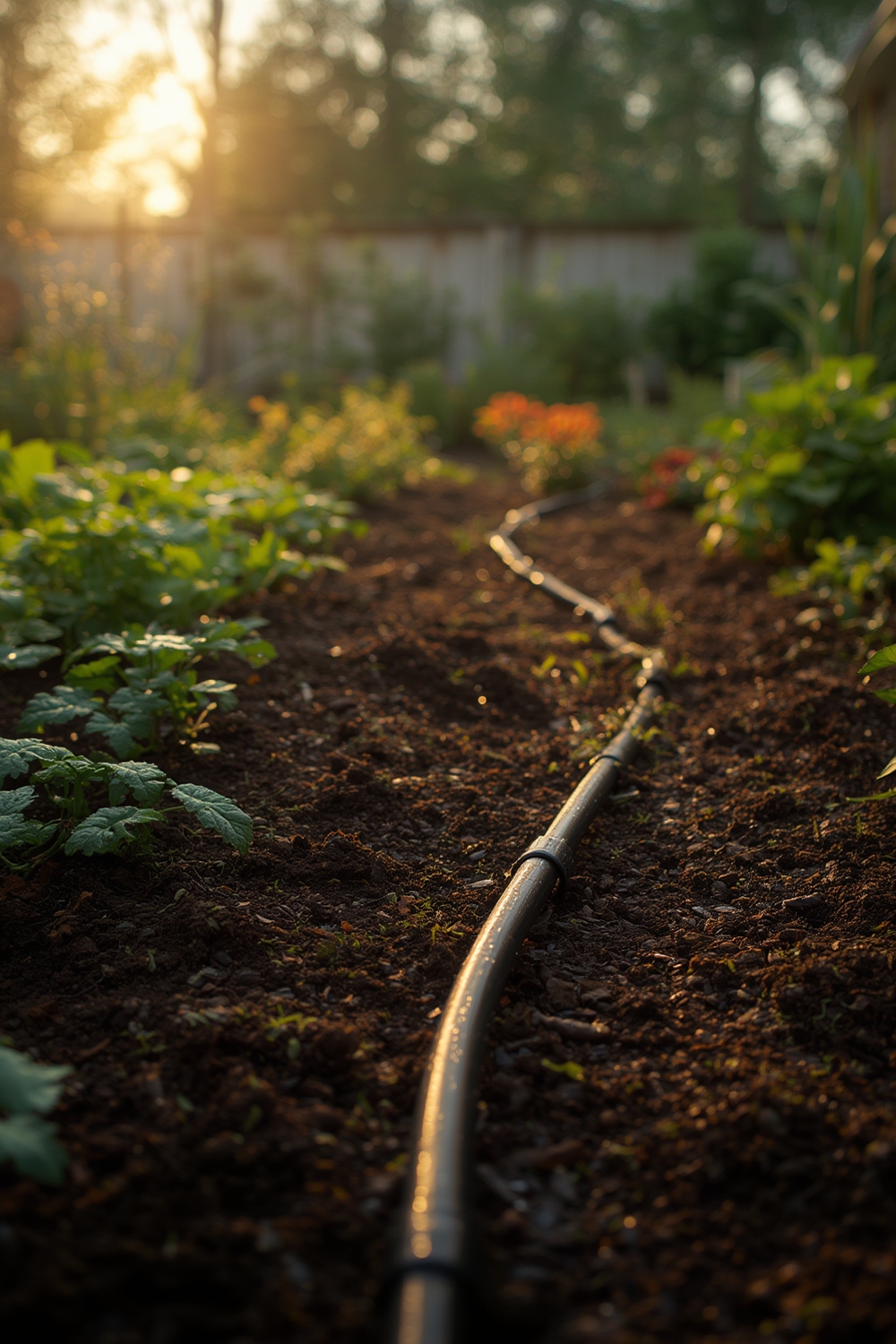
In 2024, studies show drip irrigation delivers 95-100% water efficiency, compared to 75% or less for sprinklers. That can mean up to 50% less water used on your garden beds and borders, with significant reductions in runoff and weed growth. [Source]
Efficiency aside, drip irrigation works well with a variety of garden tools and methods, making it a great complement to weeding tools like the hula hoe or stirrup hoe for better garden upkeep.
Why does this matter right now? Many regions face mounting water restrictions. Drip irrigation systems are rapidly becoming the standard because they help homeowners comply with those legal requirements—while also cutting monthly bills.
How to Install a Garden Drip Irrigation System
Installing a drip irrigation system can feel technical but is totally manageable with some prep. Here’s a step-by-step breakdown for maximum efficiency:
- Map Your Garden Zones. Sketch which beds, planters, or borders need watering. Note plant types and group similar needs together. For help with layout, see our guide on companion planting to optimize bed design.
- Choose Components. Select drip tubing, pressure regulators (8-20 psi recommended), emitters (flow rates from 0.5-2 gallons/hour), mainline connectors, stakes, and filters to catch debris.
- Measure and Cut. Lay out and cut your tubing to fit the planned routes, keeping emitters closer together for sandy soils (12 inches) or spreading out for clay (18-24 inches). This ensures even moisture regardless of soil type—a crucial step most skip!
- Connect to Water Source. Hook your mainline tube to an outdoor faucet or a dedicated irrigation valve, using a backflow preventer and filter to prevent clogging.
- Install Pressure Regulator and Timer. Attach a pressure reducer before your tubing starts. Add a smart timer (preferably with Wi-Fi or weather-based control).
- Punch in Emitters. Place emitters close to plant root zones—no closer than 6 inches to stems for vegetables or 12 inches for shrubs. For dense areas, use dripline tubing with built-in spaced emitters.
- Test Coverage. Run a short cycle, check for uniform wetting, and adjust spacing or flow rates as needed. Make sure all connections are tight and leak-free.
- Bury or Cover Tubes. Cover mainlines and emitters with mulch or lightly bury to improve appearance and reduce sun damage. This also keeps pets and kids from snagging exposed lines.
- Maintain and Monitor. Clean filters monthly, flush lines seasonally, and check emitters for blockages, especially after heavy storms or if you use well water.
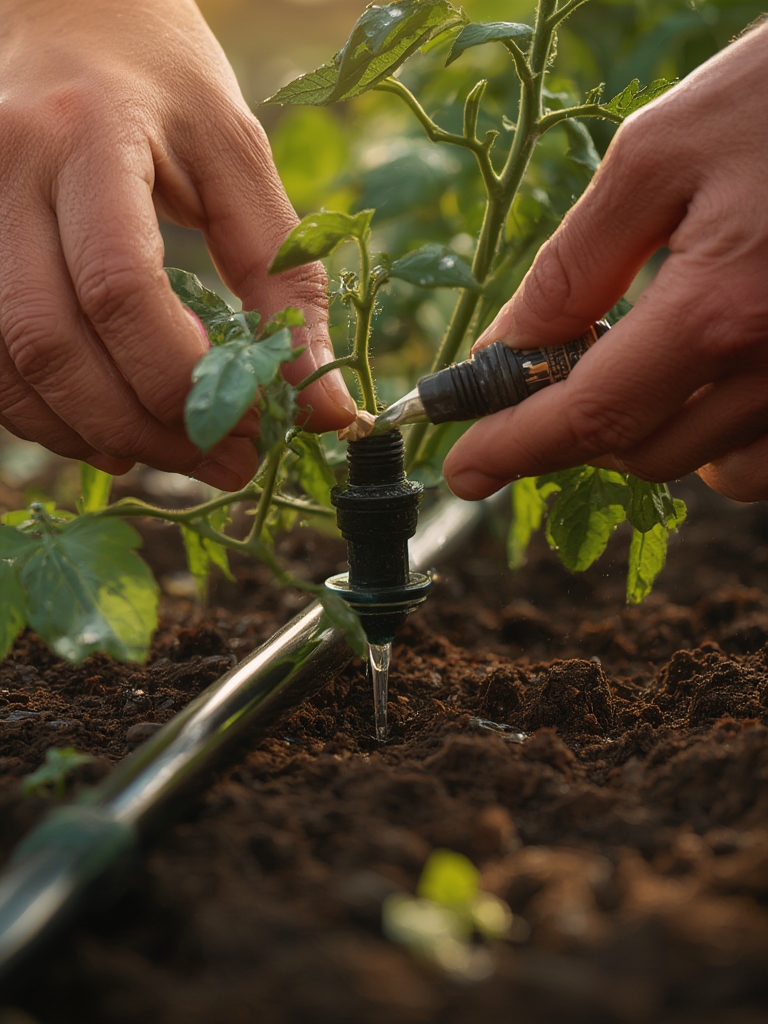
Anything automated can be made smarter—and that includes drip systems. Modern setups support smart controllers that use weather forecasts, soil sensors, and even app-based scheduling, advancing garden irrigation into the era of home automation. Voice assistants and Wi-Fi timers make it easy to fine-tune watering, especially in climates where rainfall is unpredictable.
If water conservation is a goal, consider combining drip lines with garden shade cloth or clover lawns for a next-level sustainable landscape.
Advanced Analysis & Common Pitfalls in Drip Irrigation
For all its efficiency, garden drip irrigation has real-world limitations. Here’s a breakdown of the most common issues based on homeowner experience and technical research:
- Installation complexity: Planning emitter spacing, flow rates, and routing tubes takes time—often more than with a traditional sprinkler setup. Homeowners often underestimate this phase, resulting in leaks or poor coverage. [Source]
- Clogging risk: Emitters easily clog from mineral-rich water or buried dirt. Regular filter cleaning and seasonal flushing are non-negotiable. Consider a filter if using rainwater or well sources.
- Visual impact: Above-ground tubes and emitters can look messy. Cover with mulch or run lines behind garden features for a neater aesthetic.
- Higher upfront costs: Quality tubing, pressure-compensating emitters, and timers add up. Ongoing costs include repairs and maintenance. Savings come from long-term reduced water and fertilizer usage.
- Lifespan uncertainties: Most kits do not provide a clear lifespan (expect several years with attentive upkeep), so be ready for part replacements if you’re planning for the long haul.
- Soil compatibility: Not all kits address how emitters and spacing should be modified by garden soil type. Sandy soils need closer emitters, while clay can tolerate wider spacing—fine-tune before you commit.
- Seasonal maintenance: Winterizing (draining lines) is crucial in cold climates to prevent freezing/bursting. Mineral buildup also fluctuates with the seasons.
- Smart system integration: While high-end systems are Wi-Fi/app-ready, most budget kits require manual settings. Upgrading to a smart controller pays off for hands-off maintenance and water savings.
| Feature | Drip Irrigation | Sprinklers |
|---|---|---|
| Water Efficiency | 95-100% | 75% or less |
| Clogging Risk | High (emitters/tubes) | Low |
| Setup Difficulty | Moderate to High | Low |
| Initial Cost | Higher | Usually lower |
| Seasonal Maintenance | Drain/flush required | Minimal |
| Automation Potential | High (smart systems) | Medium |
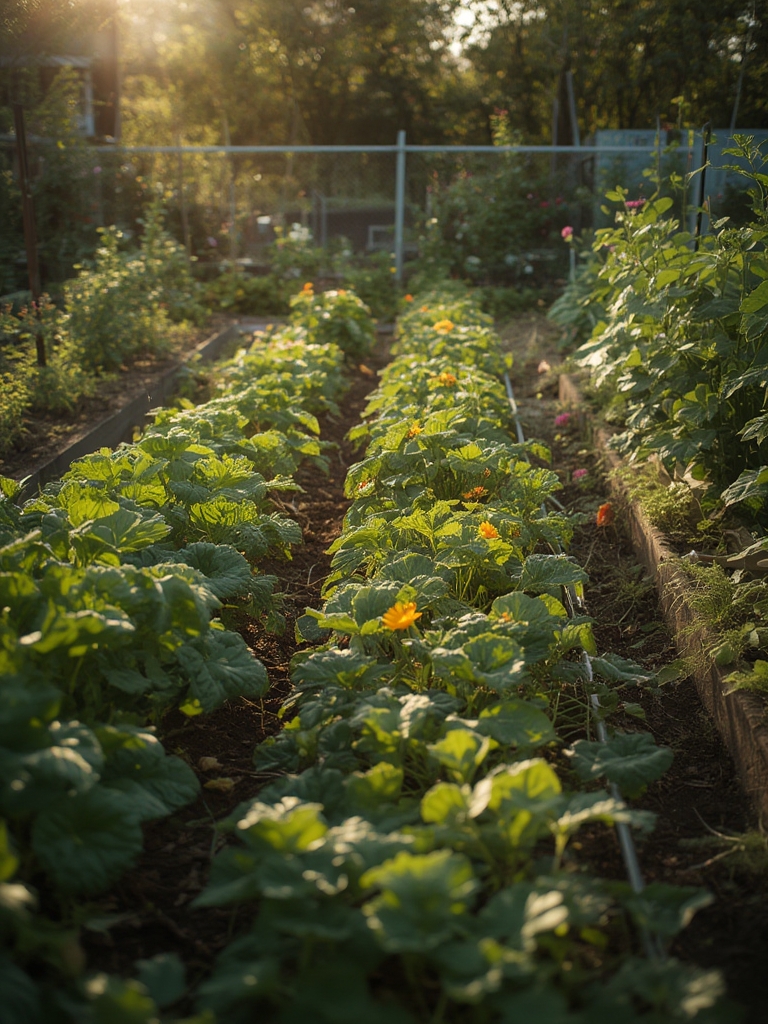
If you want to maximize the lifespan and effectiveness of your drip system, prioritize regular filter cleaning and check out innovations like pressure-compensating emitters and subsurface installation, which are outlined in this university research summary. For lawns or larger open spaces, pairing with a drought-tolerant grass may further boost water savings and reduce system strain.
On the compliance front, drip systems fit perfectly into regions with water restrictions, as cited in EPA’s WaterSense program. Drip lines handle treated wastewater or rainwater much better than sprinklers so you can keep your garden green while meeting local environmental guidelines.
Conclusion
Garden drip irrigation is the clear choice for water-conscious gardeners who don’t mind some extra setup and regular maintenance in exchange for big savings and healthier plants. Expect up to 50% less water use compared to sprinklers, but plan for a learning curve—getting the most out of your system means investing time in setup and effective upkeep.
Whether you’re starting with a small bed, integrating smart timers, or rethinking your overall garden design, garden drip irrigation can future-proof your landscape and lower your monthly bills. Ready to reduce your water waste and experience healthier plant growth? Begin your upgrade today and let your garden thrive—efficiently.
Frequently Asked Questions
How much water can I actually save with drip irrigation?
Drip irrigation typically reduces water use by up to 50% compared to traditional sprinklers, with system efficiency rates between 95-100%. Actual savings depend on your garden’s size, soil, and local climate (reference).
What are the biggest downsides to drip irrigation?
The main drawbacks are installation complexity and ongoing emitter/tube maintenance, especially clogging from dirt or hard water. The visual look of exposed tubes and higher upfront costs are also often cited as negatives.
Do I need to winterize my drip system?
Yes. In cold climates, always drain and flush your lines in fall to prevent freeze damage, and clean filters to minimize mineral buildup through the inactive season.
Are there smart controllers or timers for drip irrigation?
Yes. Many modern systems support Wi-Fi or app-based timers that automate watering schedules based on local weather data or soil moisture. Integration with smart home systems is possible with the right timer/controller hardware.
How do I avoid clogging in my drip irrigation system?
Use a filter on your main water line, flush your system seasonally, and periodically clean or replace emitters. Avoid using untreated pond or unfiltered rainwater unless you add extra filtration.
