

Planning a kitchen update? Kitchen cabinet replacement can deliver a dramatic transformation, whether you want a fresh look, improved storage, or a boost in home value. But (spoiler) costs, timelines, and pitfalls are real—so let’s break it down simply and realistically.
Key Takeaways
- Kitchen cabinet replacement costs range widely—expect anywhere from $2,200 to $24,600, depending on material, region, and installation choices.
- Replacing cabinets offers the biggest impact short of a full remodel, but beware of hidden costs and project disruptions.
- Eco-friendly options, DIY vs. pro install, and new material trends are changing how homeowners approach cabinet replacement in 2024.
- What Is Kitchen Cabinet Replacement and Why Do It?
- Step-by-Step Guide: How to Replace Your Kitchen Cabinets
- Advanced Analysis & Common Pitfalls
- Conclusion
- FAQ
What Is Kitchen Cabinet Replacement and Why Do It?
Kitchen cabinet replacement means removing your existing cabinets and installing new ones—stock, semi-custom, or fully custom. This overhaul is the fastest (and most visible) way to update a tired kitchen without changing your layout or tearing down walls. It’s a step up from cabinet refacing or painting, which only change the exterior surfaces.
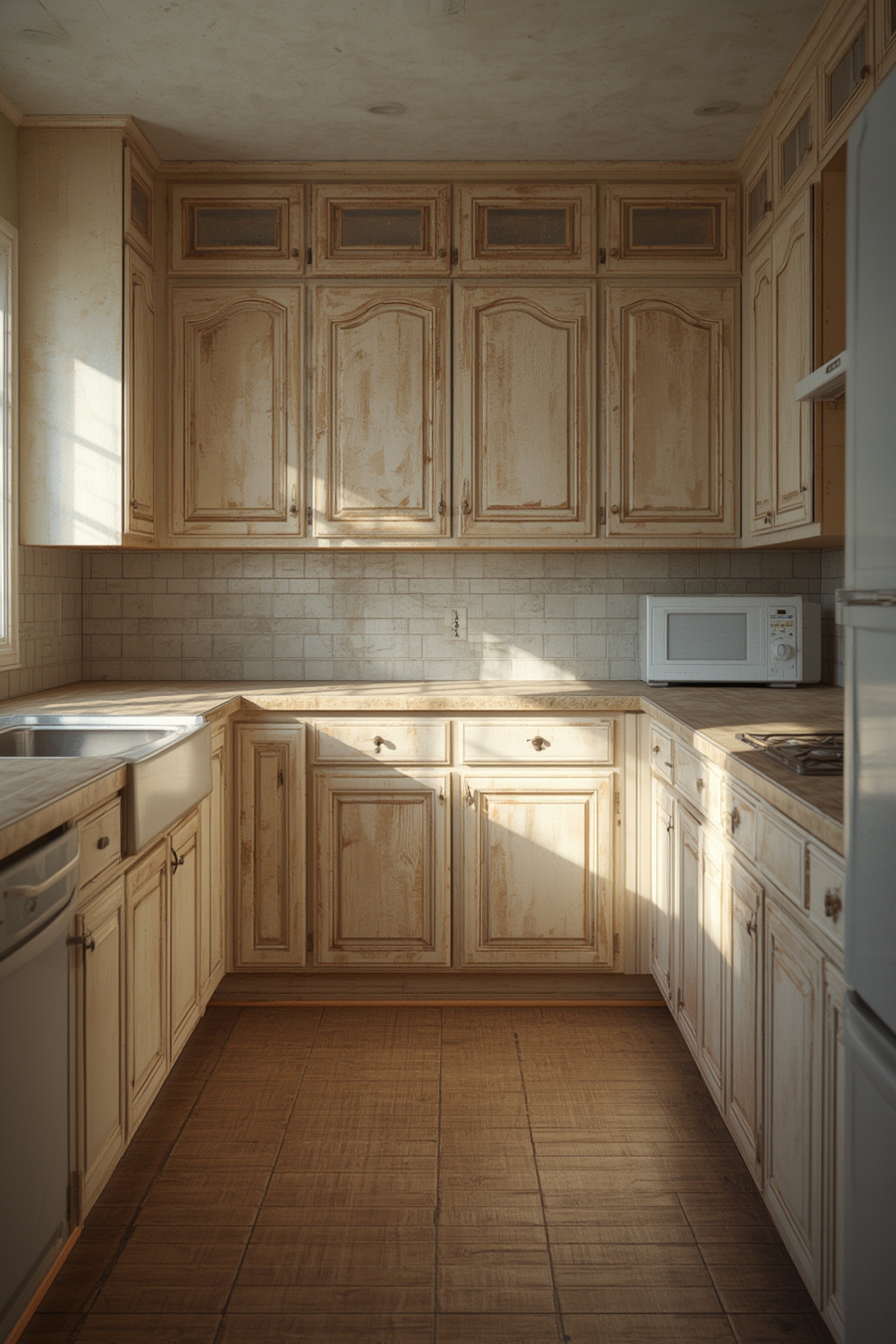
Why replace kitchen cabinets? Old boxes might be damaged, sagging, outdated, or poorly designed for today’s needs. New cabinets offer fresh styles—think fluted wood cabinets or trending two-tone looks. They also give you improved storage, upgraded functionality (like soft-close drawers), and can significantly lift your home’s resale value, often with less expense and disruption than a full remodel.
Unlike a total kitchen remodel, cabinet replacement lets you change how your kitchen looks and works, usually without moving plumbing, gas lines, or blocking off the entire space for months. It’s also more intensive (and more guaranteed in quality) than just painting or resurfacing your old cabinets—and may be the best middle-ground for most homes.
Depending on your needs, you can pick from budget stock cabinets, mid-tier semi-custom, or splurge on custom work—all will seriously freshen up your kitchen’s look and value.
Step-by-Step Guide: How to Replace Your Kitchen Cabinets
Kitchen cabinet replacement isn’t always a fast or easy project. Here’s a clear path from start to finish:
- Set Your Budget. Know the spread: Average projects range from $2,200 to $24,600. Pin down what you expect to spend, factoring in materials, labor, and surprises.
- Measure Your Space. Measure current cabinet runs, ceiling height, and any obstacles (appliances, windows, doors). For most homes, a 10×10 kitchen replaces about 20 linear feet of cabinets.
- Choose Cabinet Type & Material. Decide: stock (cheapest), semi-custom (more options), or full custom (total control). Materials affect price and durability—wood veneer, laminate, solid wood, or even metal. See this analysis of cabinet materials and costs for fresh insight.
- Order Cabinets. Lead times vary. Stock cabinets may arrive in a week. Custom options could take 8-12+ weeks. Double check details and finishes before ordering.
- Plan for Removal/Prep. Empty cabinets, clear countertops, and protect floors. Know that removal makes most kitchens unusable for at least a few days.
- Remove Old Cabinets. Unscrew boxes from walls, remove molding. Patch walls where needed—especially if boxes were glued or old.
- Install New Cabinets. Pros start with the uppers (for safety), always level and secure units. Add fillers or trim for perfect fit, and double check all lines/alignments.
- Adjust Hardware & Doors. Adjust hinges, add hardware, and ensure drawers run smoothly. Fix any dings or marks before final cleanup.
- Final Touches & Clean Up. Reinstall appliances, caulk seams, and deep clean everything before loading dishes back in.
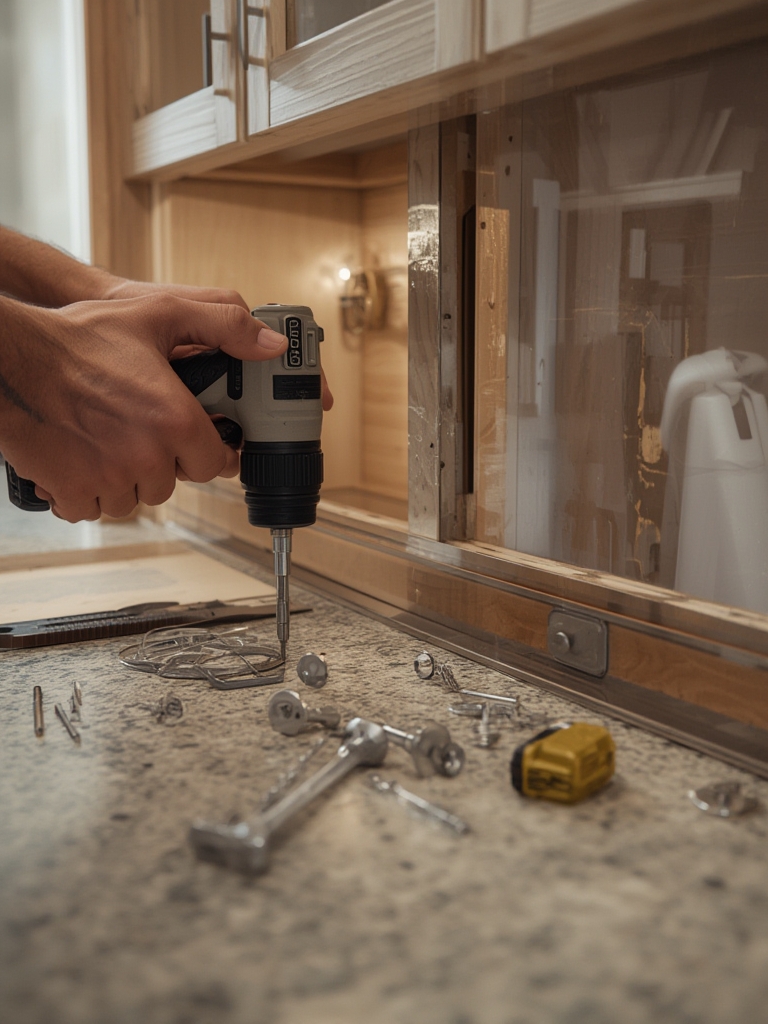
For more DIY upgrades, explore options like painting furniture or staining wood furniture to coordinate with your new kitchen style.
And if you want to extend your remodel, you can also pair your kitchen update with overlapping projects—think energy efficient home upgrades or sustainable building materials.
Advanced Analysis & Common Pitfalls
Reality check: Cabinet replacement isn’t always smooth. Below are the biggest pitfalls most homeowners face, with cost surprises topping the list.
| Decision Factor | Common Pitfall | Expected Impact |
|---|---|---|
| Poor Measurement | Ordering cabinets that don’t fit (even 1/4 inch off can derail) | Delays, costly re-order, extra install/trim labor |
| Underestimating Costs | Missing costs for demo, disposal, trim, plumbing, or mold repair | Unexpected $1,000–$3,000 in “extras” |
| DIY Overreach | Assuming installation is simple when it needs tools, skills, and brawn | Wobbly cabinets, poor finish, possible safety risks |
| Supply Delays | Cabinets damaged or late, especially with custom orders | Project stalls for weeks |
| Old Wall Surprises | Finding hidden water damage or uneven walls after demo | More wall work, higher labor costs |
Region and installer type heavily impact budget swings. In the Pacific region, a midrange kitchen remodel is about $82,810, while in the South Atlantic it’s roughly $78,153. Labor costs in major cities (New York, Los Angeles) are notably higher than in smaller towns.
Material choice matters: laminate is cost-effective but doesn’t always age well, solid wood is beautiful but more expensive. Metal cabinets are trending in some designer homes but add serious cost.
Warranty, certifications, and installer skills are another risk point. Not all installers are certified or offer real guarantees, and the research shows many articles skip details on professional standards (see cost breakdowns here).
Sustainability? Bamboo and reclaimed wood are in demand for eco reasons—read about sustainable building trends influencing modern cabinet designs. Low-VOC finishes are a must for better air quality.
Conclusion
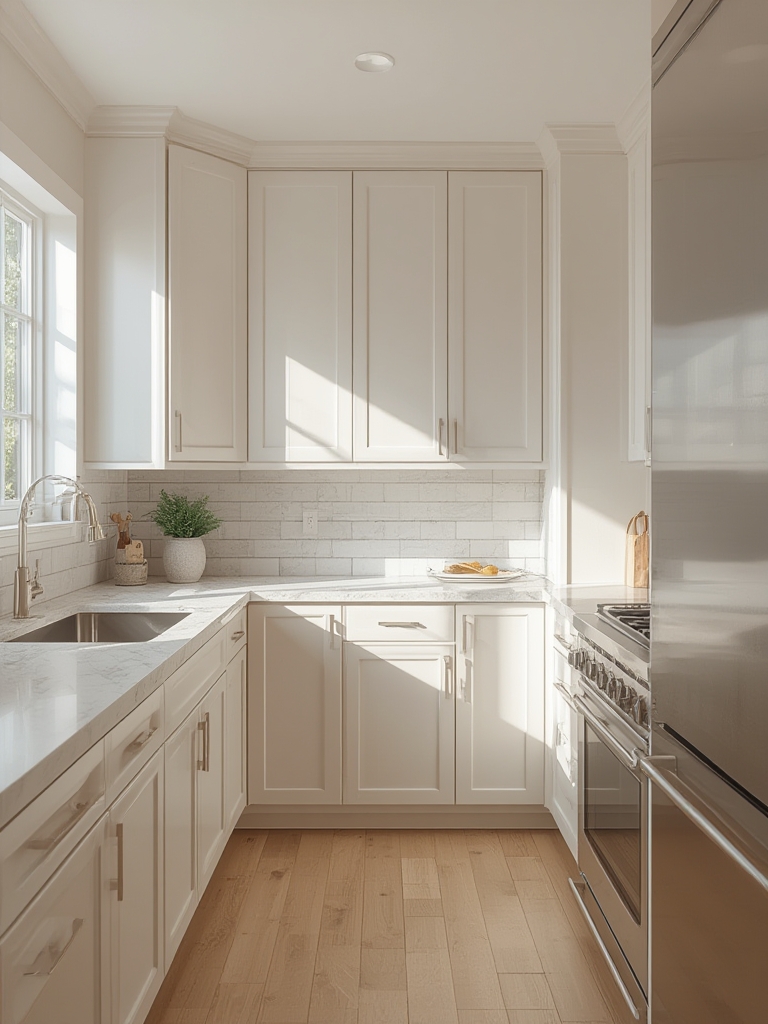
Kitchen cabinet replacement can deliver maximum value and a visual facelift—without needing to gut your entire kitchen. Just remember: expect a broad cost spectrum, realistic disruption, and a few surprises behind old cabinets. When planned well, it’s the fastest path to impressive results short of full renovation.
Ready to take the plunge on kitchen cabinet replacement? Start by bookmarking this guide, outline your budget, and explore material options that fit your goals—and don’t forget to line up a proven professional installer or brush up your DIY skills!
FAQ
How much does kitchen cabinet replacement typically cost?
Costs vary from $2,200 for basic stock cabinets to $24,600 or more for premium materials and pro installation. Most projects for a standard kitchen fall around $8,200. Your region and material choice make a big difference. See more details on average costs here.
Should I hire a professional or try to replace cabinets myself?
If you have experience with carpentry and home improvement, DIY can save on labor (often $2,000 to $5,000). But mistakes in measurement, leveling, or support can be costly. For most homeowners, professional installation delivers better results and includes a workmanship warranty. See this analysis on labor costs for context. If you want to replace cabinets yourself, make sure you have proper tools and understand the installation process.
How long does kitchen cabinet replacement take?
The removal and installation phase usually takes a few days to one week for a pro team, though lead times for new cabinets (especially custom) can add months. Always pad your schedule for order delays and possible wall work after demo.
Is refacing or painting a better option than full cabinet replacement?
Refacing or painting is less expensive and faster if cabinet boxes are solid and you like your kitchen layout. Replacement is best if your existing boxes are damaged, outdated, or you want upgraded features and a fresh style—especially if you plan to sell your home.
