

Planning a budget bathroom remodel requires realistic expectations and a clear action plan. Costs, mistakes, and value vary by region and project type, so understanding these details is critical if you want a fresh look without overspending.
Key Takeaways
- Budget bathroom remodel costs commonly range from $3,000 to $12,000 for small bathrooms, but location matters.
- Cosmetic updates often yield high visual impact and strong resale ROI for far less than a full gut renovation.
- Regional labor rates, material access, and smart planning are the biggest factors in keeping costs controlled.
- What Is a Budget Bathroom Remodel and Why Consider One?
- Step-by-Step Guide: How to Plan a Budget Bathroom Remodel
- Advanced Analysis and Common Budget Remodel Pitfalls
- Conclusion
- Frequently Asked Questions
What Is a Budget Bathroom Remodel and Why Consider One?
A budget bathroom remodel updates your space for maximum impact while minimizing costs. Instead of ripping everything out, a budget remodel prioritizes cosmetic and functional upgrades that deliver noticeable results. For many homeowners, the decision to choose this path comes from rising labor rates and material costs, especially in high-demand regions. It also makes sense if you want to boost property value or improve daily comfort without investing the $20,000 or more a full bathroom renovation might demand.
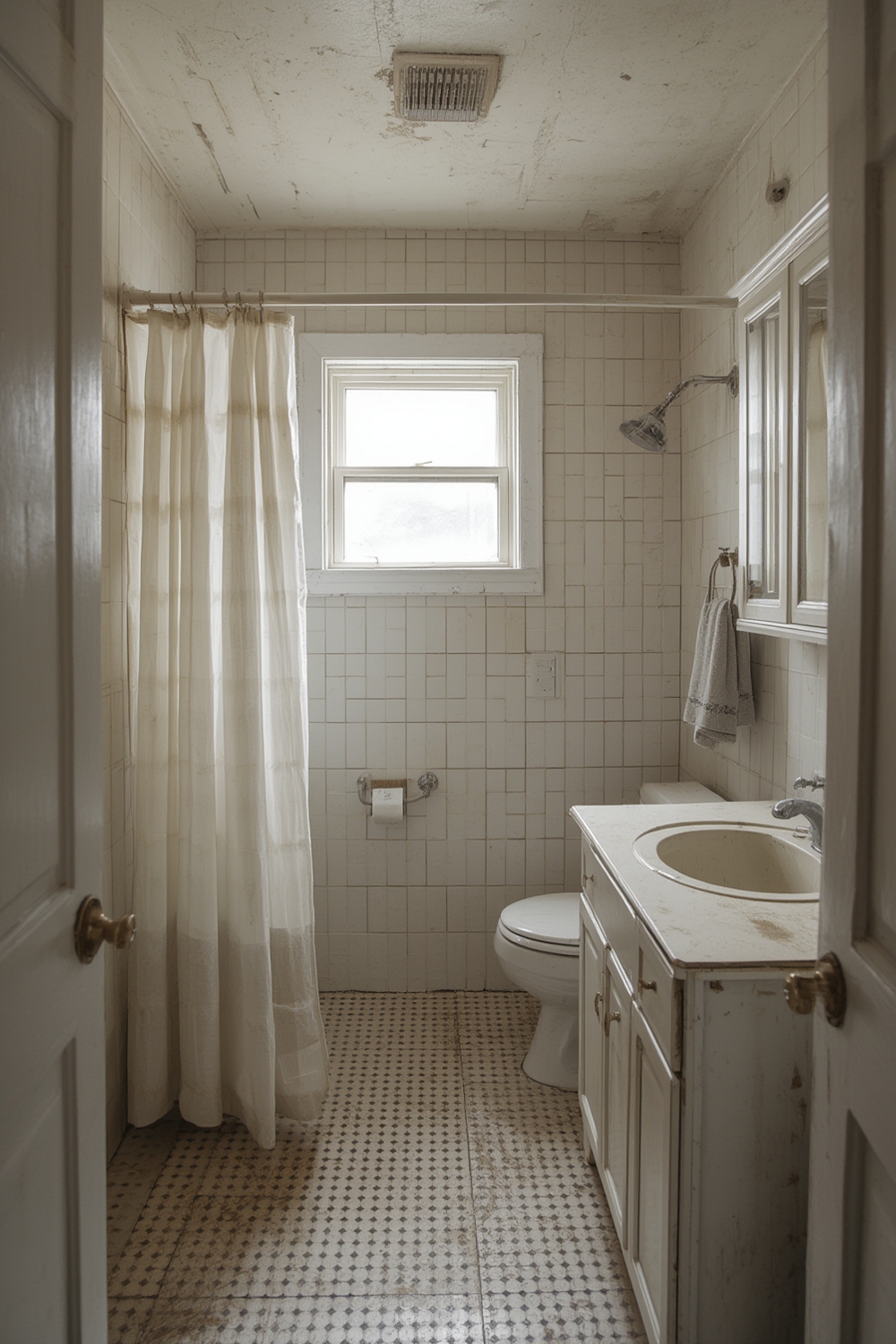
National averages for a mid-range bathroom remodel hover around $12,118, but truly budget-focused projects for small spaces often fall between $3,000 and $12,000. These numbers depend heavily on whether you live on the West Coast, in the Northeast, or in lower-cost regions like the South. In urban areas, expect to pay up to 25% more than a comparable rural job, mostly due to labor and material delivery premiums (source).
Choosing a budget remodel over a luxury overhaul lets you:
- Refresh your bathroom’s appearance quickly
- Address comfort, storage, or lighting issues
- Prepare your property for sale or rental—bathroom updates average a 65–80% return on investment (source)
It’s not just about saving money—it’s about getting the most for every dollar.
Step-by-Step Guide: How to Plan a Budget Bathroom Remodel
Follow these steps to manage your budget bathroom remodel effectively and avoid the stress or cost overruns that sink many well-intentioned DIY efforts.
1. Set a realistic budget—then add a buffer
Research the typical cost for bathrooms your size and in your region. Budget $3,000–$12,000 for a small room, more for premium areas or if plumbing changes are needed. Add at least 15% as a contingency—unexpected issues are common.
2. Determine the scope of your remodel
Decide if you’ll stick to a surface-level update (like new paint, lighting, and accessories) or go deeper, swapping out vanities, sinks, faucets, and lighting. Surface updates run $7,000–$12,000 (see source), while functional remodels (changing layout, plumbing, or wet area) can go up to $20,000.
3. Comparison shop materials and fixtures
Compare costs for vanities, sinks, faucets, and lighting at multiple retailers. Often, local building supply stores or online outlets can match or beat big-box pricing. Keep ROI in mind—mid-range vanities or tile give maximum value (source).
4. Tackle demo and prep work yourself (if comfortable)
If you’re handy, removing old fixtures or prepping surfaces can save hundreds on labor costs. For complicated or hazardous work (like electrical or structural demo), hire a pro.
5. Prioritize plumbing and waterproofing in wet areas
Don’t skip waterproofing in wet areas. Lax installation here leads to costly repairs down the line. Functional remodels, including waterproof systems and new plumbing, start at $12,000–$20,000 for small bathrooms (source).
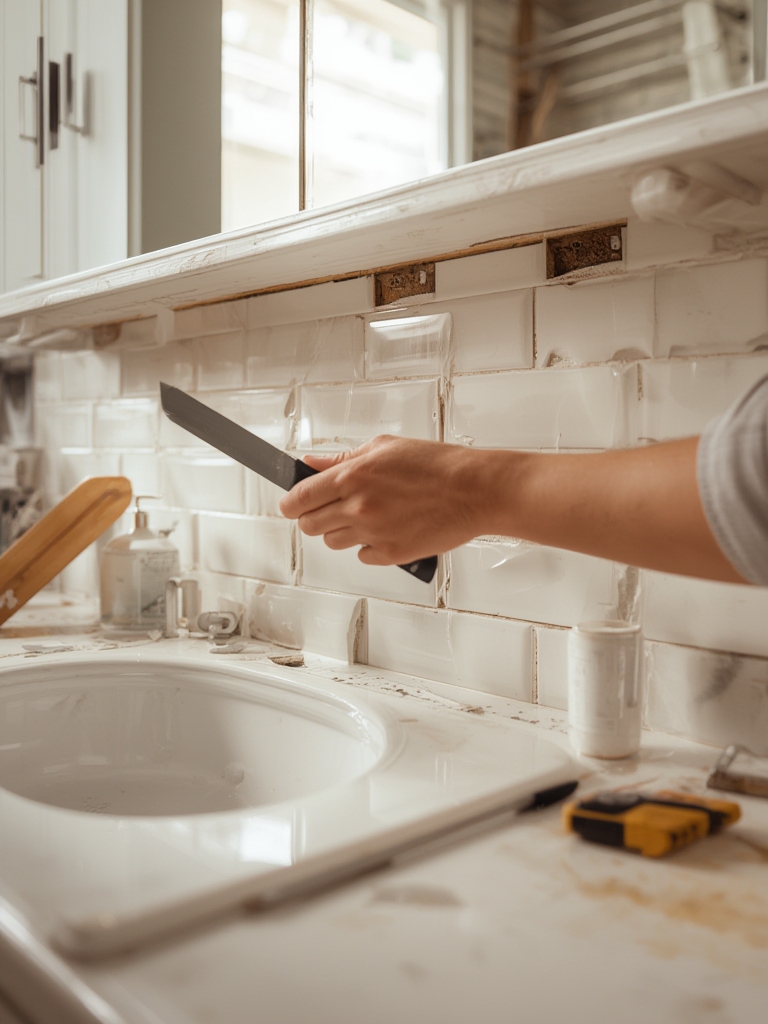
6. Invest in upgrades that offer the most visual bang for the buck
Swap outdated lighting fixtures, hardware, or paint for a quick transformation. Refinishing a tub or reglazing tiles is far cheaper than replacement. These high-impact, low-cost updates can make even older bathrooms feel new. Combine stylish storage solutions—like fluted wood cabinets—to refresh both aesthetics and function.
7. Know when to hire professionals
Complex plumbing, electrical updates, or extensive tiling should be handled by licensed contractors. Budget time to research your options—skilled trades may be booked out weeks in advance in popular markets.
8. Reuse, repurpose, and upcycle
Avoid hidden costs by keeping structural elements and layouts intact. For creative ideas, check out how to paint furniture without sanding for inspiration on budget-friendly refinishing techniques that apply to vanities and cabinets, too.
9. Clean and maintain your updated bathroom
Once the remodel is complete, proper tile and grout cleaning (see tile cleaning guide) ensures your investment looks great for years. This is a small step that pays off long-term.
Advanced Analysis and Common Budget Remodel Pitfalls
Remodeling a bathroom on a budget is rarely as simple as it looks. Based on industry reports and regional research, here are the most common issues that drive up costs—or derail projects entirely.
| Common Pitfall | How It Drives Up Cost | How to Avoid |
|---|---|---|
| Poor Planning or “Scope Creep” | Adding tasks mid-stream (like moving plumbing) can add thousands in labor/materials fees. | Define your project at the start, and resist on-the-fly changes unless critical. |
| Ignoring Regional Price Differences | Labor in high-cost metros (e.g., NYC, SF) is up to 25% higher vs. rural towns (source). | Collect multiple local bids and compare line items regionally. |
| Choosing Trendy Over Timeless Materials | Trendy finishes date quickly, hurting resale and increasing future remodel costs. | Stick to classic, mid-range materials for the best ROI (see ROI data). |
| DIY Errors in Waterproofing or Tiling | Leaky showers or poor grout work lead to expensive repairs. | Only DIY what you know—hire pros for complex wet-area work. |
| Forgetting Maintenance | Tile and grout that aren’t sealed and cleaned attract mold fast. | Schedule routine tile maintenance post-renovation. |
Regional economic conditions, building code changes, and even natural disasters can cause sudden price fluctuations for materials and labor (source). If you’re hoping to control costs and avoid surprises, monitor local news for supply chain updates and contractor availability.
Budget remodels also face unique limits:
- Choices in materials may be reduced during high-demand seasons.
- Avoid sacrificing waterproofing or venting due to strict budgets—these shortcuts create bigger future expenses.
- Be realistic about potential delays for custom orders or permits, especially in larger cities.
For inspiration beyond just bathrooms, browse our DIY home improvement guide for cross-room money-saving strategies.
Conclusion
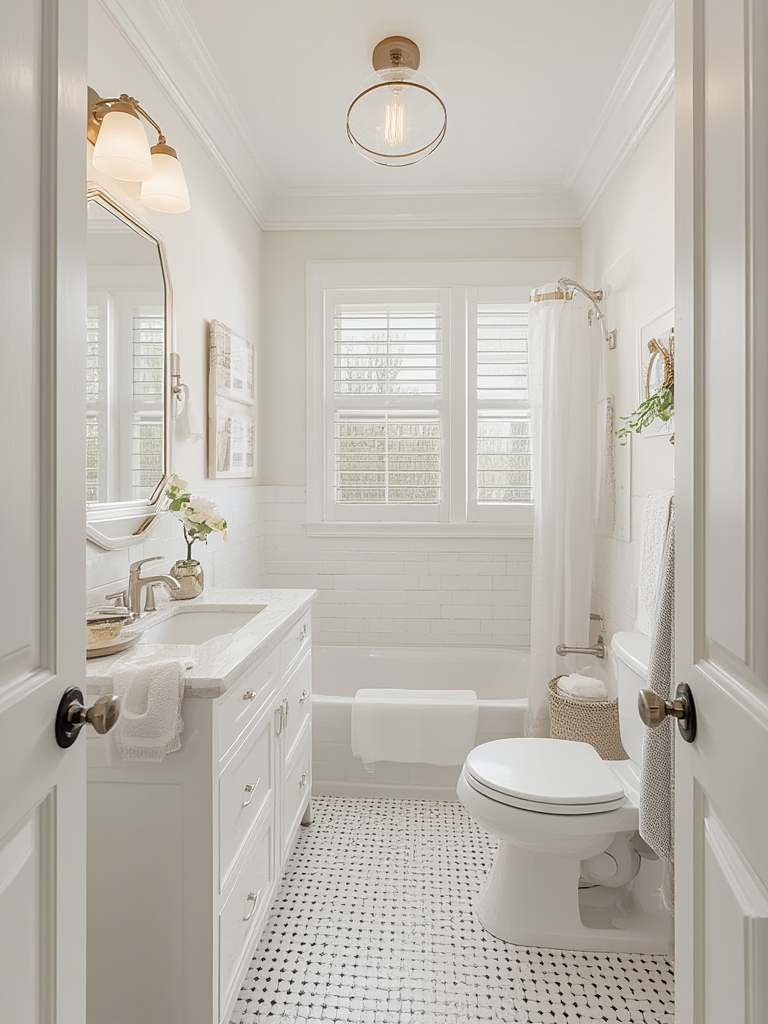
A successful budget bathroom remodel comes down to planning, knowing your region’s cost realities, and sticking to cosmetic and functional upgrades that offer the most impact. Whether replacing dated lighting or refinishing a vanity, focus on projects with a proven return—in both comfort and resale value. Curious about more creative budget-friendly updates? Explore our in-depth bathroom spa conversion and home improvement ideas guides for next steps. For your next project, stick to the principles in this budget bathroom remodel overview—and make every dollar count.
Ready to start your remodel? Download our checklist, price out your options, and create a plan that fits your budget. Questions? Share your experiences or tips in the comments below!
Frequently Asked Questions
What is the cheapest way to remodel a bathroom?
The cheapest way is to focus on cosmetic updates such as painting, installing new light fixtures, replacing hardware, and refinishing (not replacing) existing tiles or tubs. Avoid moving plumbing or electrical lines, which increases costs.
How much does a budget bathroom remodel actually cost?
Most small bathroom remodels cost between $3,000 and $12,000 depending on location, materials, and whether you hire professionals or tackle work yourself. Larger or more complex projects cost more.
What upgrades give the best return on investment?
Mid-range improvements like new vanities, modern lighting, or reglazed tubs give the best ROI (about 65–80%). Avoid ultra-high-end finishes or moving fixtures unless needed for function or layout.
Should I DIY or hire a contractor for my bathroom remodel?
DIY is cost-effective for cosmetic or surface-level work like painting or hardware replacement. For plumbing, electrical, or waterproofing, a licensed contractor ensures safety and avoids expensive mistakes.
Are there any rebates or programs to help pay for a remodel?
Current data doesn’t list rebates for bathroom remodels in 2024, but you can search local government, environmental, and utility programs for possible incentives. Retailer sales and seasonal promotions may also offer discounts.
