

DIY home improvement is more popular than ever for homeowners in 2024 who want to personalize spaces, control costs, and feel the satisfaction of “I did it myself.” But this hands-on approach comes with real challenges—hidden expenses, unexpected pitfalls, and decisions about which modern tools and techniques are worth trying.
Key Takeaways
- 43% of US homeowners in 2024 opt for DIY projects—mainly to save money, but nearly half overspend due to errors.
- Beginner pain points include underestimating project costs, lacking essential skills, and making avoidable mistakes.
- Emerging trends: AR/AI planning tools, eco-friendly materials, and smart home upgrades are overlooked but valuable.
- Understanding DIY Home Improvement in 2024
- Step-by-Step DIY Home Improvement Guide
- Advanced Analysis & Common Pitfalls
- Conclusion
- Frequently Asked Questions
Understanding DIY Home Improvement in 2024
DIY home improvement means executing renovation, maintenance, or upgrades by yourself instead of hiring professionals. The reasons for choosing DIY have shifted: 52% of homeowners in 2024 do it to save money, but confidence, convenience, and personal satisfaction are major drivers too. According to CivicScience, 43% of American homeowners planned only DIY projects for their next remodel—a notable 5% jump since 2023. This trend continues a multi-year rise in DIY activity, with global market size nearing $700 billion.

The goal isn’t just thrift: DIYers want customization, quick wins, and sometimes gratification that comes from hands-on work. However, cost overruns happen—nearly 47% spend more than expected due to inexperience or underestimating project complexity, highlights ListWithClever. Knowing the core motivations and risks makes it easier to plan successful projects and avoid common traps.
Starting with manageable projects like interior painting or easy landscaping is smart. If you want inspiration for larger transformations, see our DIY home improvement projects guide or explore ideas for covered outdoor living spaces.
Step-by-Step DIY Home Improvement Guide
Ready to start your DIY journey? Here’s a straightforward approach to avoid rookie errors and increase your project’s chance of success in 2024:
- Choose the right project for your true skill level. Interior painting or swapping light fixtures are the safest bets for first-timers (62% and 61% homeowner confidence, respectively). Avoid plumbing or advanced tiling until you have real hands-on experience. For painting advice, check our guide to painting furniture without sanding.
- Create a realistic budget—and add a safety buffer. Supply costs rose for 44% of DIYers in the past year, and 48% overshot their budget. Be conservative and get pricing from two or three sources before purchasing materials.
- Leverage digital tools. Augmented Reality (AR) and beginner-level AI tools are new favorites for project planning. They help you preview colors, layouts, and even simulate wall removals safely. Few mainstream guides mention this, but these tools dramatically reduce decision fatigue (Persistence Market Research).
- Use sustainable and smart materials. Green options like recycled tiles and VOC-free paints aren’t just good for the planet—they’re easier to work with indoors and cost-effective over the long term. Smart home upgrades (affordable switches, entry sensors) make great DIY starter projects and add instant value (smart home integration).
- Assemble your tools before you need them. At minimum: quality paintbrushes, rollers, a cordless drill, screwdrivers, safety goggles, basic sanding blocks, and a level. For outdoor DIY, consider specialty garden tools like the hula hoe for weeding or a stirrup hoe for garden control.
- Get help when you need it. Surveyed beginners often regret not asking for a helping hand soon enough. Friends, family, and reputable online sources save untold time and money—never settle for unverified advice from social media alone.
- Quality control and cleanup matter. Poor finishing can negate your time and spending. Don’t rush the last 10% of any project—whether it’s a paint edge, mounting a fixture, or cleaning up residue. For restoration tips, check our advice on tile and grout cleaning.
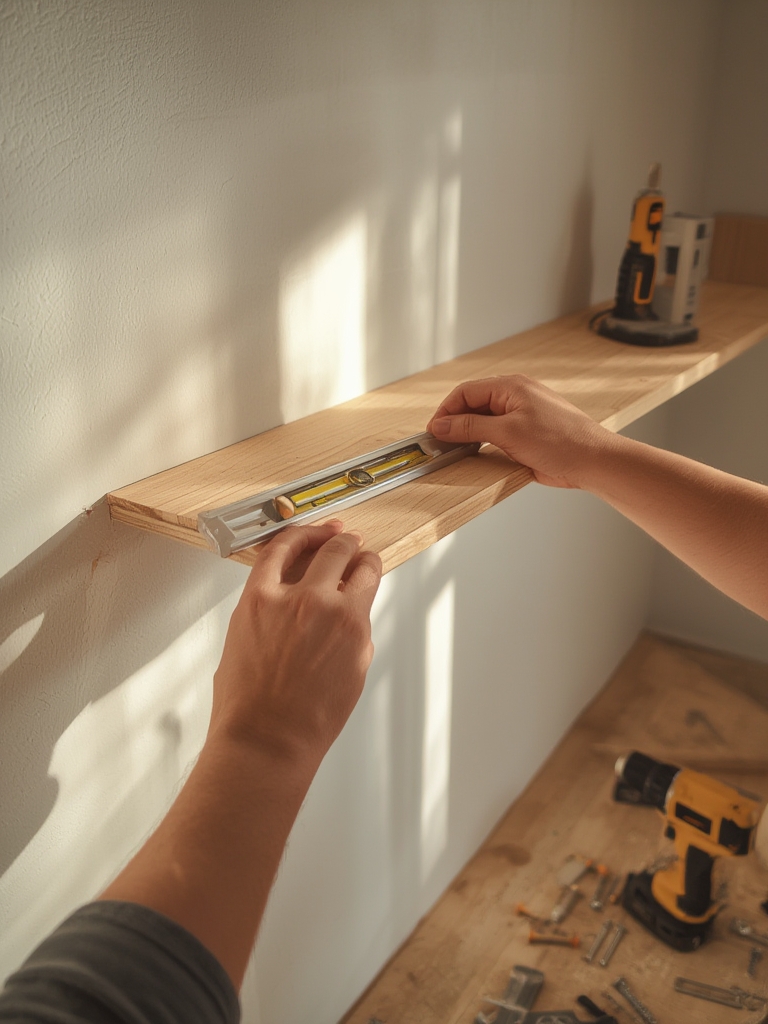
The best results come from grouping small, related jobs together—paint a room, update light fixtures, and install simple smart sensors at once. And always double-check safety steps for every tool and process. For insulation or weatherproofing, see our review of window sealing tape kits and techniques.
Advanced Analysis & Common Pitfalls
Despite the surge in DIY enthusiasm, missteps are common and can quickly erode the savings that motivated you. Here are the practical realities, drawn straight from 2024 research:
- Overspending from mistakes: 47% of DIYers spent more than planned, often fixing early errors from inexperience (ListWithClever).
- Under-budgeting for supplies: Price increases in materials blindsided 44% of renovators. Always confirm costs right before buying—estimates from even a few months ago may mislead.
- Lack of knowledge on complex projects: Confidence drops below 33% for tiling, advanced shelving, or anything involving electrical or plumbing work. These jobs are best left to professionals for both safety and savings.
- Delayed project timelines due to resource shortages: 42% cited financial constraints delaying their year’s remodels. Stretch your timelines now, not later.
- Poor safety protocols: Research doesn’t break down injuries, but electrical, waterproofing, and heavy equipment always carry risk. If you’re not 100% sure, hire a pro for at least those phases.
| Project Type | DIY Confidence (%) | Common Issue | Pro Recommendation |
|---|---|---|---|
| Interior Painting | 62 | Poor prep, drips, uneven color | DIY Safe, follow prep guide |
| Light Fixtures | 61 | Wiring errors, fixture instability | DIY if simple; pro for rewiring |
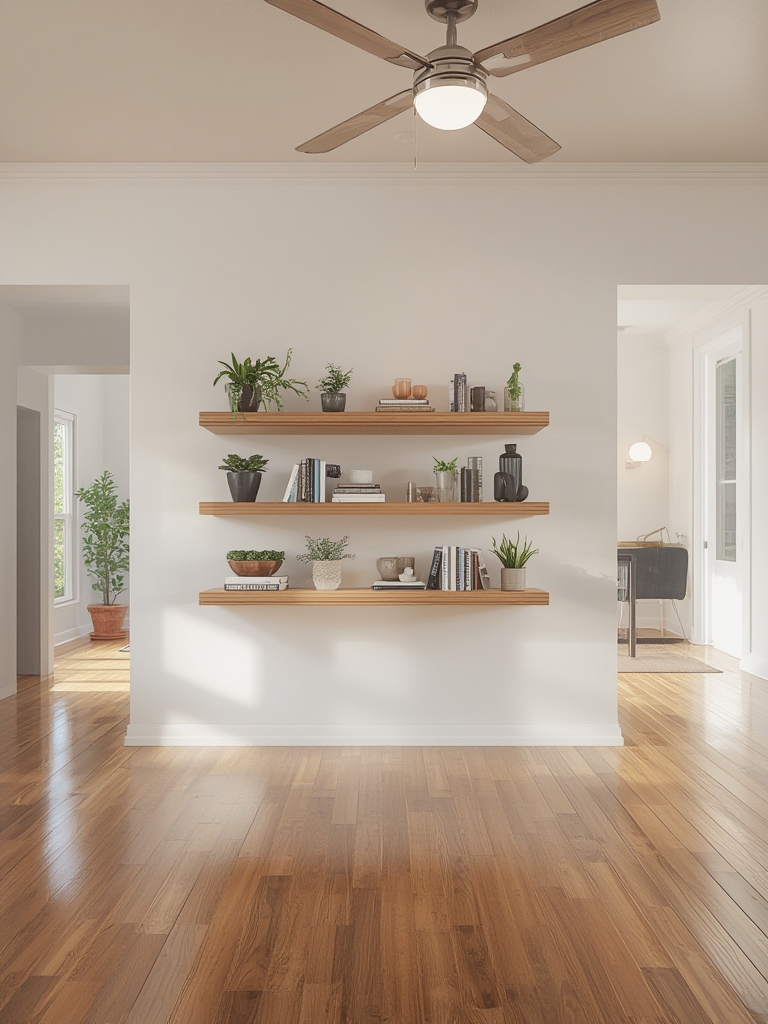
| Shelving/Tiling | <33 | Crooked lines, bad measurements | Pro suggested for beginners |
| Faucet Replacement | 58 | Leaks, poor sealing | DIY with good instructions |
| Deck Sealing | 59 | Uneven finish, weather issues | DIY safe, prep counts |
For more on professional vs. DIY project boundaries, explore our guide to furniture repair for when to call in experts. If you’re determined to try higher-value upgrades, modest kitchen or bathroom makeovers offer the best perceived value—simple fixture swaps, fresh paint, and decluttering are low risk. See also our expert advice on staining wood furniture to tackle refinishing with confidence.
Conclusion
DIY home improvement in 2024 is more accessible and rewarding, thanks to new planning tools, sustainable materials, and shared homeowner wisdom. But realistic budgeting, honest self-assessment, and a focus on simple, high-impact upgrades are critical to avoid costly mistakes. Remember, the path to proud results is less about boldness and more about taking small, smart steps. Start your next DIY home improvement project now—your future space and wallet will thank you.
Ready to make your home your own? Explore indoor, outdoor, and smart project ideas across our guides for actionable inspiration!
Frequently Asked Questions
What are the safest beginner DIY home improvement projects?
Interior painting, basic landscaping, light fixture swaps, and deck sealing top the list. These projects require simple tools and have clear online guides. Start with one and build confidence before tackling complex remodels.
How much money can I realistically save with DIY vs hiring a pro?
Most DIYers plan to spend under $5,000 for upgrades, compared to over $7,000 for similar projects with pros. However, mistakes and unexpected costs reduce savings—plan for a 10-20% buffer.
What are some must-have tools for first time DIYers?
Essentials include a cordless drill, hammer, quality paint brushes and rollers, safety glasses, screwdriver set, utility knife, and a level. For garden projects, consider a hula hoe or stirrup hoe for easy weeding.
What is the most common mistake by beginner DIYers?
Underestimating the required budget and skills. Rushing into complex projects like tiling or electrical fixes without enough knowledge often leads to botched results and higher costs. Start small, learn, and work up.
Are there any new trends I should consider for easy home upgrades?
Yes, AR/AI tools for project visualization, eco-friendly materials, and beginner-friendly smart home devices are gaining traction but are underutilized in typical DIY articles. These trends can boost value and make upgrades easier.
