

Mulch alternatives are a hot topic for gardeners who want efficient, eco-friendly, and low-maintenance options for their landscapes. If you’re tired of traditional mulch or looking for smarter solutions for weed control, moisture retention, and overall garden health, this guide breaks down popular substitutes, real user feedback, costs, and proven expert tips for 2024.
Key Takeaways
- The best mulch alternatives in 2024 range from wood chips and straw to living ground covers and rock-based solutions, each with unique strengths and drawbacks.
- Some options like rubber mulch and rocks offer longevity but lack nutrients, while organic choices require periodic replacement but enrich soil.
- University extensions validate wood chips, straw, and ground covers as effective, and living covers can often replace mulch completely for beauty and function.
- Understanding Mulch Alternatives: What and Why?
- How to Choose and Use Mulch Alternatives: Step-by-Step Guide
- Advanced Analysis & Common Pitfalls
- Conclusion
- FAQ
Understanding Mulch Alternatives: What and Why?
Mulch alternatives are any materials or strategies used in place of standard wood or bark mulch to cover soil around plants. In 2024, gardeners are rethinking mulch due to cost, maintenance, aesthetics, climate needs, and sustainability.
Popular organic options include wood chips, bark, straw, shredded leaves, pine needles, compost, grass clippings, and even newspaper. Inorganic solutions like rocks, pebbles, and rubber mulch are gaining ground for their durability in areas that demand long-term results.
Alternatives are attractive for several reasons: saving money, reducing landfill waste, minimizing annual chores, or providing a distinct texture and appearance. Living ground covers—think clover or creeping thyme—are now recommended by experts for their ability to control weeds, conserve water, and add beauty, sometimes with less yearly work than any mulch.
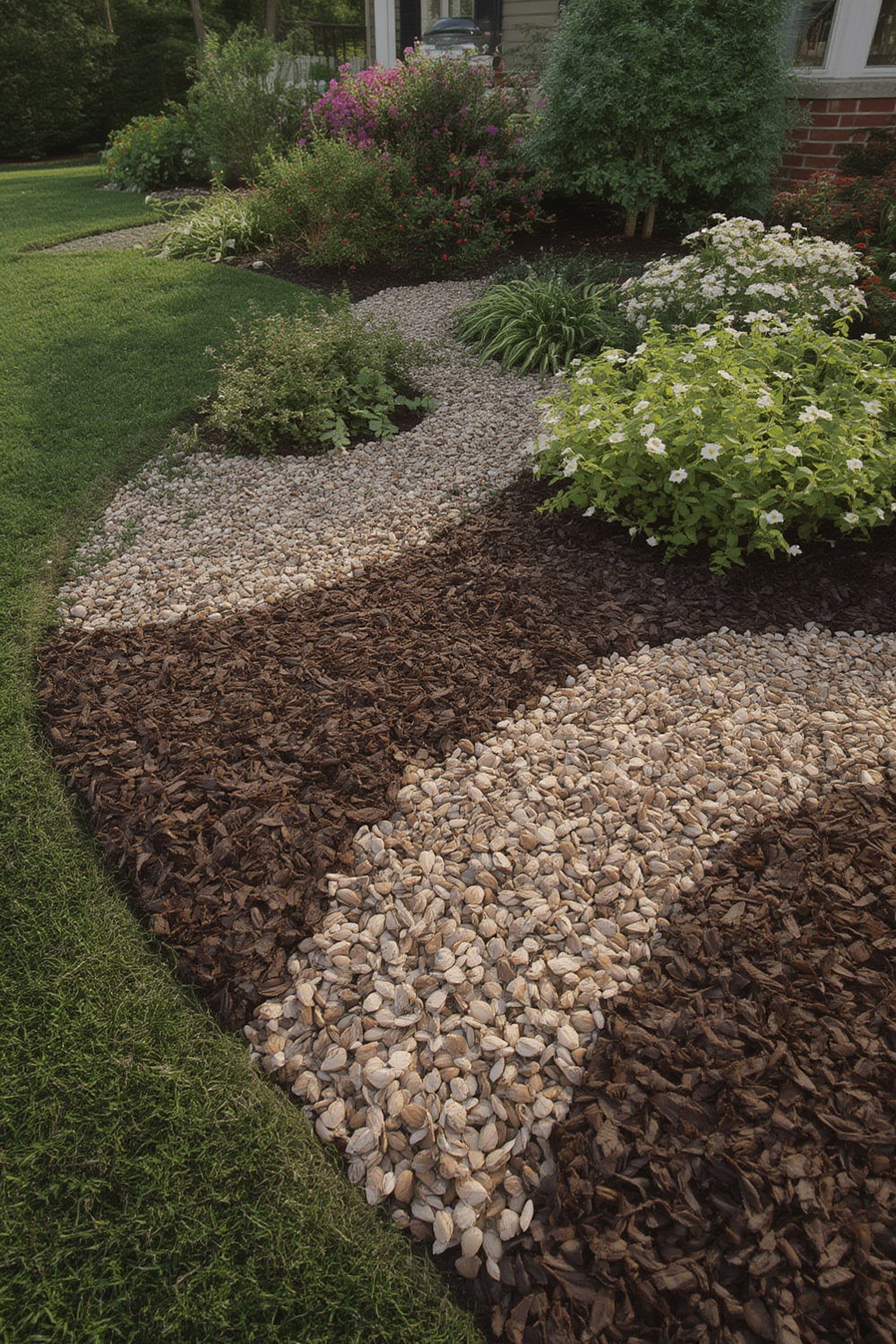
Bark and wood chips remain the most popular for beds and borders, especially cedar, which helps deter some pests. Gardeners with acid-loving plants turn to pine needles, while straw and leaves are common in vegetable gardens for moisture and soil health. Inorganic options like pebbles/rocks suppress weeds over time, and rubber mulch, though controversial, is chosen for extended lifespan. A notable industry trend: organic mulch use is projected to rise 7.4% annually through 2030, driven by homeowners’ preference for eco-friendly and easy-care gardens (source).
Choosing the right mulch alternative is crucial for healthy plants, beautiful landscapes, and manageable maintenance, as the wrong choice can introduce pests, weed seeds, or excessive garden labor. The following sections detail exactly how to select and implement the best alternatives for your unique garden goals.
How to Choose and Use Mulch Alternatives: Step-by-Step Guide
- Evaluate Your Space and Plants.
- List the plants and beds in your landscape. Are you covering perennial borders, vegetable rows, shrubs, or shade areas? Each may benefit from a different substitute.
- Factor in sun, soil type, existing pest pressure, and budget.
- Match Mulch Alternatives to Your Needs.
- Wood chips/bark: Best for flower beds, trees, and long-term borders. Avoid tilling into soil; surface application only (source).
- Straw/leaves/grass clippings: Great for vegetable gardens. Use clean materials to avoid pests or weed seeds.
- Pine needles: Excellent for acid-loving plants and sloped beds; repel some pests.
- Gravel/pebbles/rock: Consider for xeriscapes, walkways, or drought-prone areas—no nutrient benefits, but low maintenance (source).
- Living ground covers: Choose clover, thyme, or sedum for a mulch-free, “living carpet” that reduces future work.
- Source and Prepare the Materials.
- Buy, gather, or shred suitable organic matter. For wood chips, request local tree service drop-offs or buy bagged. Compost and grass clippings should be chemical-free.
- For pebbles/rocks, budget for delivery and groundwork. For living covers, purchase plugs or seeds suited to your zone.
- Install Correctly.
- Apply organic mulch 2-3 inches deep. Do not pile against stems or trunks as this can cause rot (“mulch volcano”).
- When using leaves or grass clippings, shred or dry to prevent matting and mold.
- Spread inorganics (pebbles/rocks) evenly, with landscape fabric underneath if weed pressure is high.
- When planting ground covers, weed thoroughly first, then space plants so they will knit together quickly.
- Monitor and Maintain.
- Check annually for breakdown of organic mulches—top up as needed.
- For rocks or rubber mulch, monitor for debris accumulation or weed infiltration (use a hula hoe for fast weeding on tough surfaces).
- Water new ground covers until established; thin aggressive types as needed.
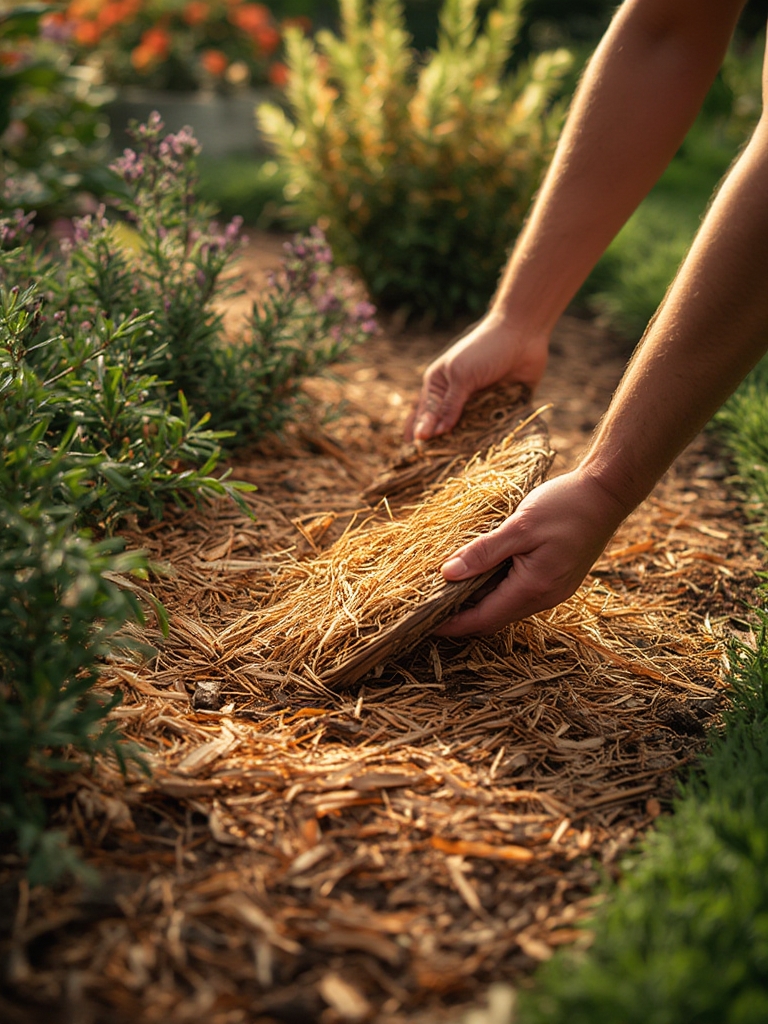
Remember, not every mulch alternative is suitable for all climates or plants. Straw excels for produce gardens but breaks down fast and may harbor rodent pests. Living ground covers like clover are durable for lawns—see this full clover lawn guide for methods and costs.
Blend ground covers with decorative hardscape or perennial plantings for a cohesive landscape. For vegetable beds, rotate between compost, straw, and grass clippings for soil health. If you need to weed beds easily, tools like the hula hoe make quick work between living cover and mulch edges.
Advanced Analysis & Common Pitfalls
Mulch alternatives, even the best ones, are not without drawbacks. Here’s what gardeners really run into, with research-backed solutions:
- Straw often harbors weed seeds or attracts mice. It also decays rapidly, so annual replacement is a must.
- Grass clippings can mat and block water if applied too thick or used wet. Always dry and use in layers, and avoid using clippings from chemically treated lawns.
- Rubber mulch is long-lasting but may leach chemicals that harm plants and soil health (source).
- Rocks and pebbles do not supply nutrients. Over time, soil beneath can compact and require extra fertilizer. In some zones, rocks can even attract pests like cockroaches.
- Leaves and pine needles may introduce pests or disease if used whole—always shred or dry before applying.
- Newspapers are inexpensive but not very attractive; usually topped with another organic material.
- Ground covers like creeping Jenny or clover need time to establish. Some spread aggressively, so edge beds or paths to control them.
| Material | 5-Year Cost | Replenishment Frequency | Key Benefits | Common Drawbacks |
|---|---|---|---|---|
| Wood chips/Bark | Low/Moderate | Annual/Every 2 Years | Weed suppression, nutrients added | Requires topping up, pest potential |
| Straw | Low | Every Season | Great for veggies, moisture retention | Short lifespan, pest/weed seed risk |
| Pebbles/Rocks | High initial, low after | Never | Weed barrier, permanent | No nutrients, can attract pests, hardscape costs |
| Rubber Mulch | Very High initial, low after | Never | Longevity, effective cover | Chemical leach, no nutrients, eco concerns |
| Ground Covers | Initial investment in plugs/seeds | Self-renewing once established | Beauty, erosion control, pollinator value | Time to establish, can creep |
Cutting corners—like using thick, wet grass clippings or poorly composted materials—often results in matting, unwanted pests, or stunted plant growth. Always prepare organic materials properly and check mulch alternative compatibility with your climate, plants, and landscape goals. For more on garden-specific strategies, our guide to garden shade cloth helps maximize yield while using less mulch.
Conclusion
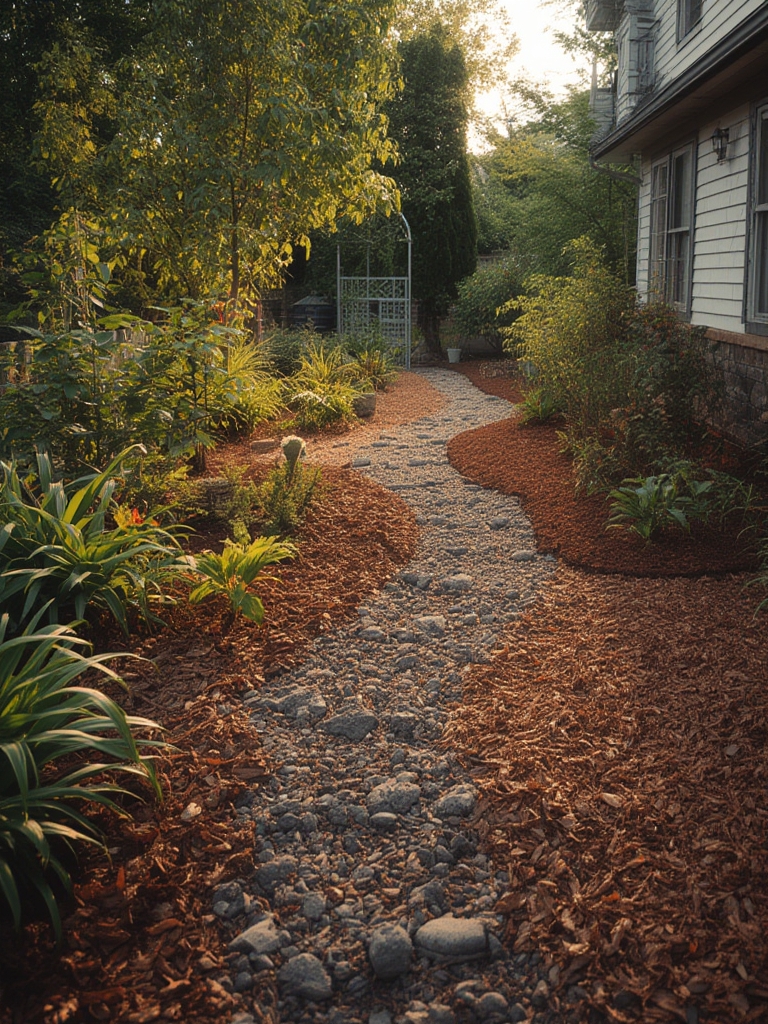
Mulch alternatives offer creative, practical ways to protect soil, save water, control weeds, and boost garden appeal—without the hassles or limitations of traditional bark mulch. The best solutions are tailored to your climate, plants, and design goals: organic amendments like straw and wood chips, lasting inorganics like rock, and living ground covers for a mulch-less, low-maintenance future. Tested by science and everyday gardeners alike, these options can dramatically improve your landscape over time.
Ready to upgrade your yard? Start by testing a mulch alternatives strategy in a single bed—then expand what works. Want more ideas for eco-friendly landscape upgrades? Explore our guides to sustainable materials and companion planting to maximize every effort in your outdoor space.
FAQ
Which mulch alternative is safest for pets and children?
Organic options like wood chips, straw, and compost are safest for pets and children. Avoid dyed or rubber mulches, as they can contain chemicals. For play areas, certified untreated wood chips are a good choice.
Do ground covers really work as a mulch replacement?
Yes. Living ground covers such as clover and creeping thyme are increasingly promoted by experts for suppressing weeds, reducing soil erosion, and providing year-round aesthetic interest. They require establishing effort but pay off in low maintenance.
How do I stop weeds with mulch alternatives?
Layer newspaper or cardboard beneath organic mulch, then top with wood chips, straw, or leaves. For inorganics, install landscape fabric underneath rocks or pebbles. Combine with regular weeding using tools like a hula hoe for best results.
What is the cheapest effective mulch alternative?
Leaves, grass clippings, and shredded newspaper are practically free if you prepare them properly. Straw is also affordable for large areas, as long as you choose weed-free bales.
Can I use mulch alternatives on slopes?
Pine needles work well for slopes due to their tendency to stay put. Living ground covers like creeping thyme or sedum are also excellent for erosion control and will stay anchored on hard-to-mulch terrain.
