

Companion planting chart strategies are transforming gardens big and small, making them more productive and resilient by combining the right vegetables, herbs, and flowers side by side. Whether you want bigger harvests, fewer pests, or a garden that’s easier to manage, using the right companion planting chart can be a game-changer for any grower—if you follow it wisely.
Key Takeaways
- Evidence-based companion planting charts can help reduce pest pressure and optimize space, but they are not foolproof or one-size-fits-all.
- Many online guides miss lesser-known combinations and rarely discuss the true time and effort required.
- Experimenting with overlooked pairings—like peanuts with corn—or layered, block-style planting may yield the best results for modern gardens.
- Understanding Companion Planting Charts: What and Why
- How to Use a Companion Planting Chart: Actionable Steps
- Advanced Analysis & Common Pitfalls (Challenges Gardeners Face)
- Conclusion
- Frequently Asked Questions
Understanding Companion Planting Charts: What and Why
A companion planting chart organizes information about which vegetables, herbs, or flowers grow best together—and which should be kept apart. The main goals: boost yields, suppress pests, and optimize space. Popularized by both tradition (like the “Three Sisters” of corn, beans, and squash) and scientific observation, these charts guide planting layouts for healthier, more productive gardens. By matching compatible plants and avoiding rivals, you promote natural pest resistance, improve pollination, and use resources more efficiently.
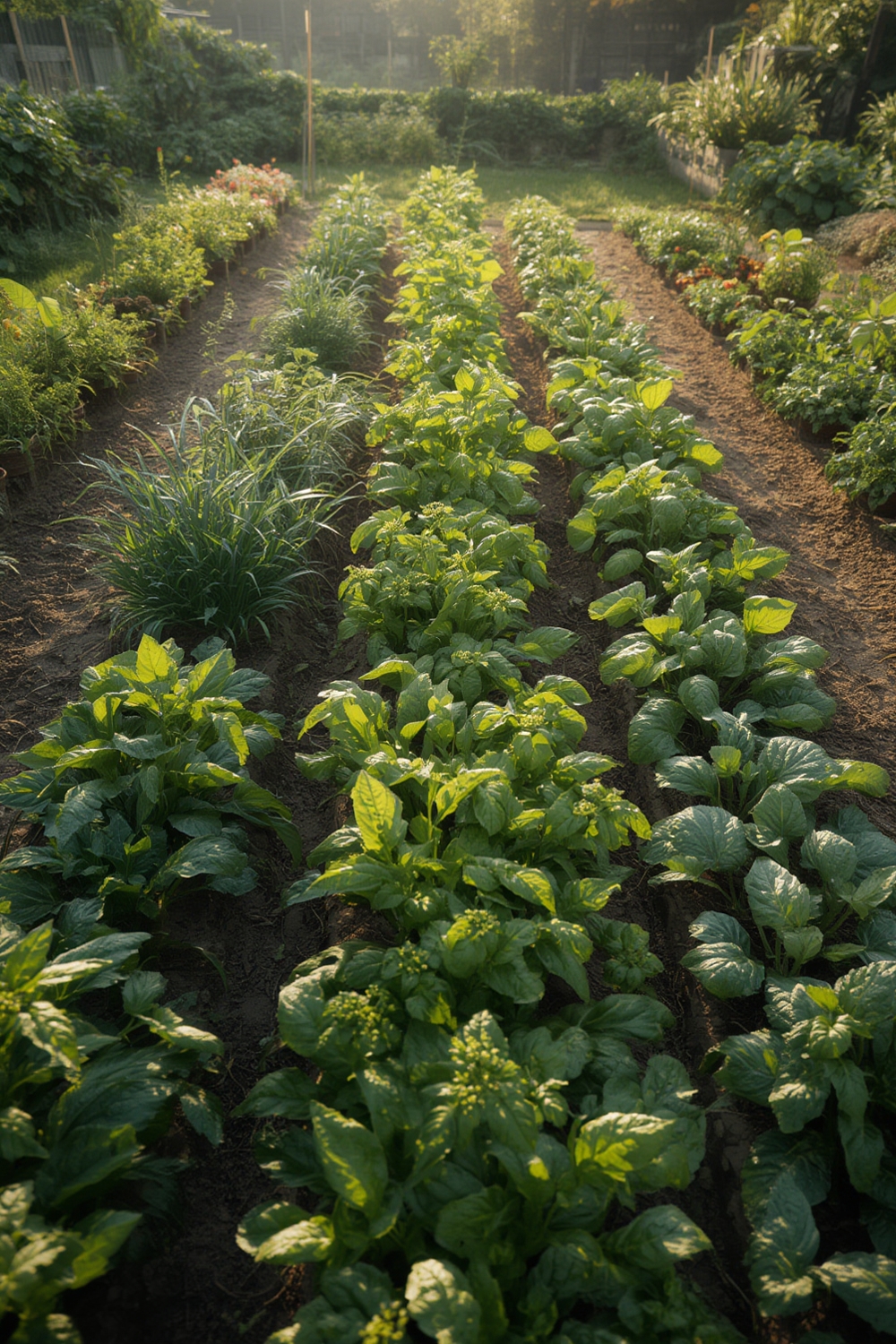
While success stories abound, it’s important to know that recent scientific research—such as those captured by St. Clare Seeds and USU Extension—often highlights indirect benefits, like increased pollinators or reduced pest outbreaks, rather than dramatic, quantifiable yield increases for every crop pairing. Still, following a companion planting chart is a time-tested way to make the most of your garden, especially when you factor in plant compatibility and soil health.
Top-tier charts tap both tradition and the latest data, showing how certain combinations—like basil near tomatoes to repel thrips—can have measurable pest suppression. You’ll also find multi-plant block strategies and double-cropping tips, which can outperform basic row or monoculture settings in small gardens. But no chart offers ironclad guarantees: each garden’s conditions and needs are unique.
How to Use a Companion Planting Chart: Actionable Steps
Setting up a successful companion planting layout isn’t just about glancing at a chart and tossing seeds in the ground. Here’s a clear, realistic process to get you started:
- List your primary crops. Start with what you actually want to harvest—tomatoes, peppers, carrots, beans—rather than molding your garden just to fit a chart.
- Check compatibility and avoid conflicts. Use a trusted source (like Nature & Sustainability’s 2024 chart) to scan for “best friends” and known incompatibilities.
- Layer plantings for varied harvests. Try to include quick crops (lettuce, radish) alongside slower ones (squash, cabbage), so their root systems and space needs don’t clash.
- Factor in technical needs. Even perfect pairings will fail if soil, light, or spacing is off. Most popular companions (such as tomatoes + basil or corn + beans + squash) thrive in full sun, with well-drained soil and generous spacing. If in doubt, consult the seed packet or your local extension.
- Stagger and block. For small spaces, use block-style layouts (such as “lettuce, cabbage, bush beans, basil, onions, tomatoes, beets in 1-foot grids”) to maximize variety with minimal conflicts.
- Track outcomes, record, adjust. Track outcomes: did beans lag when planted with onions? Did carrots thrive next to tomatoes? Make changes each season—you won’t find a static answer.

A few “hidden gem” combos that mainstream charts often miss:
— Peanuts with corn or squash: Peanuts fix nitrogen, aid soil fertility, and their root structures complement tall or vining crops. (St. Clare Seeds)
— Early lettuce or spinach under winter squash or cucumbers: Harvest greens before the vines take over—a proven, efficient “double crop” method.
— Multi-crop blocks: Try the lettuce, cabbage, beans, basil, onions, tomatoes, and beets combo in 1-foot plots for high diversity and less resource overlap.
Remember, physical supports (trellises, stakes) and weed management are essential. For fast weeding, tools like the hula hoe or a stirrup hoe can keep weeds down between densely planted crops.
Advanced Analysis & Common Pitfalls (Challenges Gardeners Face)
Not every pairing on a companion planting chart works perfectly in every soil or under every climate. Here’s what the research and real-world experience suggest to watch out for:
- Overstated Results: Recent studies from 2022–2024 have not conclusively proven dramatic yield gains for most pairings. Yield boosts are possible, but don’t expect miracles season one.
- Compatibility issues: Classic conflicts are still easy to overlook. For example, asparagus and garlic can stunt each other. Broccoli may harm lettuce. Garlic inhibits beans. Source
- Pest confusion: While some herbs like basil (near tomatoes) and onions (with carrots) deter pests, others offer little benefit or could attract unwanted insects if overplanted.
- Resource allocation: Crowded, multi-crop beds demand more water, fertilizer, and attention than monocultures, even if they eventually yield more per square foot.
- Time & tracking: Planting and maintaining a diverse chart-based garden requires careful record-keeping and more setup time compared to simple row gardening.
- Unrealistic charts: Many free internet charts are outdated or overly generic. Evidence-based, up-to-date charts are often buried in academic papers—not easily downloadable PDFs.
| Plant Pairing | Benefit | Main Risk/Pitfall |
|---|---|---|
| Tomato + Basil | Repels thrips; may boost tomato flavor | Overcrowding reduces airflow—encourages disease |
| Carrots + Onions | Onions deter carrot fly; efficient row use | Onions can stunt carrot size in shallow soils |
| Beans + Garlic | Beans fix nitrogen; reduce scab risk | Garlic inhibits bean growth if planted too close |
| Corn + Beans + Squash | Classic “Three Sisters” system—efficient use of vertical and ground space | Needs correct spacing, plenty of sun, and good soil fertility to avoid overcrowding |
| Brassicas + Strawberries | None proven—often causes one to suppress the other | Brassicas suppress strawberries |
| Lettuce + Broccoli | Lettuce matures early under broccoli’s shade | Broccoli roots may inhibit lettuce growth if too close |
The main lesson: companion planting charts are a strong starting point, but you must still observe, experiment, and adapt based on your garden’s unique conditions. For hands-on advice and weed prevention tips, consider deeper reading about gentle weeding techniques.
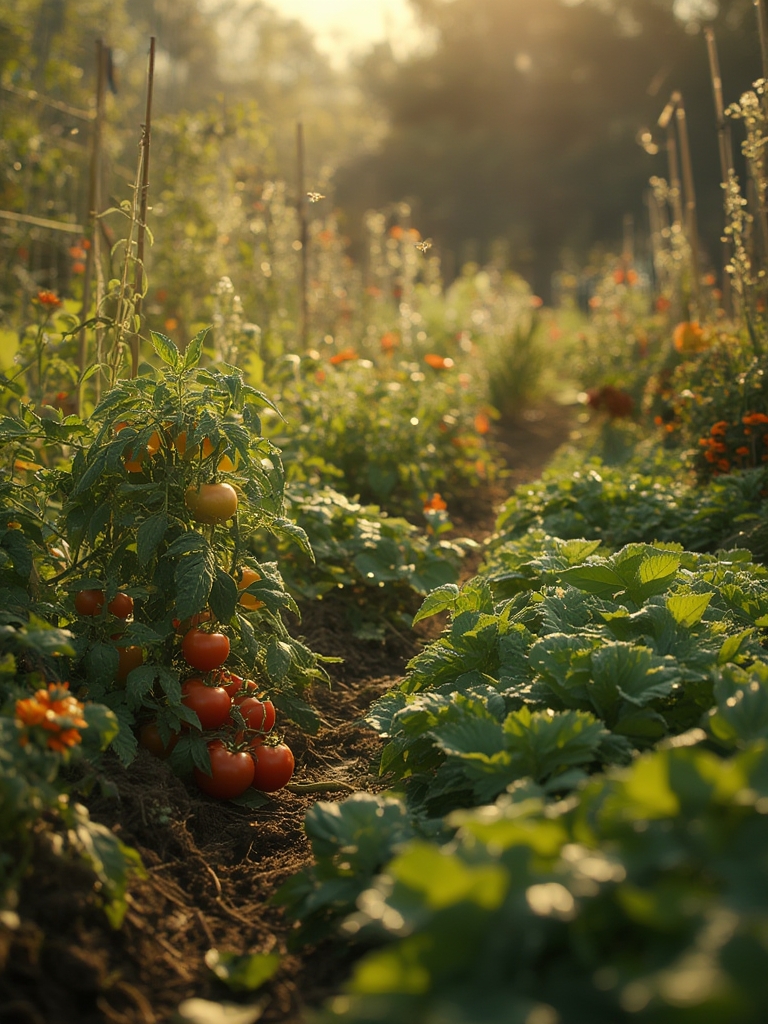
As for finding a downloadable, up-to-date companion planting PDF: most web resources (like Thrive Lot’s 2024 guide and others) stick to online tables. There is no clear evidence paid charts are more accurate—focus instead on charts that reference reputable sources or extension offices. Always cross-check advice, especially for less-common plant combinations.
For further garden design inspiration and space-saving tips, explore ideas for covered outdoor living spaces or learn about clover lawns for sustainable lawns adjacent to vegetable beds. And if pest or weed pressure threatens your plot, reading about the hula hoe tool can help keep your companion-planted beds thriving with less work.
Conclusion
Companion planting charts are valuable tools when used as part of a flexible, observation-based gardening strategy. While clear benefits exist—like pest suppression (basil with tomatoes, onions with carrots) and spatial efficiency (Three Sisters, block planting)—expect incremental gains, not magic. Focus on evidence-based combinations, refine your approach each season, and combine charts with solid garden management. The right companion planting chart is the one you update as you go.
Ready to optimize your own garden results? Start experimenting with a companion planting chart and share your progress—or questions—in the comments below. Download or print a reliable, web-sourced chart to use as your evolving reference, and always adapt based on your harvest experience!
Frequently Asked Questions
Do companion planting charts work for every garden?
Not universally. They are most reliable when adapted to your local soil, light, and climate conditions. Treat them as guidance, not rigid rules.
Why do some combinations on a companion planting chart fail?
Failures can happen due to mismatched soil pH, incompatible root systems, or environmental factors not reflected in the chart. Overcrowding and lack of pest diversity can also play a role.
Where can I download a trusted companion planting chart PDF?
Most up-to-date, evidence-based charts are published as web pages (see Nature & Sustainability or Thrive Lot). Few, if any, are available as PDF downloads; always check university extension sites for the most reliable versions.
Can companion planting really reduce pests?
Yes, for specific, research-backed pairs like basil with tomatoes (repels thrips) or onions with carrots (repels carrot fly). Not all combinations are proven, so monitor your own garden’s results closely.
Is companion planting more expensive or time-consuming than monoculture planting?
It may require more initial planning, measuring, and tracking, as well as potentially more weeding and record-keeping. However, long-term benefits can offset these costs, especially through improved yields and reduced pest problems.
