

Looking for better control over your garden or lawn watering? A smart irrigation controller can help you save water, lower bills, and automate every sprinkler zone with weather and app-based scheduling. But is the investment really worth it in 2024? Here’s what you need to know before switching, based on the latest tech, market data, and real-world experiences.
Key Takeaways
- Smart irrigation controllers can cut residential water use by up to 50% with weather and soil moisture sensors.
- WiFi-enabled models dominate the market, making remote scheduling and smart home integration easy—but up-front costs are high.
- Most users are happy with results, but hidden pitfalls include setup headaches, sensor reliability, and unexpected maintenance costs.
- What is a Smart Irrigation Controller? Why Homeowners Are Switching in 2024
- Step-by-Step Guide: How to Set Up and Optimize a Smart Irrigation Controller
- Advanced Analysis & Common Pitfalls From Real-World Users
- Conclusion: Is a Smart Irrigation Controller Worth It?
- FAQ
What is a Smart Irrigation Controller? Why Homeowners Are Switching in 2024
A smart irrigation controller is an advanced sprinkler timer that automatically adjusts your watering schedule based on weather data, soil moisture, and user settings. These devices connect to WiFi and mobile apps, letting you monitor and control your lawn or garden remotely. In 2024, global adoption is accelerating. The market was worth over USD 1.5 billion in 2024 and is expected to more than double in under a decade, thanks to soaring water costs and a push for outdoor sustainability.
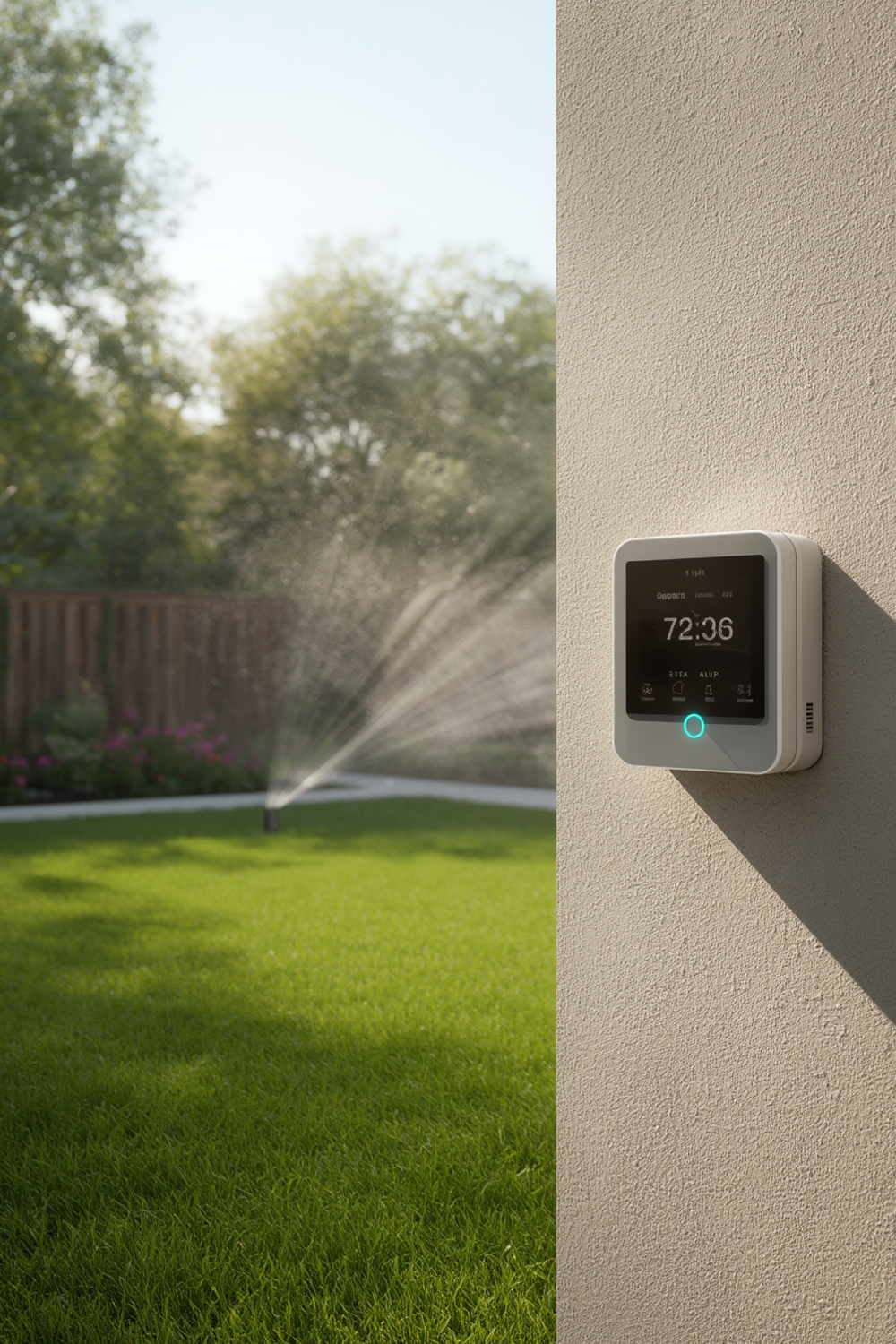
Why are so many property owners making the switch? In North America, nearly 60% of new smart irrigation systems are installed at homes, not farms, for the first time. WiFi integration (now with a 32% market share) allows intuitive setup, phone alerts if something fails, and efficient water use based on real-time conditions. Top controllers can integrate with Alexa or Google Home, automate cycles after rainfall, and track usage by zone.*
If you want a more efficient lawn, garden, or landscape and to control it from anywhere, a smart irrigation controller is rapidly becoming the new normal.
For landscaping enthusiasts, pairing this technology with a hula hoe tool for weeding makes a strong lawn-care combo. Plus, check out new solutions like clover lawns and drought-tolerant grass for even more water savings.
Step-by-Step Guide: How to Set Up and Optimize a Smart Irrigation Controller
Ready to automate your sprinkler system? Here’s how to ensure you get the most from your investment:
- Audit your current irrigation zones and wiring. Label valves and check for existing leaks or clogged emitters before starting.
- Select a smart irrigation controller compatible with your system. Popular options offer 6-16 zones and WiFi or Bluetooth connectivity.
- Shut off power, remove your old controller, and install the new one. Connect wiring and mount the device out of direct rain—most modern controllers come with clear step-by-step guides.
- Connect to WiFi via the controller’s mobile app. Be ready with your network password and be patient: initial pairing is where most users face issues.
- Enter zone types (lawn, flower beds, etc.), soil type, and exposure in the app. This helps the controller optimize schedules and water use based on real-world factors.
- Integrate weather or soil moisture sensors if available. The best controllers support add-on sensors that measure soil wetness, sunlight, and detect rain, sending data in real time for AI-powered adjustments.
- Set your watering preferences: Do you want to skip irrigation after measurable rain, or allow the system to decide everything? Set your thresholds and allowed watering window.
- Test each zone and monitor app alerts for the first week. Adjust runtimes and scheduling as you go. Watch for error messages or failed connections.
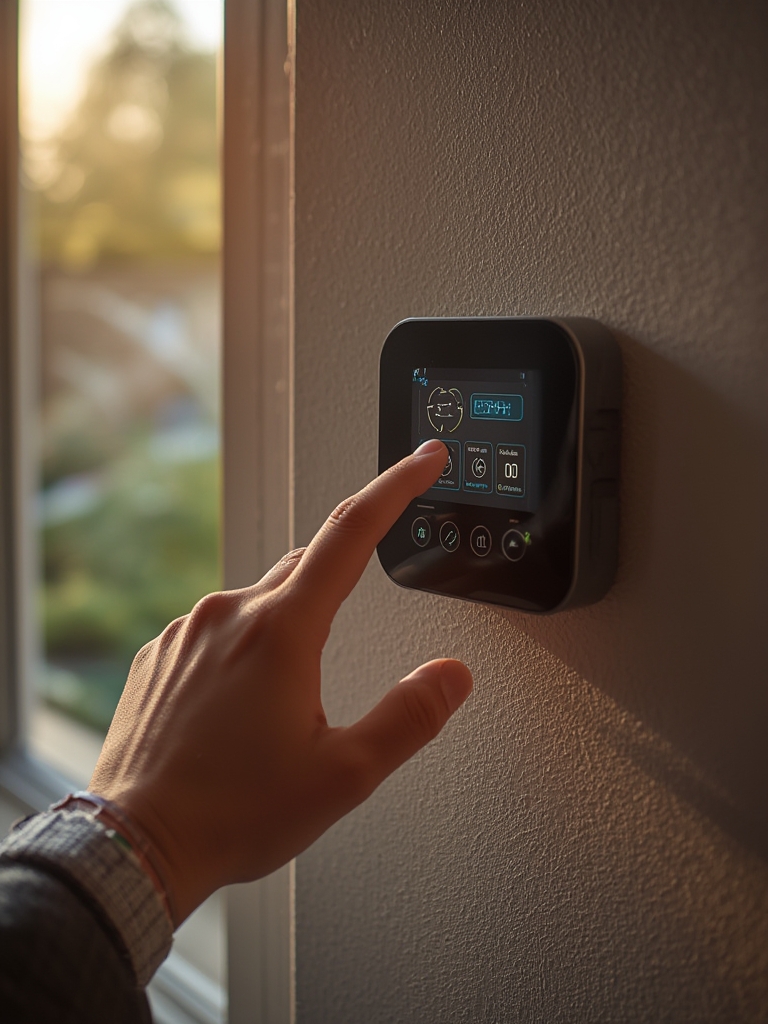
After setup, walk your landscape to confirm each zone covers the intended area. Many homeowners combine smart irrigation with eco-topcoats or organic lawn fertilizer to reduce disease and watering needs. Need tips on keeping things clean and working? See gentle garden weed control for maintenance best practices.
Advanced Analysis & Common Pitfalls From Real-World Users
Smart irrigation controllers deliver clear water savings—studies show 20% to 50% reductions versus conventional timers, especially with soil moisture-based models (source). However, owners report several pitfalls:
- Complex setup: WiFi pairing and app installation can expose connectivity gaps or require network upgrades.
- Reliability issues: Sensors may fail due to rain, mud, or dead batteries. Controllers sometimes lose WiFi, causing missed cycles.
- Hidden costs: Advanced configurations (like weather analytics, extra zones, or rainfall data) often mean premium app subscriptions or add-on sensor purchases—raising the true cost.
- ROI confusion: While soil moisture controllers reduce water 20%-50%, many owners struggle to turn this into a payback estimate since maintenance, occasional repair, and electricity use add up.
- Lack of universal standards: Some controllers don’t talk to Apple, Alexa, or Google Home; firmware updates vary by brand, causing delays and bugs.
A quick comparison of features, savings, and user experience across controller types:
| Controller Type | Estimated Water Savings | Sensor Integration | Smart Home Support | Typical Issues |
|---|---|---|---|---|
| Weather-Based | 15% – 35% | Optional (rain, temp) | Most (Alexa, Google) | Requires accurate weather data API |
| Soil Moisture-Based | 20% – 50% | High (real-time soil/plant) | Varies | Sensor battery failures, costlier |
| Hybrid | 25% – 40% | Full (weather + soil) | Usually full | Setup complexity, ongoing fees |
Some smart home owners wish for seamless app connections and faster firmware support. Before investing, test for strong WiFi near your irrigation box, and read up on energy-efficient home upgrades that may qualify your controller for utility rebates. If your controller frequently loses connection, basic hand watering and the right outdoor furniture setup from this guide can serve as a backup.
Conclusion: Is a Smart Irrigation Controller Worth It?
A smart irrigation controller makes outdoor watering easier and more efficient, slashing water bills, and giving unmatched remote control. But potential buyers should count all costs: devices and sensors, any subscription fees for advanced scheduling, plus DIY time or professional installation. Look for rebates, track your water savings, and consider WiFi coverage before making the switch.
Ready to join the movement? Evaluate your site’s needs, read the installation fine print, and invest in a smart irrigation controller that fits your landscape. If you want next-level yard automation, explore our handy smart home integration guide for seamless control indoors and out.
FAQ
How much water can I really save with a smart irrigation controller?
Depending on the controller and your setup, you can save 20% to 50% on outdoor water use, especially with soil moisture-based models. Actual amounts depend on climate, landscape type, and fine-tuning the controller settings.
Are there annual or hidden costs besides buying the smart controller?
Yes. Some brands charge for premium app features, weather data services, or sensor replacements. Maintenance, occasional battery replacements, and even WiFi upgrades add to the total cost over time.
Do these controllers work with Alexa, Google, or Apple HomeKit?
Many WiFi models do, but not all. Double-check compatibility before purchase, especially if you rely on a specific smart home platform. Firmware updates and integrations can change, so read the latest user reviews.
What are the main reasons smart irrigation controllers fail or disappoint?
Common issues include WiFi dropouts, poor sensor placement, battery failure in sensors, and confusing setup steps. Ensuring a strong wireless connection and handling sensors with care will help, but be prepared for some troubleshooting.
Is it worth upgrading if I already have a regular timer?
If you want to save water, reduce hassle, and stop overwatering, upgrading is usually worth the investment—especially in areas with high water costs or rebates. Just be sure to set realistic savings expectations and maintain your system for best results.
