

Drought tolerant grass is transforming the American lawn, providing year-round green spaces while slashing water use and maintenance costs. If you’re searching for a realistic way to beat outdoor water restrictions, reduce bills, and maintain curb appeal, read on—this is your answer.
Key Takeaways
- Drought tolerant grass options can cut your lawn’s water use by up to 90% compared to traditional cool-season turf.
- Some advanced varieties remain green in winter and handle heavy foot traffic, rivaling conventional lawns in appearance and durability.
- Drought-tolerant turfs pay for themselves within a few years via lower water bills, and some regions offer further rebates or incentives.
- What Is Drought Tolerant Grass and Why Is It Worth Considering?
- How to Convert Your Lawn: A Step-by-Step Guide
- Advanced Analysis & Common Pitfalls
- Conclusion
- FAQ
What Is Drought Tolerant Grass and Why Is It Worth Considering?
Drought tolerant grass refers to turf species and cultivars specifically bred or selected to thrive with little water, and survive extended dry spells without browning or thinning out. Unlike conventional cool-season grasses such as Kentucky bluegrass or fine fescue, these alternatives maintain a green, dense lawn with a fraction of the irrigation—often 50% to 90% less.
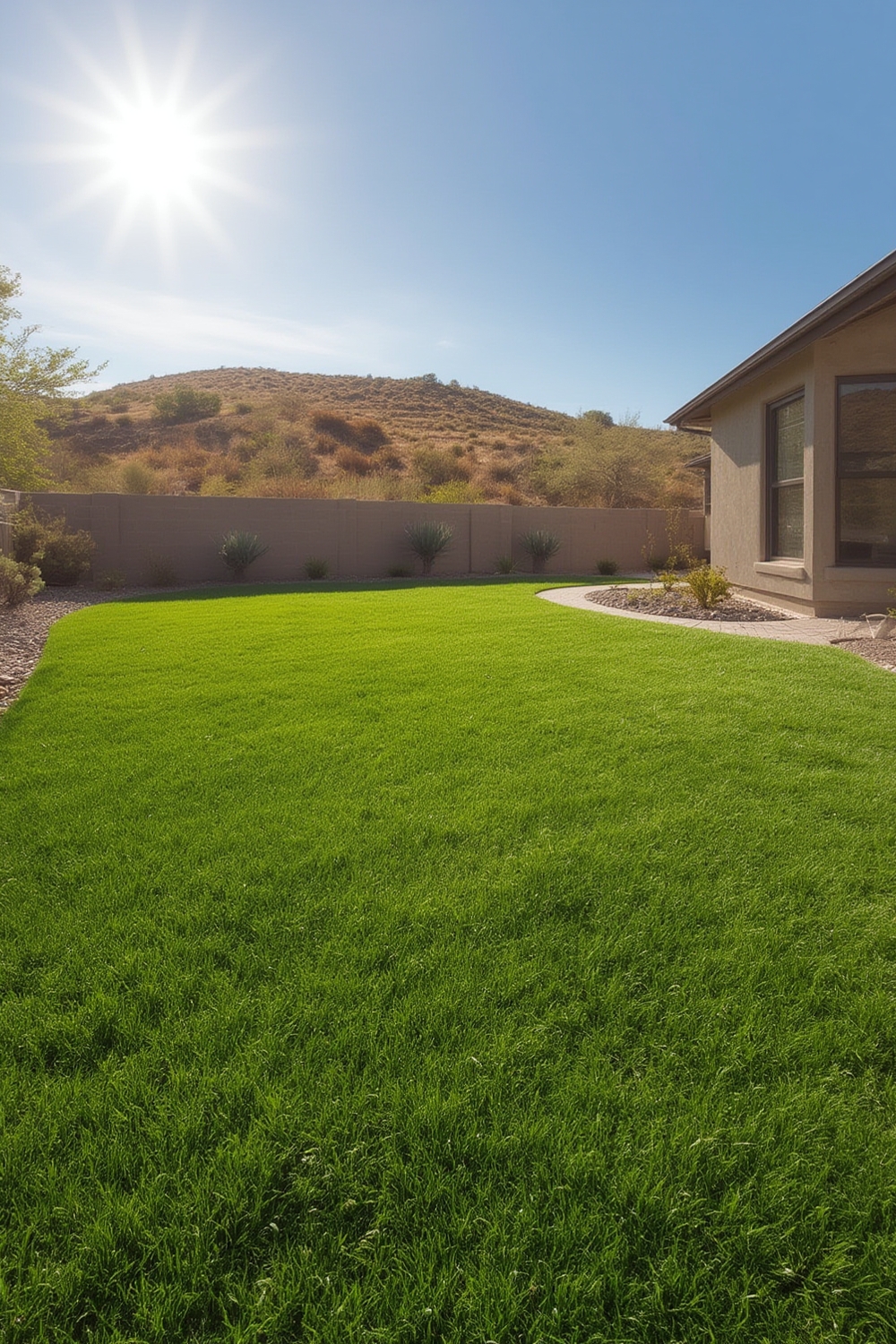
The water savings are dramatic. Studies show switching to drought-tolerant grasses can cut usage by 50–90%. Newer cultivars like TifTuf® Bermudagrass or UC Riverside’s 17-8 and 6-3 can outperform even older “water-wise” types. If you live in a region impacted by seasonal drought, ongoing restrictions, or simply want to reduce your home’s ecological footprint, this lawn strategy is realistic—and rapidly recommended by university extension services from California to Georgia.
Appearance and foot traffic tolerance are strong points, too. For example, TifTuf® Bermudagrass maintains color, density, and durability even in record-setting droughts, and the newest UC Riverside grasses hold green color through winter when traditional warm-season lawns go dormant. Looking for other low-maintenance options? Explore clover lawns as alternatives with additional ground cover benefits.
How to Convert Your Lawn: A Step-by-Step Guide
Ready to slash your irrigation bills and keep your backyard green even during restrictions? Follow these steps for a successful transition to drought tolerant grass—whether you start from scratch or overseed an existing lawn.
- Check Local Recommendations and Incentives: Start by asking your university extension or water agency which cultivars are best for your zone. For instance:
- TifTuf® Bermudagrass: Suited for hot climates nationwide, known for extreme drought performance.
Read more - UC Riverside 17-8, 6-3: Newest for California lawns—up to 50% less water, year-long green color. See university data
- Bandera Bermudagrass: USGA-tested, ideal for Arizona and SW desert lawns.
- TifTuf® Bermudagrass: Suited for hot climates nationwide, known for extreme drought performance.
- Clear Out Existing Turf or Weeds: If you’re not using the “smothering trick,” remove old sod and aggressive weeds. Many people have success using a stirrup hoe or stirrup hoe for manual weed removal.
- Amend and Level the Soil: Use organic compost or starter fertilizer to address deficiencies. Ensure even grading for good drainage, especially with drought-resistant Bermuda types that dislike standing water.
- Install Sod, Seed, or Plugs:
- Sod: Fastest results, higher initial cost.
- Seed: Cheapest, but needs more time and prep.
- Plugs: Economical for small lawns or filling patches.
Be sure to pick high-quality sources to avoid contaminated seed mixes.
- Adjust Irrigation: After establishment, set sprinklers for longer, less frequent cycles. Smart controllers pay for themselves by preventing overwatering—some models qualify for rebates.
- Maintain Properly: Water only when you see signs of stress, mow higher, and fertilize lightly. Resist the urge to baby the lawn—drought-tolerant grasses thrive with less attention than traditional turf.
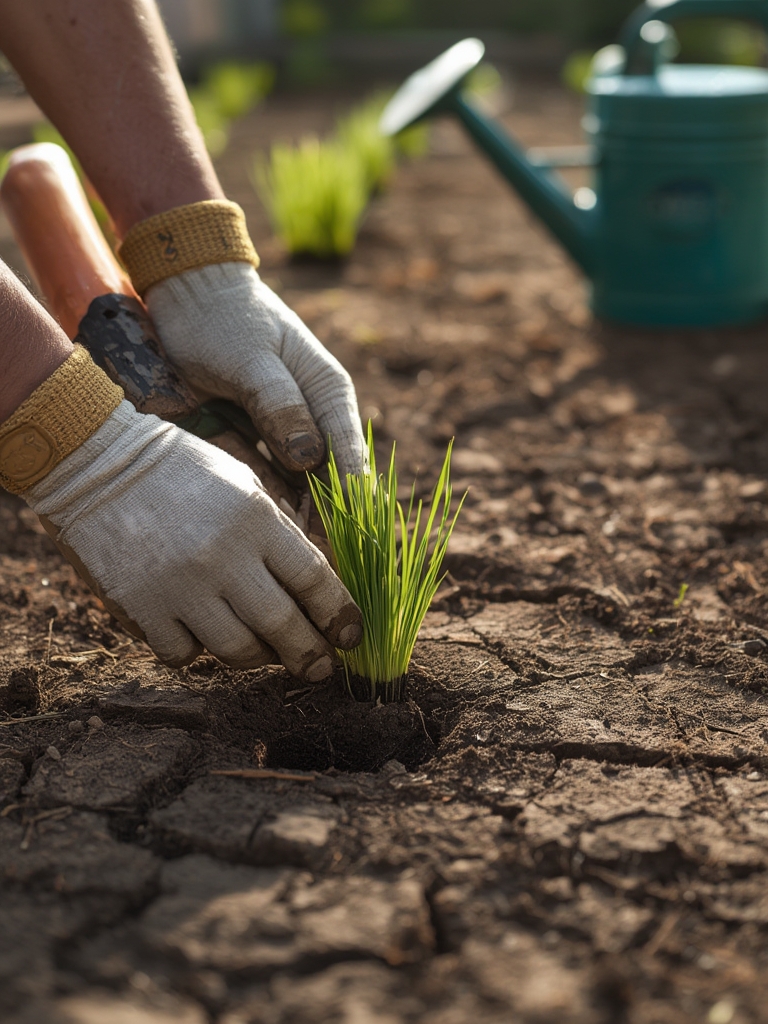
For outdoor seating or dining areas, check out durable outdoor furniture ideas that work harmoniously with your water-wise landscape.
Costs vary by product and region. The good news: Annual water-efficient landscaping savings are $200–800 for most households, with payback in 3-5 years. Ongoing costs drop further thanks to reduced fertilizer and pest management needs.
For additional natural enhancement, many homeowners pair drought tolerant grass with low-input organic lawn fertilizer options to support sustainability goals.
Advanced Analysis & Common Pitfalls
No solution is perfect. While drought tolerant grass has clear benefits, there are real challenges and pitfalls to consider before, during, and after conversion.
| Factor | Drought Tolerant Grass | Conventional Lawn (Cool-Season) |
|---|---|---|
| Water Use | 50–90% less water needed | High, especially in summer |
| Establishment Speed | Several weeks (seed); instant (sod) | Similar timelines |
| Year-Round Color | Some cultivars keep green in winter (e.g. UC Riverside strains); others go dormant | Cool-season types often green in mild winters |
| Upfront Cost | Higher for sod/plugs; seed is economical | Similar range |
| Foot Traffic Tolerance | High for Bermudagrass, Zoysiagrass | Varies; some thin with overuse |
| Maintenance | Lower inputs, less mowing and fertilizing | Frequent mowing, more fertilizing |
| Challenges | Sensitive to poor soil prep, improper irrigation, and shading | Can tolerate some neglect, but needs water |
| Rebates/Incentives | Available in some water-restricted regions (CA DWR example) | Rarely offered |
Typical pitfalls include:
- Poor site prep: Some drought-resistant turfs fail to establish if soil pH, compaction, or leftover weeds aren’t addressed.
- Improper watering: New lawns need consistent, shallow moisture until established; overwatering post-planting can rot roots.
- Expecting zero maintenance: Drought tolerant does not mean maintenance free. Occasional mowing and fertilizing are still needed for best results. For weed control, tools like the stirrup hoe make updates easy without harming your sensitive new grass.
- Shade sensitivity: Warm-season drought-tolerant grasses struggle in dense shade; mix in groundcovers or consider a clover mix for shaded spots.
- Unrealistic expectations: Color and texture may differ somewhat from the “golf course” look of old-fashioned lawns.
For photo inspiration, see the image below.

Conclusion
Drought tolerant grass is no longer a risky experiment—it’s now a proven, smart choice to save water, control long-term lawn costs, and help cities face persistent drought. Modern varieties like TifTuf®, Bandera, and UC Riverside’s patented strains deliver strong color, reduced irrigation demand, and reliable performance. Keep in mind, though, that transitions require realistic prep and patience – but over time, you’ll see savings, better resilience, and a landscape that aligns with our new climate reality.
Ready to future-proof your yard? Choose your best-fit drought tolerant grass species and take action this season. For more sustainable ideas, visit our guide to sustainable building materials or explore energy-efficient home upgrades.
FAQ
How much water can I save by switching to drought tolerant grass?
Most homeowners reduce outdoor irrigation by 50–90% compared to traditional lawns. Savings vary by grass type, climate, and your previous watering habits. Independent studies confirm top choices like TifTuf® Bermudagrass and UC Riverside’s latest strains far outperform standard cool-season turfs in water use.
Which drought tolerant grass types are best for my region?
For hot, dry climates nationwide, TifTuf® Bermudagrass is a top option. In California, new UC Riverside varieties (17-8, 6-3) deliver exceptional drought and drought season color. Bandera Bermudagrass is recommended for the Southwest. Always consult your university extension for up-to-date, region-specific advice.
Are there rebates or incentives for installing drought tolerant turf?
California offers turf replacement programs and local water agencies may partner with homeowners for further savings. Los Angeles County encourages drought-tolerant lawns through recent restrictions. Check your municipality or water provider for updated incentives in your state.
What’s the biggest mistake people make when switching to drought tolerant lawns?
Poor soil preparation is the main problem—failing to address compaction, drainage, or existing weeds leads to a struggling or patchy lawn. Skimping on proper establishment watering or expecting instant results are other common pitfalls.
Does drought tolerant grass stay green all year?
Some new warm-season types, like UC Riverside’s patented Bermudas, retain green color much longer into winter than typical bermuda or bluegrass. However, complete year-round green is rare except in frost-free regions or with a mix of cool and warm-season varieties.
