

Organic lawn fertilizer is gaining momentum with homeowners who want healthier lawns and sustainable landscapes—without chemical runoff. But before you switch, you need to know exactly what works, what doesn’t, and how to avoid expensive, slow, or disappointing results. This guide delivers the facts, latest costs, step-by-step transition tips, hidden pitfalls, and DIY shortcuts you won’t find in most “green” gardening articles.
Key Takeaways
- Organic lawn fertilizer improves soil health, water retention, and drought resilience, but results take longer to appear compared to synthetics.
- Costs can be higher and nutrient content less predictable—be ready for 2-6 weeks until you see visible results.
- Most “organic” articles skip real-world challenges and long-term side-by-side data—this guide fixes that.
- What Is Organic Lawn Fertilizer and Why Is It Different?
- How to Switch to Organic Lawn Fertilizer: Step-by-Step Guide
- Advanced Analysis & Common Pitfalls: Is Organic Worth It?
- Conclusion
- FAQ: Organic Lawn Fertilizer
What Is Organic Lawn Fertilizer and Why Is It Different?
Organic lawn fertilizer is derived from natural materials—plants, animal byproducts, or minerals—that return nutrients to your lawn slowly, over time, rather than flooding it with a quick chemical fix. Unlike synthetic products, high-quality organic fertilizers feed both your grass and the living soil ecosystem beneath: microbes, earthworms, fungi, and beneficial bacteria.
Why does that matter? Studies show organics promote better soil structure, stronger root systems, and increased water retention. They’re usually less prone to causing harmful runoff and don’t deplete your soil over time. A 2012 study found that organic fertilizers increased soil microbial biomass, although some diversity was reduced. Real transformation happens underground, benefiting your lawn in the long run.
However, organics are rarely a quick fix. You’ll wait longer for results—2-6 weeks compared to just 2-7 days for synthetic options. Nutrient levels can be inconsistent from batch to batch, making application trickier. Bulkiness is a factor too: you’ll need more product per application, which impacts storage and spreading.
Cost-wise, according to LawnStarter, a professional organic application ranges from $200 to $500, while synthetics fall between $100 and $300. For detailed comparisons, check out GreenWing Services’ breakdown.
How to Switch to Organic Lawn Fertilizer: Step-by-Step Guide
Switching to organic fertilizer is easiest if you plan, time applications properly, and adjust your lawn care habits for success. Here’s a practical, actionable roadmap:
- Pick the right timing. Early spring or early fall work best, with mild temps and regular rain. Don’t switch during summer droughts or late fall dormancy—you’ll waste product and stress your grass.
- Choose your organic product (or blend). Look for reputable brands or go DIY—top picks include composted poultry manure, feather meal, seaweed extract, alfalfa pellets, or granular mixes. For a deep dive on easy weeding and prep, read our Complete Guide for Happy Gardeners and Home Depot Shoppers about the hula hoe.
- Apply at the correct rate. Organics usually require 2 to 5 times more material (by weight) than synthetics. Always follow bag directions or test small patches first. Water thoroughly after applying to activate nutrients.
- Supplement with compost or biochar. Layering quality compost or biochar speeds up results and supports soil life—learn more about sustainable practices in our Sustainable Building Materials Guide.
- Reduce weed & pest pressure naturally. Healthy, well-fed lawns crowd out weeds. For easier weeding, see our Ultimate Stirrup Hoe for Weeding guide.
- Monitor and adjust. Expect visible improvement in 2-6 weeks. Don’t panic if results are slow—organics build over time. If you want a chemical-free, ultra-resilient yard, explore options like a clover lawn for water savings.
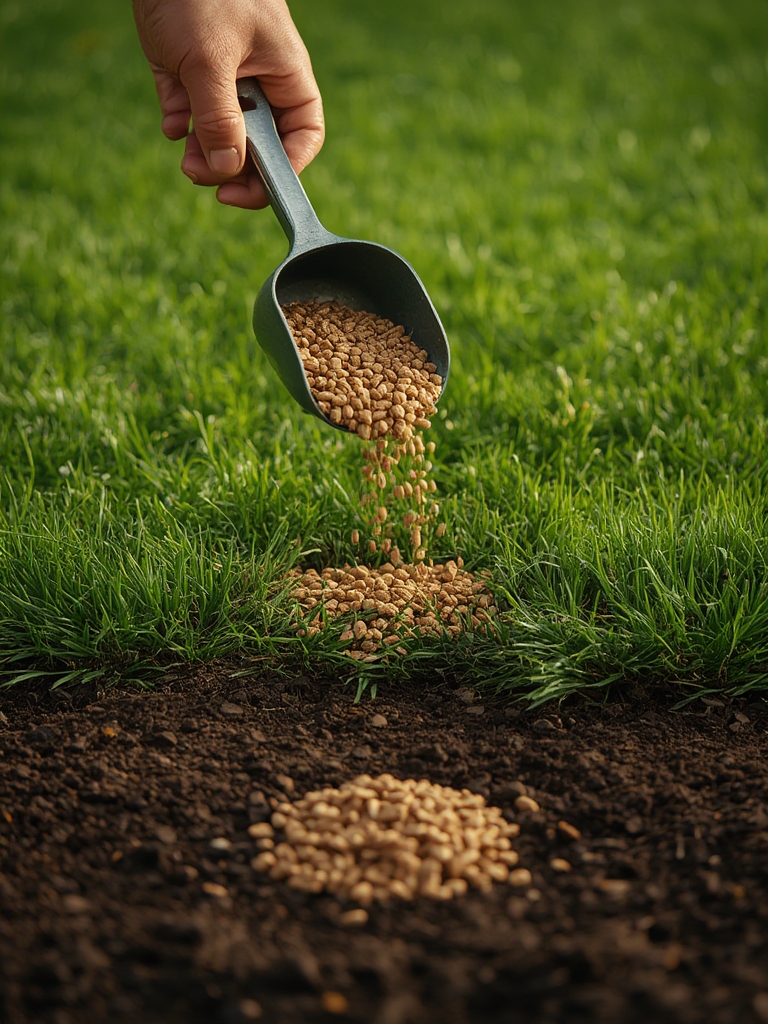
Want to go ultra-DIY? Homemade organic fertilizer options include:
- Coffee grounds & banana peels: Dry, crush, and sprinkle for potassium and minor nutrients.
- Compost tea: Brew your own “eco-friendly lawn drink” with compost and water, then dilute and spray.
- Molasses & seaweed mixes: These feed microbes and promote greener growth.
For more on composting and low-impact garden management, see our guide to DIY Home Improvement Projects.
Advanced Analysis & Common Pitfalls: Is Organic Worth It?
Switching to organic is not “set it and forget it.” Despite the greener image, there are real-world downsides and mistakes that can waste money or stall progress. Here’s how the major factors stack up:
| Factor | Organics | Synthetics |
|---|---|---|
| Time to Results | 2-6 weeks (slow) | 2-7 days (fast) |
| Nutrient Consistency | Varies by batch; may be unbalanced | Consistent NPK every bag |
| Application Rate | Often 2-5X more material per 1000 sq ft | Lower weights per 1000 sq ft |
| Long-Term Soil Health | Improves structure, microbes, root depth | No long-term soil benefit; may deplete over time |
| Cost per Application* | $200-$500 (pro) | $100-$300 (pro) |
| Drought Tolerance | Improves markedly over time | No effect; may increase watering needs |
| Environmental Impact | Usually low runoff, minimal pollution | Moderate-high risk of runoff, pollution |
| Kid/Pet Safety | Generally safe after immediate application | Potential for residue & exposure |
*Source: LawnStarter Professional Cost Data
Common Pitfalls Most People Miss
- Impatience: Expecting fast results leads many to “double down” on fertilizer. Organics need time—overapplying can actually stress your lawn.
- Improper product storage: Organic fertilizers can mold, clump, or attract rodents if left open in humid sheds.
- Ineffective application: Spreading in dry, hot spells can waste product, as soil microbes aren’t active. Apply before rain or irrigate well.
- Neglecting annual soil testing: Without annual insight into pH and nutrient changes, you risk nutrient lock-out or deficiency.
- Ignoring integrated lawn care: Fertilizer alone won’t rescue compacted or poorly drained lawns. Combine with aeration, overseeding, and organic weed control for real results. For weed solutions, see our stirrup hoe guide.
Missed by Most Articles: Rules, Registrations, and Safe Ingredients
- Few U.S. or European regulations specific to organic lawn fertilizers were found for 2024. Research local codes if you live in a regulated water district or HOA.
- Specific “high-performing” ingredients—like mycorrhizal fungi, biochar, and kelp meal—aren’t always included in bagged products. Read labels (not marketing claims) and seek products listing sources like feather meal, bone meal, blood meal, or enriched compost.

Conclusion
Switching to organic lawn fertilizer can create greener, tougher, more resilient grass and soil. The benefits build up—not overnight, but over seasons of care. Be ready for a longer payoff, a bit more work, and higher initial investments. In return, you get a lawn that’s safer for people, pets, and pollinators, and that’s built to last. Ready to start? Test your soil, select the right organic blend, and commit through the first full season—your yard will thank you. Explore more green living tips on Sustainable Building Materials and learn about alternative lawns in our clover lawn guide. If you want a vibrant, future-proof yard, organic lawn fertilizer is the upgrade that pays off long term.
FAQ: Organic Lawn Fertilizer
How long does it take for organic lawn fertilizer to work?
Expect 2-6 weeks to see visible results, as organic fertilizers release nutrients slowly and depend on soil microbial activity. Synthetic fertilizers act within days, but the improvements from organics are longer-lasting.
Is homemade organic fertilizer as effective as commercial products?
Homemade options like compost tea and kitchen scraps can boost soil health and microbe activity, but their nutrient levels are inconsistent compared to commercial blends. Use homemade options as a supplement, not a total replacement, for best results.
What ingredients should I look for in a quality organic fertilizer?
Top performers are meal-based (feather, bone, blood), poultry manure, seaweed/kelp extract, and formulas with compost or biochar. The label should state sources clearly and avoid chemical additives.
Can I switch from synthetic to organic without killing my lawn?
Yes, but plan your transition: test your soil, avoid application in peak heat or drought, and be patient. Temporary yellowing or slow growth is normal—stick with organic for at least one full season before judging results.
Is organic fertilizer safe for kids and pets?
Organic fertilizers are generally safe once watered in. Still, keep kids and pets off the lawn until the fertilizer is absorbed, especially if animal-based products are used, to avoid odors or possible contact with pathogens.
