

Dog food fresh is quickly changing the way pet owners feed their dogs, offering meals that look and smell like real food—not dry, anonymous pellets. But is it really better, and what challenges do you face if you make the switch?
Key Takeaways
- Dog food fresh is growing rapidly and subscription models are a major industry trend.
- Fresh meals offer benefits like less processing and higher palatability, but require strict storage and come at a premium price.
- Real-world challenges include food safety, packaging waste, digestive upsets, and inconsistent batches.
- 1. What Is Dog Food Fresh and Why Is It Trending?
- 2. How To Start Feeding Your Dog Fresh Food: Step-by-Step Guide
- 3. Advanced Analysis & Common Pitfalls
- 4. Conclusion
- 5. FAQ
What Is Dog Food Fresh and Why Is It Trending?
Dog food fresh refers to minimally processed, often human-grade meals for dogs—usually gently cooked and delivered refrigerated or frozen. These meals are marketed as healthier, tastier, and more natural than traditional kibble or canned dog food. The appeal? Owners see real meats, veggies, and grains, prepared just like home-cooked food, with no hard-to-pronounce additives.
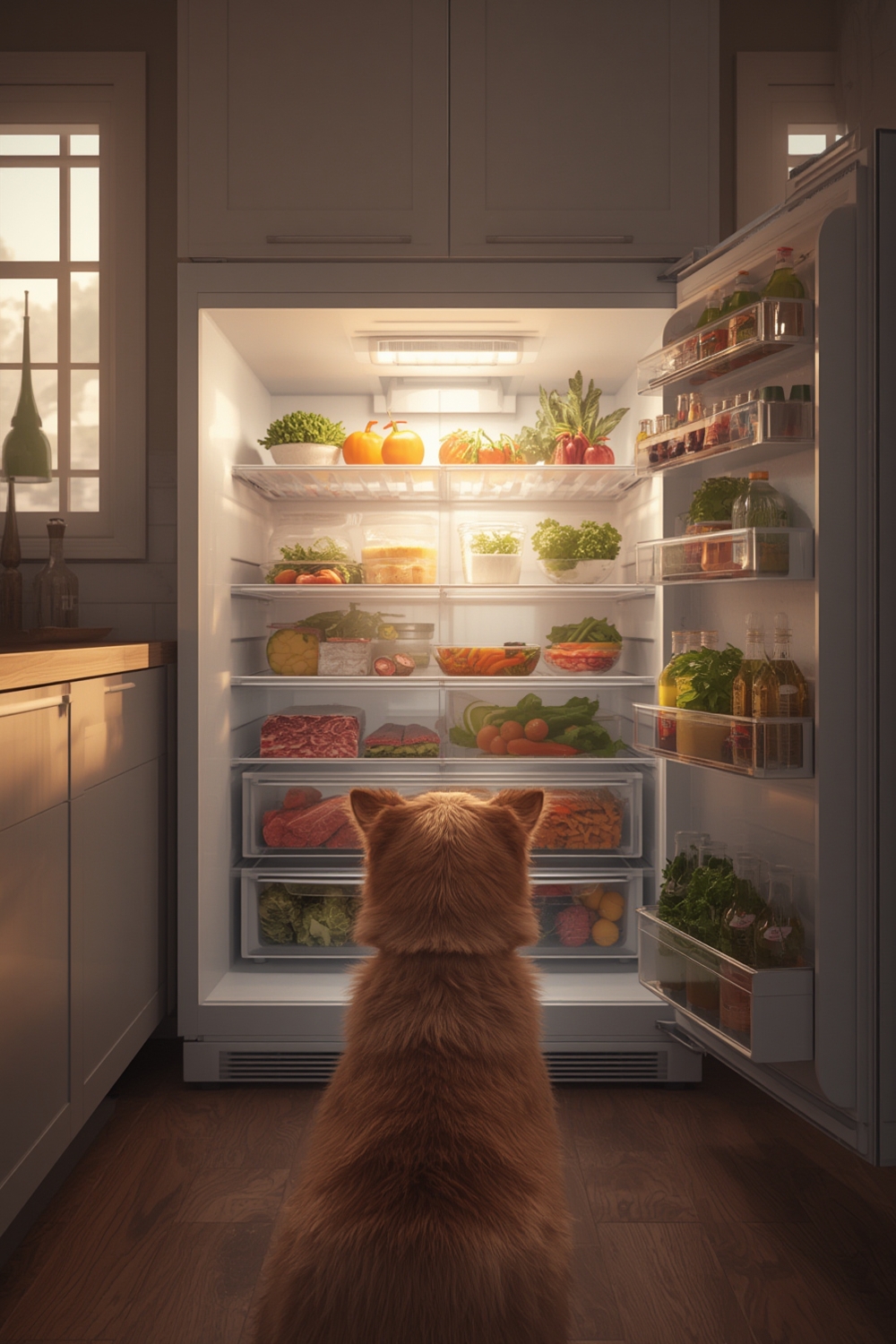
The trend is hotter than ever: the global market for fresh pet food hit $102.5 billion in 2023 and is predicted to reach $144.35 billion by 2030. Within this, raw, fresh, and frozen dog food alone is set to jump from $17.7 billion in 2024 to $23.7 billion by 2029.
Subscriptions and ecommerce are supercharging this growth. Busy owners want low-effort, premium food on a regular delivery schedule, and companies like The Farmer’s Dog and Nom Nom have tapped into that need. Even big brands like Freshpet are now filling grocery refrigerators, competing for shelf space with human food.
If you’re still feeding only kibble, you’re not alone—but more owners are asking “Does my dog really thrive on processed food?” and trying these new options.
Related: Looking for the right feeding gear? Check out The Complete Guide to Dog Bowls.
How To Start Feeding Your Dog Fresh Food: Step-by-Step Guide
- Assess your dog’s needs. Consider age, breed, weight, allergies, and any medical conditions. Not all fresh brands support custom diets—explain any sensitivities up front.
- Research reputable brands or consult a vet nutritionist. Pick commercial fresh meals that are AAFCO-complete and balanced. Home-cooking? Only use vet-formulated recipes, and don’t skip supplements.
- Order and unpack deliveries promptly. As soon as your shipment arrives, confirm the packs are cold and store in the freezer or fridge as directed.
- Transition gradually. Mix small amounts of fresh food into your dog’s usual diet over 5-7 days. Slow changes reduce digestive upset.
- Portion and serve. Follow measuring guidelines, thaw portions in the fridge, and discard uneaten food within 2-3 days.
- Monitor your dog’s response. Watch for changes in appetite, stool consistency, weight, and skin/coat health. Adjust portions or switch recipes if needed.
- Maintain backup plans. Keep at least a few days of extra food on hand for missed shipments or power outages—reliable cold storage is essential.
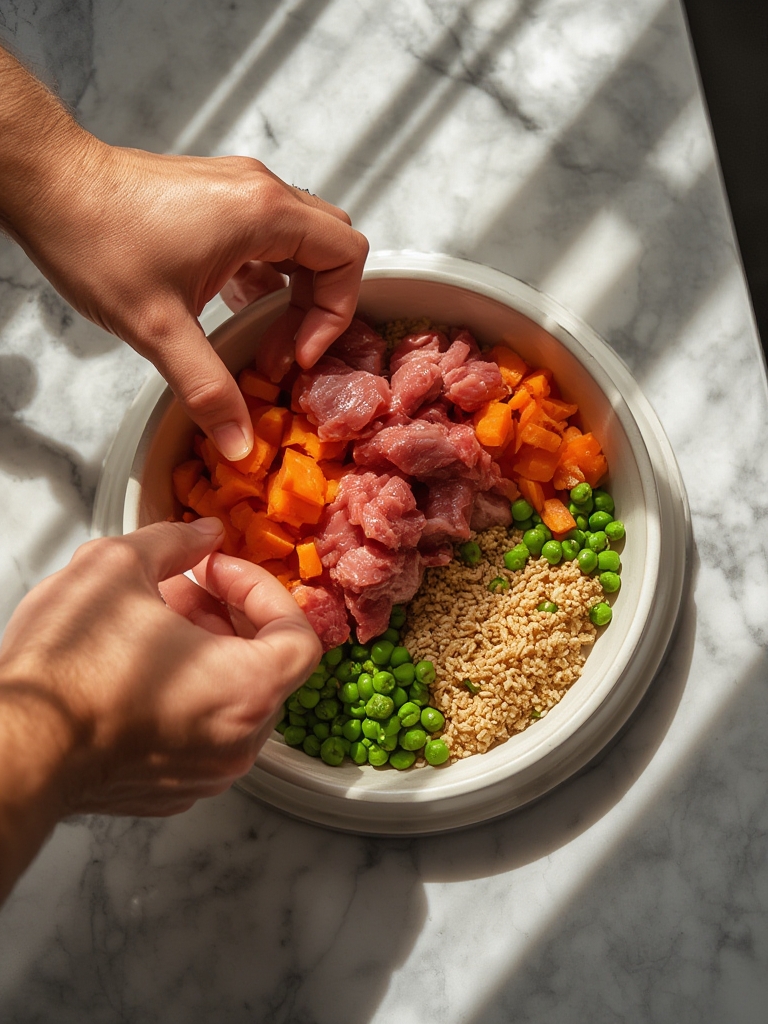
Traveling? Bring a soft-sided cooler and ask hotels about mini fridge access in advance. If your dog is picky, try lightly warming meals to bring out aroma, but never microwave unevenly (can cause hot spots).
For more on keeping your dog happy on the go, our Complete Dog Harness Guide covers safe travel tips.
Advanced Analysis & Common Pitfalls
Switching to dog food fresh is rewarding, but it introduces new complications not found in kibble. Here’s what you need to know—and avoid.
Common Real-World Challenges
- Storage headaches: Fresh meals require freezer/fridge space, both for storage and backup. City apartments or busy households often struggle to fit packs—or forget to thaw them in time.
- Delivery and shipping risks: Missed shipments leave owners scrambling. If food arrives partially thawed, it may be unsafe. Brands advise food must be “cold to the touch,” but there’s little transparency about exact temperature control or cold-chain monitoring. Research highlights this as a growing issue.
- Cost escalation: Subscriptions for large dogs can reach $300 or more a month—often far outpacing kibble or even quality canned food. Price hikes and “sticker shock” are high on complaint lists.
- Digestive upsets: Soft stool, diarrhea, or food refusal are common during and after the switch, especially if transitions are rushed or recipes lack rotation.
- Pet pickiness: Some dogs lose interest or pick out only their favorite parts, wasting food.
- Packaging waste: Insulated liners, gel ice packs, and bulky boxes add up. While some brands move to eco-friendly materials, not all packaging is easily recyclable or compostable. See our guide to Sustainable Building Materials for ways to offset waste elsewhere in your home.
- Inconsistent batches: Users report differences in color, moisture, texture, and portion sizing from shipment to shipment. This creates hesitancy and makes some owners worry about quality control—and safety.
- Health risk from DIY: Home-cooked diets without professional guidance almost always lack key nutrients (especially calcium, zinc, and some vitamins), leading to deficiencies or, rarely, toxicity. If cooking at home, consult credentials at a Pet Health Center before starting.
| Feature | Fresh Dog Food | Kibble | Canned |
|---|---|---|---|
| Moisture | 65-80% | ~10% | 70-80% |
| Processing | Lightly cooked Minimally processed |
Extruded at high heat | Sterilized (retort) |
| Shelf life (unopened) | 7-180 days | Months to years | Years |
| Price (mid-sized dog) | $120–$240/mo | $30–$60/mo | $70–$200/mo |
| Convenience | Medium (Prep/storage required) |
High (Scoop and serve) |
Medium (Open and serve) |
| Allergy/medical support | Some support (Customization varies) |
Wider range (Limited ingredient options) |
Wide |
| Packaging waste | High (Insulation, ice packs) |
Low | Medium |
For a balanced comparison of wet dog foods, see our Pedigree Wet Food Guide. If your dog prefers crunchy, try Taste Of The Wild Dry Dog Food reviews.
Conclusion
Dog food fresh is reshaping what it means to feed your pet well, building on the promise of better ingredients and less processing. But it brings real-world frictions: high prices, storage needs, shipping risks, digestive upsets, and inconsistent batches. The biggest health gains only come when diets are truly balanced and handled safely—the focus should be on quality and dog-specific needs, not just labels.
If you’re considering the switch, read the fine print, plan your logistics, and talk to your vet if your dog has special needs. Done right, fresh food can be a satisfying upgrade for your dog and for you.
Ready to compare options or learn more? Start by exploring pet health guides and resources, and remember to review the storage, cost, and safety steps before buying any dog food fresh plan.
FAQ
Is dog food fresh actually healthier than kibble?
If formulated to meet AAFCO standards and handled properly, fresh food can be more palatable and digestible. However, scientific studies show that “freshness” alone doesn’t guarantee better health—nutritional balance and safety matter most.
How long does fresh dog food last in the fridge or freezer?
Unopened, most brands last 3–6 months frozen and 7–14 days refrigerated. Once opened, use within 3–5 days. Always follow the specific instructions on your dog’s food package.
What if my dog won’t eat the new fresh food?
Start with small portions and slowly mix with the existing diet. Try different recipes or lightly warm the food to boost aroma. If pickiness persists, check with your vet for medical reasons or try established brands known for recipe variety.
Is fresh dog food safe when shipped in hot weather?
It depends on the cold-chain logistics. Food should arrive cold to the touch, with thaw still minimal. If a delivery is warm or smells bad, do not feed it. Contact the brand for guidance or a replacement. Always keep an emergency ration just in case.
