

Home office build out projects are among the top ways homeowners adapt for remote work or hybrid schedules in 2024. Whether converting a basement, attic, or spare room, understanding ROI, practical steps, real risks, and realistic benefits is essential before investing.
Key Takeaways
- Most home office build outs yield a 60–75% ROI, with basement offices typically offering the best returns for resale.
- Critical topics like soundproofing requirements, workspace air quality, and real renovation timelines are under-discussed but can make or break your project’s success.
- Lighting, sound, comfort, and cost overruns are top concerns—plan for them up front to avoid disappointment.
- Understanding Home Office Build Outs in 2024
- Step-by-Step Guide: Planning and Building Your Home Office
- Advanced Analysis & Common Pitfalls
- Conclusion
- FAQ
Understanding Home Office Build Outs in 2024
With remote and hybrid work now the new standard, demand for dedicated workspaces at home continues to surge. A home office build out is a custom renovation—often a spare room, attic, or basement—converted specifically for work, video calls, and productivity. Homeowners in 2024 are choosing to invest here for functional lifestyle gains and potential resale value.
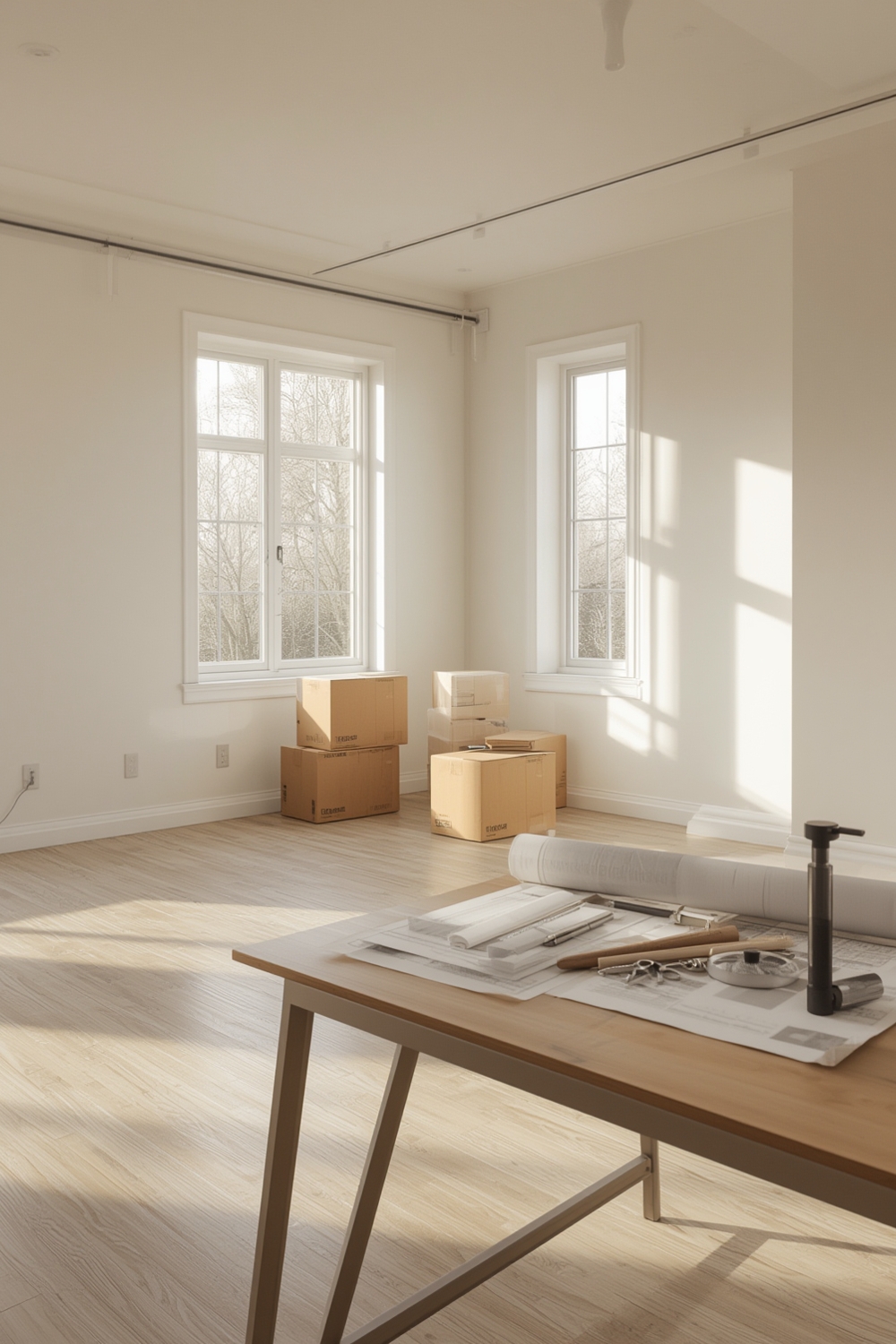
Why? According to recent resale data, converting a basement to a home office can return 65–75% of costs at sale, while other room conversions deliver a respectable 60–70% ROI. With over $600 billion spent on home remodeling last year alone, interior upgrades that serve multiple purposes—like hybrid workspaces—are now top of mind (NAR Remodeling Impact).
However, not all build outs are created equal. Comfort, lighting, air quality, and code compliance can undermine results if neglected. The next section explains how to get it right—step by step.
Step-by-Step Guide: Planning and Building Your Home Office
Transforming a space into a productive work zone requires more than adding a desk and chair. Here’s a straightforward, actionable process to maximize comfort, value, and usability:
- Define Your Needs and Space
List your must-haves: number of monitors, seating type, video call needs, storage, tech equipment. Decide where—closet, attic, basement, or spare room—works best for you and your home’s resale. - Set a Realistic Budget
Expect most projects (materials and labor) to fall between $5,000 and $35,000, depending on scope. Always build in a 15% buffer for surprise costs. - Plan Layout, Lighting, and Power
Prioritize task lighting, abundant outlets, and natural or at least high-quality LED light—window sealing might help with drafts if you’re upgrading a previously unused space. - Address Sound and Privacy
If in a basement or attic, consider double drywall, solid-core doors, or soundproofing panels—even if no specific code mandates exist, client calls and meetings demand tranquility. - Ensure Ventilation and Air Quality
Add vents, consider a HEPA air purifier, and check for moisture—especially in basements. Upgraded ventilation is vital for year-round comfort and can even improve long-term health. - Choose Durable Surfaces and Modular Furniture
Select flooring and surfaces that resist damage. Modular or adjustable desks add flexibility and avoid future ergonomic complaints. - Finish With Tech Integration
Plan for hardwired internet options if WiFi is unreliable. Add charging stations, cable management, and consider future-proofing with smart lighting (smart home integration tips).

Every home is different, but these core steps keep your project on schedule and within budget. For more on eco-friendly upgrades that improve comfort and performance long term, see our guide to sustainable building materials.
Finally, consider future uses—will the space double as a guest room or creative studio? Modular layouts or lightweight furniture can help your investment adapt to changing needs.
Advanced Analysis & Common Pitfalls
Many homeowners dive into a home office build out expecting instant productivity and easy ROI. However, several issues repeatedly cause regret or expense. Here’s an honest look at the biggest pain points and how to avoid them.
- Skipping Soundproofing: Even if local code does not require it, lack of sound barriers (especially in attics or basements) is a leading cause of noise frustration and video call disruption. Solid-core doors and adding mass (like double drywall) help.
- Poor Lighting Choices: Insufficient or harsh lighting can cause eye strain and reduce energy. Layer natural, task, and ambient lights tailored to your routine.
- Ignoring Air Quality: Makeshift offices in basements may trap moisture, increasing mold risk (see tips for mold removal). Always test for dampness and ventilate properly.
- Timeline Underestimation: Without contractor references and detailed timelines, unexpected delays are common, especially if you uncover electrical or insulation issues during demolition.
- Ergonomic Oversights: Prioritizing style over function (e.g., a beautiful but non-adjustable desk) often leads to discomfort and future expense on replacements.
- Underestimating Tech Needs: Relying on WiFi in distant nooks or old basements may result in poor connectivity. Hardwire key devices or add mesh extenders.
| Workspace Type | Common Pitfall | ROI Estimate | Best Solution |
|---|---|---|---|
| Basement Office | Humidity, Poor Lighting | 65–75% | Dehumidify, Add Light, Ventilate |
| Attic Office | Overheating, Insulation Gaps | N/A (likely similar to basement) | Insulate, Window Tint, Add AC |
| Closet Conversion | Cramped, Poor Ventilation | N/A | Fans, Compact Furniture, Lighter Colors |
Soundproofing requirements, code guidelines, and productivity studies for these locations are notably absent from most top competitor articles. If you need additional inspiration on how to design healthy spaces beyond productivity, our biophilic design guide offers actionable insight.
Conclusion
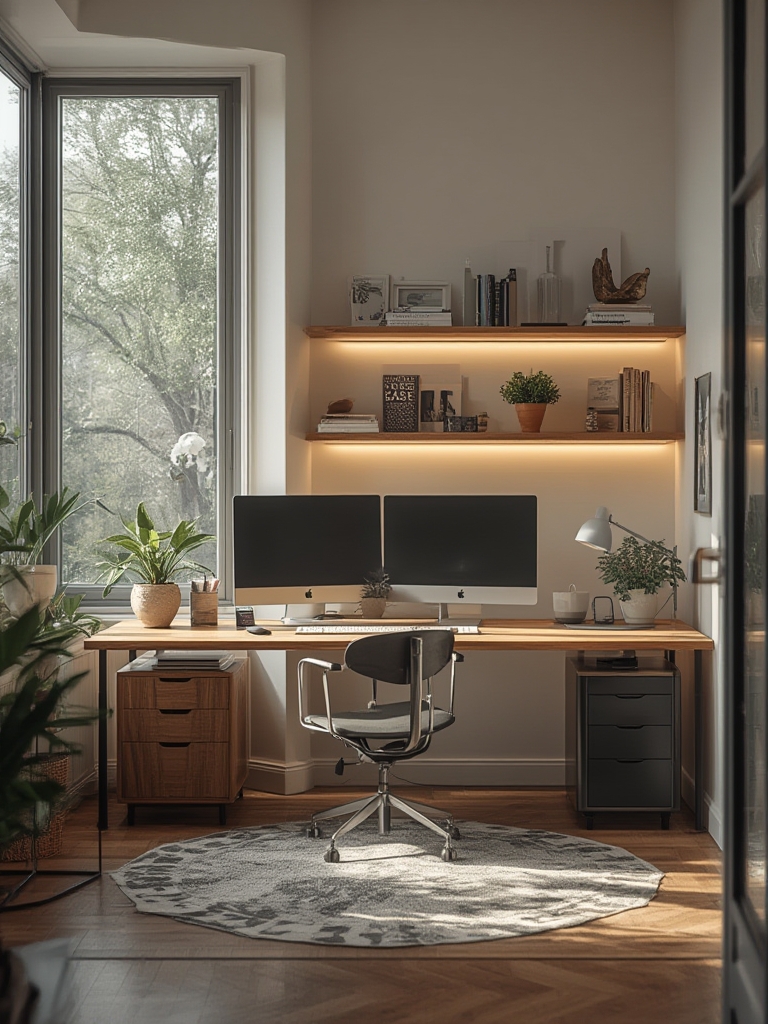
A carefully planned home office build out brings real lifestyle upgrades and solid resale value, especially when investing in sound, air, tech, and ergonomic details. While basements lead on ROI, any space—attic, closet, spare room—can be made work-ready with the right approach and realistic budget expectations. Prioritize a process that addresses your specific needs, builds in flexibility for future use, and anticipates hidden costs or challenges before they become setbacks.
Ready to start your home office build out? Explore our DIY improvement guides or consult with a local renovation pro to get actionable, customized advice for your next step.
FAQ
What is the average ROI for a home office build out?
Returns vary by location, but converting a basement to a home office averages a 65–75% ROI at resale. Room conversions typically see a 60–70% return (source).
How can I prevent mold or dampness in a basement office?
Dehumidifiers, adequate ventilation, mold-resistant materials, and regular checks are vital. If you suspect an issue, refer to our guide to mold removal. To prevent mold or dampness, select a reliable Energy Star dehumidifier sized for your basement.
Is it worth building a home office in a closet or tiny room?
Yes, if you address lighting, air circulation, and use modular furniture. Compact offices can still be highly functional with careful planning and the right storage solutions.
What are the most overlooked features in home office upgrades?
Soundproofing, sufficient electrical outlets, hardwired internet access, and quality task lighting are often ignored but essential for comfort and productivity.
How can I make my home office build out more energy efficient?
Consider window sealing, LED lights, and insulated doors. Our energy efficient home upgrades guide has additional solutions.
