

Natural wood kitchen revival is reshaping kitchen design in 2024, putting the warmth and honesty of real wood at the center of the modern home. If you want cabinets that offer timeless style and substantial value, understanding this trend and how to pull it off—without costly mistakes—is essential.
Key Takeaways
- Natural wood remains the most popular choice for kitchen cabinets worldwide, capturing over 60 percent of market revenue in 2024.
- Key trends include fluted details and warm wood finishes, with oak leading due to its availability and affordability.
- Real wood kitchens require honest maintenance—knowing the pros, cons, and how to manage them ensures long-term satisfaction.
- 1. The Core Concept
- 2. Step-by-Step Guide
- 3. Advanced Analysis & Common Pitfalls
- 4. Conclusion
- 5. FAQ
The Core Concept: What Is Natural Wood Kitchen Revival & Why Everyone Wants It
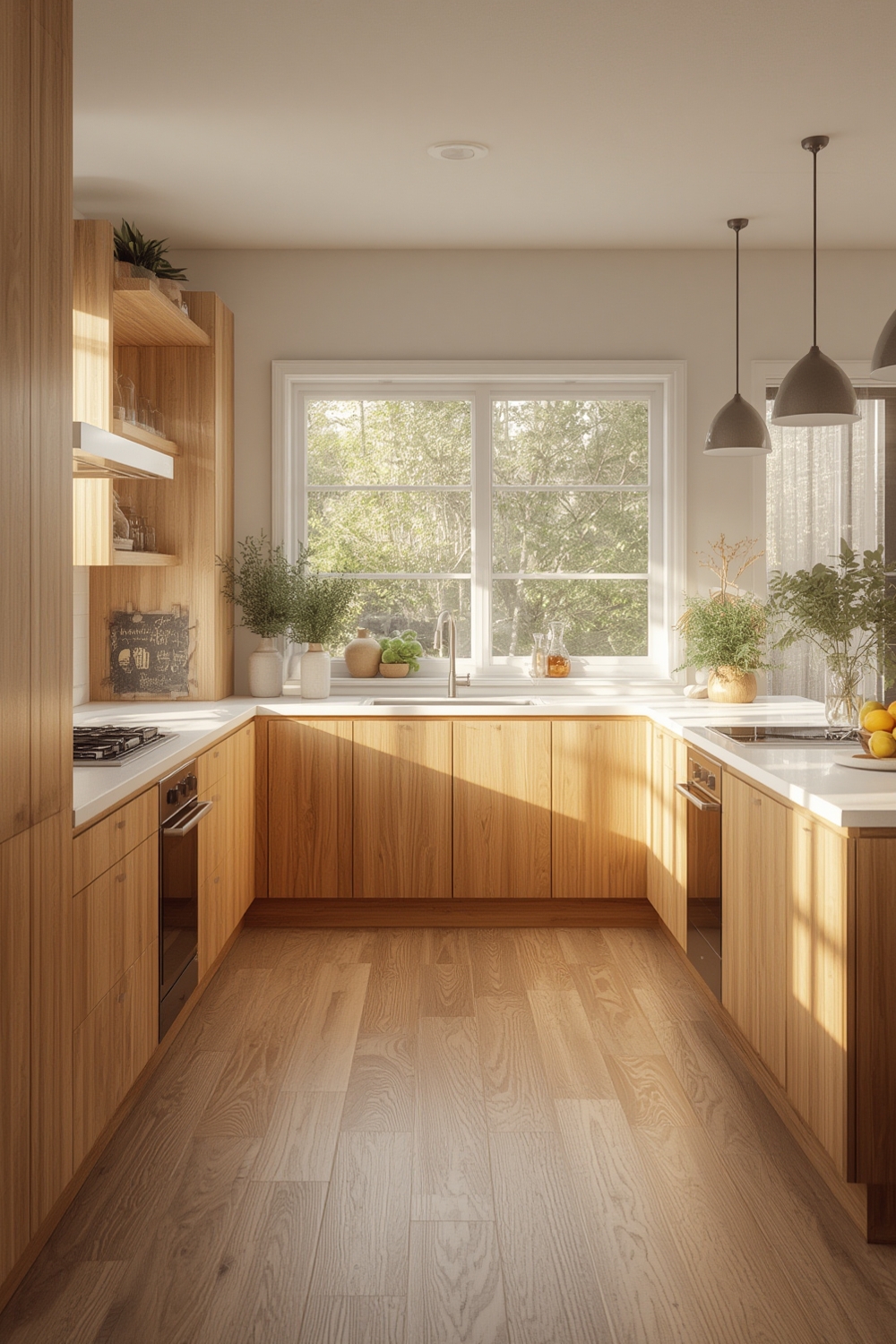
Natural wood kitchen revival centers on celebrating the rich texture, warmth, and authenticity of real wood cabinets—typically left in a clear or lightly stained finish, rather than being painted. This style honors the material’s natural grain, showcasing species like oak, walnut, and ash. In 2024, wood cabinetry accounts for over 60.8 percent of global cabinet market revenue, a testament to its enduring allure.
Why this spike in popularity? Modern homeowners crave organic design, durability, and the feeling of bringing the natural world inside. Oak leads the trend in North America for being both readily available and cost-effective [source]. Combined with new woodworking details—like fluted wood details—natural wood presents a warm, inviting alternative to the sterile white kitchens of the past decade. It’s not just a design trend, but a revival of craftsmanship and comfort in the most-used room of the home.
Step-by-Step Guide: How To Achieve a Natural Wood Kitchen Revival (Avoiding Regrets)
Reviving your kitchen with natural wood is achievable—if you respect the details. Here’s a straightforward plan, from deciding on wood species to maintaining your investment.
- Pick Your Wood Wisely.
- Oak is the leader due to its toughness and price. Walnut offers deep, dramatic tones but at a premium.
- For renters, try removable wood panels or open shelving in solid ash.
- Ask about the source—locally harvested woods often have better durability and eco credentials.
- Decide the Finish Early.
- Natural oil and matte lacquer preserve texture and guard against stains. Avoid high-gloss—natural kitchens look best with a soft sheen.
- Current trends: fluted wood details or simple flat panels, both in clear or honey stains.
- Design for Maintenance.
- Real wood needs periodic oiling or waxing—about once a year. Clean with damp microfiber, not chemical sprays.
- Expect minor dents and scratches—they add character. However, hard woods like oak are less prone to lasting marks.
- Match with Modern Hardware & Lighting.
- Mix cool metals (matte black or brushed brass) with warm wood for visual balance.
- Install under-cabinet lights to deepen wood grain and color—a small upgrade that transforms the look, highlighted in our Smart Home Integration Guide.
- Use Professional Cleaning Methods.
- For deep cleaning and preservation, see our comprehensive guide to wood furniture care.
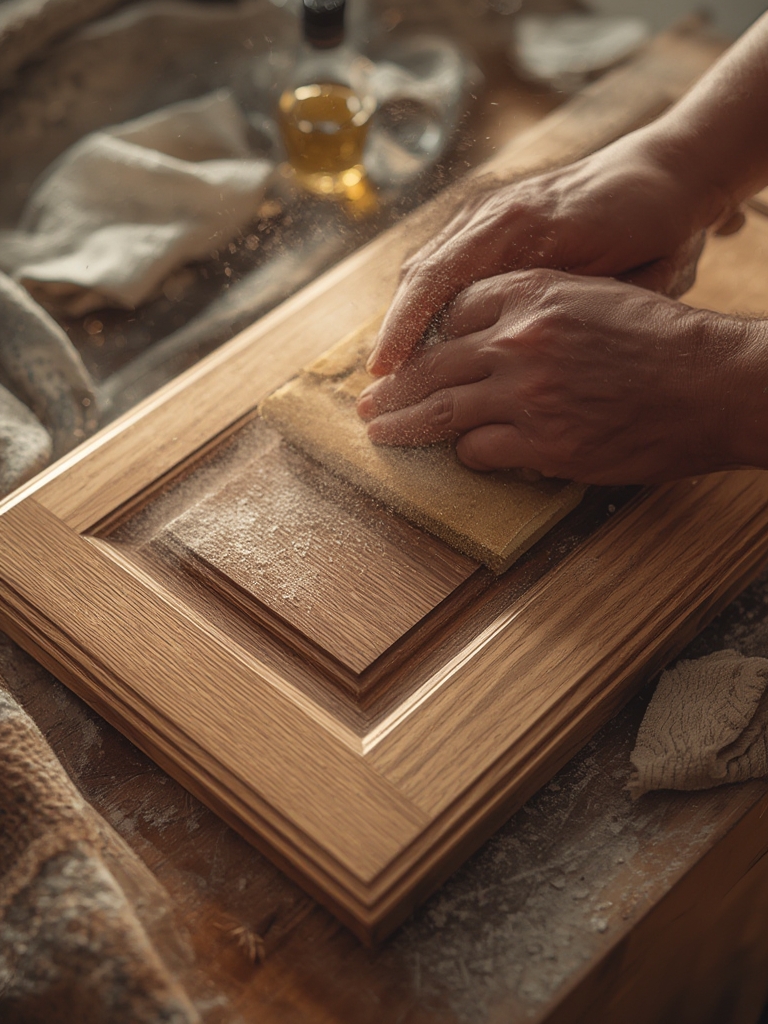
Thinking about refresh instead of a total gut renovation? Revive cabinet fronts with DIY staining techniques to achieve a professional look without major cost or downtime.
Don’t forget: The way you care for real wood impacts its longevity and look. For homes in damp climates, allow for expansion gaps and consider periodic checks, as recommended in industry analysis.
Advanced Analysis & Common Pitfalls: Risks, Problems, and What the Data Shows
Going natural isn’t always smooth. Here are the top challenges—plus smart solutions—so you can decide realistically whether a natural wood kitchen revival is for you.
| Factor | Natural Wood | Painted Cabinets |
|---|---|---|
| Durability | Resists impact; shows dents/scratches but easy to touch up. | Paint chips, but can be spot-repaired easily. Deep scratches expose wood. |
| Maintenance | Needs periodic oil/wax. Sensitive to water and chemicals. | Just wiping; repainting needed if color fades or chips. |
| Cost (2024) | Generally higher upfront, especially for walnut or custom details. Oak is affordable. | Lower for standard painted MDF. |
| Resale Value | Classic if well kept, but less appeal in ultra-modern markets. No direct 2024 market data found. | Trendy, but risks appearing generic or dated quickly. |
Common Pitfalls:
- Ignoring Finish Needs: Skipping annual oiling/waxing makes even oak dry out, risking cracks.
- Water Damage: Areas near sinks and dishwashers are prone. Wipe spills immediately—don’t assume real wood is waterproof.
- Inconsistent Color: Sunlight can fade or yellow natural wood faster than painted finishes. Consider UV-resistant top coats as found in our deck maintenance guide.
- Inadequate Ventilation: Moisture leads to swelling and stuck doors. Build in ventilation and maintain HVAC.
- Sourcing Issues: Not all “natural” wood is eco-friendly. Ask for FSC or similar certification for sustainability, a rising concern not covered by many competitor articles.
Conclusion: Is Natural Wood Kitchen Revival Right for Your Home?
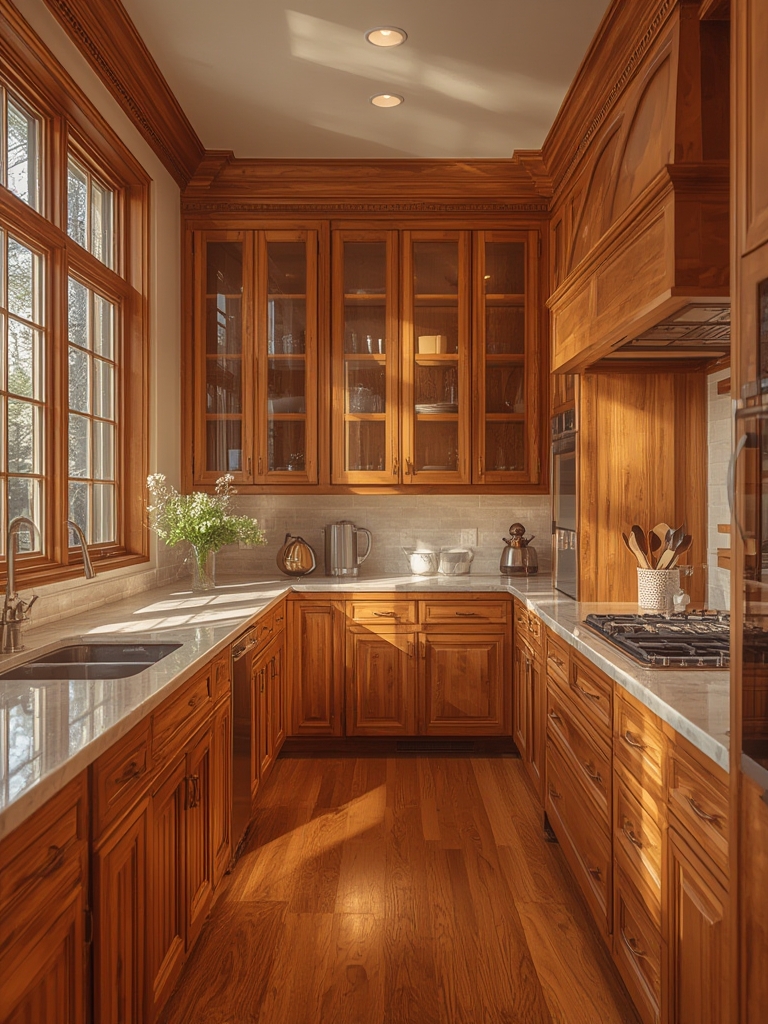
Natural wood kitchens are having a true revival—leading in global market share and favored for their tactile beauty, durability, and the return to organic materials. However, honest maintenance, upfront cost, and wood sourcing all play a role in long-term satisfaction.
Are you planning your own natural wood kitchen revival? Take time to compare options and pay attention to details—natural wood rewards the informed. For advanced techniques, maintenance tips, and finish options, browse our definitive wood staining guide next. Ready to get started? Commit to authentic, well-made wood—and enjoy a kitchen that ages with grace and style.
FAQs About Natural Wood Kitchen Revival
Is natural wood really more durable than painted kitchen cabinets?
Natural wood, especially oak, is naturally resistant to dents and chips, but it does show scratches more obviously than paint. Painted finishes may chip or crack but can be repaired easily. With proper care, both styles are long lasting; maintenance choices make the difference.
What are the biggest maintenance headaches with natural wood kitchens?
Frequent oiling or waxing (at least once a year) is essential. Spills need to be wiped immediately, and harsh chemicals should be avoided. Natural wood also requires checks for warping and fading, especially in areas with high sunlight or moisture.
Is oak better than walnut for kitchen cabinets?
Oak is the top choice in the US due to affordability and local availability. Walnut offers a rich brown color, but at a higher price and sometimes less resistance to dents. The final decision comes down to style, budget, and willingness to maintain the finish.
Can you update old cabinets for the revival look without a full remodel?
Yes! Refacing cabinets with new natural wood doors or adding fluted panels is a practical shortcut. You can also use professional staining or finishing, as described in our no-sand painting guide, for a fresh look without gutting your kitchen.
Are natural wood kitchens more eco-friendly?
They can be if you choose responsibly sourced, FSC-certified wood and low-VOC finishes. Always ask about supply chain transparency if sustainability is important. For ongoing eco-benefits, maintain cabinets correctly for decades of use rather than frequent replacements.
