

Two-tone kitchen cabinets are redefining the heart of the home in 2024, offering more visual interest and flexibility than traditional single-color cabinetry. If you want a kitchen that feels fresh, practical, and effortlessly stylish, this approach deserves a closer look.
Key Takeaways
- Two-tone kitchen cabinets are an enduring trend, adding dimension and increasing buyer appeal for modern and classic homes alike.
- The biggest challenges are color coordination, lighting impacts, and long-term maintenance—for best results, plan colors carefully and use quality finishes.
- Cost comparisons between single-tone and two-tone kitchen cabinets aren’t widely published, but quality of construction outweighs color choice for home value.
- What Are Two-Tone Kitchen Cabinets, and Why Are They So Popular?
- How to Choose and Implement Two-Tone Cabinets: A Step-by-Step Guide
- Advanced Analysis & Common Pitfalls to Avoid
- Conclusion
- Frequently Asked Questions
What Are Two-Tone Kitchen Cabinets, and Why Are They So Popular?
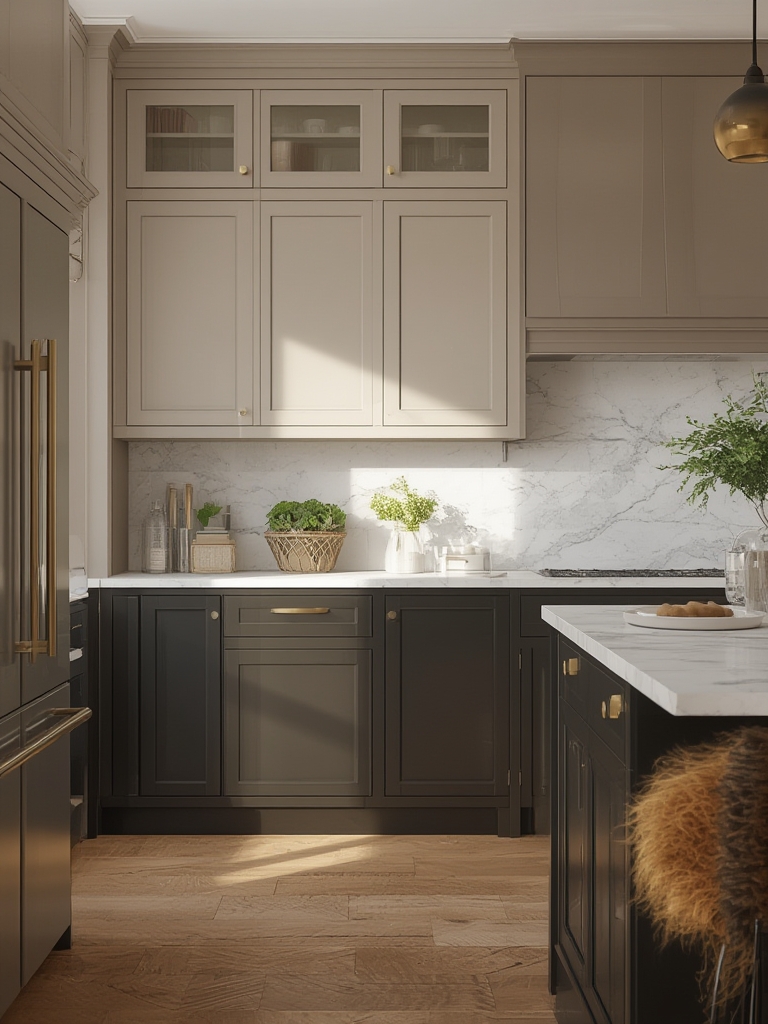
Two-tone kitchen cabinets combine two different colors or finishes—usually on upper and lower cabinets, or sometimes on the island and perimeter units. Popular options pair lighter uppers with darker bases, such as white and navy or wood tones and cream. This look adds depth and visual separation, creating a kitchen that feels more custom and inviting.
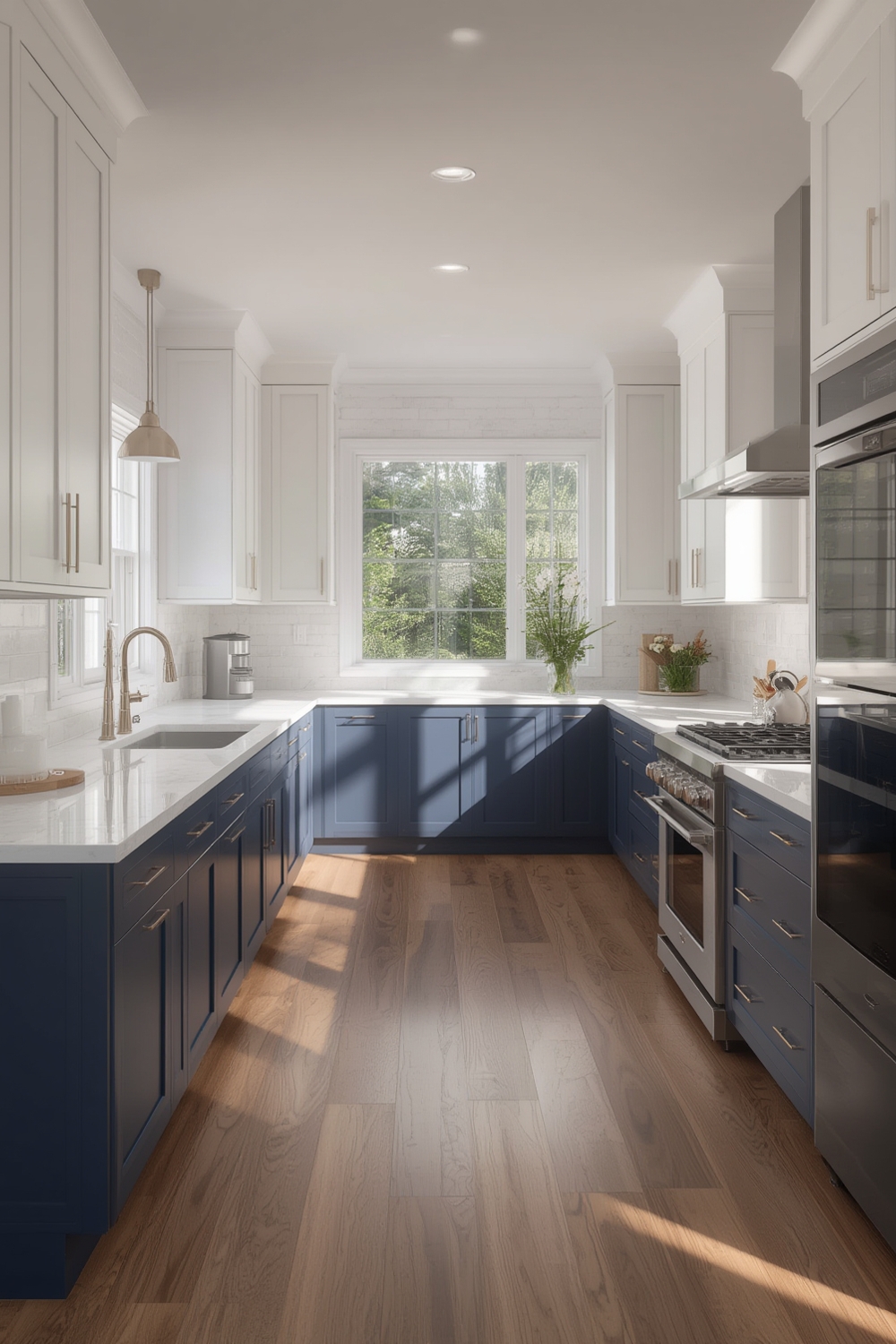
The shift from all-white kitchens to two-tone cabinets reflects homeowners’ desire for warmth, contrast, and a style that stands the test of time. According to industry research, the trend continues to rise in 2024. Shaker cabinets—favored for two-tone looks—now appear in 57% of homes, with more people moving away from the sterile feel of single-color designs.
Importantly, this approach isn’t just aesthetic. It allows you to highlight features, make smaller kitchens look bigger with lighter uppers, and even camouflage mess on darker lowers. Given these benefits, it’s no surprise that designers and homeowners are embracing this practical upgrade.
Interested in other on-trend cabinetry options? Don’t miss our feature: Fluted Wood Cabinets: 7 Amazing Ways to Elevate Your Kitchen Design.
How to Choose and Implement Two-Tone Cabinets: A Step-by-Step Guide
Assess Your Layout and Lighting
Start by mapping your existing kitchen layout and noting natural as well as artificial light sources. Two-tone designs work best where you can create contrast without making the space feel crowded or dark.
Select Complementary Color Schemes
Pick a lighter tone for the upper cabinets to reflect light and visually open up your kitchen. Popular pairings include white and navy, cream and wood, or gray and sage. Always test color swatches at different times of day to account for lighting changes.
Coordinate with Fixed Elements
Your new cabinet colors need to blend with walls, countertops, flooring, and appliances. Use samples to ensure balance, especially if existing surfaces are bold or patterned.
Choose Durable Finishes
Invest in high-quality paints or stains. Two-tone cabinets can experience more touchpoints and cleaning (especially darker lowers), so durability matters. For tips on selecting finishes, explore our comprehensive guide to painting furniture without sanding.
Plan for Functionality
Consider how dirt and wear will show on each color. Darker lowers often hide smudges and spills better than lighter ones. Plan cabinet hardware that complements both tones.
Get Professional Help If Needed
If you’re unsure about colors or installation, a kitchen designer or cabinet pro can help. Don’t be afraid to bring in samples and photos to communicate your vision clearly.
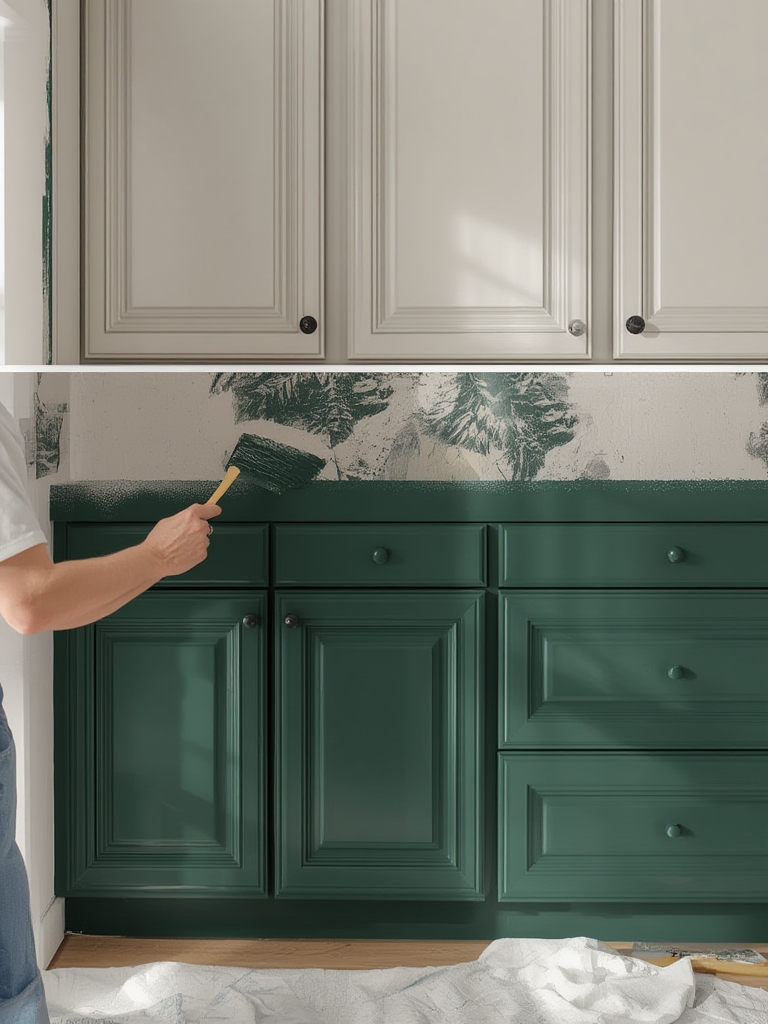
If you decide to repaint existing cabinets, review our step-by-step painting furniture guide to get a professional result at home. For kitchens with wood-tone elements, our staining wood furniture guide offers advice on blending new and old finishes.
Advanced Analysis & Common Pitfalls to Avoid
Two-tone kitchen cabinets deliver style and flexibility, but a few missteps can result in regret or extra costs. Here are the most common pitfalls backed by 2024 research:
Mismatched Colors: The biggest challenge is choosing complementary shades. If colors clash or do not match your fixed elements, the final result can feel chaotic or outdated.
Poor Planning with Lighting: Cabinet colors will look different under LED vs. natural light. Without pre-testing your choices, cabinets may appear dull or even mismatched once installed.
Ignoring Maintenance Needs: Lower-quality finishes will need frequent touch-ups, especially on cabinet bases which take the brunt of daily wear. Two-tone cabinets can sometimes feel like more work if paint or stain chips are prominent.
Skipping Hardware Considerations: Selecting hardware that works well with both colors is often overlooked, leading to visual dissonance or impracticality.
Lack of Market and Cost Transparency: Despite the buzz, there are virtually no published studies showing how many new kitchens install two-tone cabinets, or how much extra (if any) this design costs over single-tone (see source: 2024 Cabinet Trends).
Overlooking Long-Term Wear: Many guides skip discussing paint fading or how wood and painted finishes age together, leaving homeowners unsure about long-term care.
| Factor | Single-Tone Cabinets | Two-Tone Cabinets |
|---|---|---|
| Design Flexibility | Limited | High |
| Visual Appeal | Simple | Dynamic |
| Perceived Space | May feel closed-in | Can feel larger/brighter |
| Maintenance | Uniform cleaning | Lower cabinets hide wear; careful color upkeep needed |
| Market Data | Readily available | Unclear |
Home resale value? Top sources confirm buyers want durability over trends. As long as your cabinets are well-built, bold two-tone choices typically increase appeal if kept neutral or timeless (reference).
If you’re interested in making the most of your home improvement dollar, check out our resources on energy efficient home upgrades and maintenance tips like furniture cleaning services.
Conclusion
Two-tone kitchen cabinets offer real-world design flexibility, increase the sense of space, and can make your kitchen stand out in listings—without requiring a full remodel. While market data and cost comparisons are still evolving, the practical and style advantages make this a smart, modern upgrade.
Ready to transform your kitchen with two-tone cabinets? Take the next step: Learn how to stain or repaint with our painting furniture tutorial or discover ways to maximize your investment with durable maintenance and finish choices. The two-tone kitchen cabinets revolution is here—make it work for your space.
Frequently Asked Questions
Are two-tone kitchen cabinets just a fad?
No, they are considered a long-term trend. Industry reports from kitchen professionals highlight the ongoing increase in popularity and note that two-tone designs add timeless appeal when neutral colors are chosen.
Do two-tone cabinets cost more than traditional single-color kitchens?
Public data doesn’t show clear cost comparisons between single- and two-tone cabinets. Pricing usually depends on finish type, paint or stain quality, and whether you’re buying new cabinets or refinishing old ones.
What are the biggest design mistakes to avoid?
Avoid choosing cabinet colors in isolation. Always coordinate with your kitchen’s floors, walls, and countertop elements, and test swatches in your actual space with both daylight and artificial lighting.
Will two-tone cabinets help with resale value?
Neutral two-tone cabinets typically increase buyer interest without hurting resale value—as long as durability and construction quality are maintained. According to cabinet industry experts, buyers look for well-made, visually appealing kitchens.
How do I maintain two-tone cabinets?
Use gentle, non-abrasive cleaners and soft cloths. Durable paints and finishes resist everyday wear, particularly on darker lower cabinets that hide stains better. For unique materials like wood or fluted finishes, see our fluted cabinets care tips.
