

ADU construction is transforming how homeowners unlock property value, create new rental income, and address housing shortages in high-demand regions. This realistic guide breaks down ADU construction in 2024, rental trends, real pricing, pitfalls, and practical steps—so you can make smart decisions, avoid hidden costs, and maximize your investment.
Key Takeaways
- ADU construction continues to surge with solid rental yields—especially in California and major cities.
- Garage conversions are the lowest-cost ADU entry point, while prefab and modular kits offer streamlined timelines but varying costs.
- Permitting, unexpected fees, and unclear regulations are major hurdles. Do your homework before building.
- What Are ADUs and Why Build One?
- How to Build an ADU: 2024 Step-by-Step Guide
- Advanced Analysis & Common Pitfalls
- Conclusion
- Frequently Asked Questions
What Are ADUs and Why Build One?
Accessory Dwelling Units (ADUs) are self-contained homes located on the same lot as a primary residence. These include backyard cottages, garage conversions, in-law suites, and prefab tiny homes. Homeowners build ADUs to create rental income, provide flexible family housing, or boost property value.
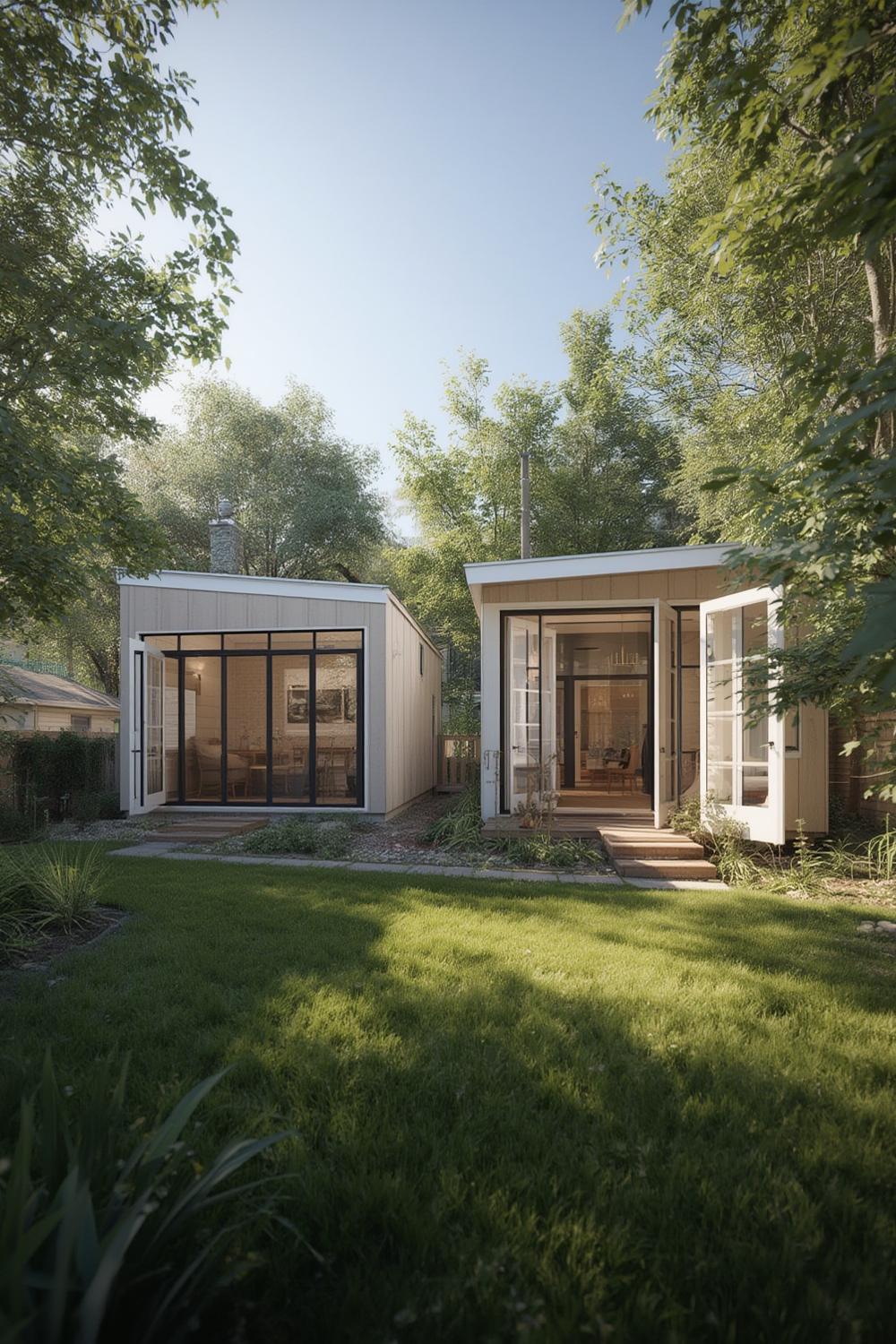
In 2024, ADU construction is booming, especially in cities where housing prices put homeownership out of reach for many. According to recent research, ADU development is set to grow at 9.19% annually through 2032, with Los Angeles and San Francisco leading the way due to affordability pressures (source).
The financial upside is clear. Nationally, a 600 sq ft ADU can generate $1,940/month in rental income. In high-income California areas like San Diego or premium locations such as West Hollywood, long-term rentals can reach $2,600/month or more, and short-term rentals see $3,500 to $5,000 monthly (source, source).
ADUs also lift property values—by 25-50% in California, with the Bay Area averaging 39% appreciation (source). These numbers put ADU projects front-of-mind for homeowners and investors focused on creative ways to generate income or house extended family.
How to Build an ADU: 2024 Step-by-Step Guide
Building an ADU is rewarding, but the process can be daunting. Here’s a practical walkthrough based on today’s regulations and real costs.
- Research Your Zoning and Regulations
- Review city ADU rules online or visit your planning office. Some towns ban renting both main home and ADU—for example, Edina, MN (source). Check for parking, minimum lot size, rental duration, and owner-occupancy rules.
- Choose Your ADU Type
- Pick from detached backyard cottage, attached in-law unit, garage conversion, or prefabricated/modular kits. Garage conversions are the lowest entry point—about $40,000 upfront, often with 80% ROI (source).
- Budget Your Build
- Expect total project costs to vary:
- Garage Conversion: ~$40,000 (basic build-out, no new foundation)
- Detached Backyard ADU: Wide range, with one example at $348,000 all-in for a larger unit in California
- Prefab/Modular Kits: Prices vary—check what’s included (delivery, site prep, permits)
- Factor in regulatory fees, utilities, design, permits, and contingency funds for surprises.
- Expect total project costs to vary:
- Design and Permitting
- Find plans that suit your goals. Hire a local designer or use prefab kit designs. File a complete permit application with the city—expect weeks to months for approvals, depending on backlog and review cycles.
- Hire Your Team
- Decide between local builders (for customization and hand-holding) or prefab providers (for speed). No direct data yet compares granny flat builders with prefab options on quality or cost—ask for detailed quotes and timelines.
- Ask about prior ADU projects, licensing, and reviews. Local contractors may know the permitting landscape best.
- Construction & Inspections
- Breaking ground launches new costs. Maintain open communication with your contractor to keep things on schedule. Prepare for multiple rounds of inspections—plumbing, electrical, structure. Stay flexible, as material delays or change orders can tack on weeks or costs.
- Completion & Move-In
- After final inspections, connect utilities, finish interiors, and get occupancy approval. Set a realistic buffer for last-minute snags, from supply chain hiccups to weather delays. For quick turnover or Airbnb-style rentals, plan your marketing efforts ahead of time.
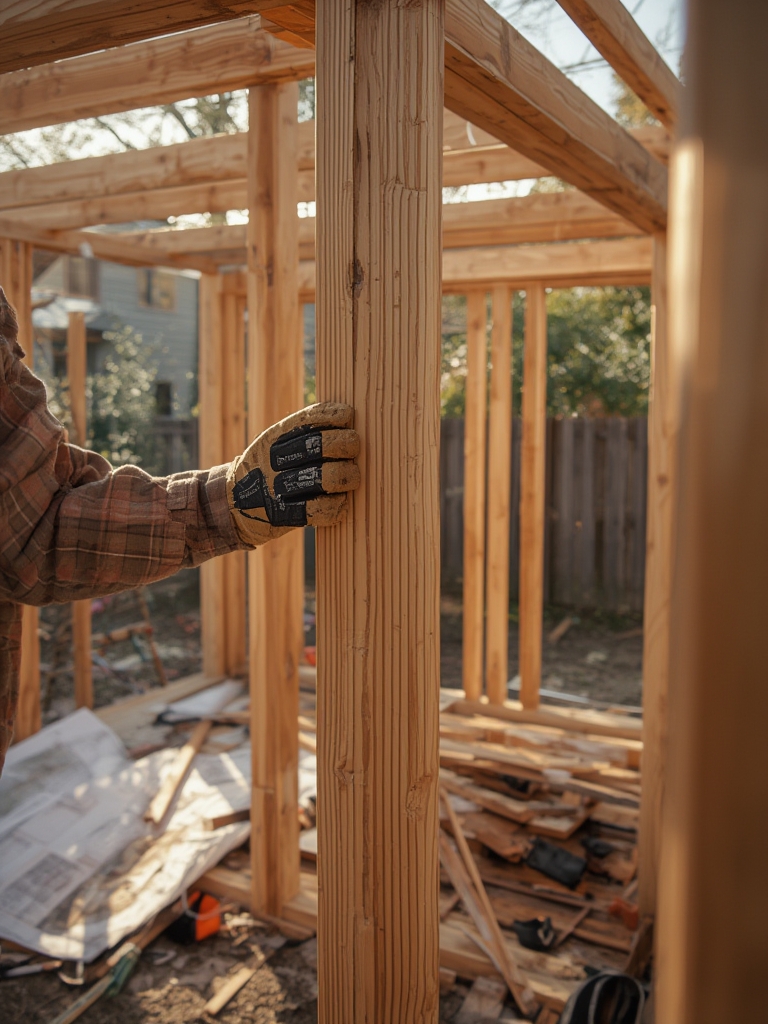
Throughout this process, regular site checks and frequent communication with your team help catch mistakes before they become expensive headaches. Use tech tools and checklists to ensure nothing falls through the cracks.
Want to make your ADU even more efficient or eco-friendly? Consider integrating energy-saving upgrades as you build. If you need outdoor inspiration, see our guide to outdoor living spaces for design ideas around your new ADU.
Advanced Analysis & Common Pitfalls
Most ADU construction projects hit at least one unexpected hurdle. Here’s a closer look at where things go wrong—and how to protect yourself.
| ADU Type | Typical Cost (2024) | Estimated Annual Rental Income | ROI Potential | Main Risks & Downsides |
|---|---|---|---|---|
| Garage Conversion | $40,000+ | $24,000 (CA average) | Up to 80% | May have zoning/parking issues, limited size, possible structural upgrades needed |
| Detached ADU | $150,000–$350,000+ | $39,000 | 10–50% | High up-front investment, lengthy permits, site prep challenges |
| Attached ADU | $100,000–$250,000 | $27,600 | Varies | Requires access through main home, privacy issues, regulatory gray zones |
| Prefab/Modular Kit | Varies widely | Depends on size/local market | TBD | Hidden costs (site prep, utilities), less customization, shipping limits |
- Permitting Delays: Cities often underestimate how long reviews and plan checks take. If you start before approval, you risk stop-work orders or costly corrections.
- Regulatory Surprises: Unclear codes, neighborhood restrictions, or unexpected utility requirements can derail budgets. In some places you can’t rent both your main house and your ADU, thwarting dual-rental plans.
- Cost Overruns: Most projects exceed budget by 10-20%. Underestimating regulatory fees, inspection fees, or last-minute finish upgrades is a top culprit.
- Financing Headaches: Many homeowners are unaware of dedicated ADU loans, relying on home equity or cash savings. Some lenders let you use rental analysis as support for a loan, even if you’re not pre-leased (source).
- Maintenance & Rental Management: Many blogs skip discussing long-term care—expect to budget for routine repairs, appliance replacements, and property management. Don’t overlook the value of deducting expenses or using bonus depreciation for favorable tax treatment (source).
For additional property value protection, ongoing maintenance is just as important as construction. Check out our tips for deck maintenance and tile and grout repair.
Conclusion
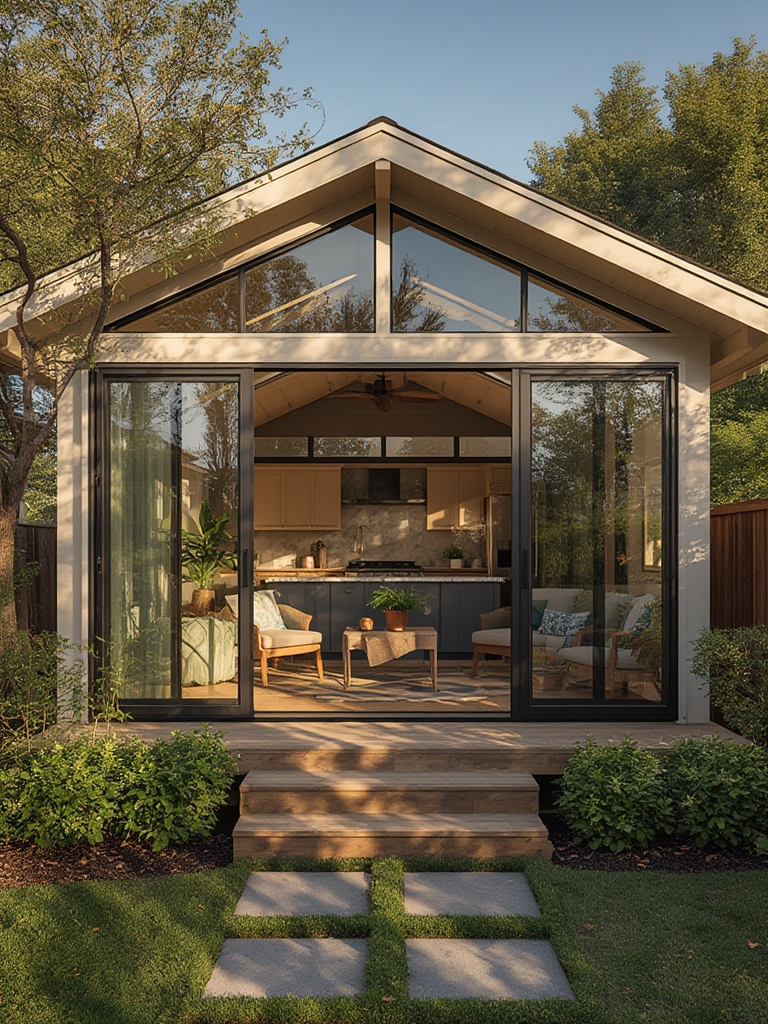
ADU construction is one of the most powerful ways homeowners are increasing property value, generating income, and meeting new lifestyle needs across the U.S. Be realistic about regulations, timelines, and costs—and you’ll sidestep the biggest pitfalls that catch new builders off-guard. If you’re ready to explore ADU construction for your property, start by researching local rules and mapping out your budget. Take action now to make the most of this evolving real estate opportunity.
Want practical answers on specific ADU types, costs, or project planning? Scan the FAQ below, or check our furniture cleaning guide for maintaining both your new and existing homes.
Frequently Asked Questions
How much does it cost to build an ADU in 2024?
Costs vary by type and location. Garage conversions start at $40,000, while detached ADUs can run from $150,000 to $350,000 or more. Prefab and modular kits span a wide range. Always include permit, utility, and contingency expenses in your budget.
How long does ADU construction usually take?
Times vary by city and type. Expect six to twelve months from planning to completion, but permitting and inspections can extend timelines, especially in busy metro areas.
Are prefab ADU kits faster or cheaper to build?
Prefab ADUs can save time and sometimes costs due to offsite manufacturing. Still, you’ll need to factor in site prep, delivery, hookup, and customization costs—which sometimes offset those savings. Quality varies by provider.
What are common ADU permitting hurdles?
Slow permitting is common, especially in cities with high ADU demand. Plan checks, revisions, and compliance with local rules or neighborhood associations all add to delays. Always get clear requirements before starting.
Can I rent both my main house and the ADU?
Check local ordinances—some cities, like Edina, Minnesota, prohibit renting both simultaneously to preserve community balance. Review your city’s rules before investing in dual rentals.
