

Discover the hula hoe, a stirrup-style scuffle hoe prized for fast, ergonomic weeding in vegetable beds and flower borders. This article explores how it works, when to use it, how to choose durable models, buying tips for retailers like Home Depot, and care and safety best practices. Learn to keep beds weed-free with less effort and minimal soil disturbance.
Understanding the hula hoe and how it works
A hula hoe—also called a stirrup hoe, hoop hoe, oscillating hoe, or scuffle hoe—is a lightweight hand tool used for weeding and cultivating soil in gardens. All these names describe a closely related family of scuffle hoes. This tool is designed primarily to cut weed roots just below the surface of the soil with minimal soil disturbance, making it especially useful in densely planted beds and for shallow-rooted weeds.
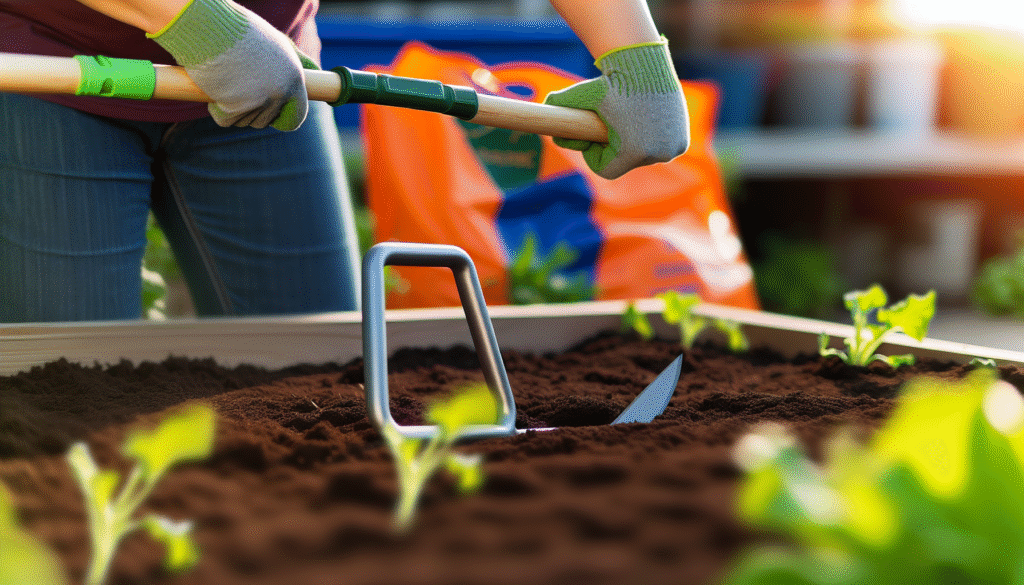
The defining feature of the hula hoe is its rectangular or stirrup-shaped blade, typically about 3–6 inches wide. The blade is sharp on both front and back edges, allowing it to cut weeds on both the push and pull strokes. The blade is attached to the handle with a hinged or flexible mount, letting it oscillate back and forth as you move the tool. This motion keeps the blade almost parallel to the soil surface and allows it to glide smoothly just beneath the top 1–2 centimeters of soil—enough to slice through the roots of annual weeds without the need for deep digging or heavy chopping.
To clarify where the hula hoe fits among garden hoes, compare the two main classifications:
- Draw hoes have solid blades fixed at a right angle to the handle; they’re used by chopping downward and then pulling the blade towards you, which is better for breaking up soil or deep grubbing.
- Scuffle hoes, like the hula hoe, have open or looped blades oriented parallel to the soil; they cut beneath the surface on both push and pull motions, making them ideal for precise, shallow weeding in cultivated areas.
Scuffle hoes were developed as a response to the need for less disruptive and more efficient weeding methods in food gardens and closely planted crops. While draw hoes excel at breaking up heavy soil and removing tough perennials, scuffle hoes like the hula hoe are designed to keep the soil structure intact, focus on top growth, and reduce fatigue for the gardener over large areas.
To visualize how a hula hoe works, think through these three steps:
- Visualize a flat, stirrup-shaped metal blade set just under the soil surface, with sharp forward and rear edges.
- When pushed or pulled, the blade glides back and forth, slicing through young weed roots at a uniform shallow depth while the oscillating mount keeps the blade level.
- Passes leave loosened, weed-free soil that can close over the sliced weeds, minimizing light and stalling regrowth.
This unique action makes the hula hoe an essential tool in maintaining weed-free beds with minimal effort and soil damage, setting the stage for more details on its practical uses and techniques in the next chapter.
Benefits uses and gardening techniques
Benefits
- Significantly reduces weeding time by efficiently severing many weeds in a single pass.
- Disturbs only the top layer of soil, helping preserve soil structure and moisture.
- Ideal for weeding around young seedlings and closely spaced crops without uprooting them.
- Less back and wrist strain compared to traditional draw hoes, due to natural standing motion.
When to use
- Soil should be slightly dry and loose—not muddy or rock-hard—for the blade to glide smoothly just beneath the surface.
- Most effective on annual, shallow-rooted weed seedlings or small plants less than 2–3 inches tall (verified by the Wikipedia “hoe” page).
- Suitable for vegetable rows, raised beds, and dense plantings where precision is needed between closely spaced crops.
- Helpful in ornamental borders or anywhere delicate roots must be protected.
Technique
- Stand upright with feet shoulder-width apart for stability, facing the area to be weeded.
- Grip the handle lightly with both hands: dominant hand near the end, other hand around waist-height for control.
- Tilt the blade so its leading edge just skims under the soil, usually at a shallow angle (10–20° down from horizontal).
- Push and pull with gentle, short strokes, letting the blade oscillate and cut weeds on both passes. Use fluid, scuffling motions rather than heavy chopping.
- Maintain shallow depth (1–2 cm) to avoid disturbing crop roots or bringing up buried weed seeds.
- Work at a steady but moderate pace, covering a small section at a time—speed increases with practice.
- Keep stroke length short in crowded areas for better control; use longer strokes in open beds.
- Tip: Weed when soil is dry enough that it crumbles, but not so parched that the blade skips across the surface. Avoid working close to desired seedlings to prevent accidental severing.
When it won’t work
- Not effective for removing deeply rooted perennial weeds (e.g., dandelions, bindweed); use a digging fork or hand weeder for these.
- Poor results in heavy, compacted, or clay soil where the blade cannot penetrate easily.
- Ineffective against thick turf or tough roots of older woody weeds.
- May require complementary tools for large, neglected weedy areas or sod-breaking.
Example routine: Once a week, wait for the soil top to dry slightly. Sweep the hula hoe through open vegetable beds and between rows, using short, gentle motions around seedlings and longer strokes in open stretches. Avoid deep cuts. Rake up debris if needed and spot-treat persistent weeds by hand. This prevents most annual weeds from going to seed and keeps your garden low-maintenance all season.
Selecting the right hula hoe for your garden
Materials and blade construction
- Stainless steel: Highly resistant to rust, requires less maintenance, but can be harder to sharpen and sometimes less tough than carbon steel for heavy-duty use.
- Carbon steel: Holds a keen edge and offers more efficient cutting through tough weeds, easier to sharpen, but requires regular cleaning and oiling to prevent corrosion.
- Powder-coated finishes: Adds corrosion resistance and reduces soil sticking, but can chip with heavy use, so inspect for coverage gaps. Powder coating is a quality bonus on either steel type but not a substitute for metallurgy.
- For long life, choose a blade material suitable for your local climate (humid vs. dry) and match maintenance habits accordingly.
Blade styles and sizes
- Narrow stirrup blades (3–5 inches): Ideal for working between closely-spaced seedlings, tight rows, or raised beds. Reduced risk to young plants but slower coverage of large areas.
- Wide stirrup blades (6+ inches): Best for large, open beds, paths, or established crops; faster area coverage but less precise near delicate stems.
- Single-oscillating vs. loop/hoop: Most hula hoes use the “hoop” (oscillating stirrup) style, with the blade flexing slightly forward and back for cleaner cuts. Fixed loop hoes exist but lack the self-sharpening scuffling action of true hula hoes.
- Match blade width and style to the tightest planting you commonly cultivate.
Handle considerations
- Short-handle: Offers maximum control in raised beds, but forces user to kneel or bend; can cause back strain with prolonged use in large areas.
- Long-handle: Preferred for standing work; reduces back pain, increases leverage, and enables greater reach without stepping in beds.
- Material: Wood is traditional, comfortable, and shock-absorbing but heavier and can weather. Fiberglass is lightweight, durable, and rot-resistant, while metal handles are very sturdy but may be heavy and cold to the touch.
- Weight and ergonomics: Select a weight you can comfortably swing for the duration of your weeding session; ergonomic grips or contoured handles help reduce fatigue.
- Proper handle length minimizes stooping—ideally, stand upright with a slight flex in the elbows when the blade rests on the ground.
Build quality indicators
- Consistent, smooth welds at all blade and head joints
- Thick metal at the blade and shank for durability
- Tight, secure head-to-handle fit (no wobble or play)
- Replaceable stirrup/blade parts, or at least available replacement hardware
- Clear, stated manufacturer’s warranty
- Product descriptions should mention hardened steel, joint reinforcement, and replacement compatibility where relevant.
Brand and price guidance
- Budget vs. lifespan: If you garden occasionally, a mid-range model may suffice. For frequent use, buy a tool rated for heavy, repeated work.
- Premium tools: Justify extra cost if return policy, warranty, and reviews confirm lasting performance.
- Reading reviews: Look for multiple reviewers noting durability, blade sharpness retention, comfort, and easy returns.
- Brands like Rogue, Corona, and True Temper frequently receive positive ratings for garden hoes per general reviews, but always cross-check for your size/model.
- Your ideal hula hoe balances budget and build—don’t pay for extras you won’t use, but don’t settle for poor welds or flimsy blades.
- Check blade material: stainless vs carbon steel; prefer powder-coated finish if possible.
- Select blade width for your row or bed spacing.
- Choose handle length for ergonomic standing use.
- Inspect welds, metal thickness, and head-to-handle fit.
- Read reviews for recurring notes on comfort and durability.
- Verify the availability of replaceable parts and warranty terms.
- Prioritize fit and balance above lowest price tag.
Buying at Home Depot and other retailers
How to search effectively
- Use targeted keywords such as “hula hoe,” “stirrup hoe,” “oscillating hoe,” and “scuffle hoe” on Home Depot’s website, other major retailers, and search engines.
- Filter results using sidebar tools: select desired blade material (carbon or stainless steel), handle length (in inches or size categories), and set a minimum customer rating to narrow quality options.
- Search using both the tool name and typical product codes (SKU) for precision on retailer sites.
Evaluating product pages
- Review blade material details (carbon steel, stainless steel, or powder-coated options), as this affects weight, sharpening, and rust resistance.
- Note blade width; check if it’s labeled as “narrow” or “wide” for your preferred weeding style.
- Read handle length and material (wood, fiberglass, or steel) for a match to your ergonomic needs.
- Scan for warranty details and return policy for assurance on quality and post-purchase support.
- Interpret customer reviews for consistent remarks about durability, weld strength, or uncomfortable grips. Discount outlier feedback; focus on repeated themes.
- Examine photos closely, especially to see welds securing the blade to the frame and the handle-to-head joint for potential weak points.
In-store vs online
- In-store: Allows you to physically check the balance, weight, and grip comfort; you can inspect welds and joints. However, selection may be limited and product details less extensive.
- Online: Access wider variety, compare brands, and benefit from user reviews. May be harder to judge fit and finish; shipping or return may take time.
- Tip: Always check the retailer’s website to confirm in-stock availability before visiting or call the location directly. Reserve using online pick-up if available.
Using Home Depot effectively
- Note the product SKU when browsing to ensure reference accuracy at the customer service desk or during online chat.
- Read through the product Q&A and reviews for user-experienced insights and answers to commonly asked questions about build, usage, and compatibility.
- Consider using the in-store pickup service to physically examine the tool before purchase; return it easily if it doesn’t meet your expectations.
- Review up-to-date return and exchange policies on Home Depot’s website before buying to understand timelines and requirements should you need to exchange the tool.
Alternatives
- Local nurseries: Offer advice tailored to your region; tools often selected for local soil conditions.
- Independent toolmakers: Higher craftsmanship, usually premium pricing; best if you want heirloom quality or custom handle length/material.
- Farmer cooperatives: Good for bulk purchases or higher volume use, and sometimes access to commercial-grade products not found in big box stores.
- Online specialty retailers: Carry less common brands, specialized sizes, or replacement parts—especially useful if you need a unique fit or feature.
- Prioritize fit, comfort, and build quality over price alone, as a reliable hula hoe pays off through seasons of use and less strain during every session.
Maintenance safety and advanced tips
Daily and post-use care
- Immediately after each use, gently knock or brush off loose soil and debris while it is still fresh and easy to remove.
- Wipe the blade to clear any plant sap, using a damp cloth if necessary; sticky residues can encourage rust and reduce tool efficiency.
- Dry the tool thoroughly to eliminate lingering moisture, which accelerates corrosion, especially if your hula hoe is made from carbon steel.
- Apply a small amount of light machine oil or a specialized tool oil to the blade and any exposed metal parts, focusing along joints and the base of the blade.
- Check the tool for loose fasteners, cracks in the handle, or unusual blade movement after each use; early detection prevents more costly repairs down the line.
Sharpening and repair
- Secure the tool before sharpening. Use a flat mill file at a 30–45° angle to follow the factory bevel on the stirrup’s edge, always pushing the file away from your body.
- If the blade is dull on both edges (common for oscillating hoes), sharpen each side evenly. For light nicks, focus just on the cutting edges.
- Wear gloves and safety glasses during sharpening and avoid using power tools unless you are experienced and the tool is clamped securely.
- For a bent blade, remove it from the handle if possible. Using a vise and soft mallet, carefully tap it straight, checking alignment frequently.
- Replace the blade if cracks or deep rust compromise its structure. For wooden handles with splinters or cracks, sand smooth and use wood glue or replace completely if the defect impacts safety.
Rust prevention and long-term storage
- Always coat the blade lightly with oil before storage, especially when not using it for several weeks (linseed oil for wood, mineral oil for metal).
- Store in a dry, ventilated location. Hanging the hula hoe on a wall hook prevents unwanted pressure or moisture build-up at contact points, which can happen if it leans against a wall.
- For winter or off-season periods, store indoors or wrap the toolhead in a lightly oiled rag to ward off humidity-induced rust.
Safety and ergonomic tips
- Stand upright with feet shoulder-width apart; avoid excessive bending at the waist.
- Wear sturdy gloves to protect against blisters and accidental blade contact.
- Use eye protection to guard against flying soil, stones, or organic debris, especially when hoeing dry ground.
- Keep the tool within a comfortable reach; do not overextend your arms, as this can lead to strains.
- Alternate tasks every 15–30 minutes to reduce repetitive motion injury.
- For gardeners with limited mobility, choose short-handle or specialty ergonomic models and consider foam handle grips to reduce hand fatigue.
Advanced techniques and integration
- Employ the hula hoe for “between-row” cultivation, keeping the blade just beneath the soil surface to sever weeds without disturbing crops.
- For shallow soil aeration, use gentle push-pull motions to loosen soil and enhance water penetration, in line with the stirrup hoe’s intended action as noted in the Wikipedia hoe classification.
- Combine hoed areas with mulch application; mulch inhibits new weed growth that escapes the hoe’s blade.
- For persistent perennial weeds, pair initial hoeing with hand-weeding to remove deep roots.
- Change stroke patterns—short, quick strokes for dense weed cover, longer strokes for loose, light soil—to maximize the tool’s self-sharpening, oscillating action.
Troubleshooting
- If the blade wobbles excessively, tighten bolts or screws at the joint; persistent movement may require a replacement head or professional repair.
- Poor cutting results often signal a dull edge; sharpen or clean the blade as outlined above.
- If the tool “catches” on roots or debris, clear the obstruction and check for bent blades.
- If handle or head repairs do not correct structural faults, contact the manufacturer or a local tool repair shop for guidance and possible replacement.
Maintenance schedule
- After each use: Clean, dry, inspect, and lightly oil.
- Weekly: Check fasteners; sharpen if needed.
- Seasonally: Deep clean, full inspection for cracks, oil wooden handles, store properly for winter.
Conclusions
The hula hoe is a simple, highly effective scuffle hoe for routine weeding, offering speed and minimal soil disturbance when used correctly. Choose a model with appropriate blade style and a comfortable handle, maintain it with regular cleaning and light oiling, and buy from a retailer after comparing specs and reviews. With proper technique and care your hula hoe will keep beds tidy for years.
